











Wildari Planet
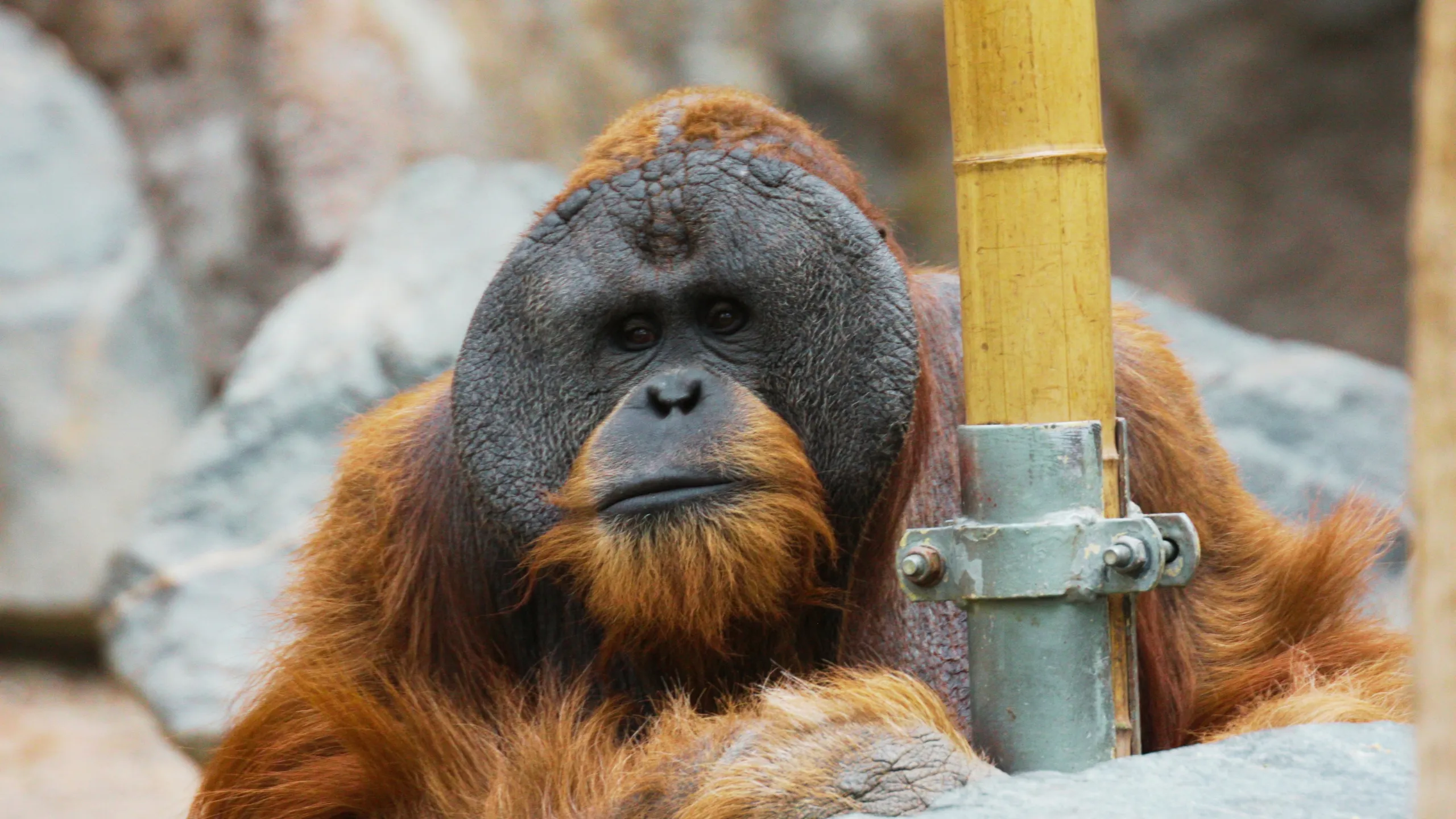
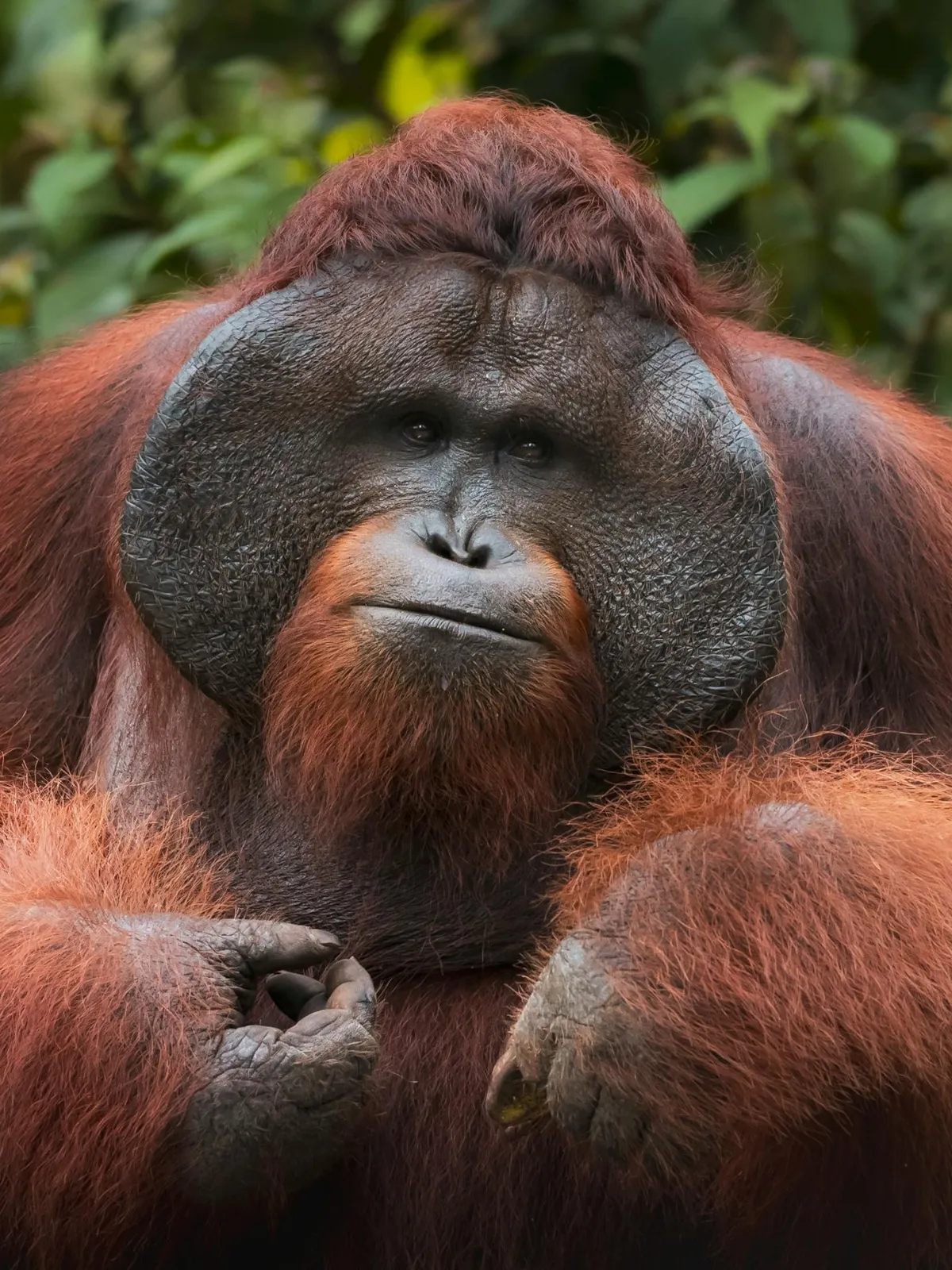
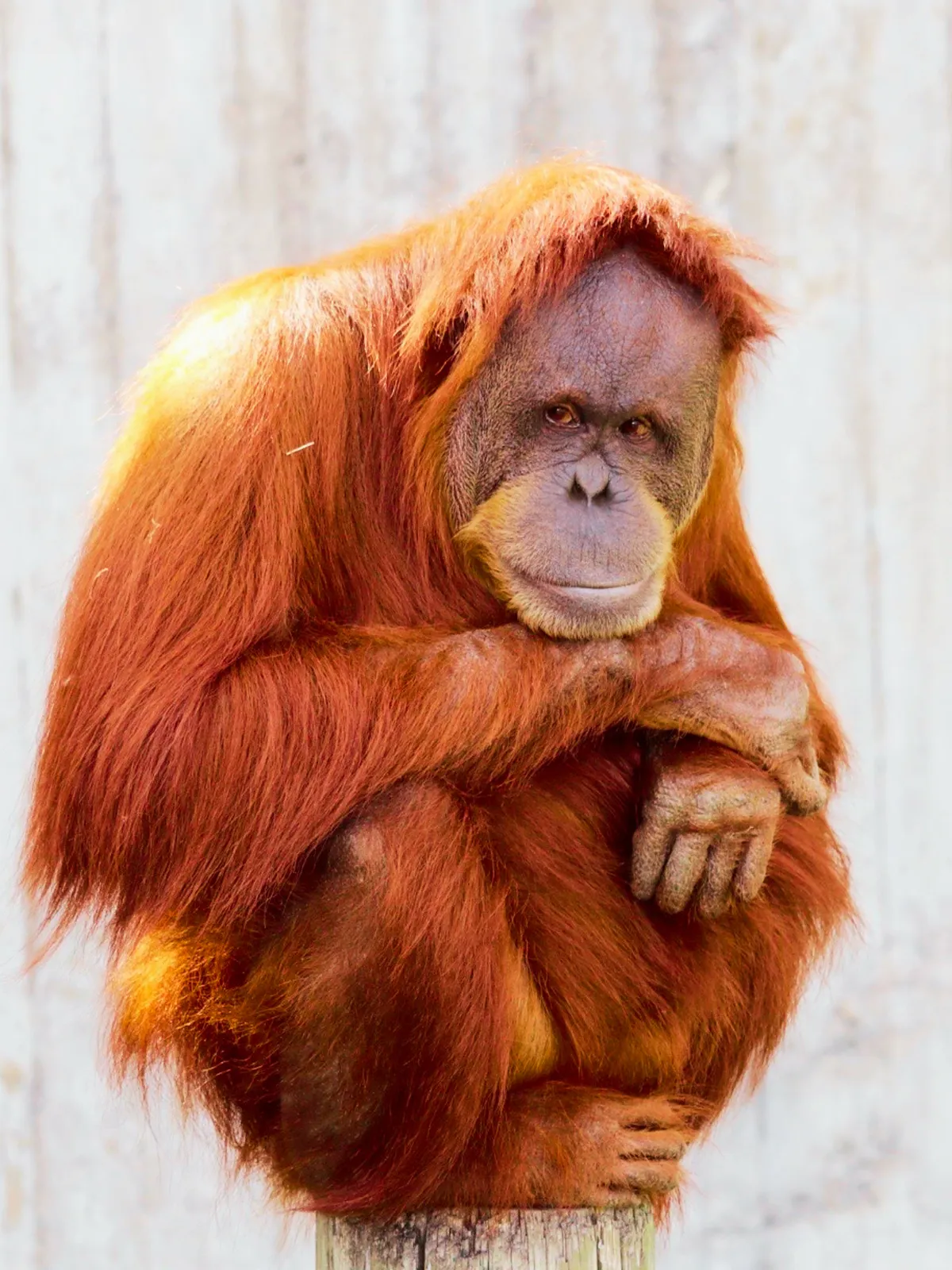
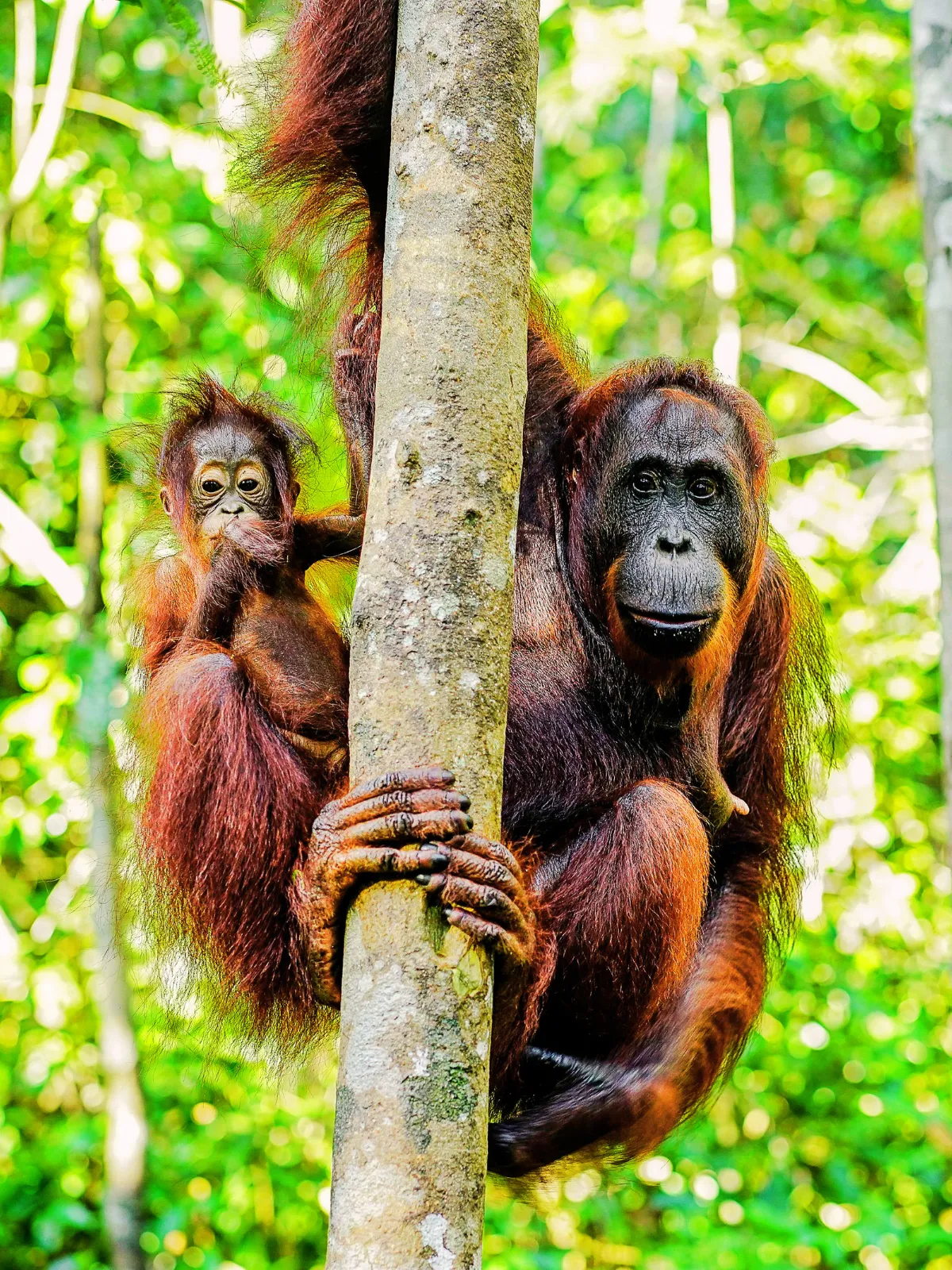
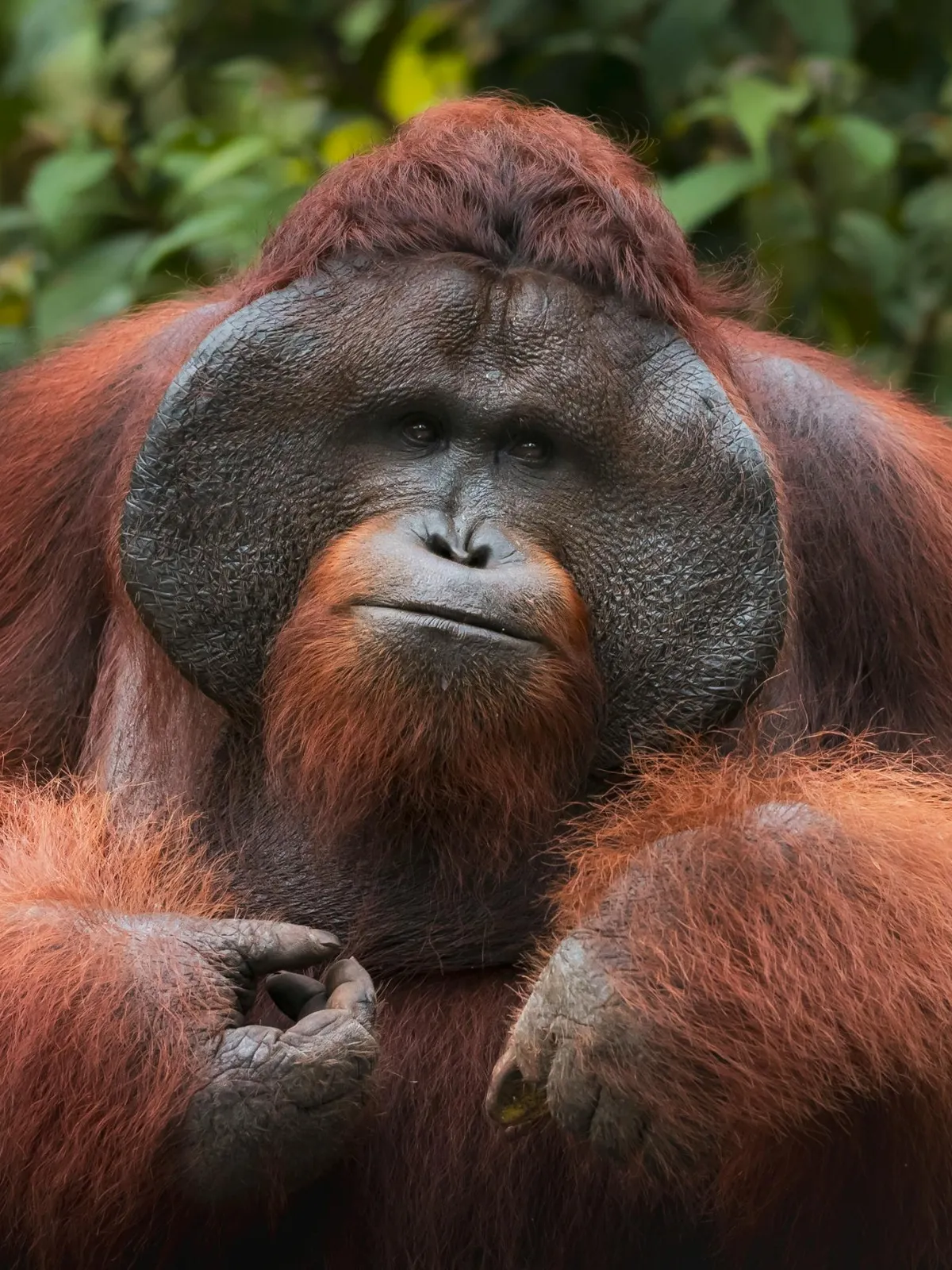
A Bornean orangutan rests behind a bamboo support, featuring wide, dark, leathery cheek flanges (pads) framing its face. Shaggy, reddish-orange fur covers its body, and it has a soft beard under its chin set against a rocky background.
AsiaMammalsCritically Endangered

Bornean Orangutan

Where Bornean Orangutans Live

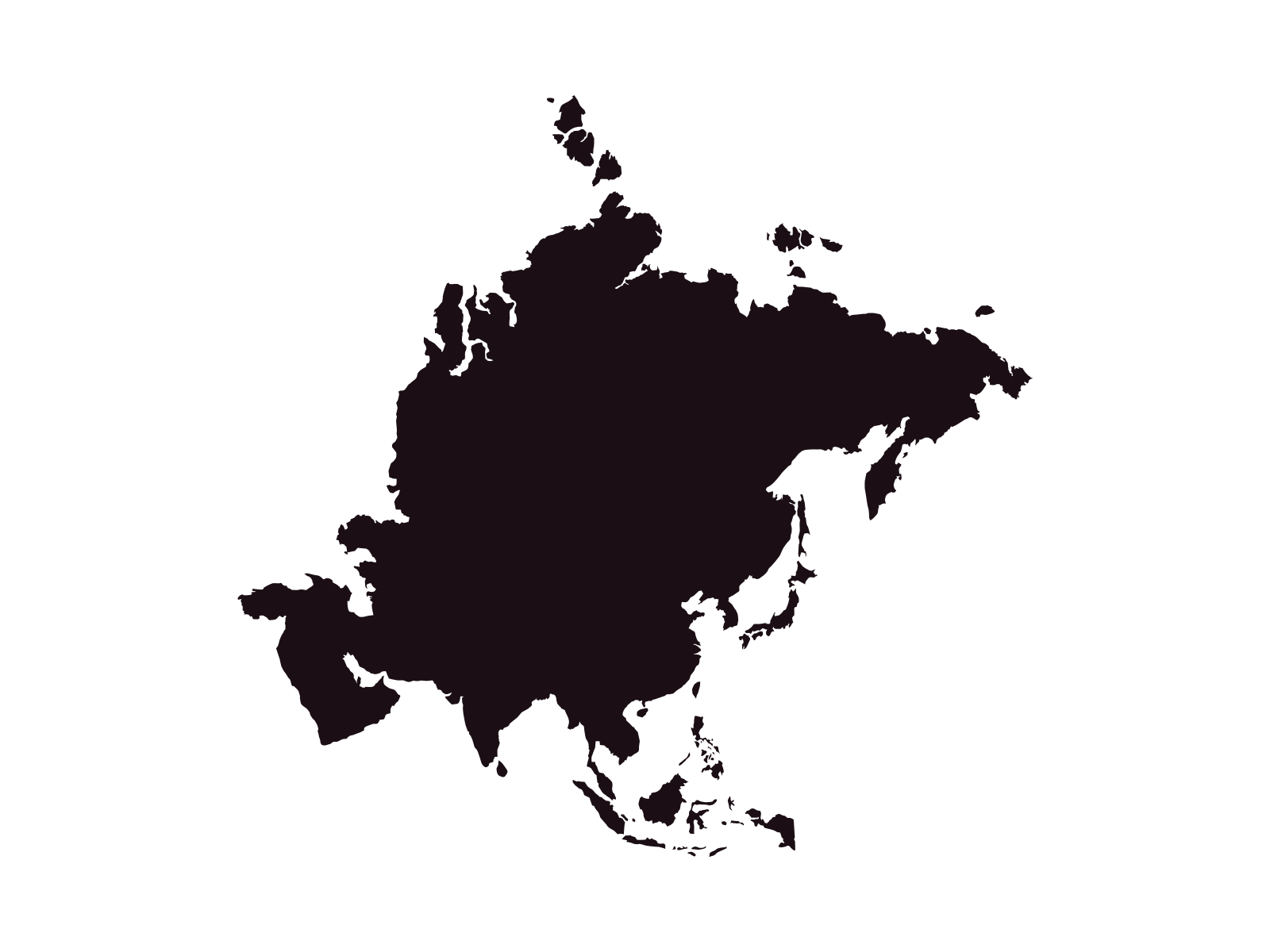
Continent: Asia

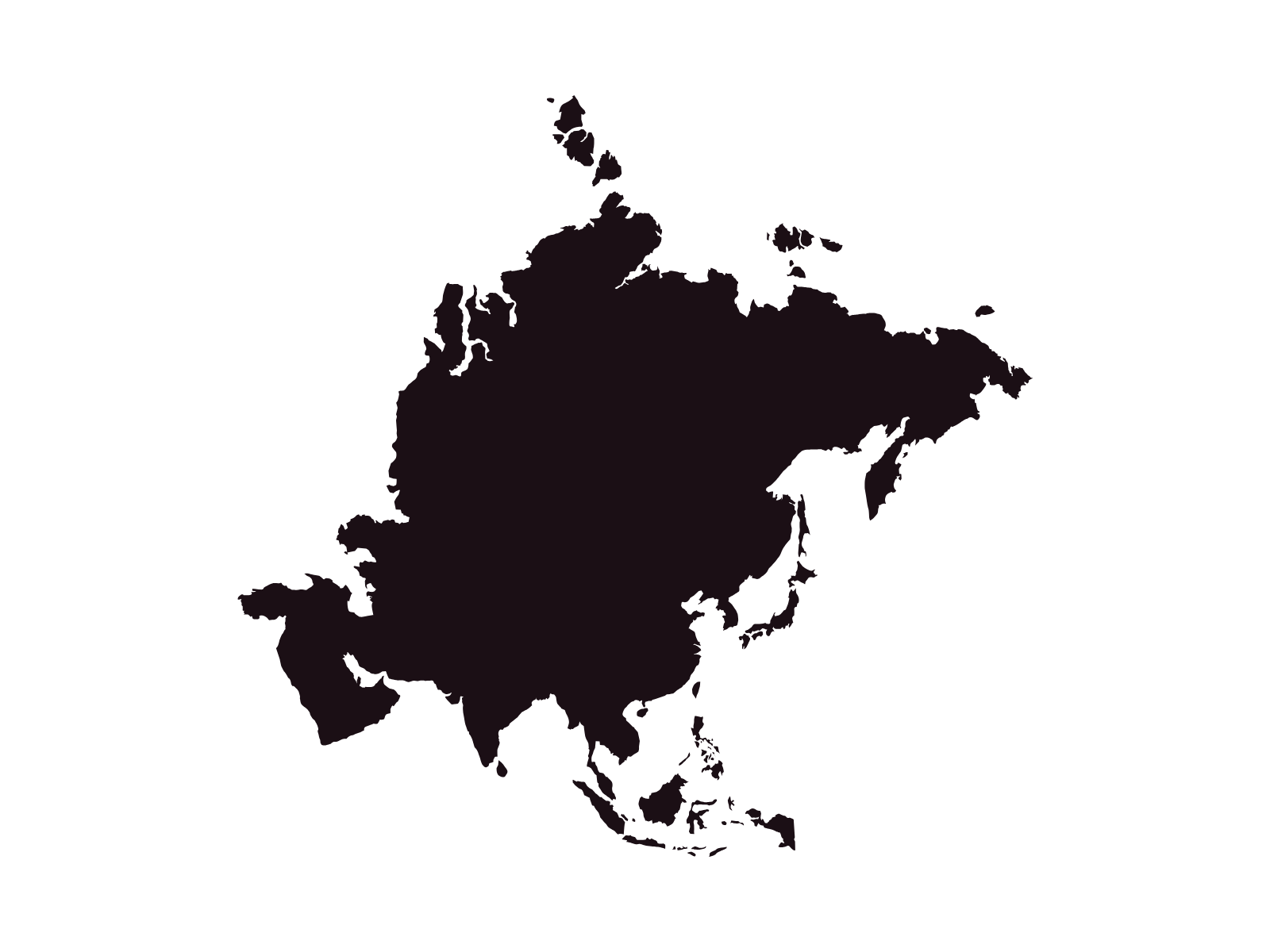
Tropical rainforests, from lowland swamp forests to mountain forests, on the islands of Borneo and Sumatra, Indonesia and Malaysia.
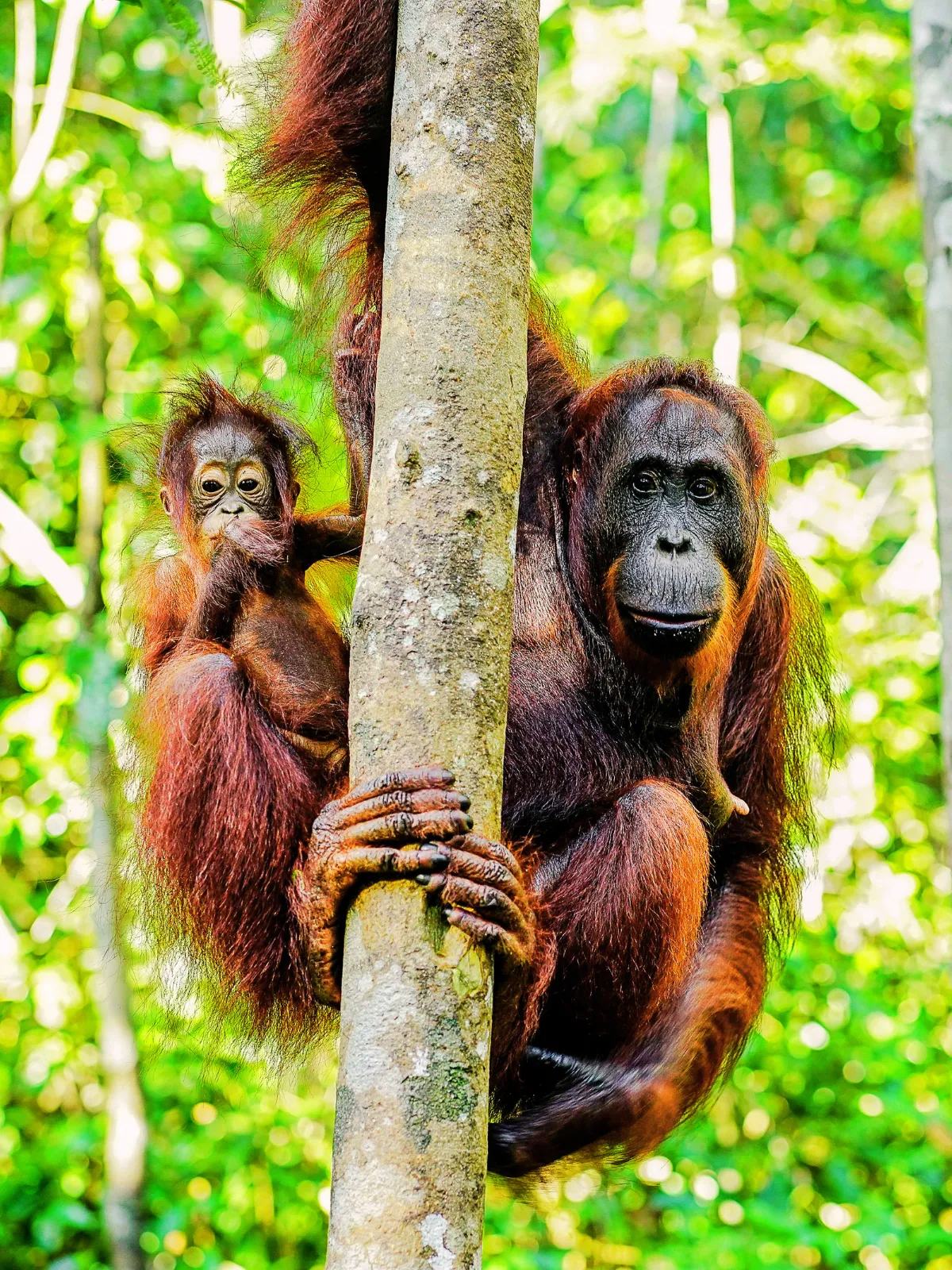
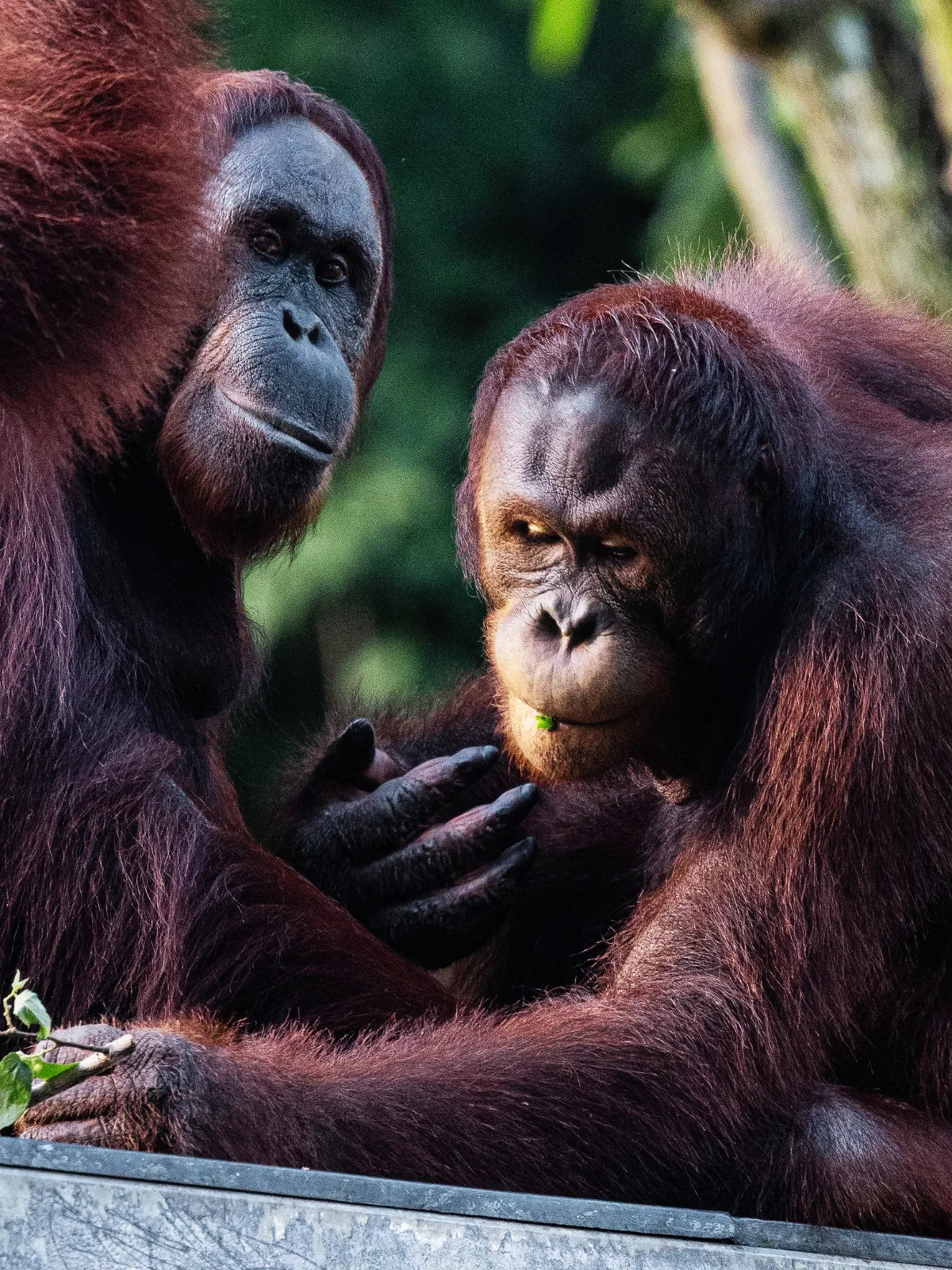
The orangutan is the largest tree dwelling mammal in the world, an intelligent, solitary great ape found only on the Southeast Asian islands of Borneo and Sumatra. Its name means "person of the forest" in Malay, reflecting both its appearance and remarkable cognitive abilities. Orangutans move through the canopy using their extremely long arms, rarely descending to the ground. With the slowest reproductive rate of any land mammal, all three orangutan species (Bornean, Sumatran, and Tapanuli) are critically endangered, driven largely by habitat loss from palm oil deforestation.
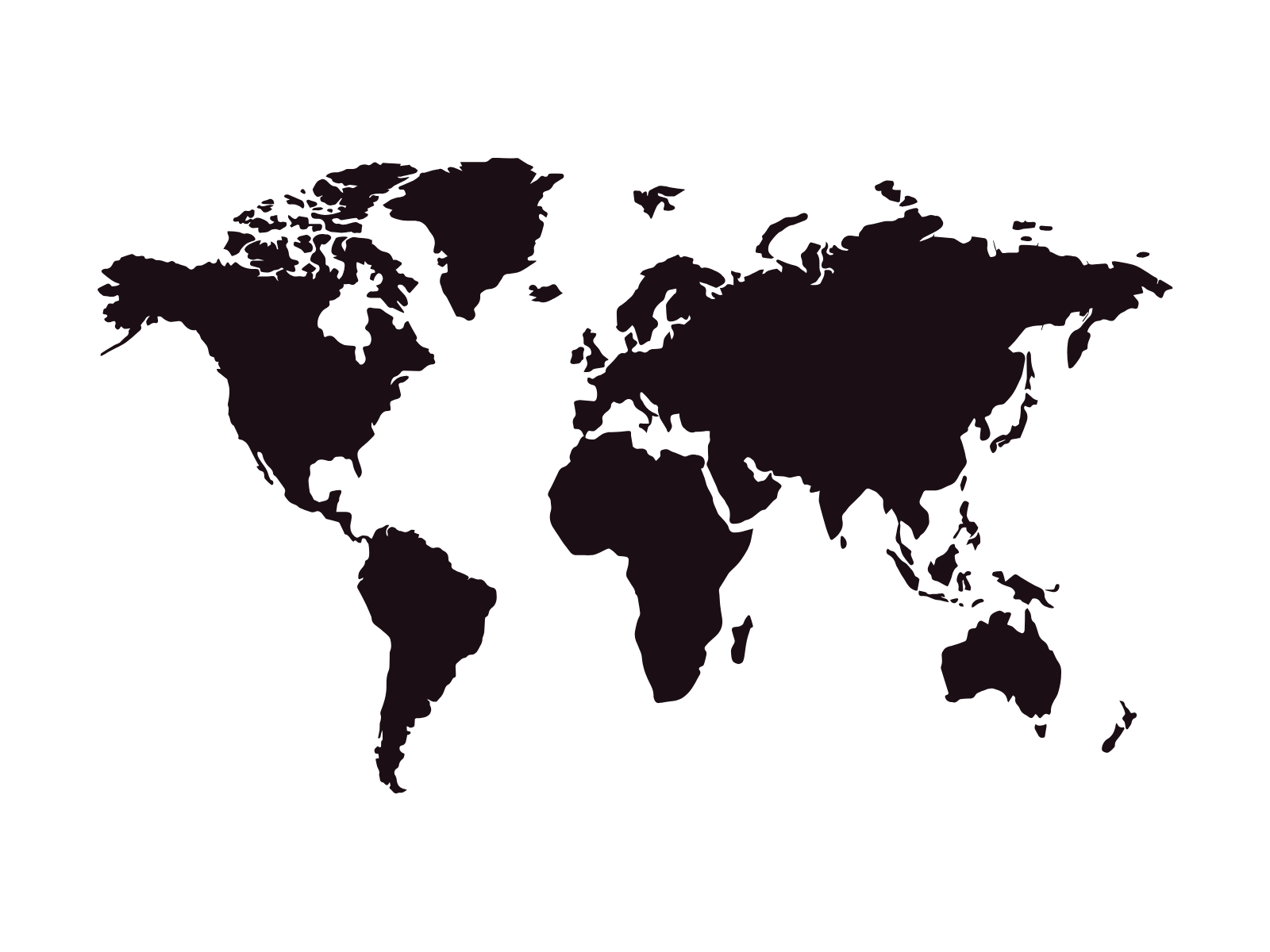
The silhouette of Asia map on the white background.

Asia

Quick Facts

Height icon
HeightAround 1.2 to 1.4 m (4 to 4.6 ft)
Weight icon
WeightMales up to 90 to 100 kg (200 to 220 lb), females about half that
Lifespan icon
Lifespan35 to 58 years, varying by species and sex
Speed icon
SpeedNot built for speed, an efficient arboreal climber instead
Diet icon
DietMostly fruit, plus leaves, bark, insects, and occasionally small vertebrates
Clutch icon
Clutch1 infant per birth, gestation about 8 to 9 months
Population icon
PopulationBornean roughly 100,000, Sumatran around 13,800, Tapanuli fewer than 800
Range icon
RangeBorneo and Sumatra

Conservation Status

EXExtinct
EWExtinct in the Wild
CRCritically Endangered
ENEndangered
VUVulnerable
NTNear Threatened
LCLeast Concern
NENot Evaluated

How Bornean Orangutans Survive in the Wild

1 / 3

Social Lives of Bornean Orangutans

1 / 3

Photo Gallery

Flashcards