



















Wildari Planet
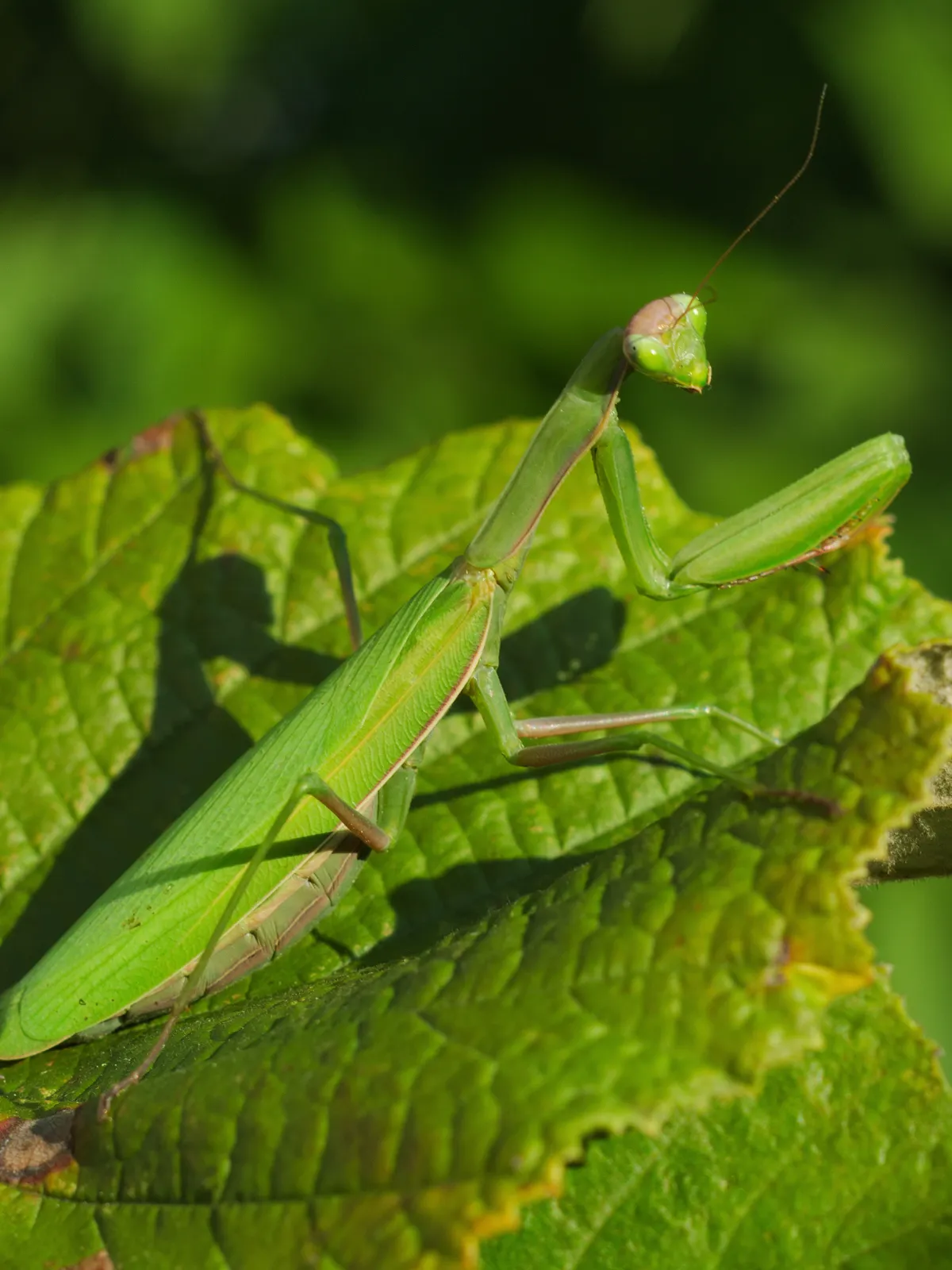
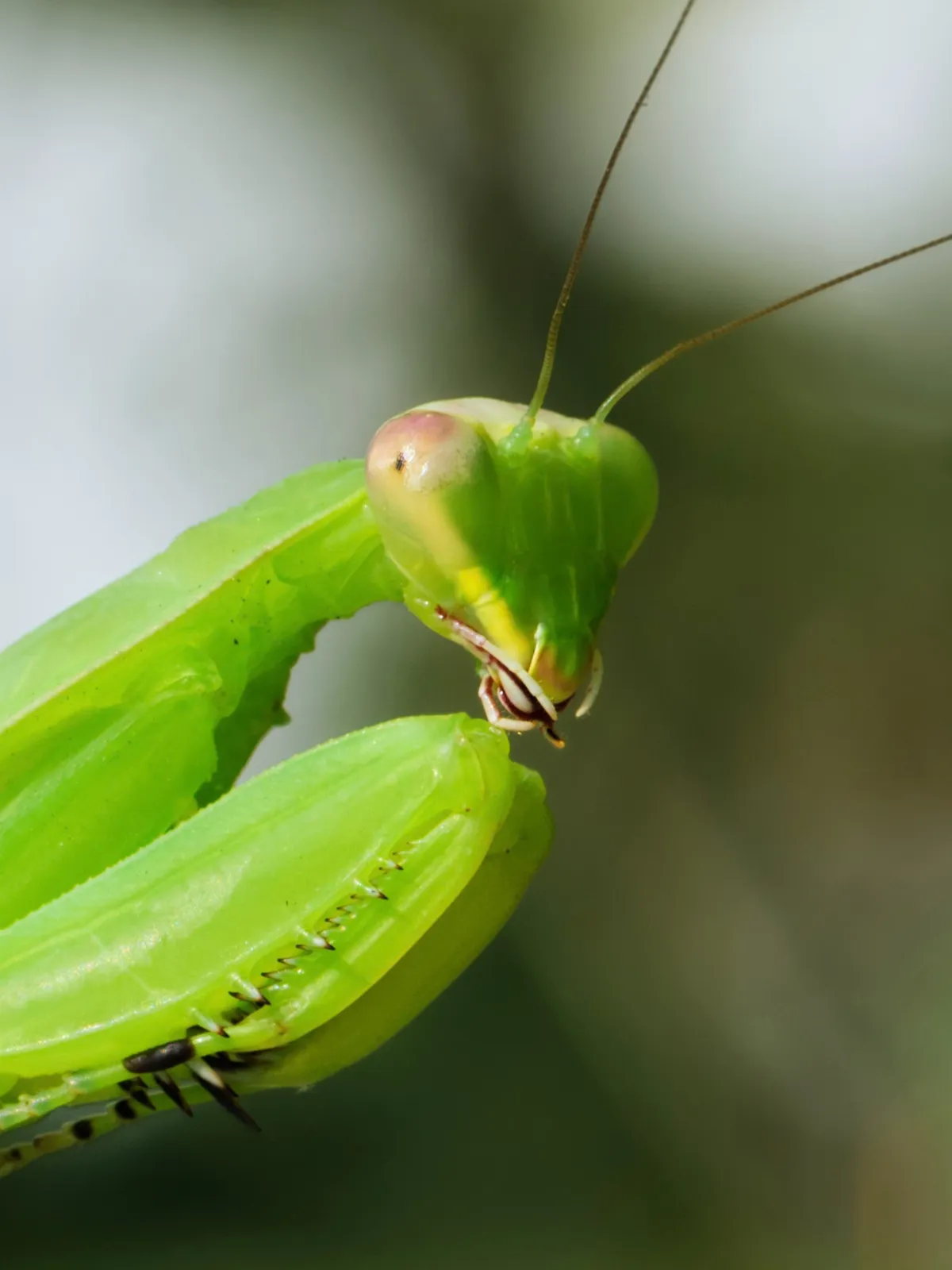
A bright green praying mantis clings to a stalk, showing slender red-tinged antennae and large compound eyes. Its folded front raptorial leg reveals a distinct black-and-white eye-spot mark near the joint against a softly blurred background.
AfricaAsiaEuropeInsectsLeast Concern

European Mantis

Where European Mantises Live

Continent: Africa, Asia, Europe

Grasslands, meadows, gardens, shrubby fields, and roadside verges across Europe, Asia, and Africa, with introduced populations across North America.

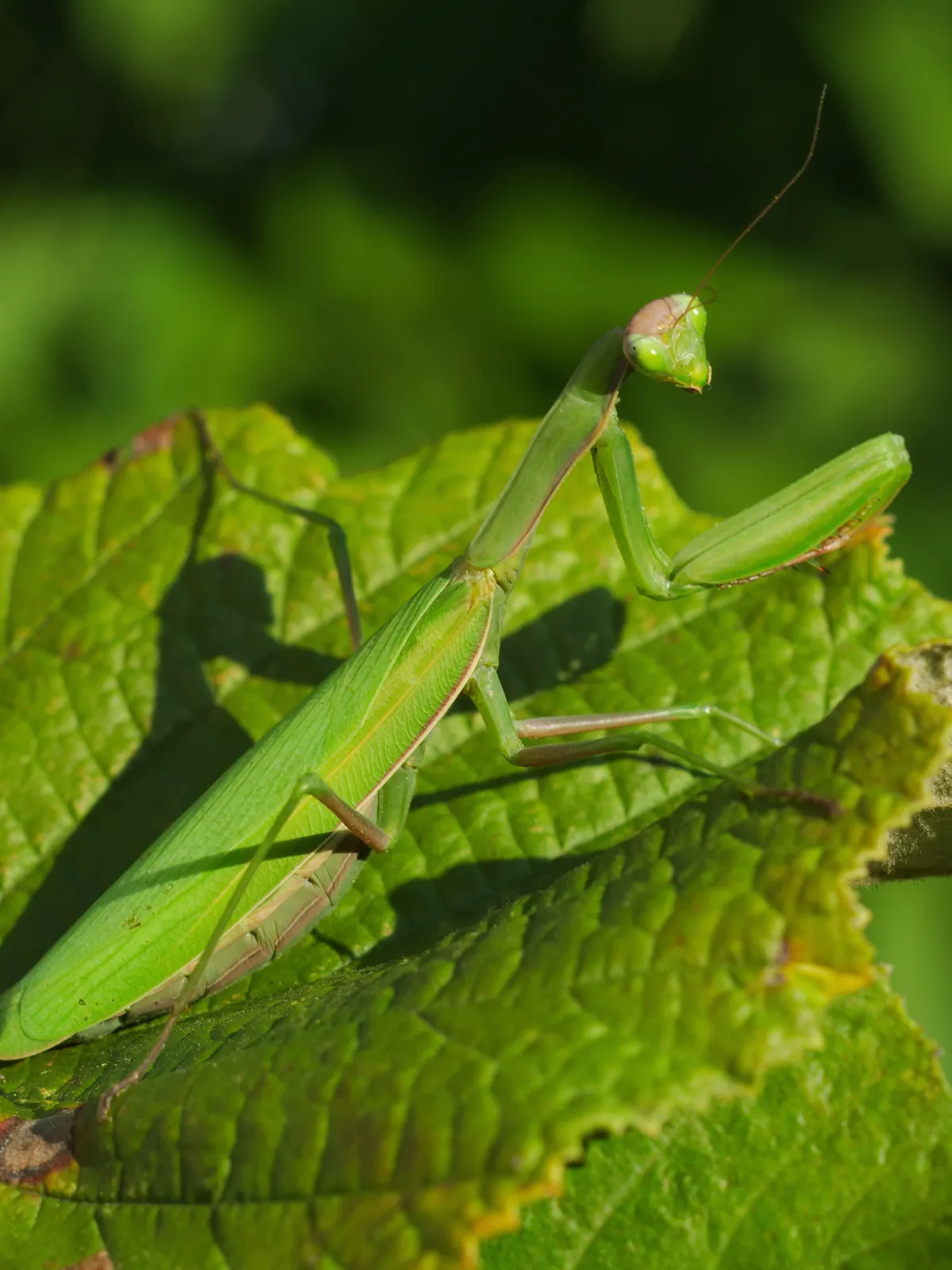
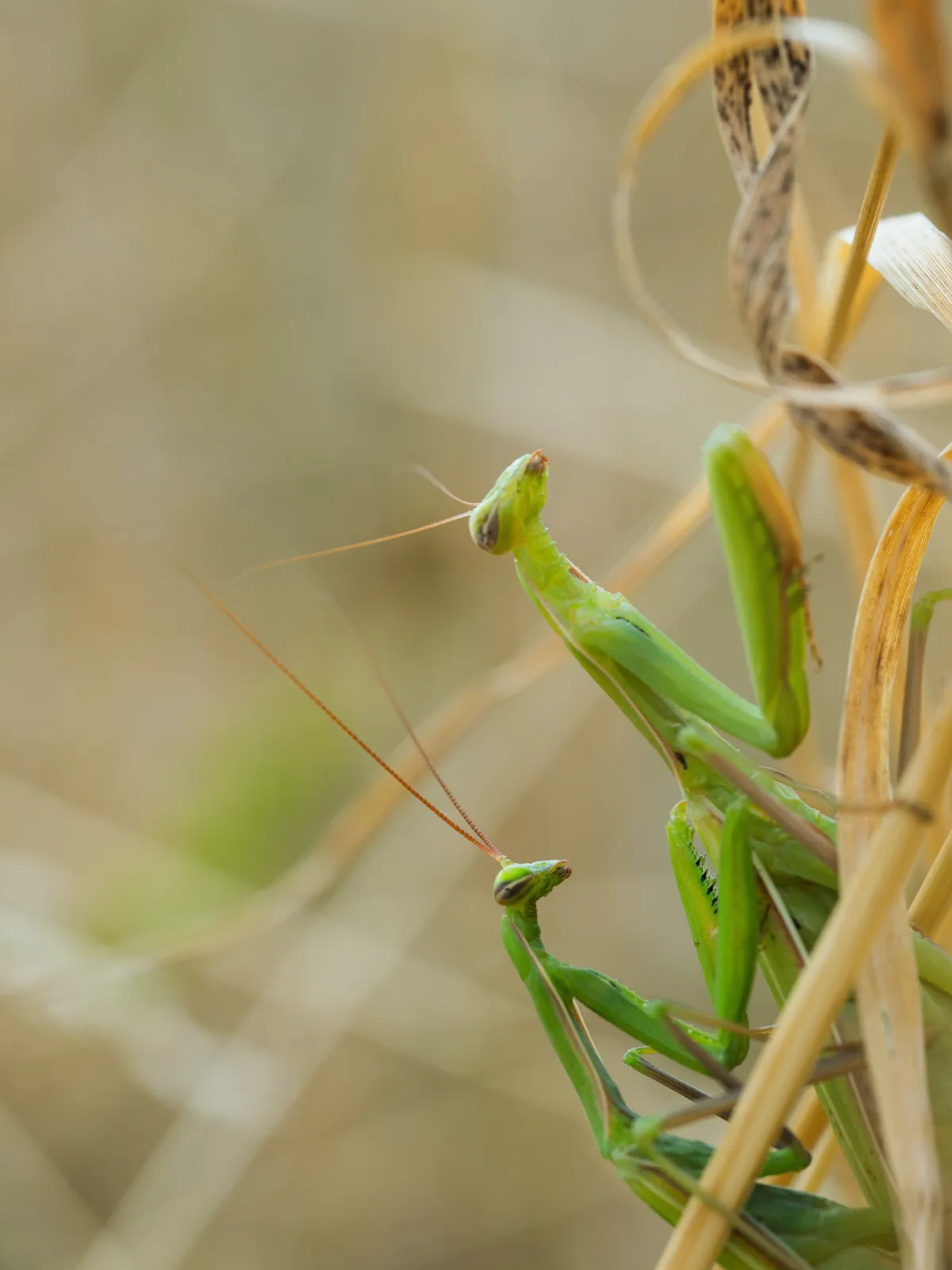
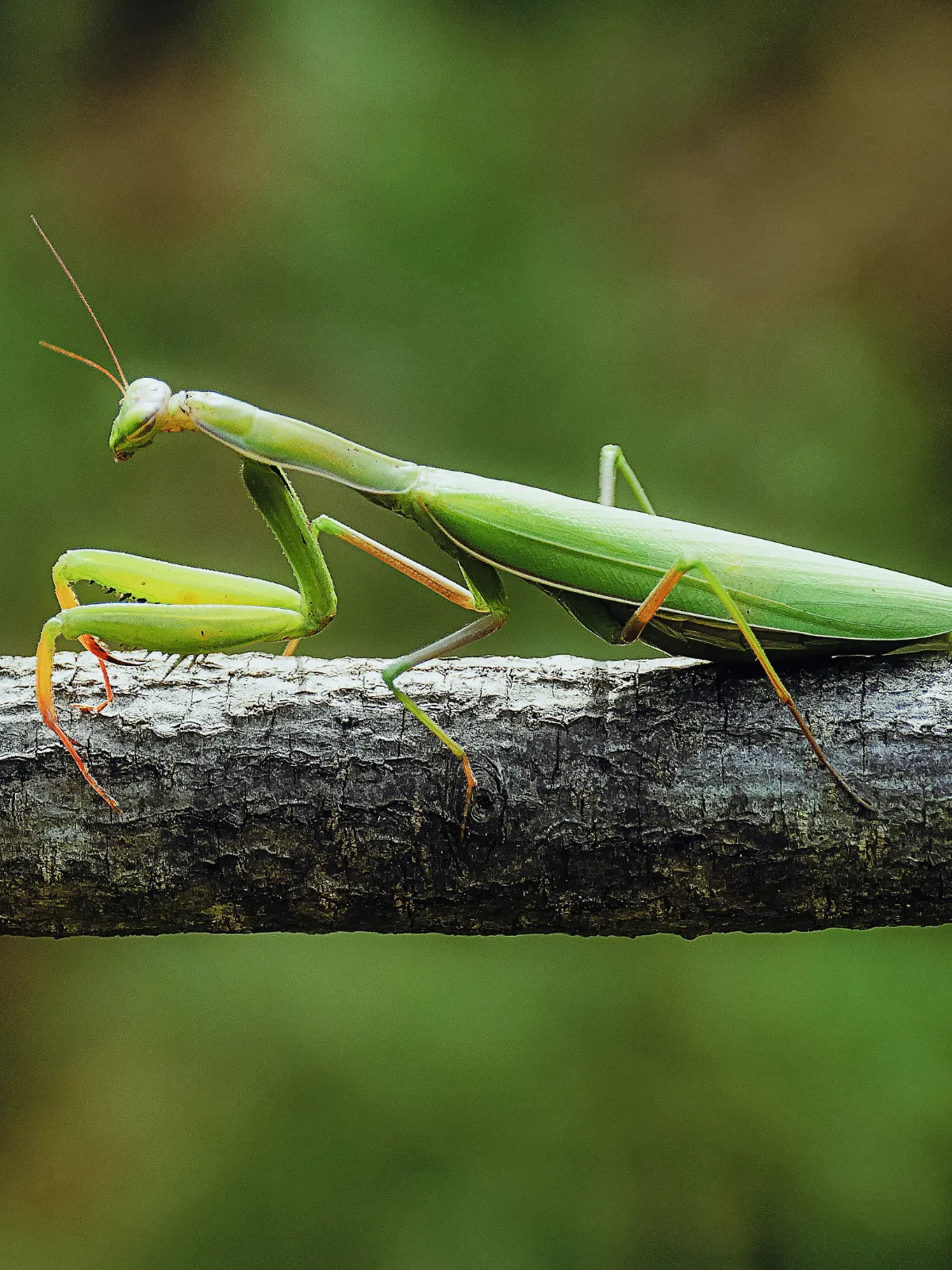
The European mantis is the species most people picture when they hear "praying mantis," the very insect that lent its name and Latin epithet to the entire group. Named by ancient Greeks for the distinctive praying posture of its raised forelegs, it's a patient, precise ambush predator found across grasslands, gardens, and sunny fields throughout Europe, Asia, and Africa, with introduced populations now established in North America. Despite its calm, almost meditative stillness, it's a formidable hunter capable of taking down insects far larger than expected. Its widespread range and instantly recognizable silhouette have made it one of the most culturally iconic insects on Earth.
The silhouette of North America, Africa, and Europe map on the white background.

Africa, Asia, Europe

Quick Facts

Length icon
LengthRoughly 5 to 9 cm (2 to 3.5 in) long, with females larger than males
Defense icon
DefenseSpreads its wings and flashes two eyespots to look bigger
Lifespan icon
LifespanUp to about a year; adults die by winter and eggs hatch in spring
Vision icon
VisionTwo compound eyes with up to 10,000 lenses each, plus three simple eyes
Diet icon
DietMostly living insects: grasshoppers, crickets, flies, bees, and moths
Egg mass icon
Egg MassAbout 100 to 200 eggs per ootheca, laid in autumn and hatching in spring
Population icon
PopulationNo global count exists; Least Concern worldwide, but endangered in Germany
Range icon
RangeNative to Europe, Asia, and Africa; introduced to North America in the 1890s

Conservation Status

EXExtinct
EWExtinct in the Wild
CRCritically Endangered
ENEndangered
VUVulnerable
NTNear Threatened
LCLeast Concern
NENot Evaluated

How European Mantises Survive in the Wild

1 / 3

Social Lives of European Mantises

1 / 3

Photo Gallery

Flashcards

Quiz Yourself on European Mantis

Pick a difficulty level and test what you've learned.

A bright green praying mantis clings to a stalk, showing slender red-tinged antennae and large compound eyes. Its folded front raptorial leg reveals a distinct black-and-white eye-spot mark near the joint against a softly blurred background.Easy

European Mantis

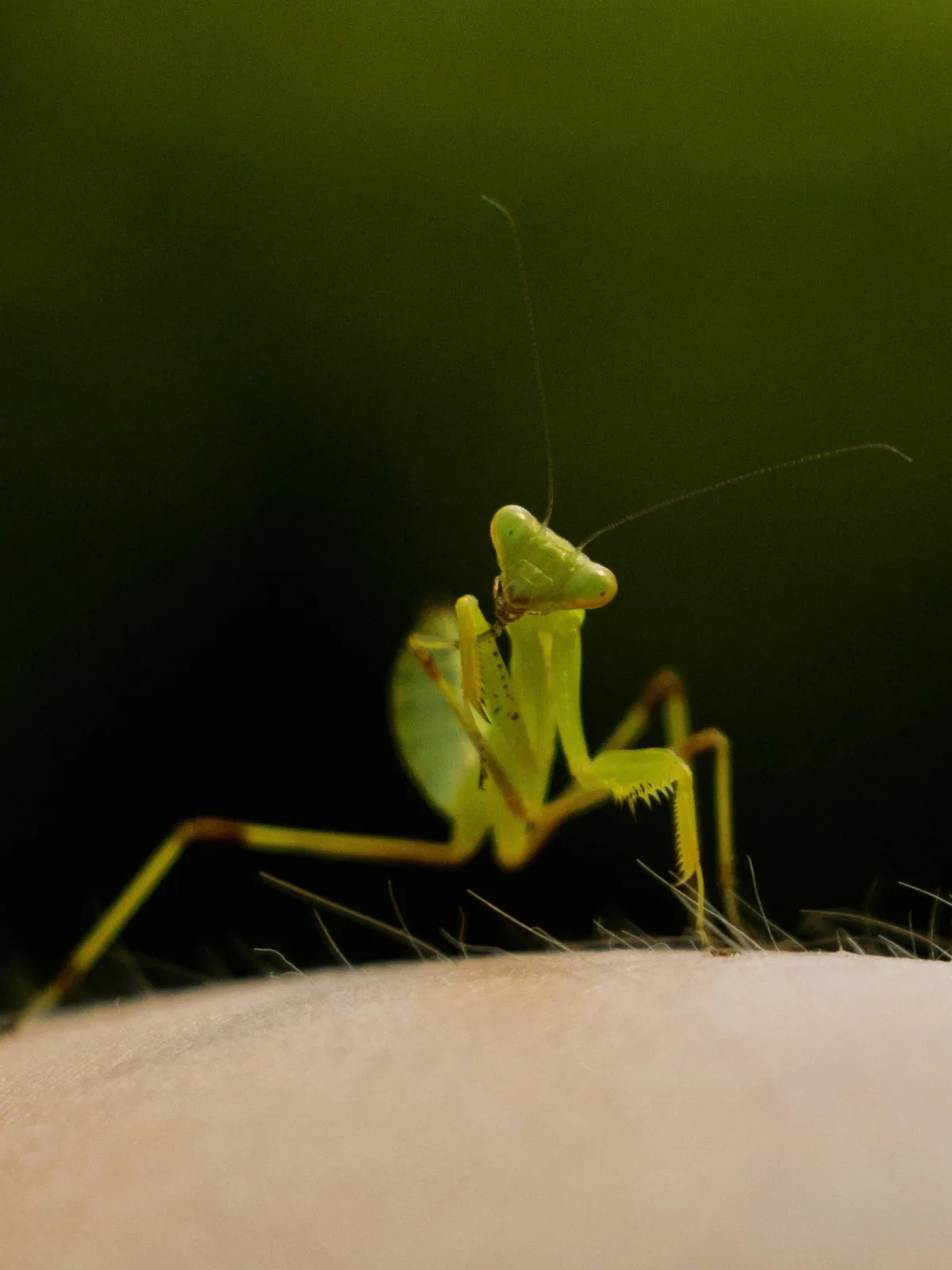
Lit sharply against a black background, the mantis's green head shows a dark eye-spot and a pale, mask-like face pattern. Its serrated forelegs are raised close to its head, the fine tooth-like spines along the edges clearly visible, with two thin antennae extending upward out of frame.Medium

European Mantis

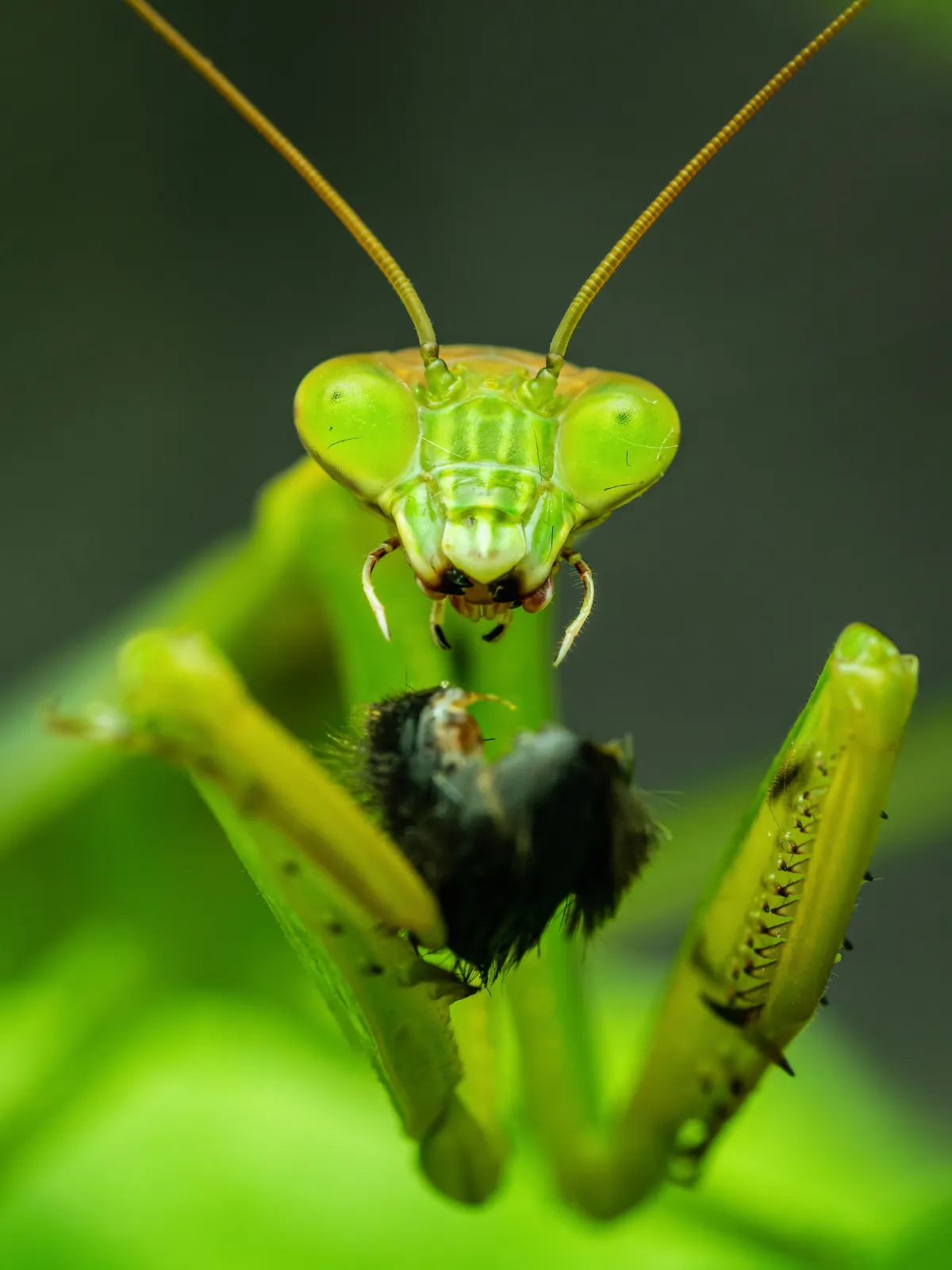
A head-on close-up shows the mantis's large, bulging compound eyes and pale, ridged face, with short antennae curving down between them. Its forelegs, lined with fine dark spines, are crossed in front and clutching a dark, furry insect it's feeding on, with the prey's legs still visible poking out to the sides.Hard

European Mantis