











Wildari Planet
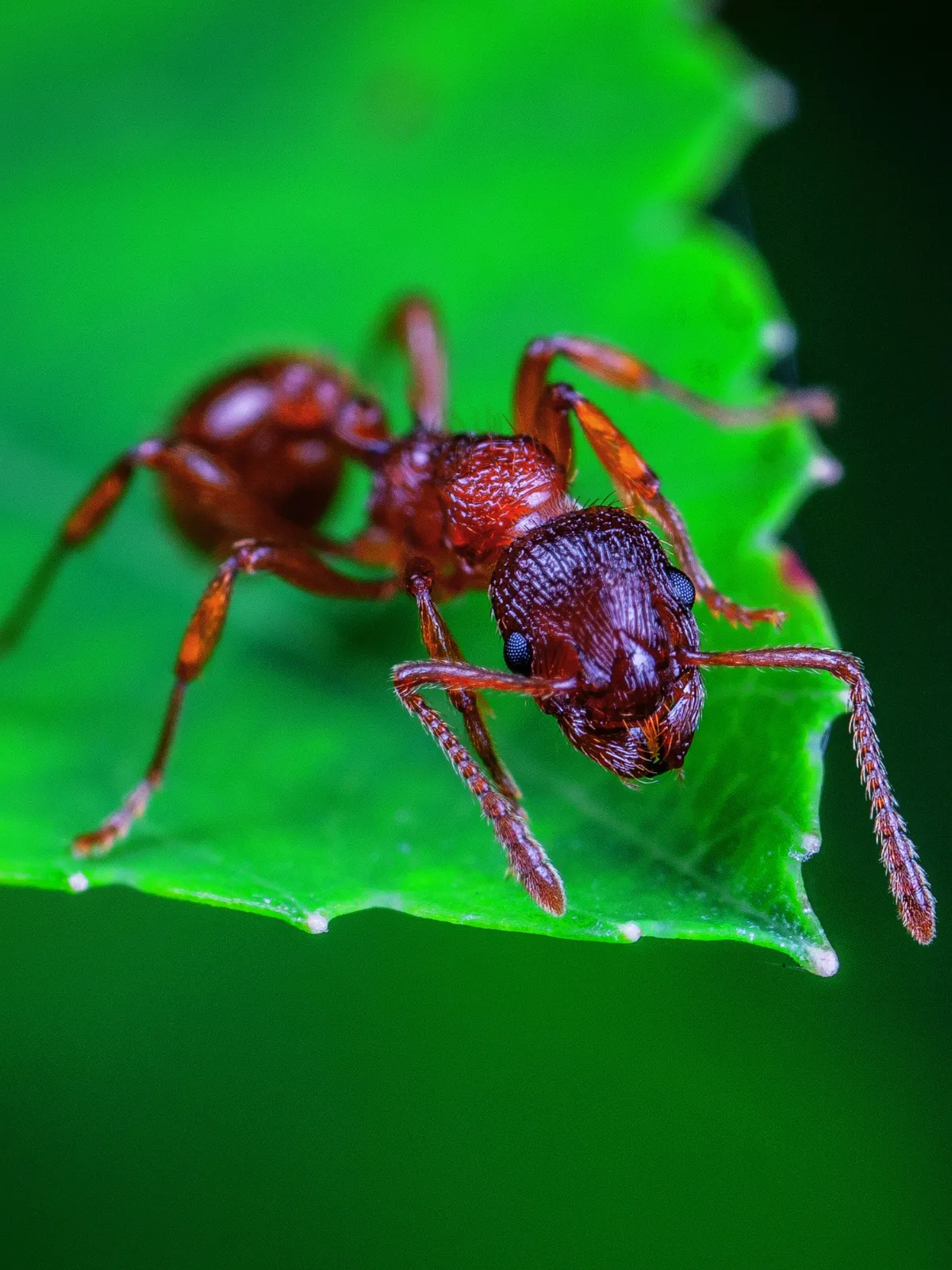
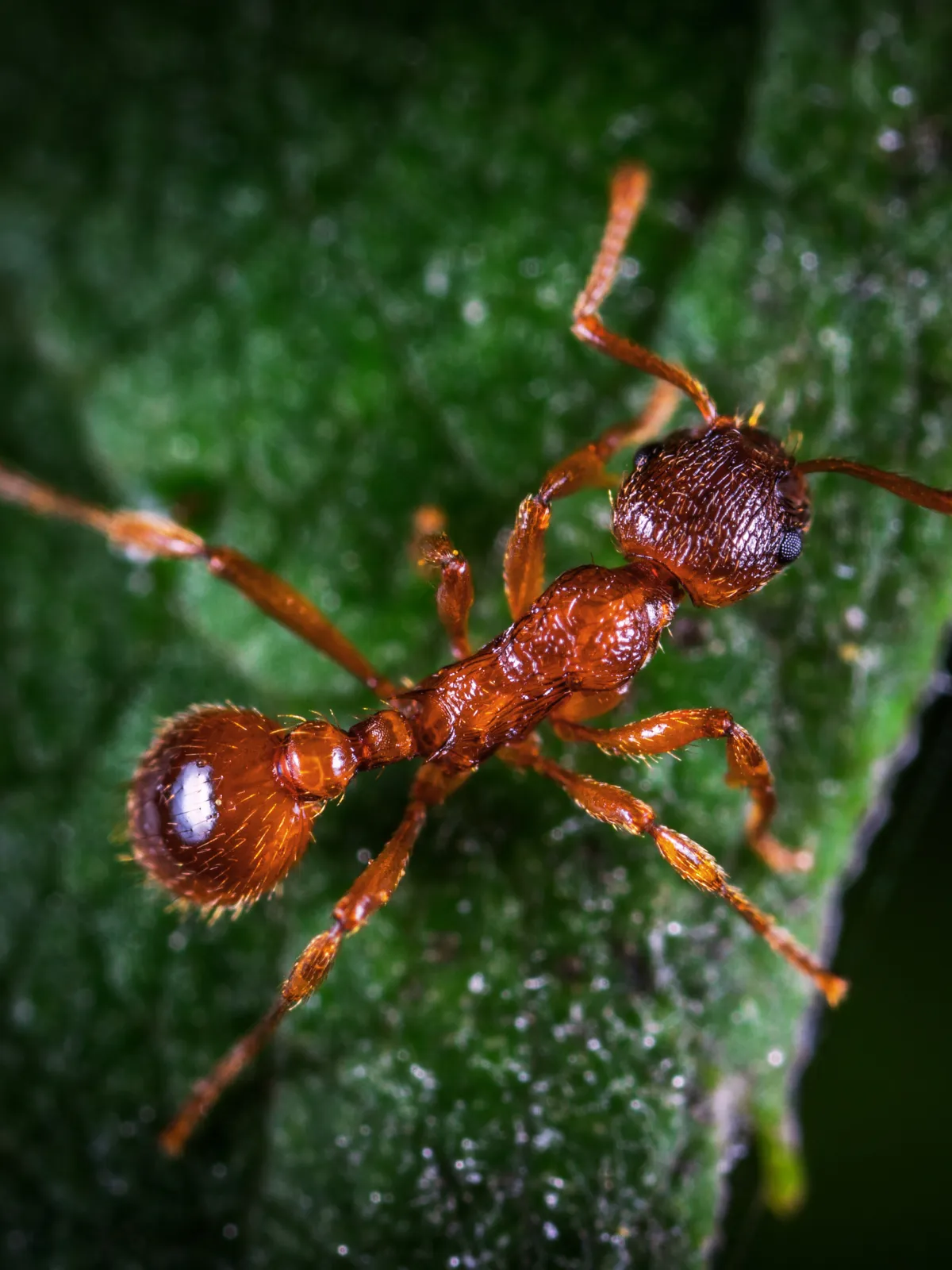
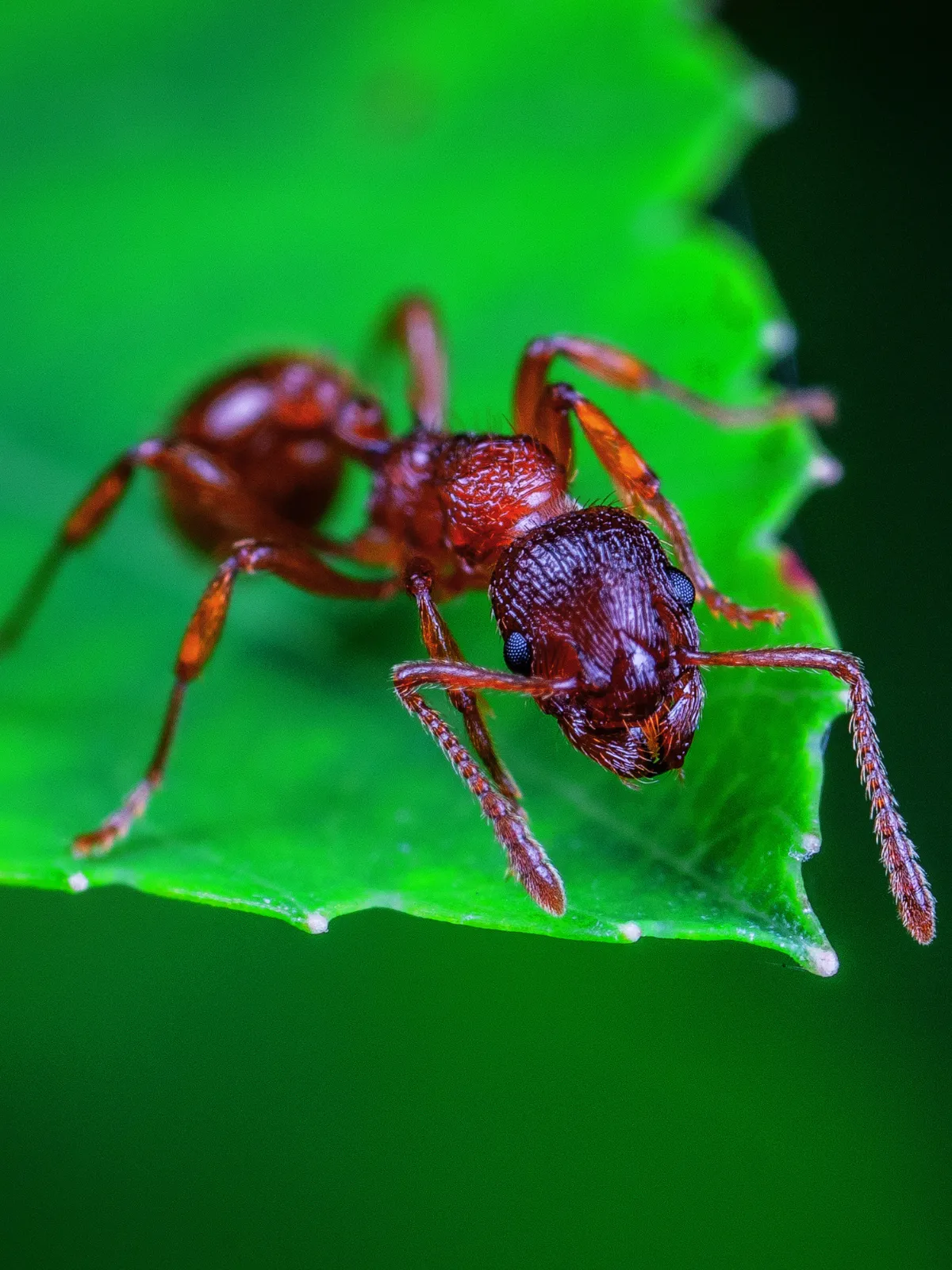
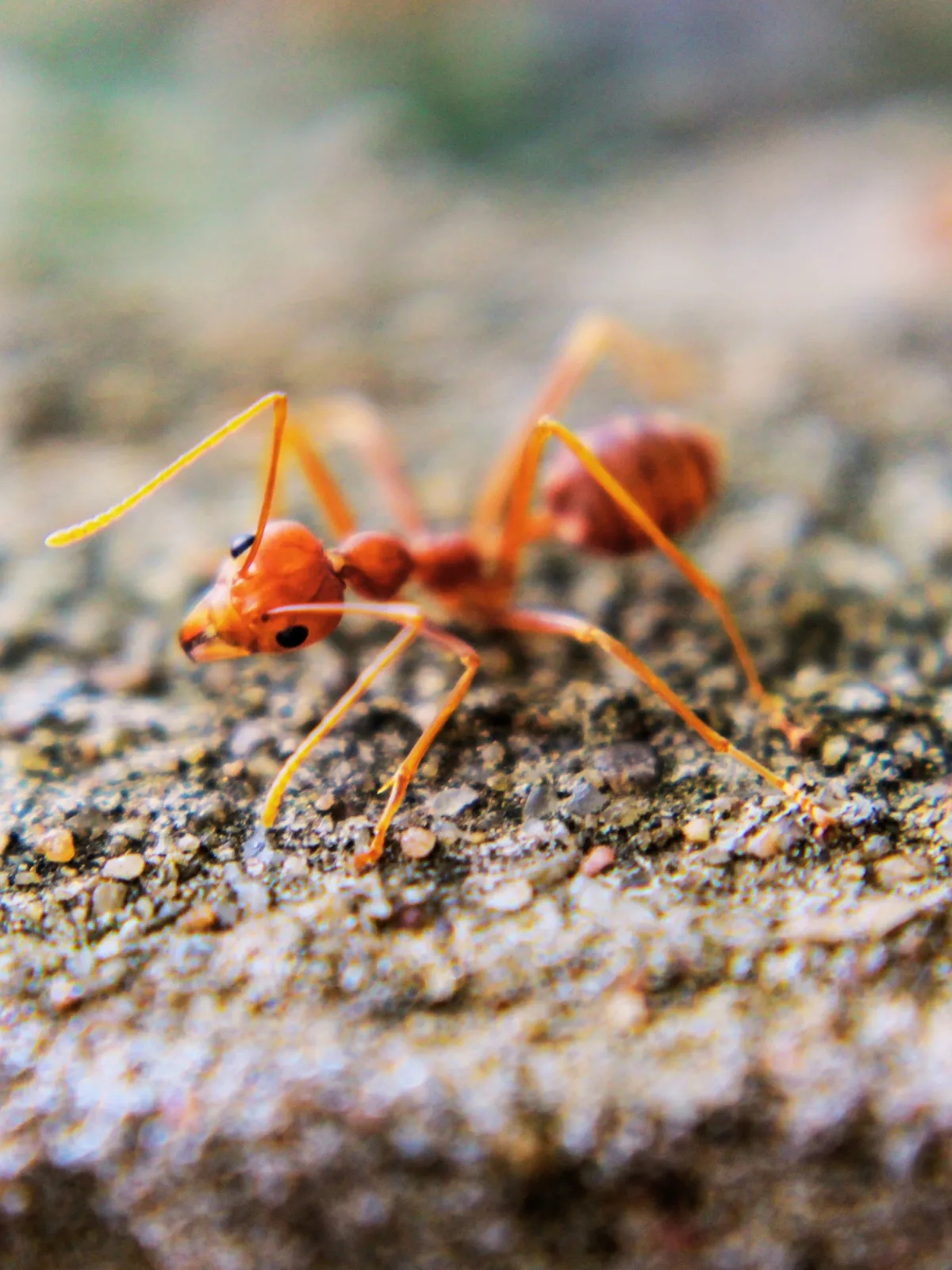
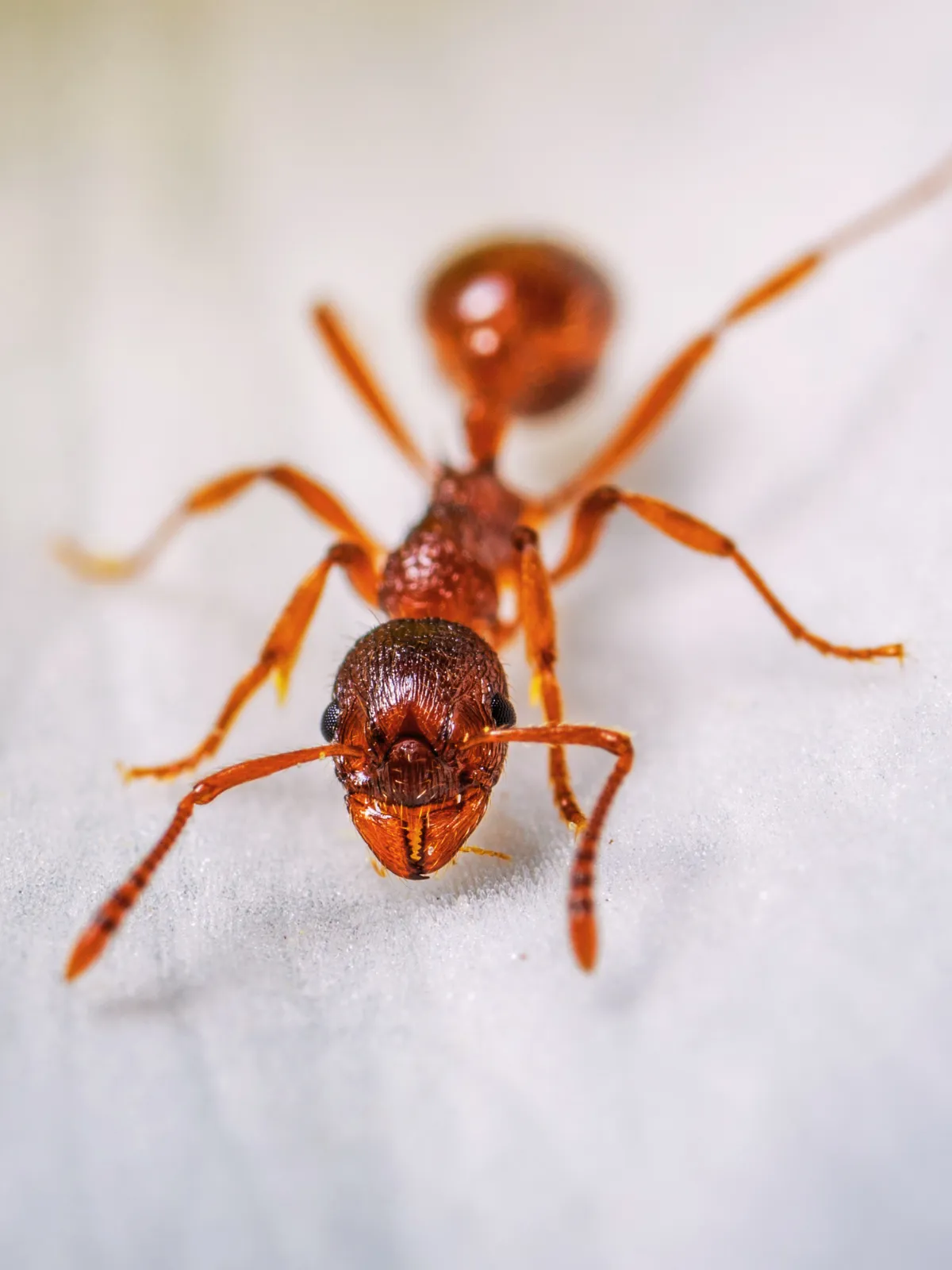
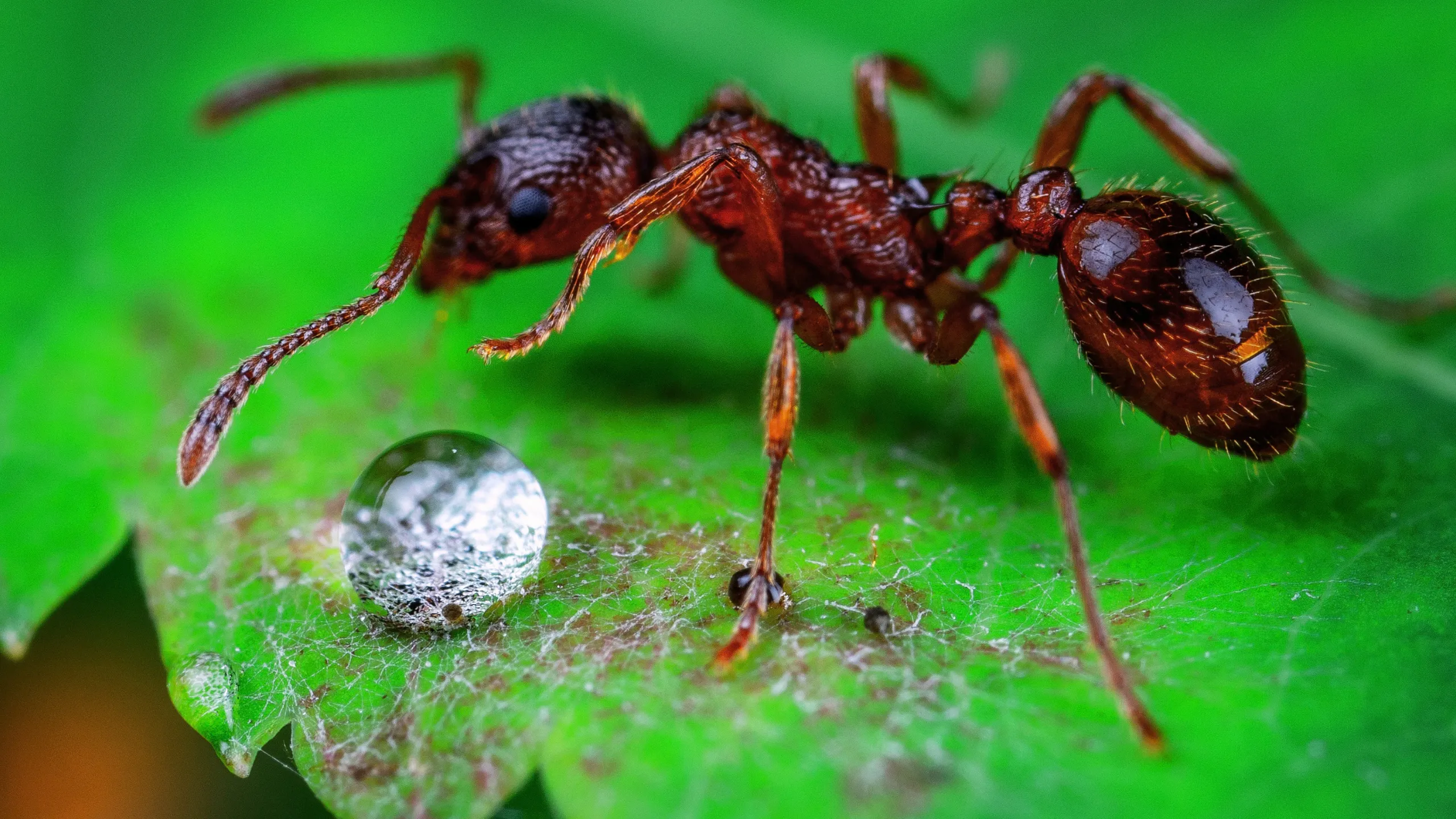
An extreme close-up macro photograph of a shiny, reddish-brown fire ant standing on a vibrant green leaf. A single, round, glistening water droplet rests on the leaf surface directly beside its front leg, reflecting the ambient light.
South AmericaInsectsNot Evaluated

Fire Ant

Where Fire Ants Live

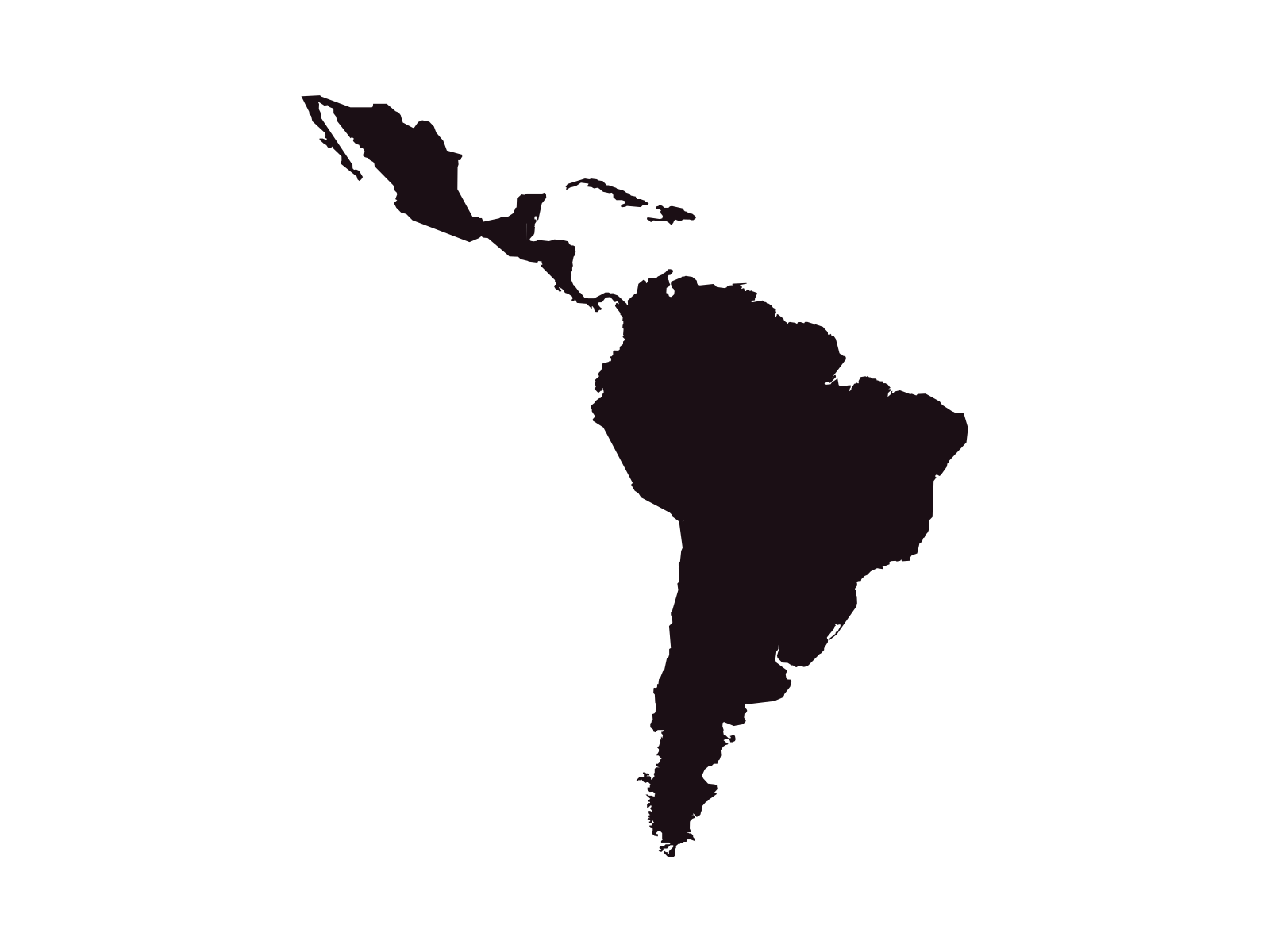
Continent: South America

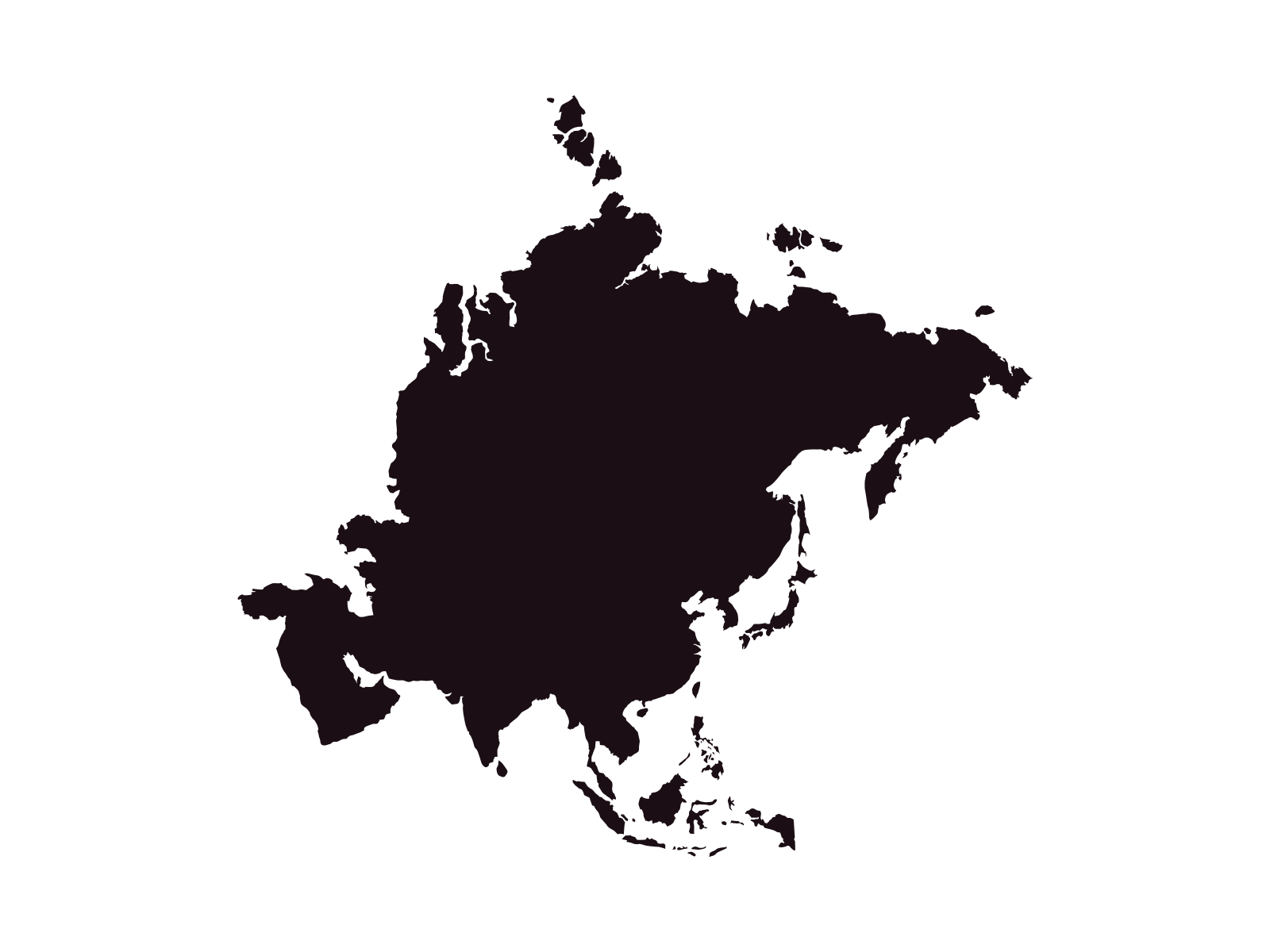
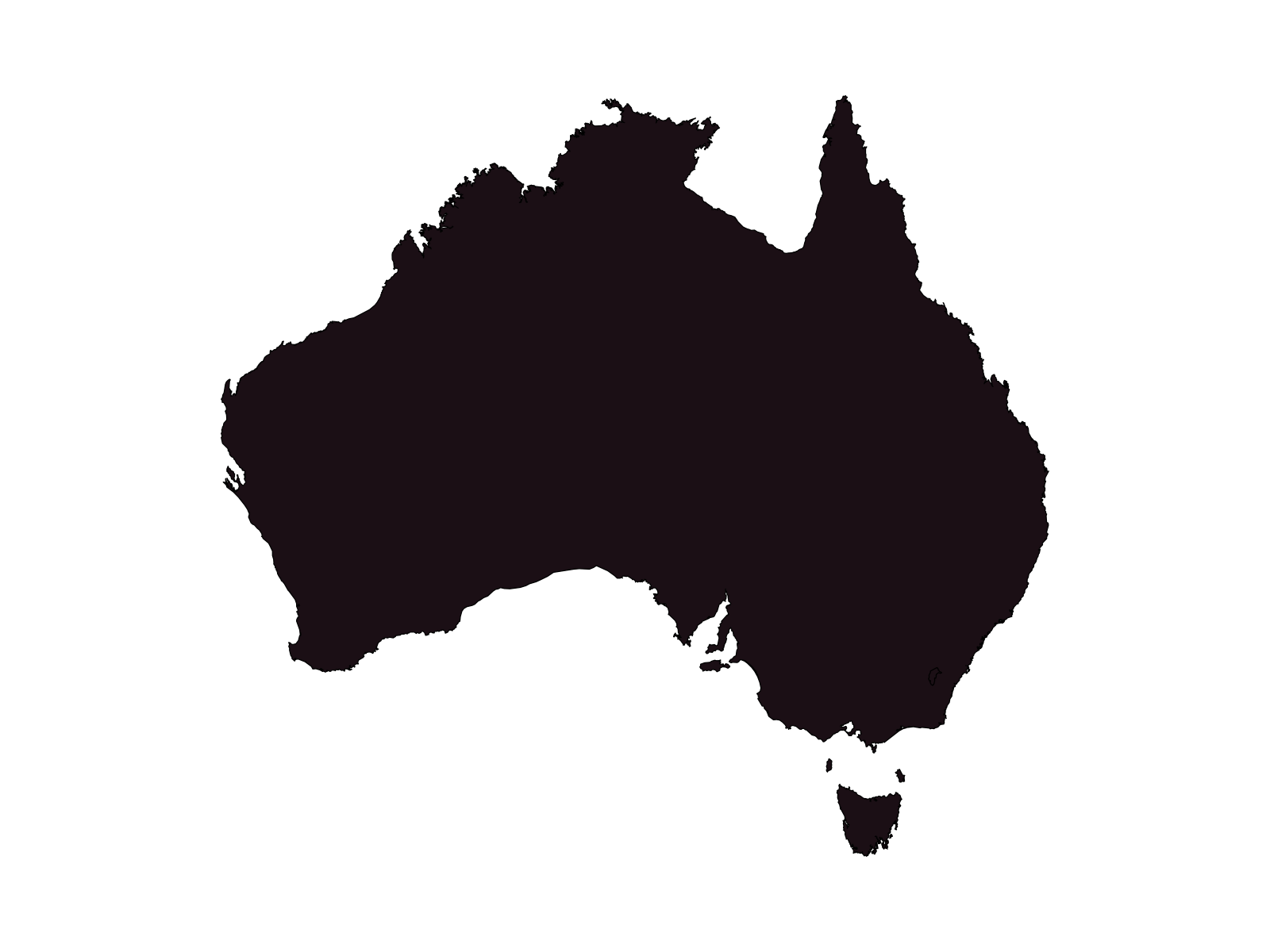
Grasslands, pastures, lawns, roadsides, and disturbed urban areas, native to South America, now widespread across the southern United States, Australia, China, and other warm regions worldwide.

The red imported fire ant is one of the most notorious and widely recognized ant species on Earth, infamous for its painful, burning sting and its explosive spread as an invasive species across multiple continents. Native to South America, it was accidentally introduced to the United States in the late 1930s and has since become one of the most aggressive and economically damaging invasive insects in the world. Listed among the IUCN's 100 worst invasive species, it displaces native ants, preys on ground nesting wildlife, and causes billions of dollars in agricultural and infrastructure damage annually. Despite its destructive reputation, it remains one of the most extensively studied ant species, offering researchers valuable insight into colony behavior, chemical communication, and invasive species biology.
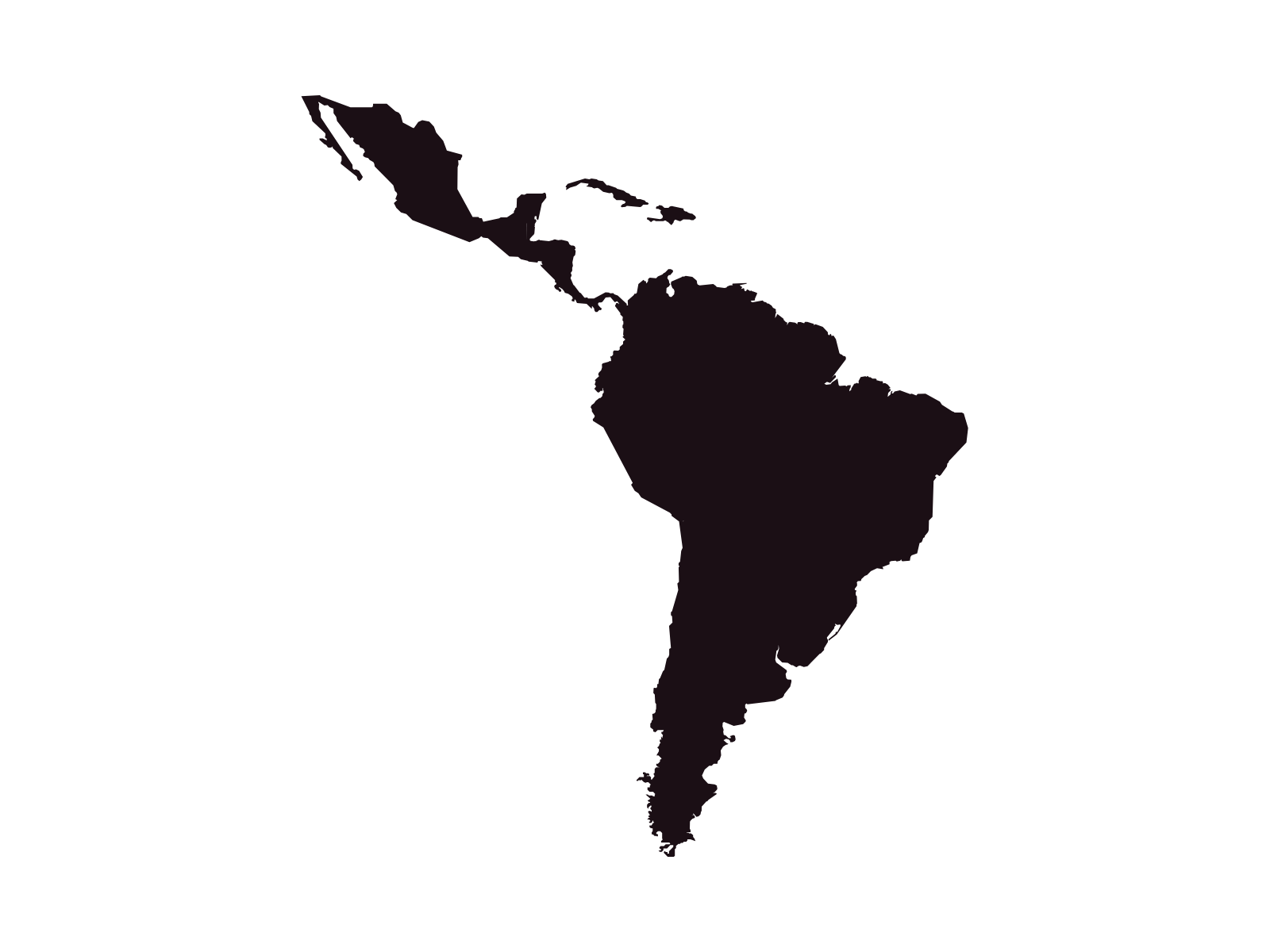
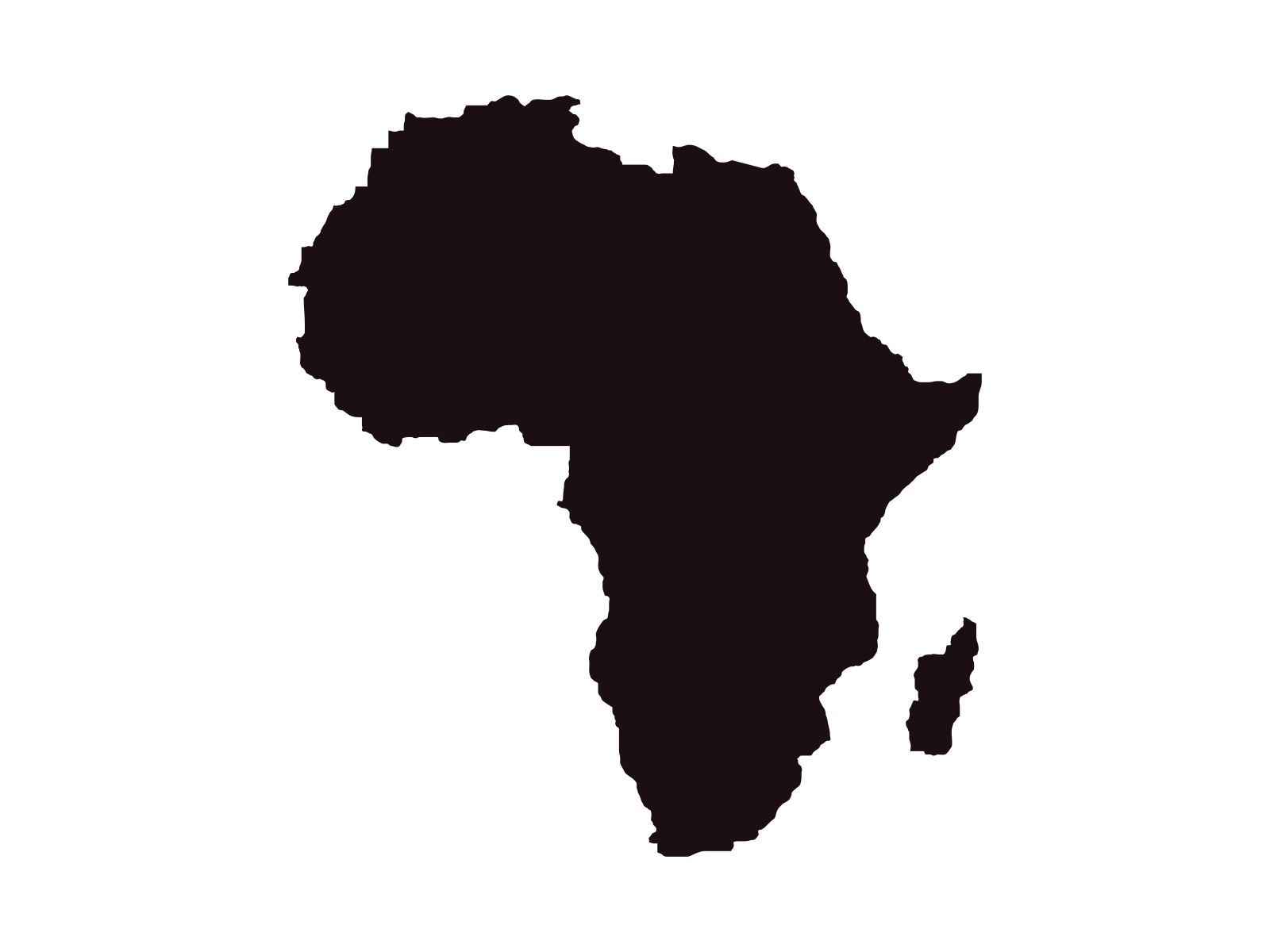
The silhouette of South America map on the white background.

South America

Quick Facts

Length icon
LengthWorkers about 2 to 6 mm (0.08 to 0.24 in); queens up to about 8 mm (0.3 in)
Mound size icon
Mound Size25 to 60 cm (10 to 24 in) wide and 15 to 20 cm (6 to 8 in) tall
Lifespan icon
LifespanWorkers live about 5 weeks to several months; queens live 6 to 7 years
Stings icon
StingsBurning venom; about 14 million people in the US are stung each year
Diet icon
DietOmnivores: mostly insects, plus seeds, sugary sap, honeydew, and small vertebrates
Egg mass icon
Egg MassA queen lays roughly 800 to 1,000 eggs a day; some reports say up to 1,600
Population icon
PopulationColonies average 100,000 to 500,000 workers; no global total is known
Range icon
RangeNative to South America; invasive in the southern US, Australia, China, and Taiwan

Conservation Status

EXExtinct
EWExtinct in the Wild
CRCritically Endangered
ENEndangered
VUVulnerable
NTNear Threatened
LCLeast Concern
NENot Evaluated

How Fire Ants Survive in the Wild

1 / 3

Social Lives of Fire Ants

1 / 3

Photo Gallery

Flashcards

Quiz Yourself on Fire Ant

Pick a difficulty level and test what you've learned.

An extreme close-up macro photograph of a shiny, reddish-brown fire ant standing on a vibrant green leaf. A single, round, glistening water droplet rests on the leaf surface directly beside its front leg, reflecting the ambient light.Easy

Fire Ant

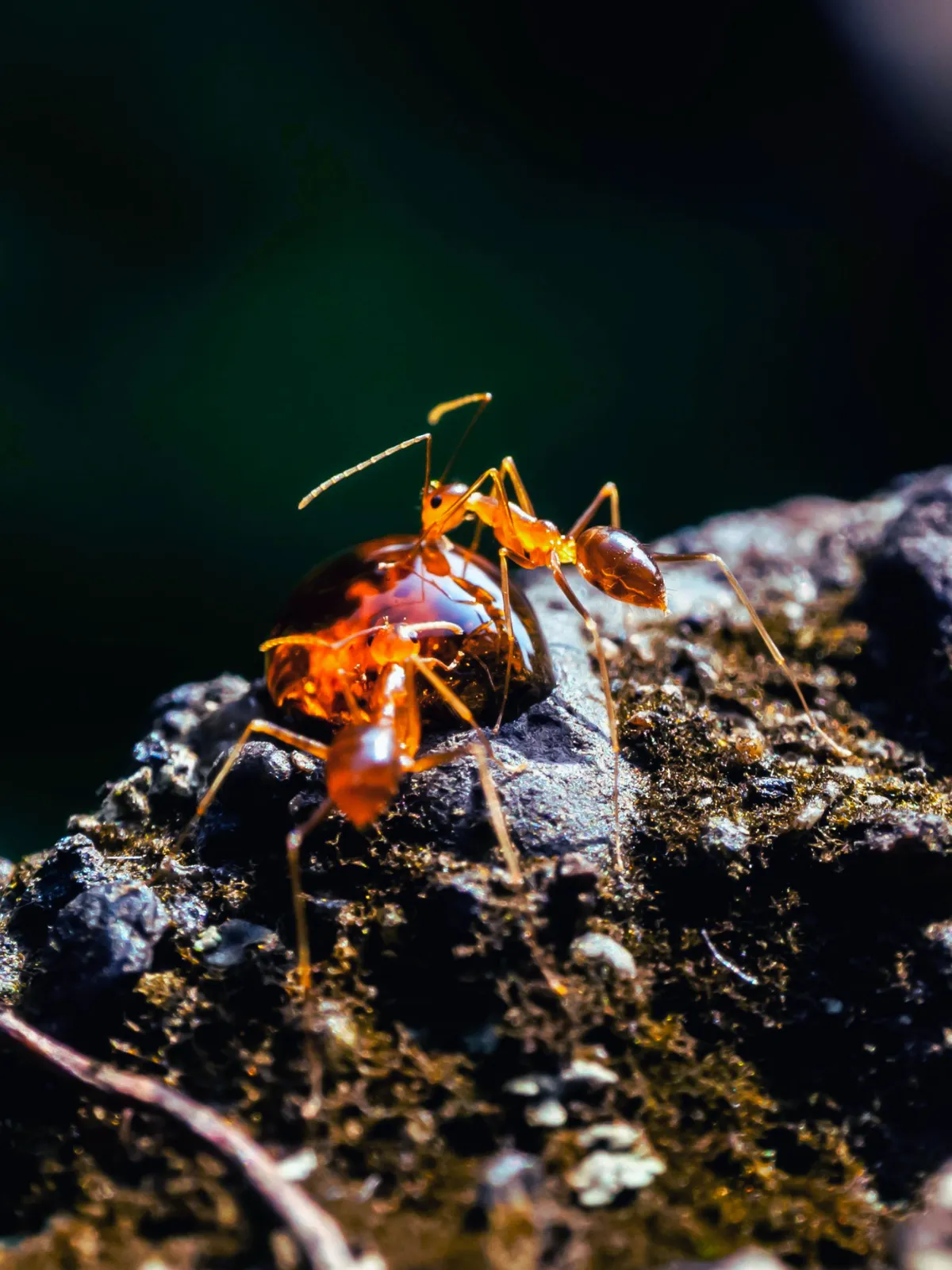
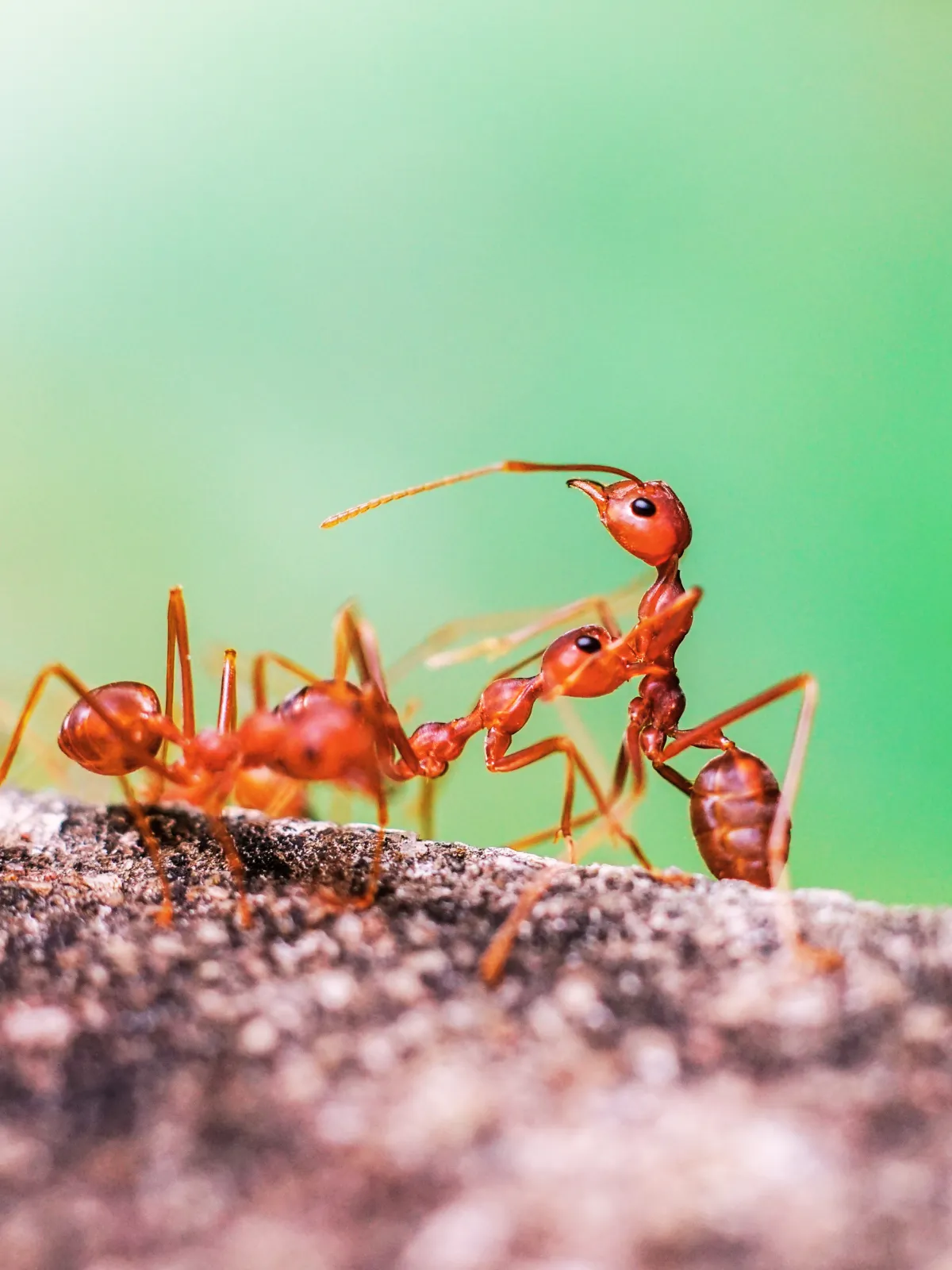
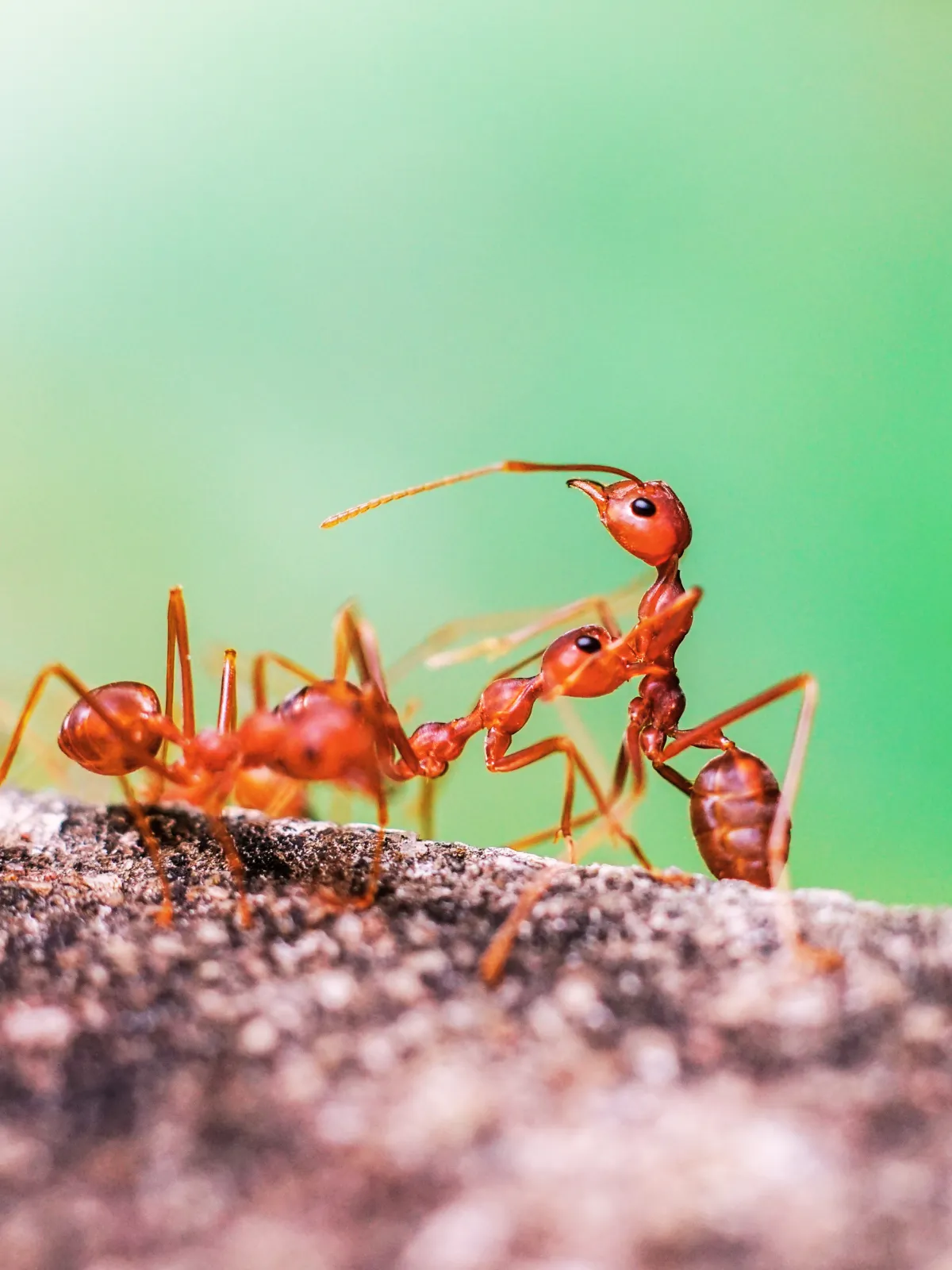
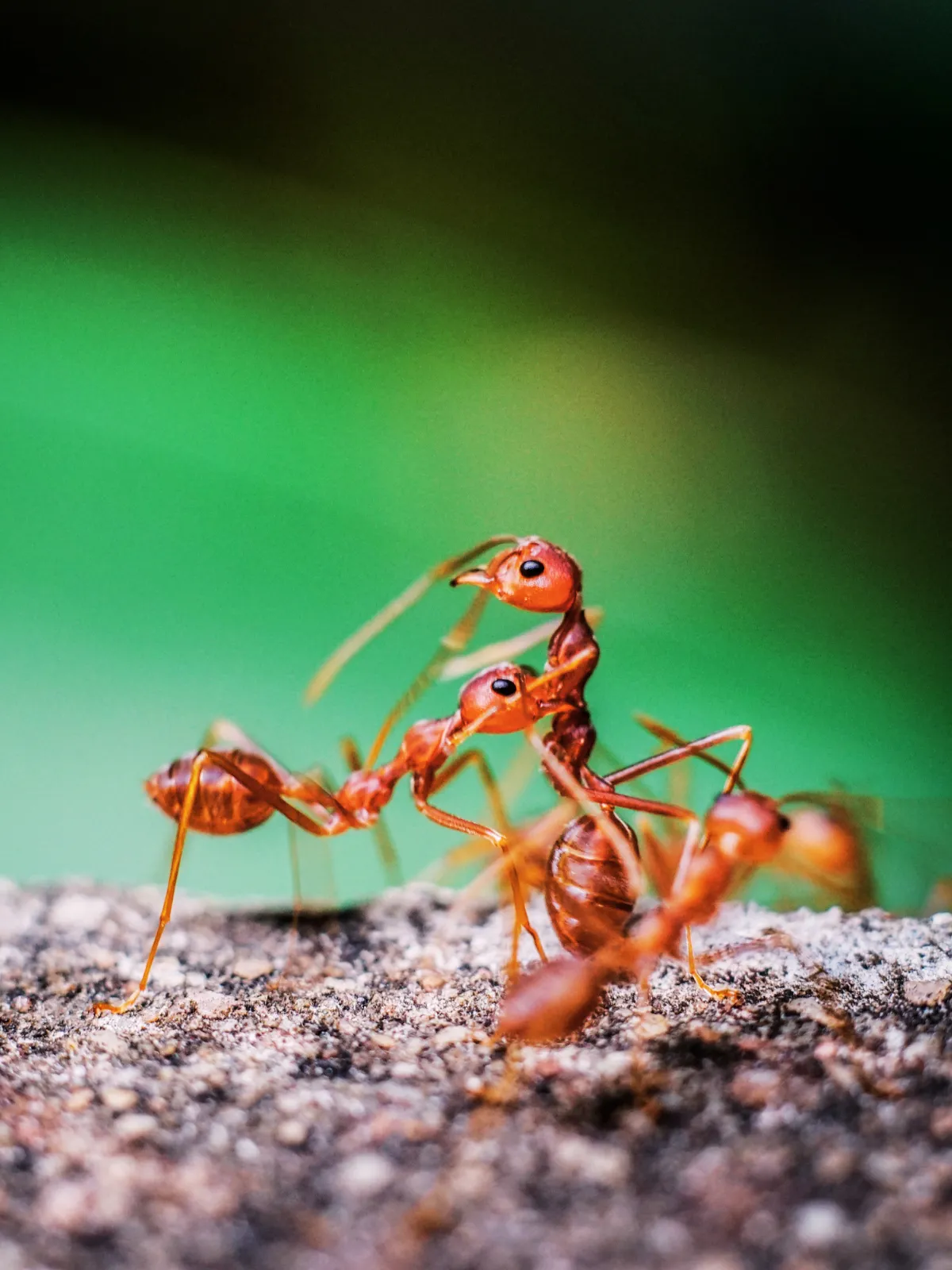
A macro shot of reddish-orange weaver ants interacting on a stone surface. One ant stands upright with mandibles open while another engages it closely, set against a smooth, bright green background.Medium

Fire Ant

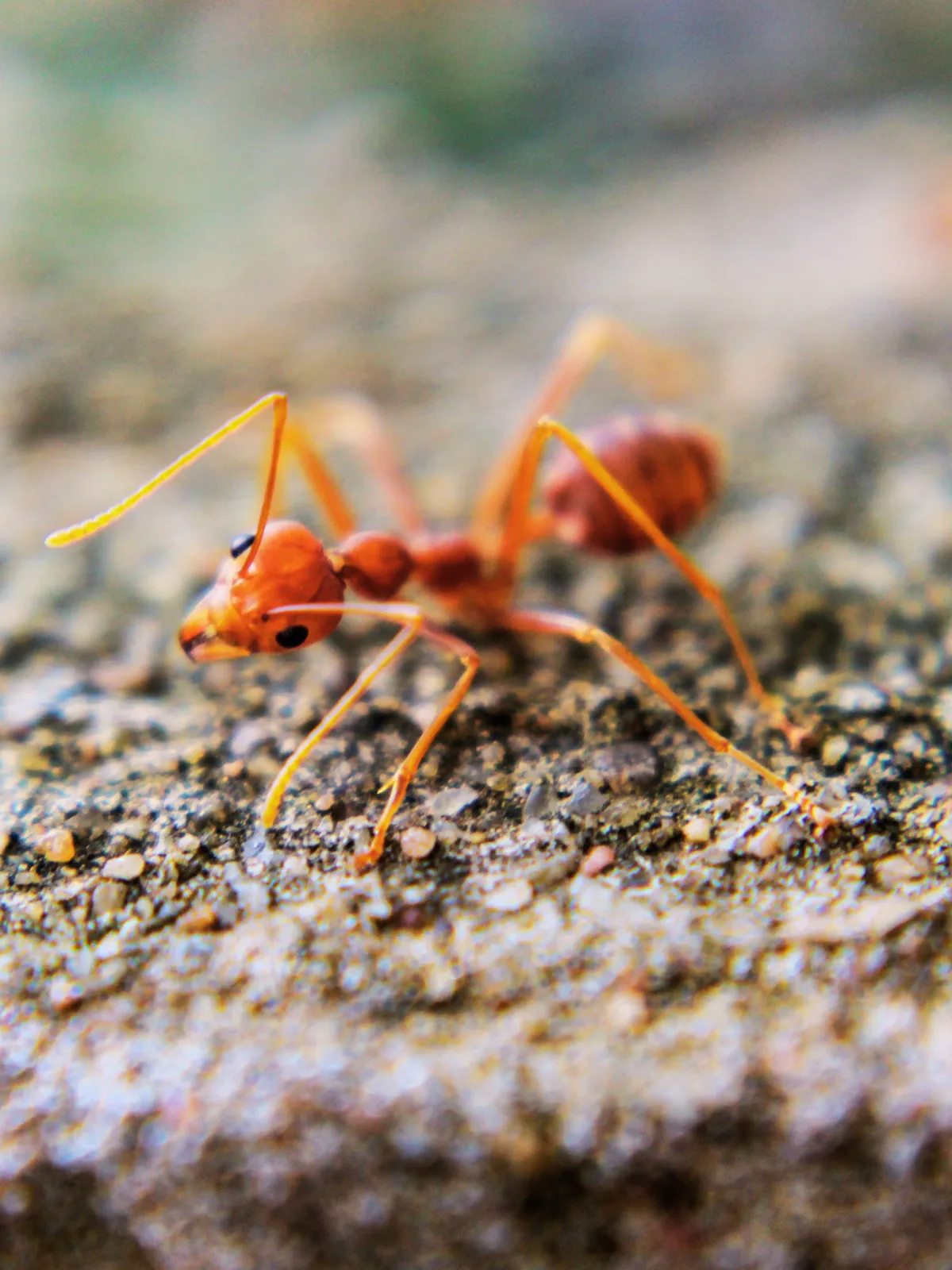
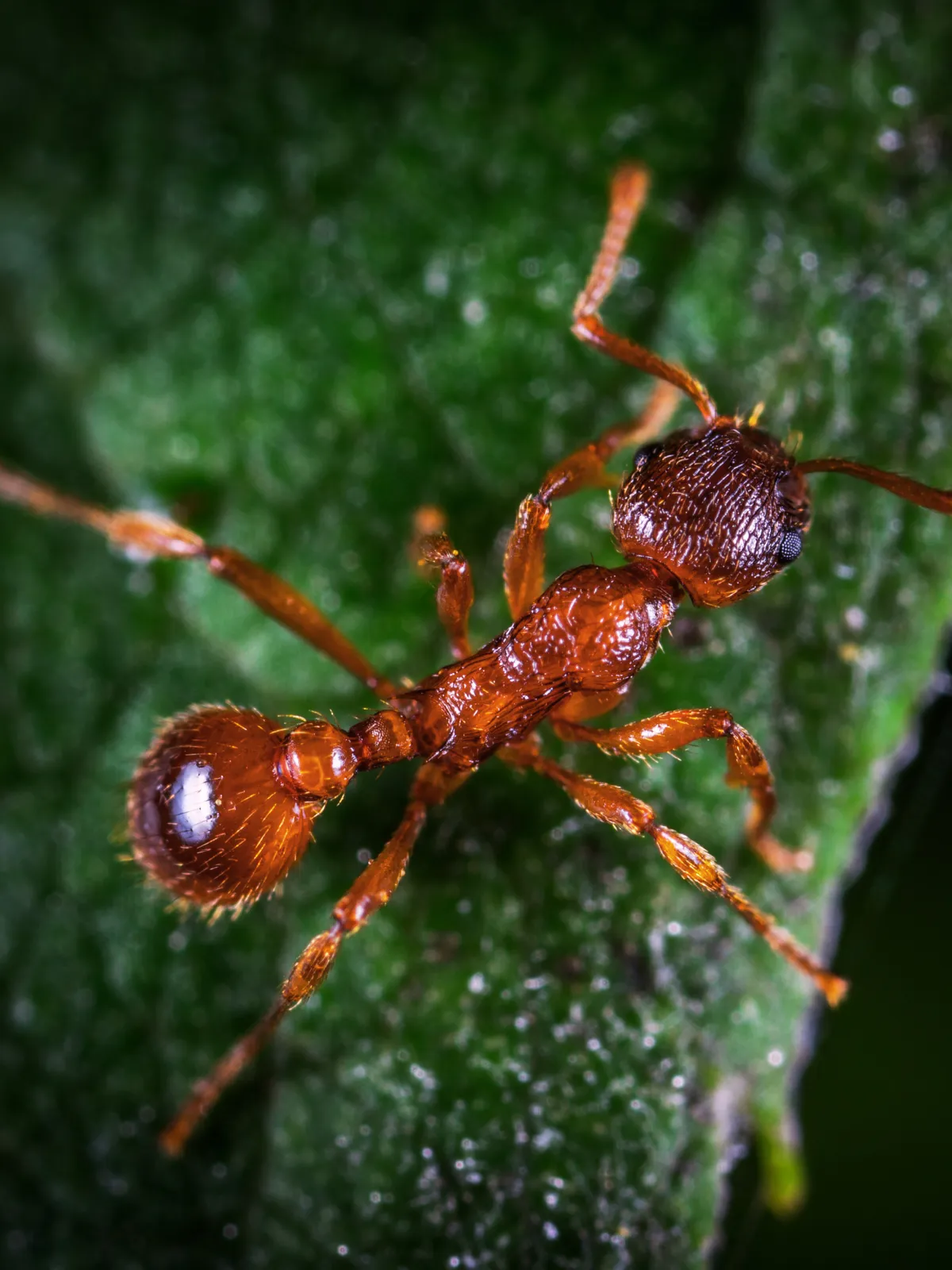
A detailed overhead shot showing the full anatomy of a reddish-brown ant. Its textured head, glossy abdomen, thin legs, and fine body hairs are sharply focused against a dark green, textured leaf.Hard

Fire Ant