












Wildari Planet
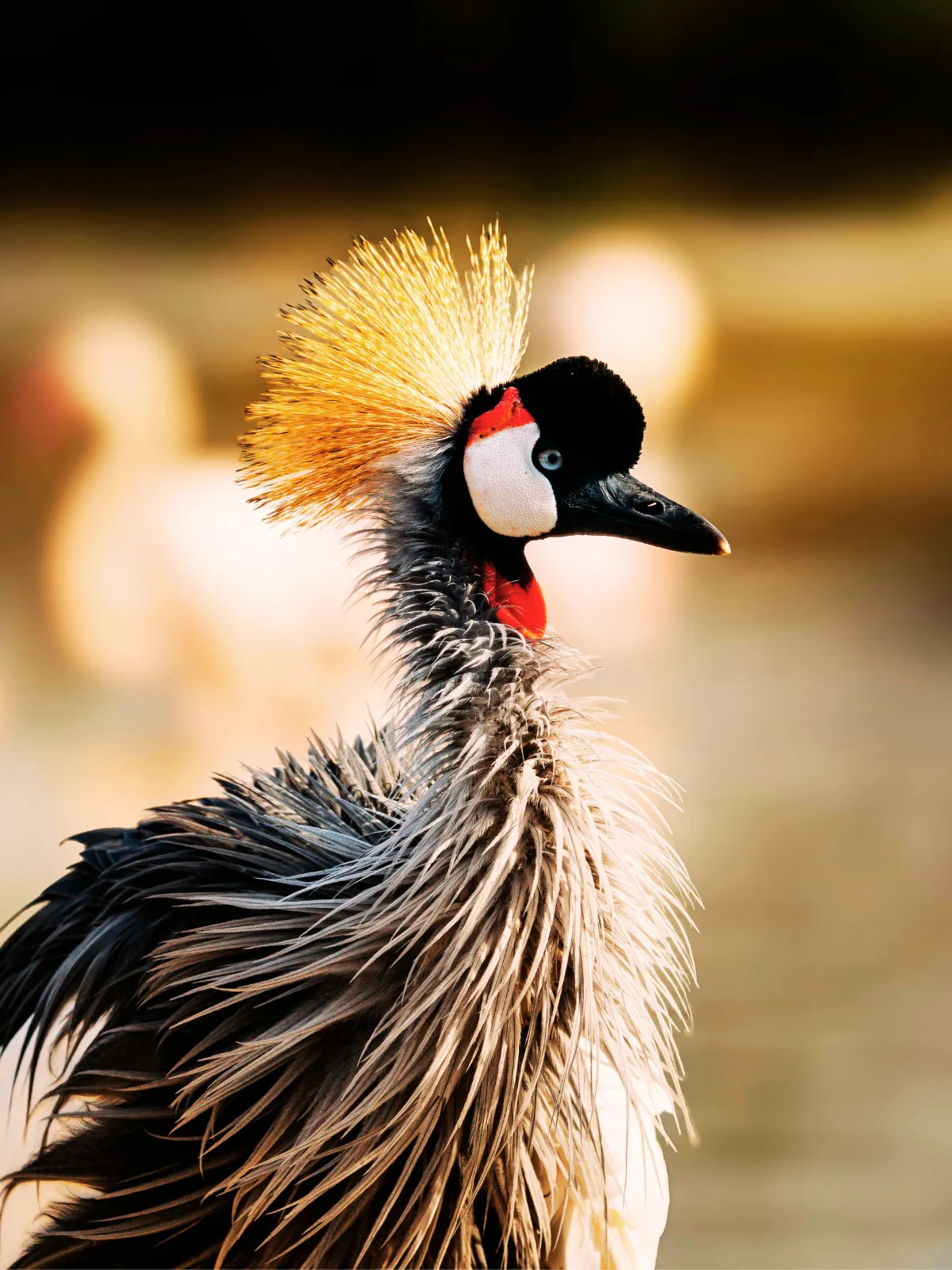
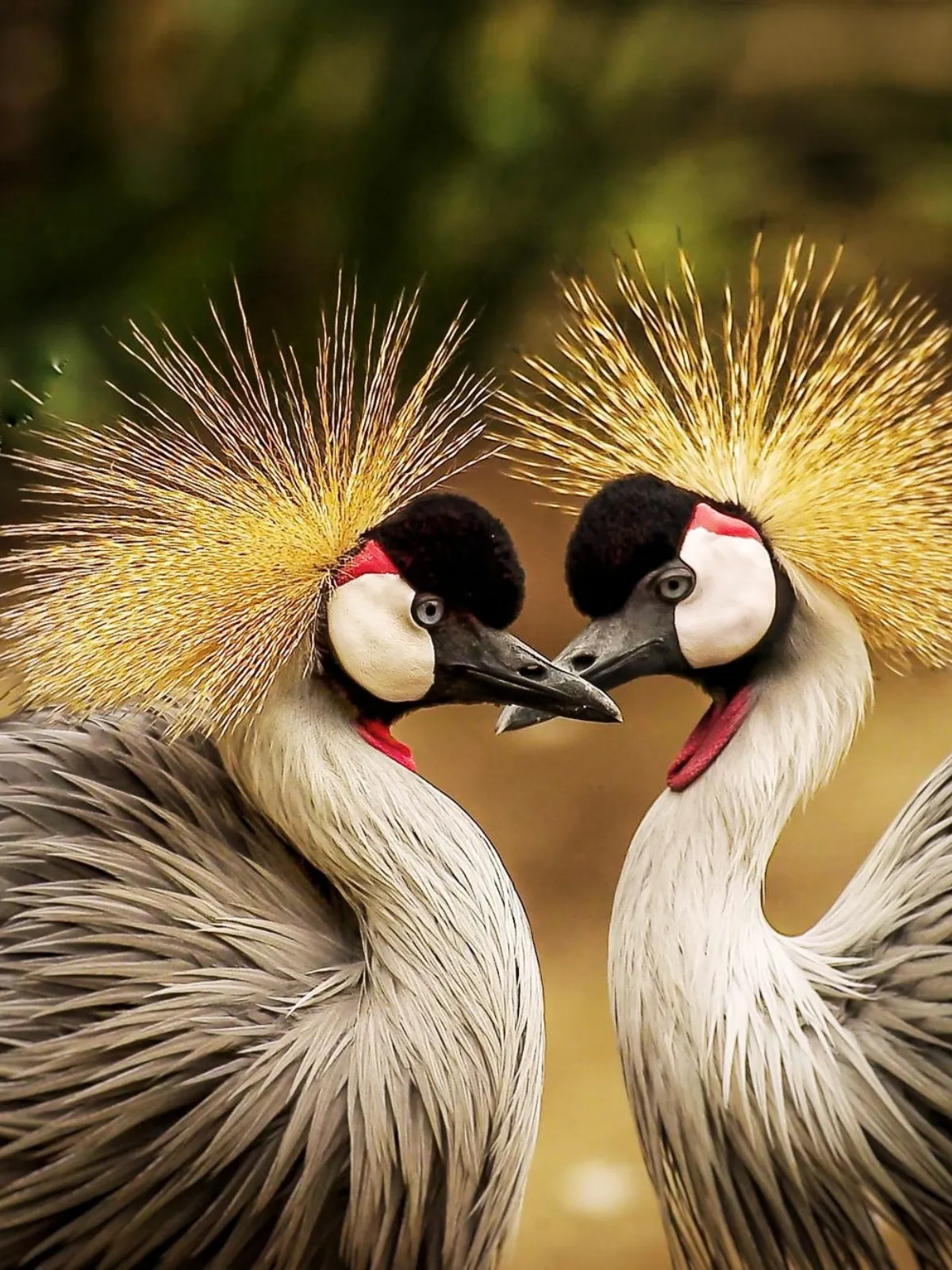
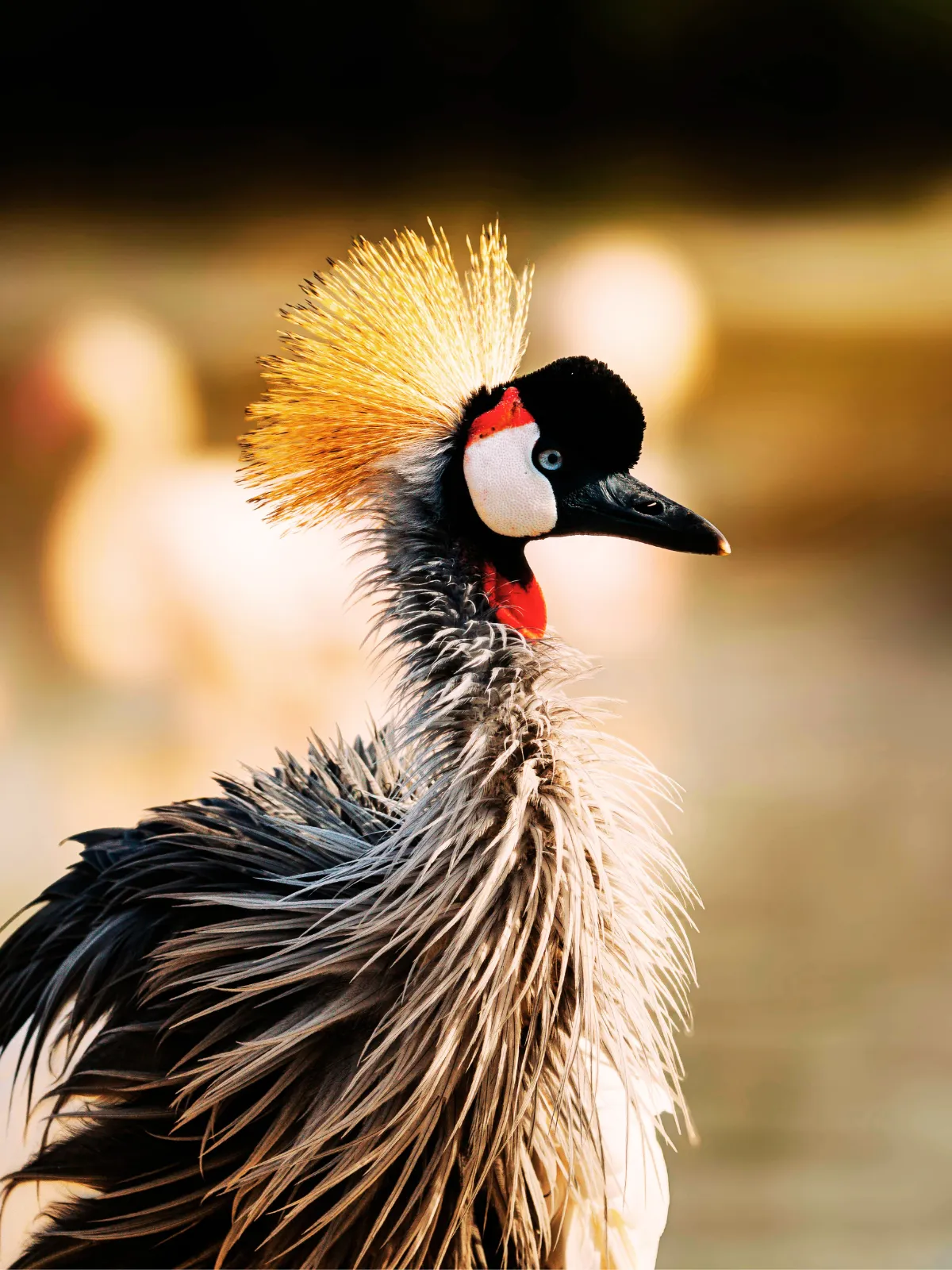
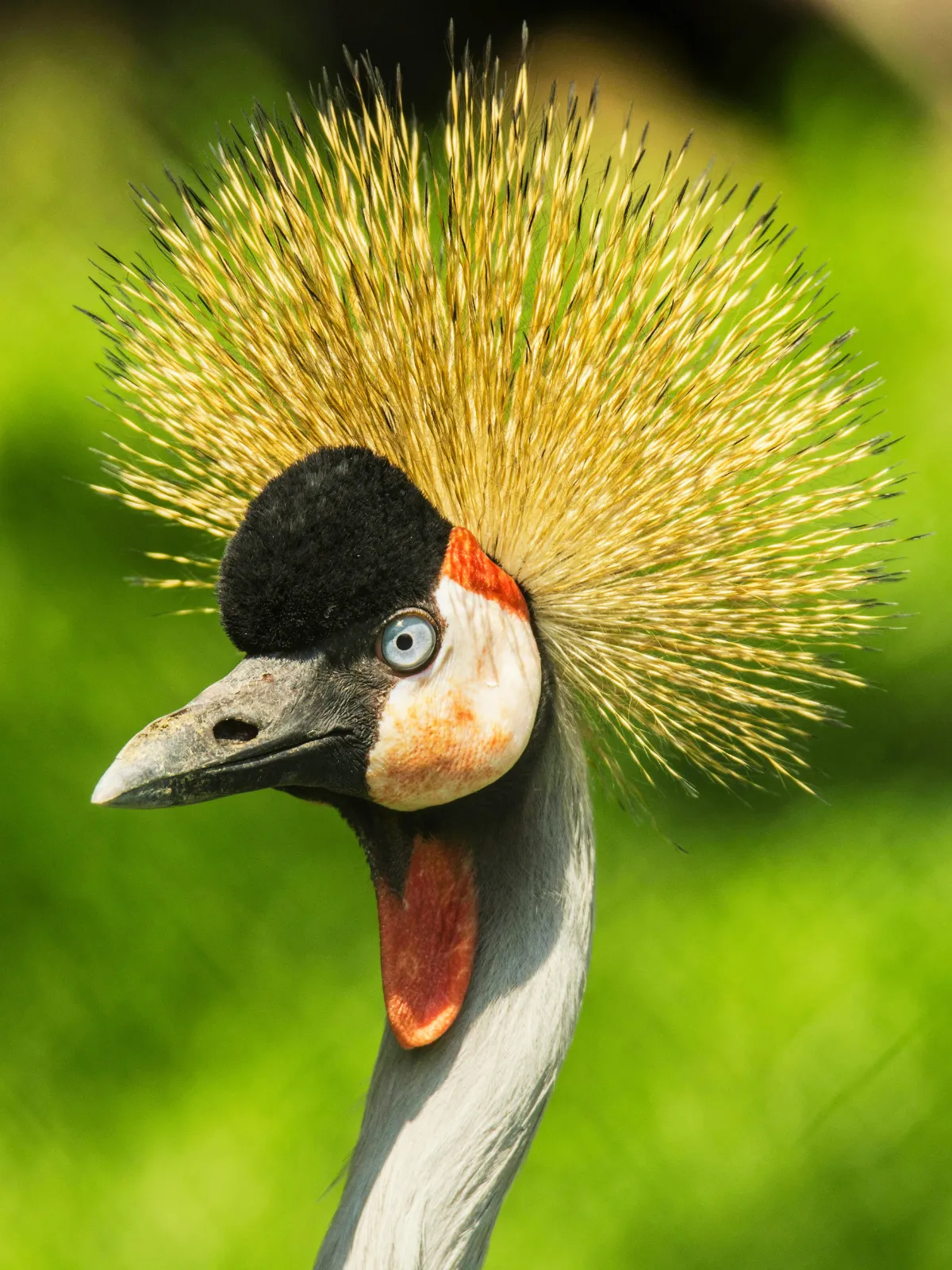
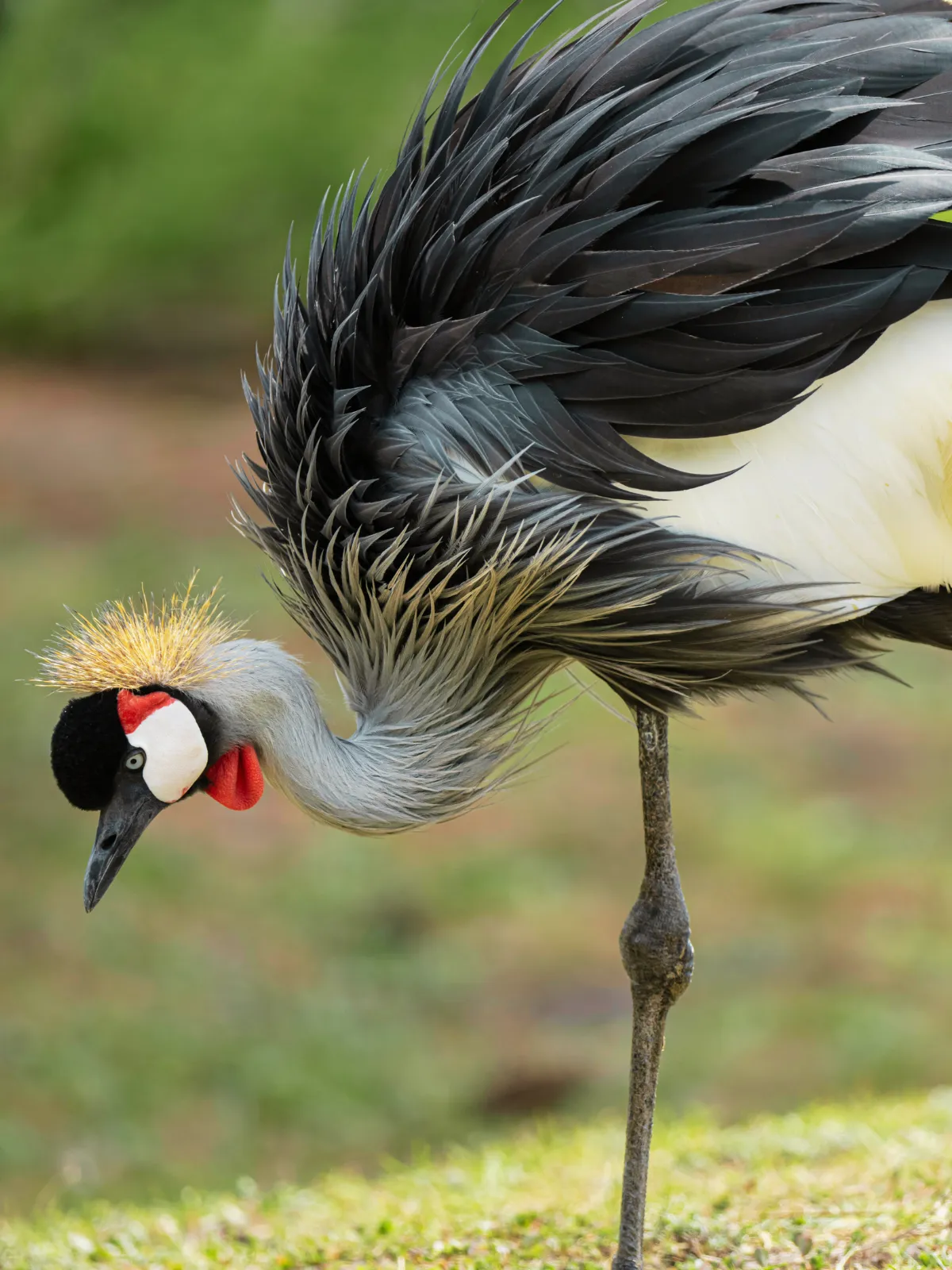
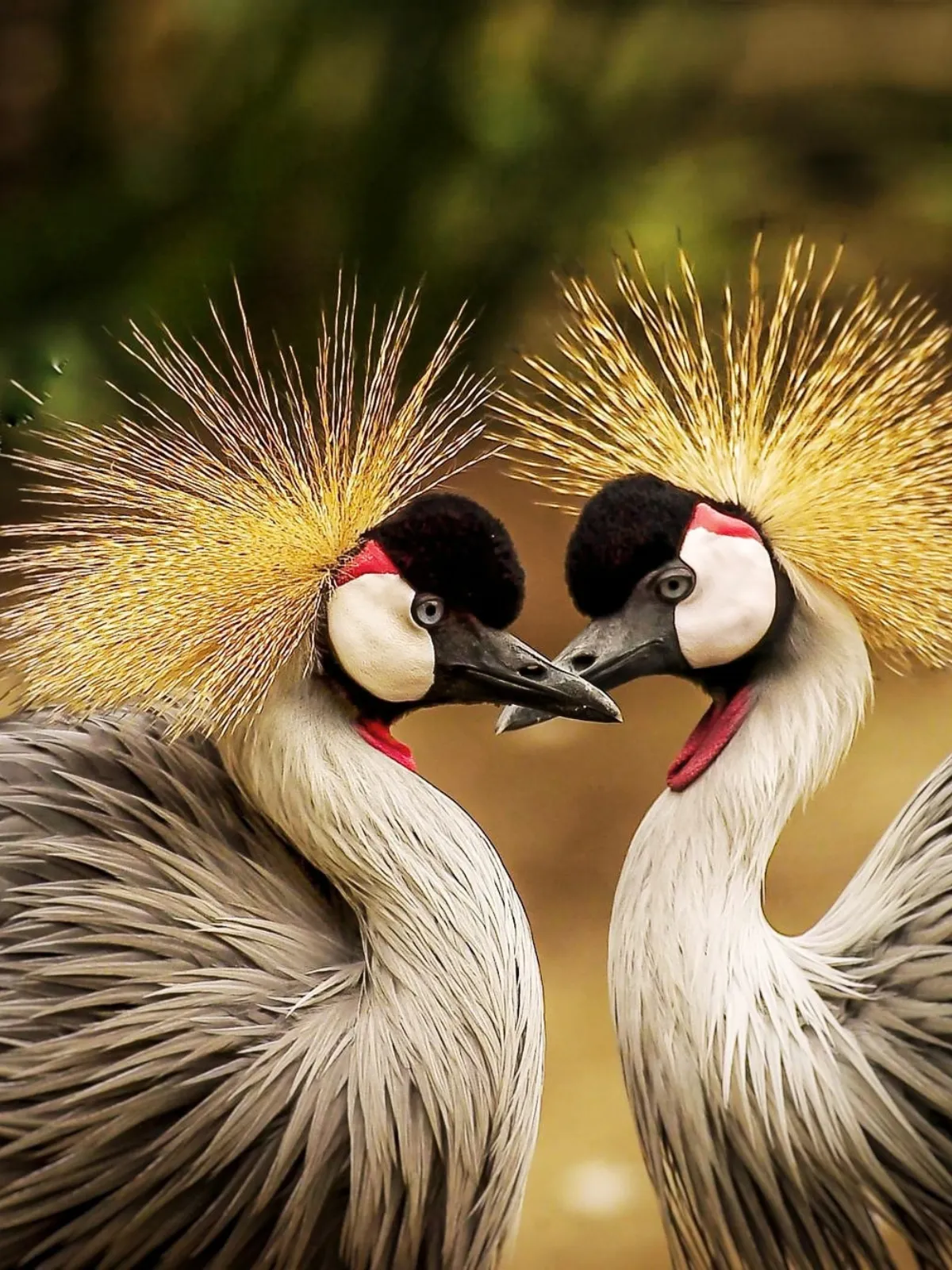
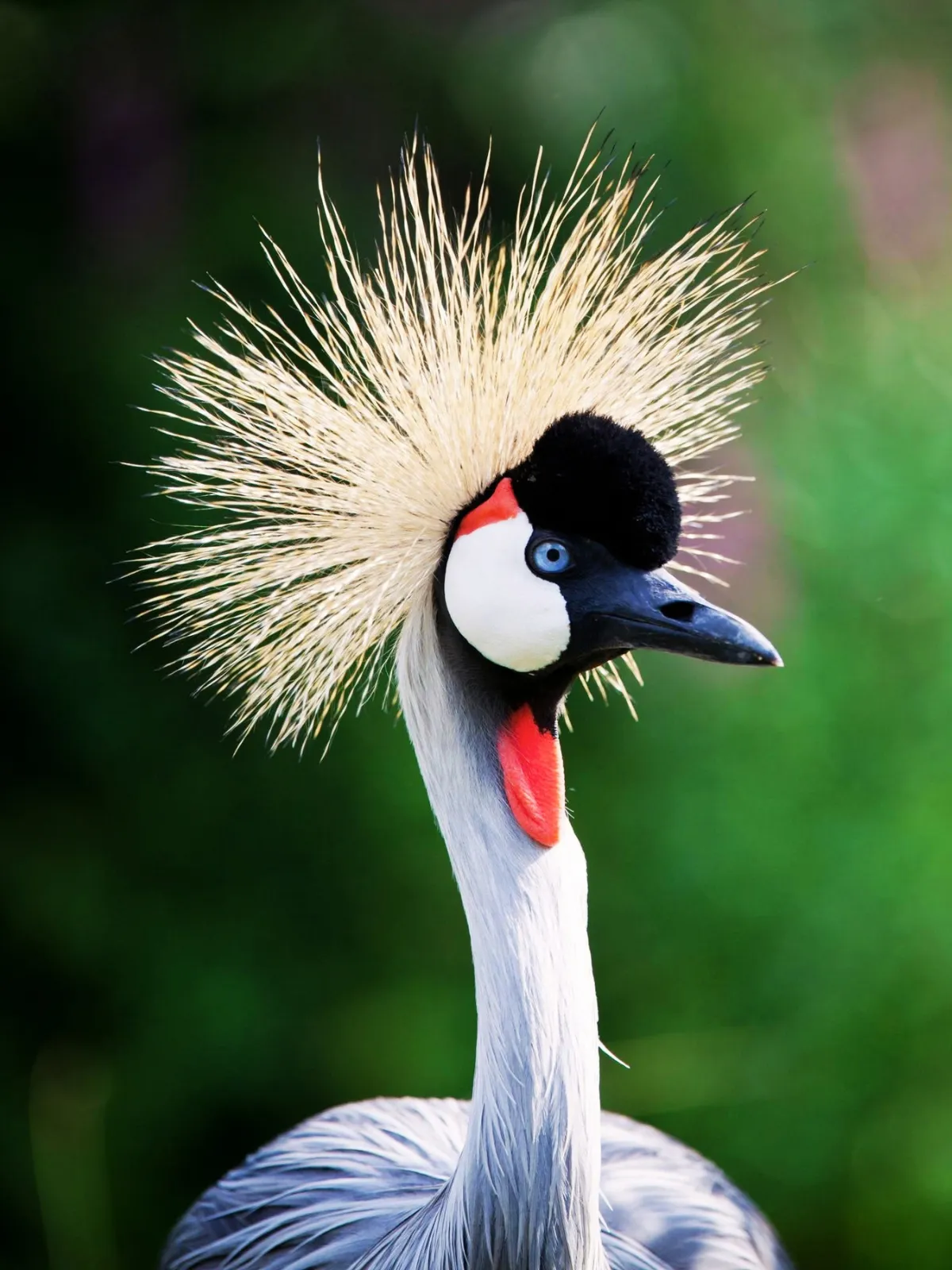
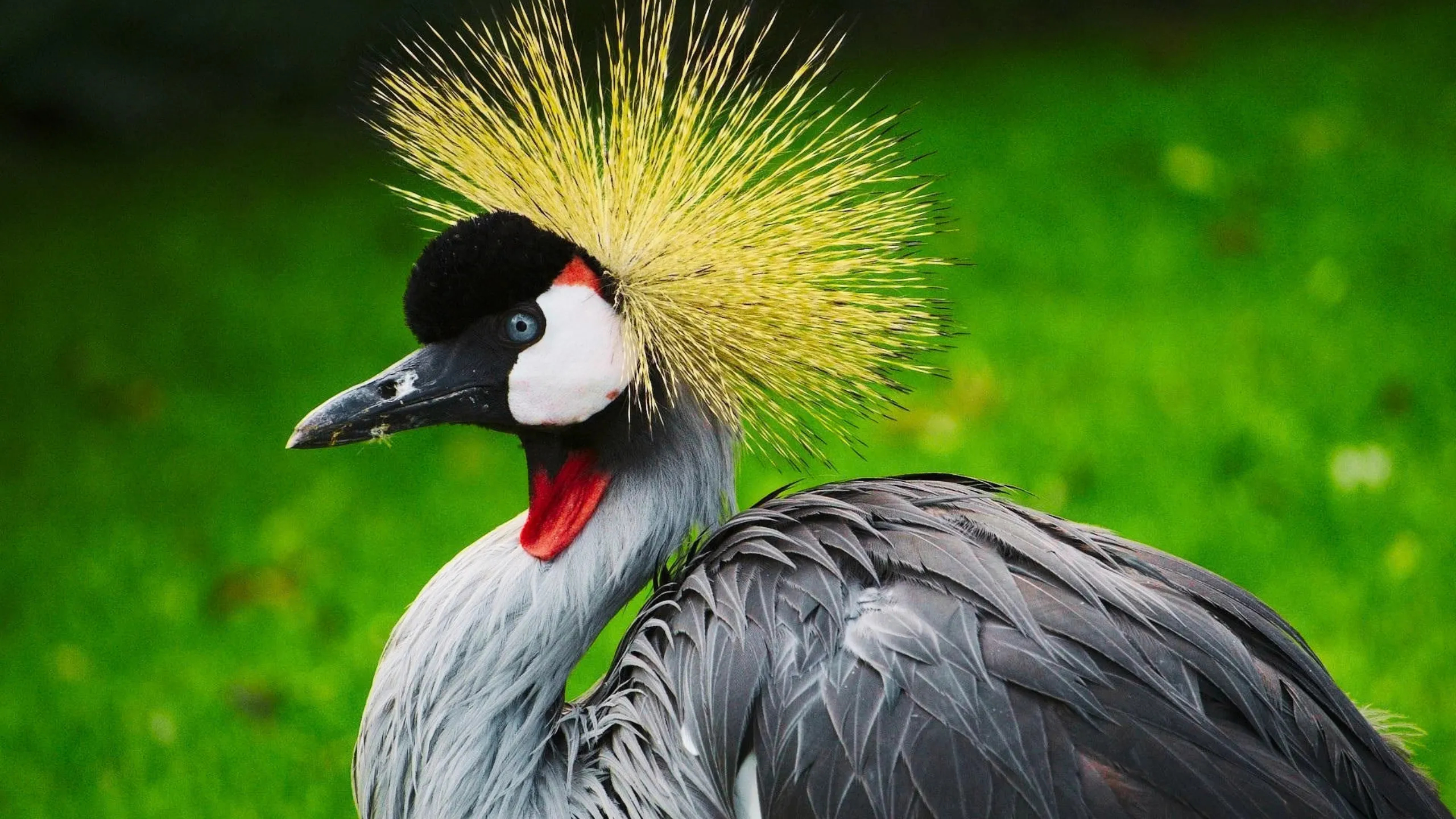
Close-up profile of a grey crowned crane showing its striking, fan-shaped golden crown of stiff feathers. The head features a black forehead, a white-and-pink cheek patch, a bright blue eye, a red throat wattle, and soft grey neck feathers set against a vibrant green background.
AfricaBirdsEndangered

Grey-Crowned Crane

Where Grey-Crowned Cranes Live

Continent: Africa

Wetlands, marshes, grasslands, and agricultural fields across eastern and southern sub-Saharan Africa, including Uganda, Kenya, Tanzania, Rwanda, South Africa, Zimbabwe, Zambia, and Botswana.

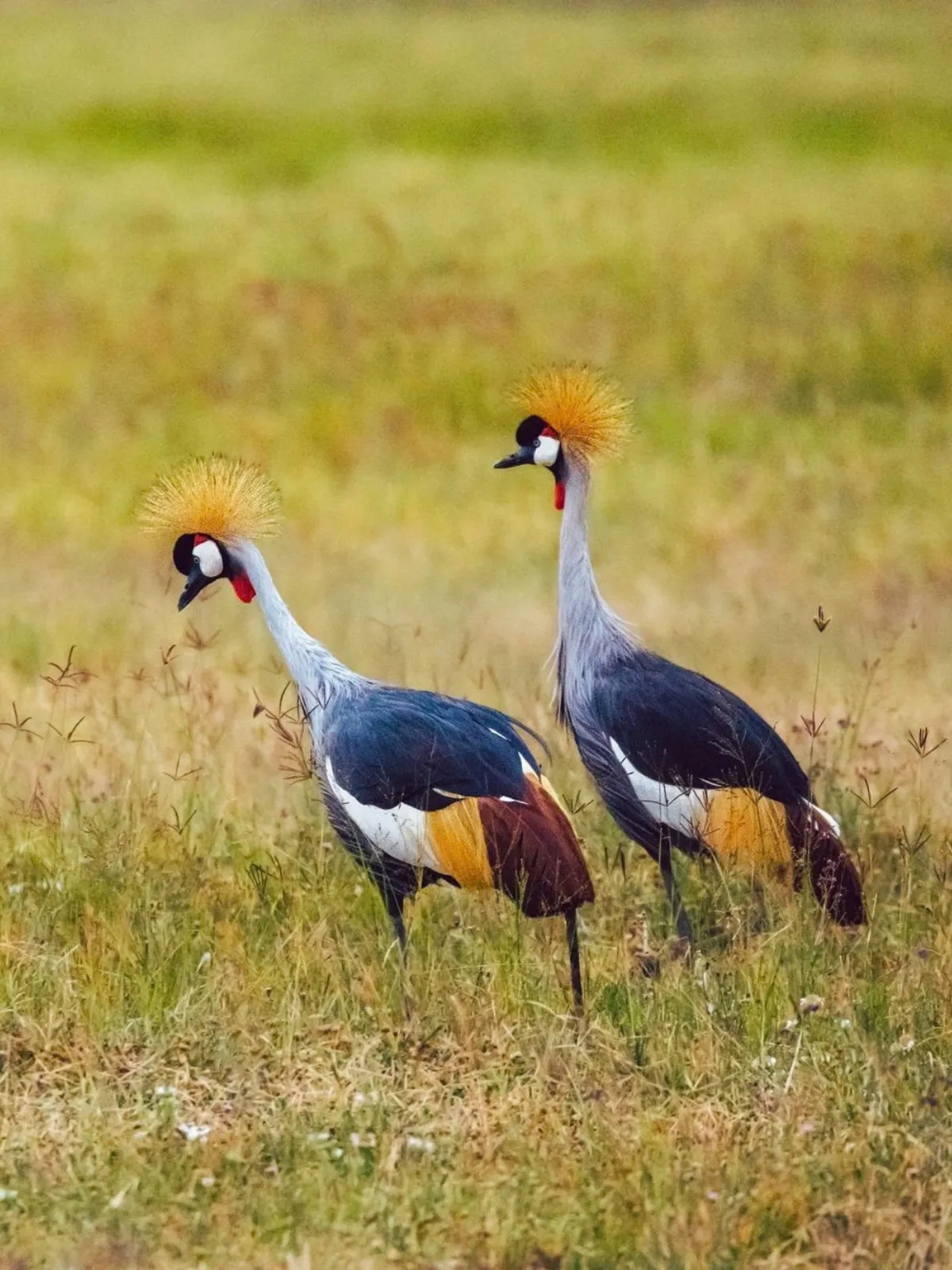
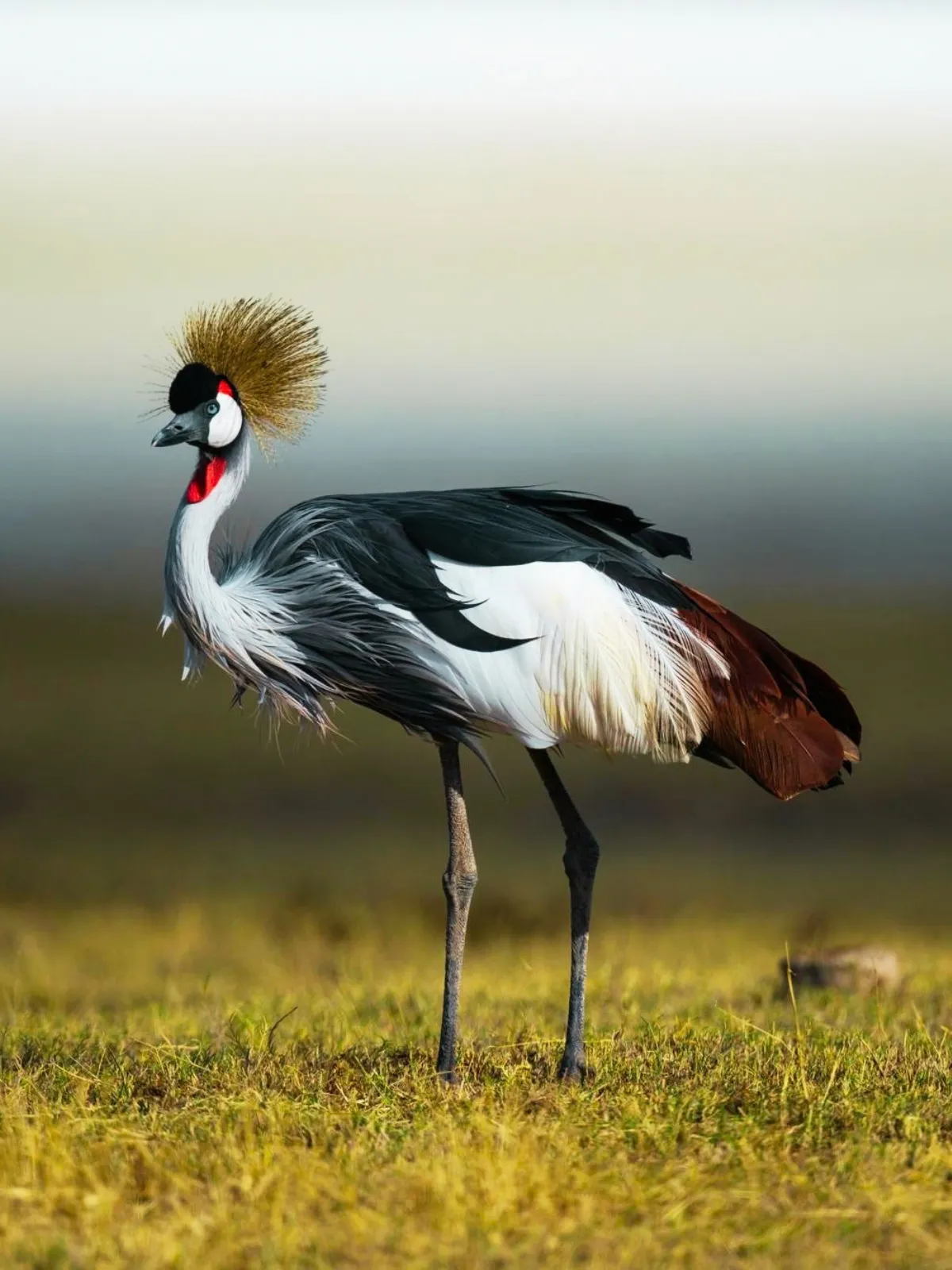
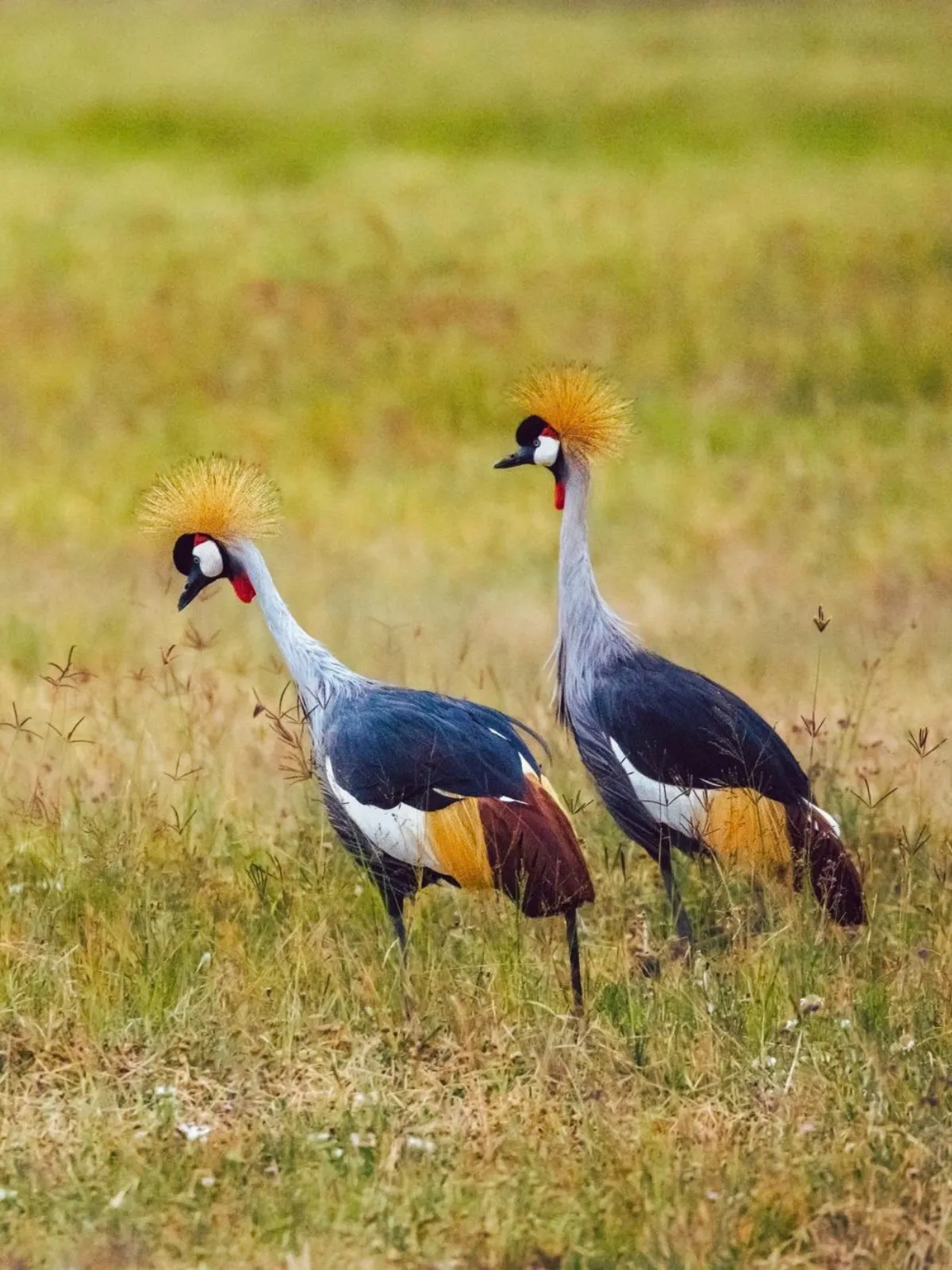
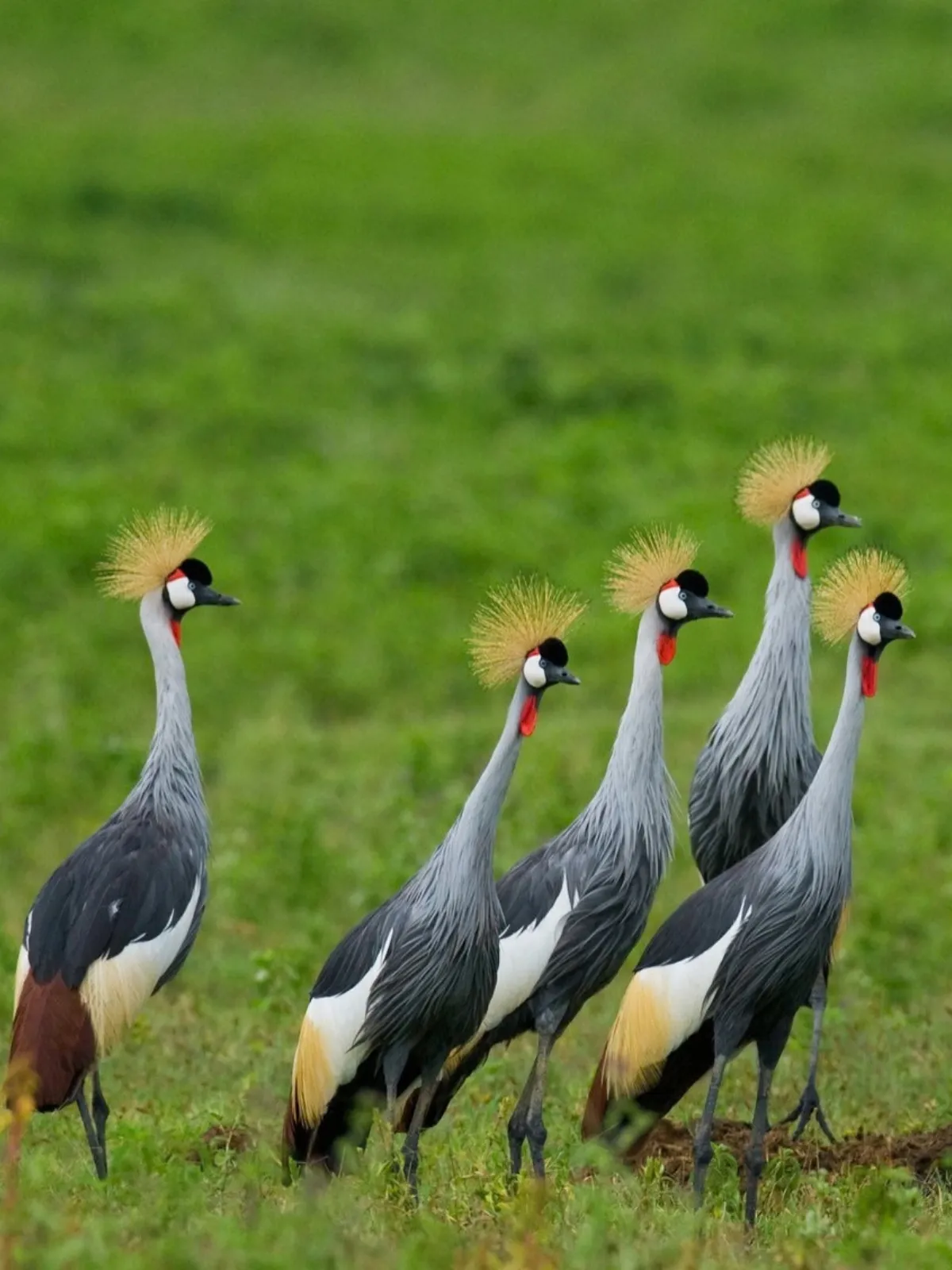
The grey crowned crane is one of Africa's most visually striking birds, instantly recognizable by its spiky crown of golden feathers and vivid red throat pouch. It's the national bird of Uganda, appearing on the country's flag, and holds deep cultural significance as a symbol of wisdom, longevity, and good fortune across eastern and southern Africa. Unlike most cranes, it's able to perch and roost in trees thanks to a unique long hind toe. Sadly, it's also one of the fastest-declining crane species on Earth, driven largely by habitat loss and illegal capture for trade.

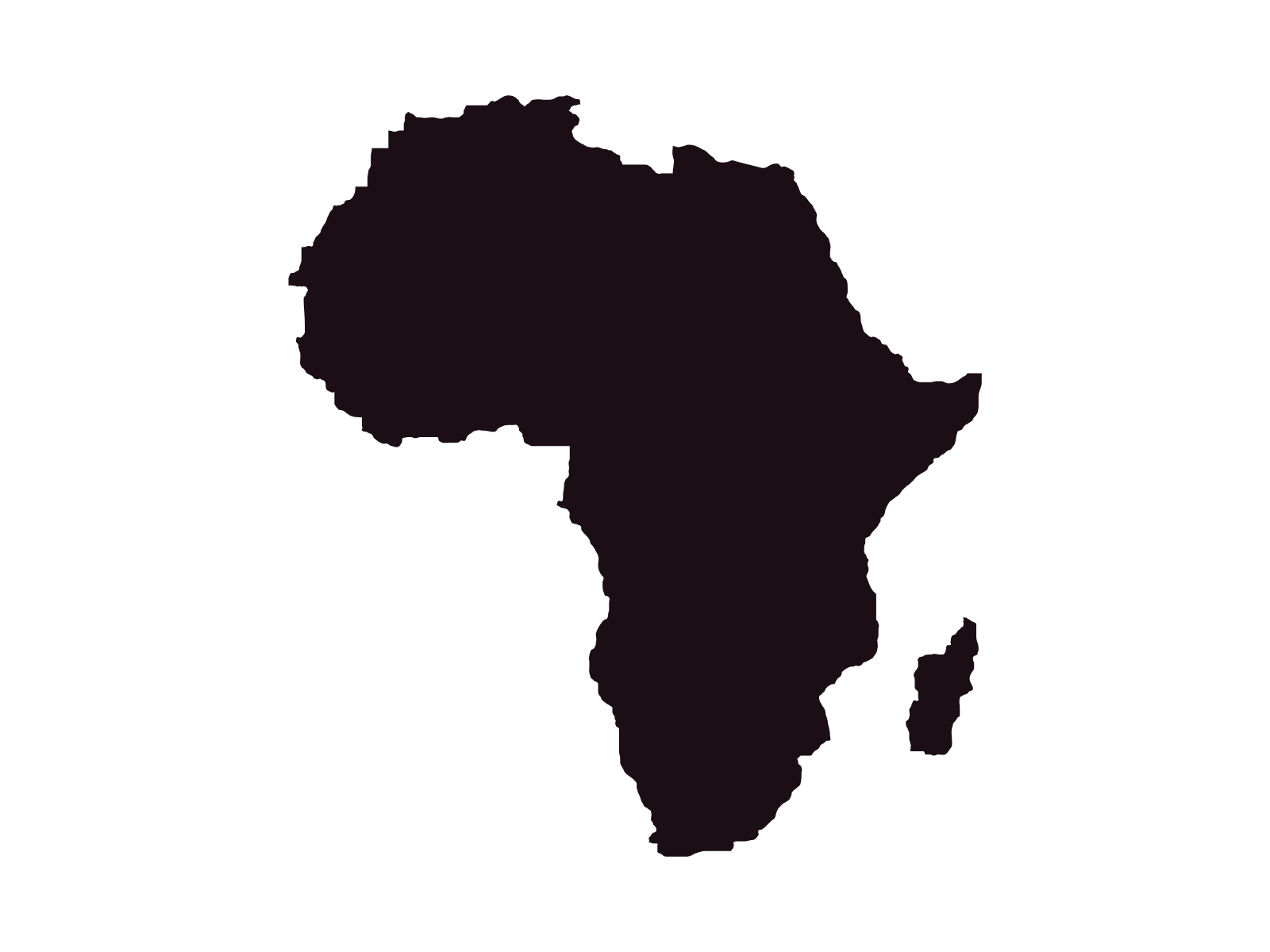
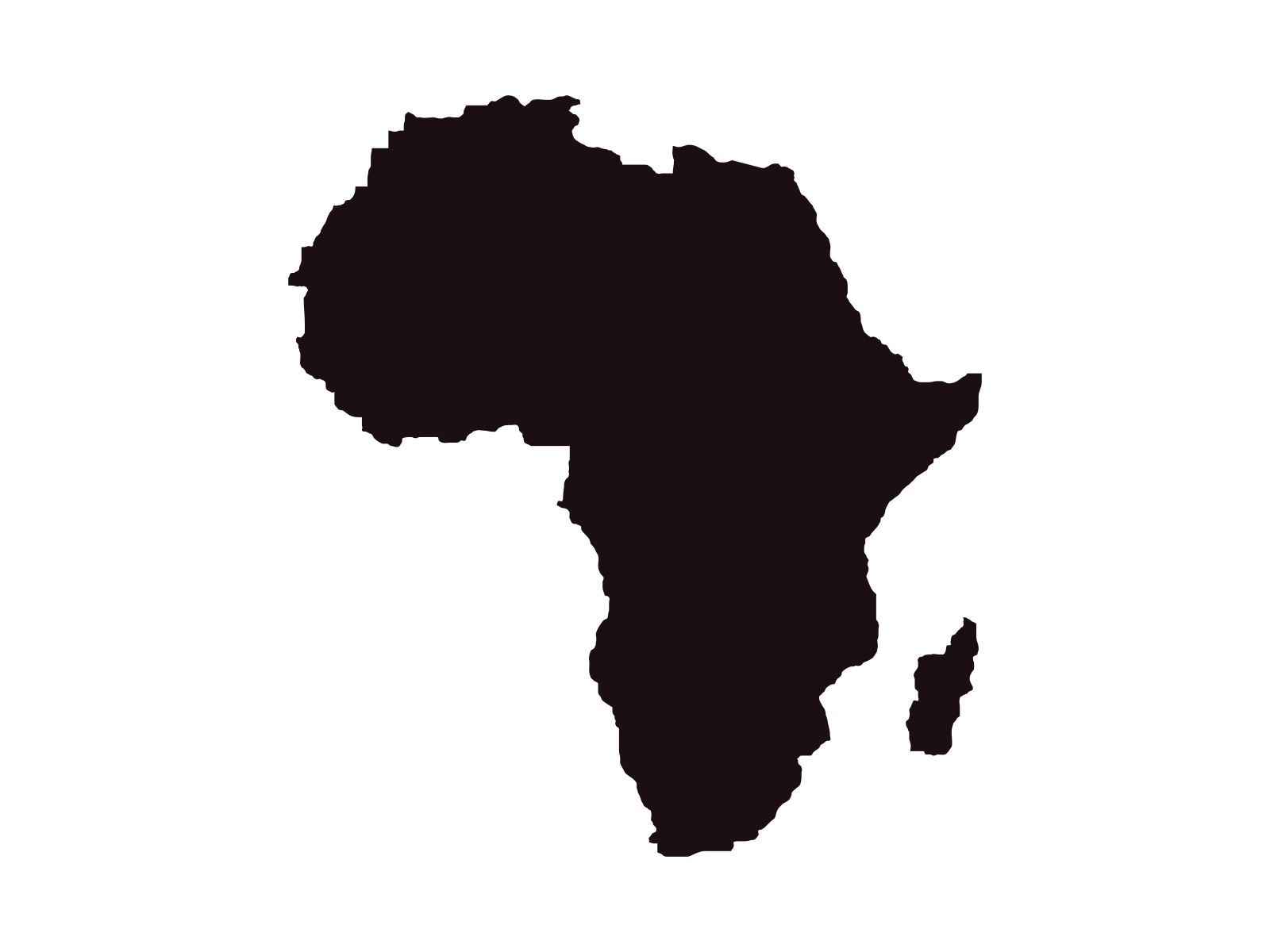
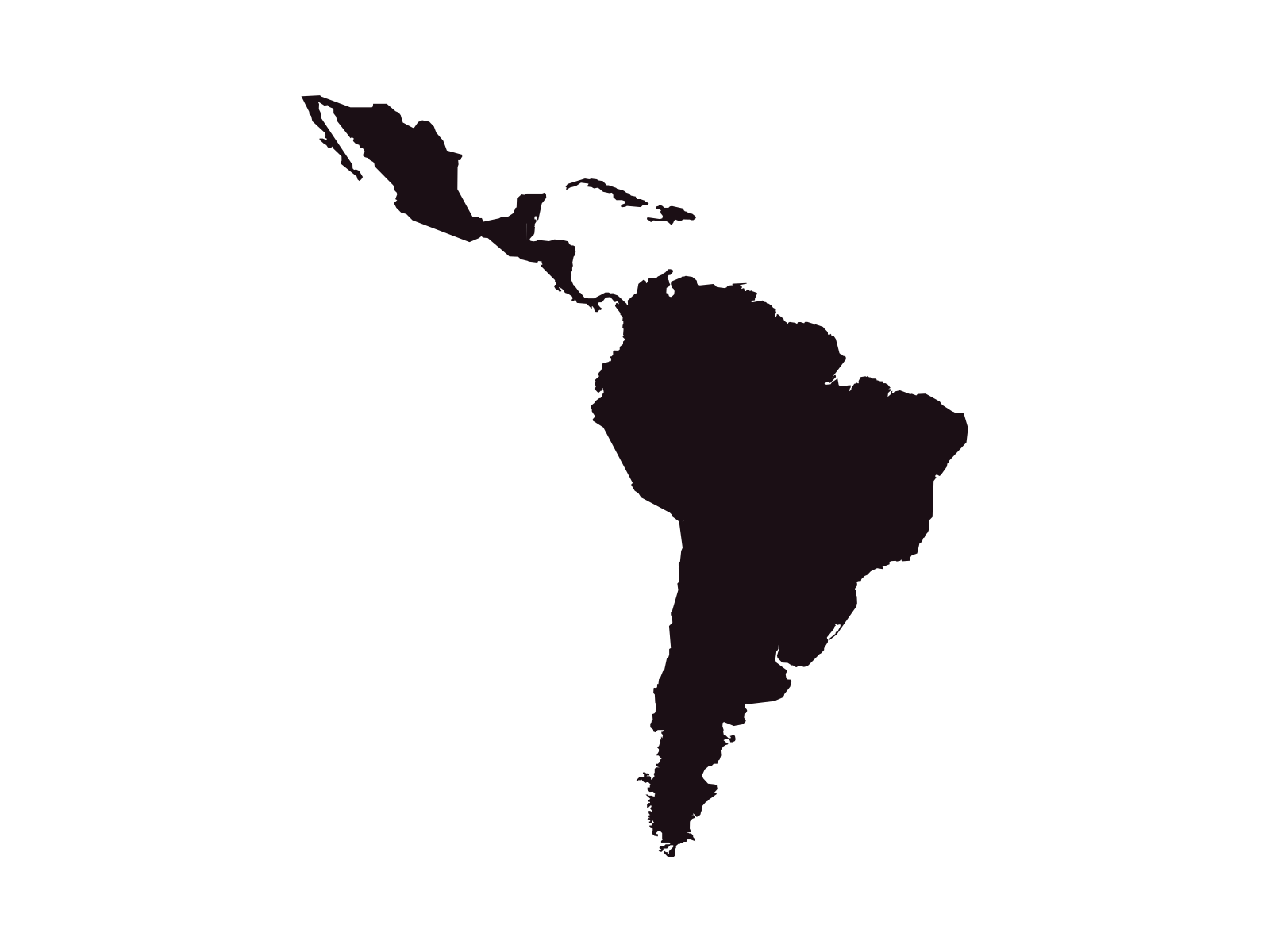
The silhouette of Africa map on the white background.

Africa

Quick Facts

Wingspan icon
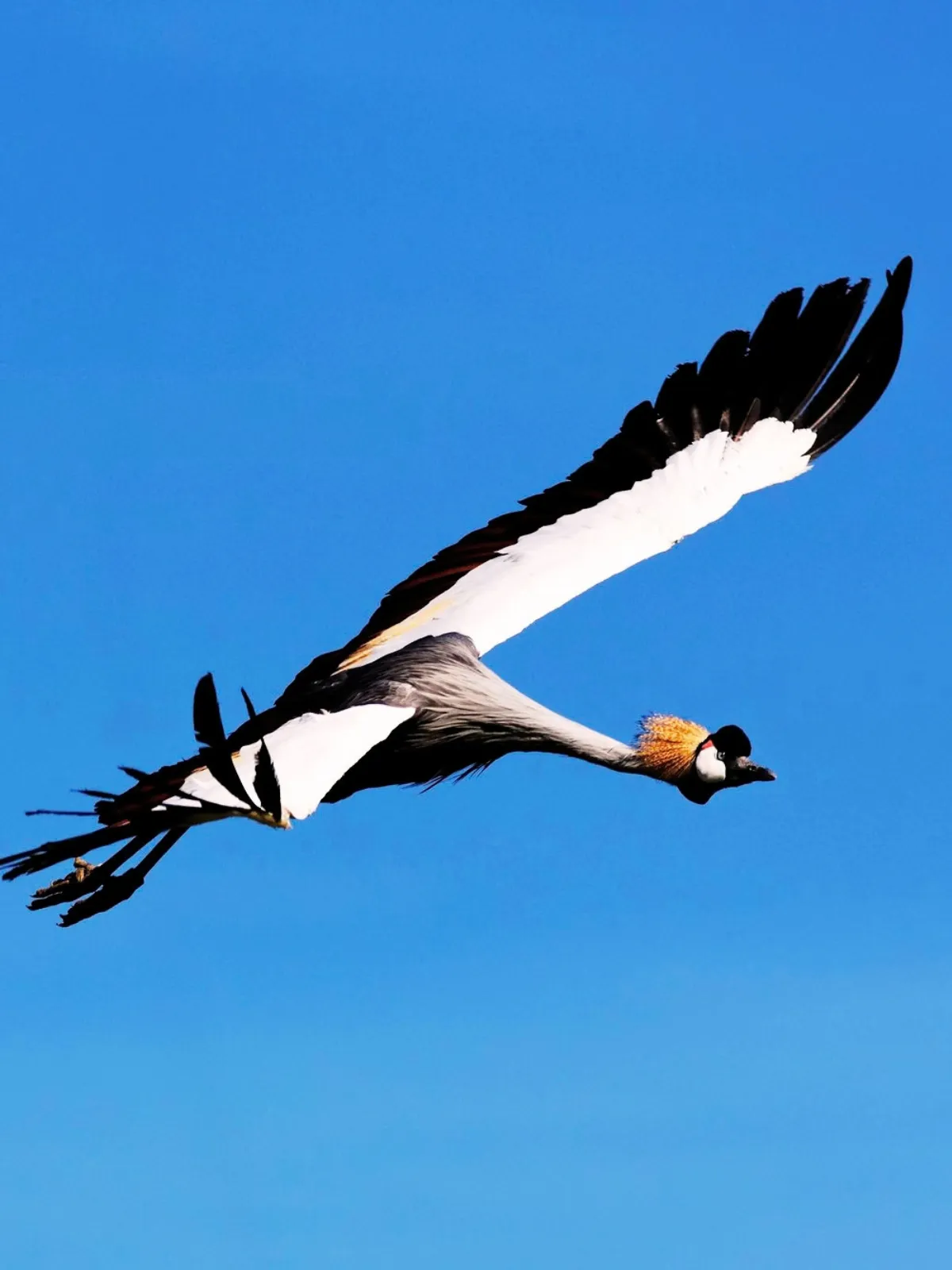
Wingspan180 to 200 cm (5.9 to 6.6 ft), broad wings for a bird about 1 m (3.3 ft) tall
Weight icon
WeightTypically 3 to 4 kg (6.6 to 8.8 lb), with males slightly larger than females
Lifespan icon
LifespanUp to about 22 years in the wild; up to 25 years in human care
Roosting icon
RoostingGrips branches with a long hind toe; one of only two cranes that roost in trees
Diet icon
DietGrass seeds, insects, frogs, lizards, worms, and crops like maize
Clutch icon
Clutch2 to 5 eggs, incubated 28 to 31 days and shared by both parents
Population icon
PopulationFrom 30,000 to 37,000 birds, with 20,000 to 25,000 mature adults
Range icon
RangeFrom Uganda and Kenya, to Angola, and South Africa, across open grasslands

Conservation Status

EXExtinct
EWExtinct in the Wild
CRCritically Endangered
ENEndangered
VUVulnerable
NTNear Threatened
LCLeast Concern
NENot Evaluated

How Grey-Crowned Cranes Survive in the Wild

1 / 3

Social Lives of Grey-Crowned Cranes

1 / 3

Photo Gallery

Flashcards

Quiz Yourself on Grey-Crowned Crane

Pick a difficulty level and test what you've learned.

Close-up profile of a grey crowned crane showing its striking, fan-shaped golden crown of stiff feathers. The head features a black forehead, a white-and-pink cheek patch, a bright blue eye, a red throat wattle, and soft grey neck feathers set against a vibrant green background.Easy

Grey-Crowned Crane

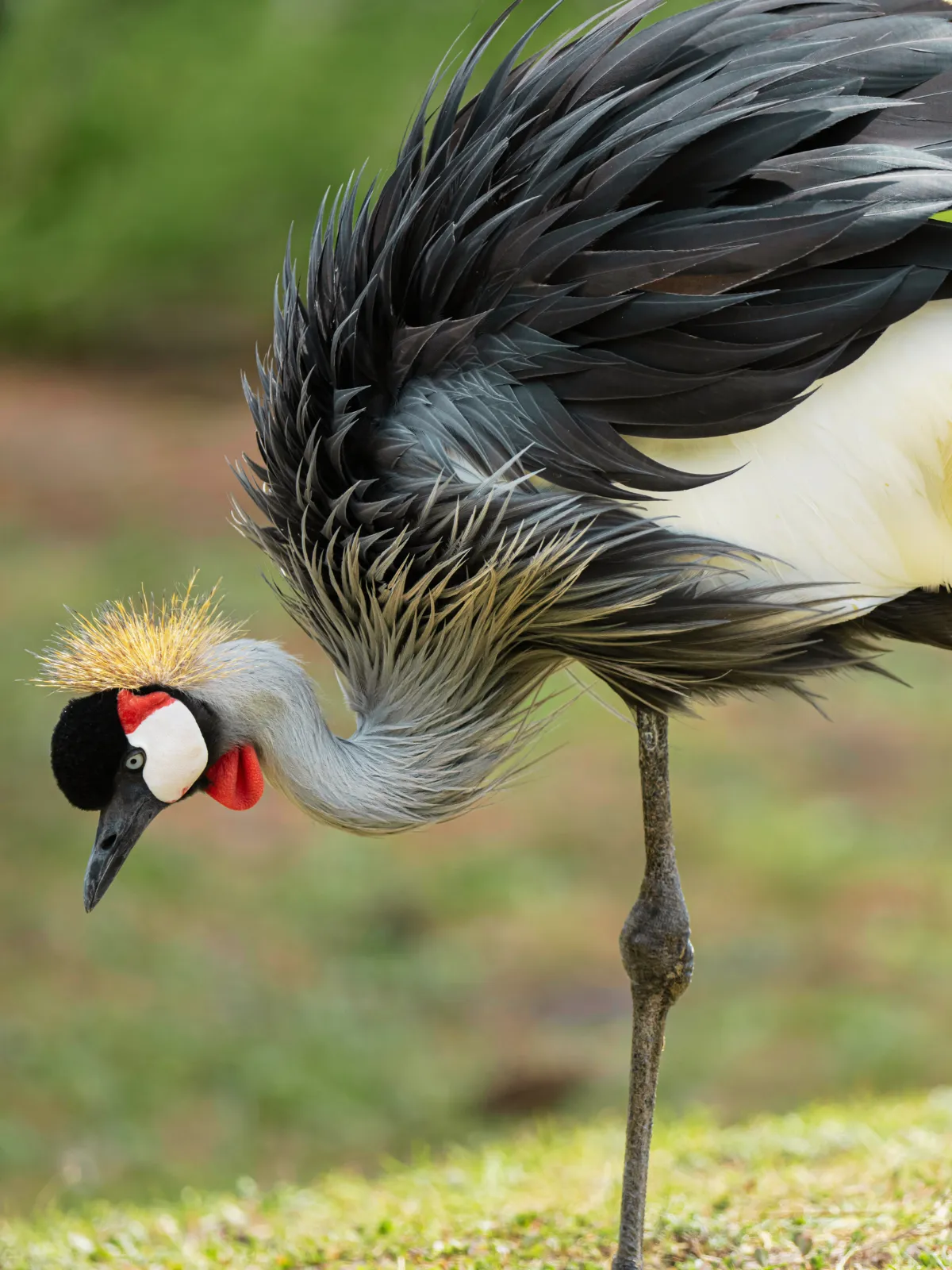
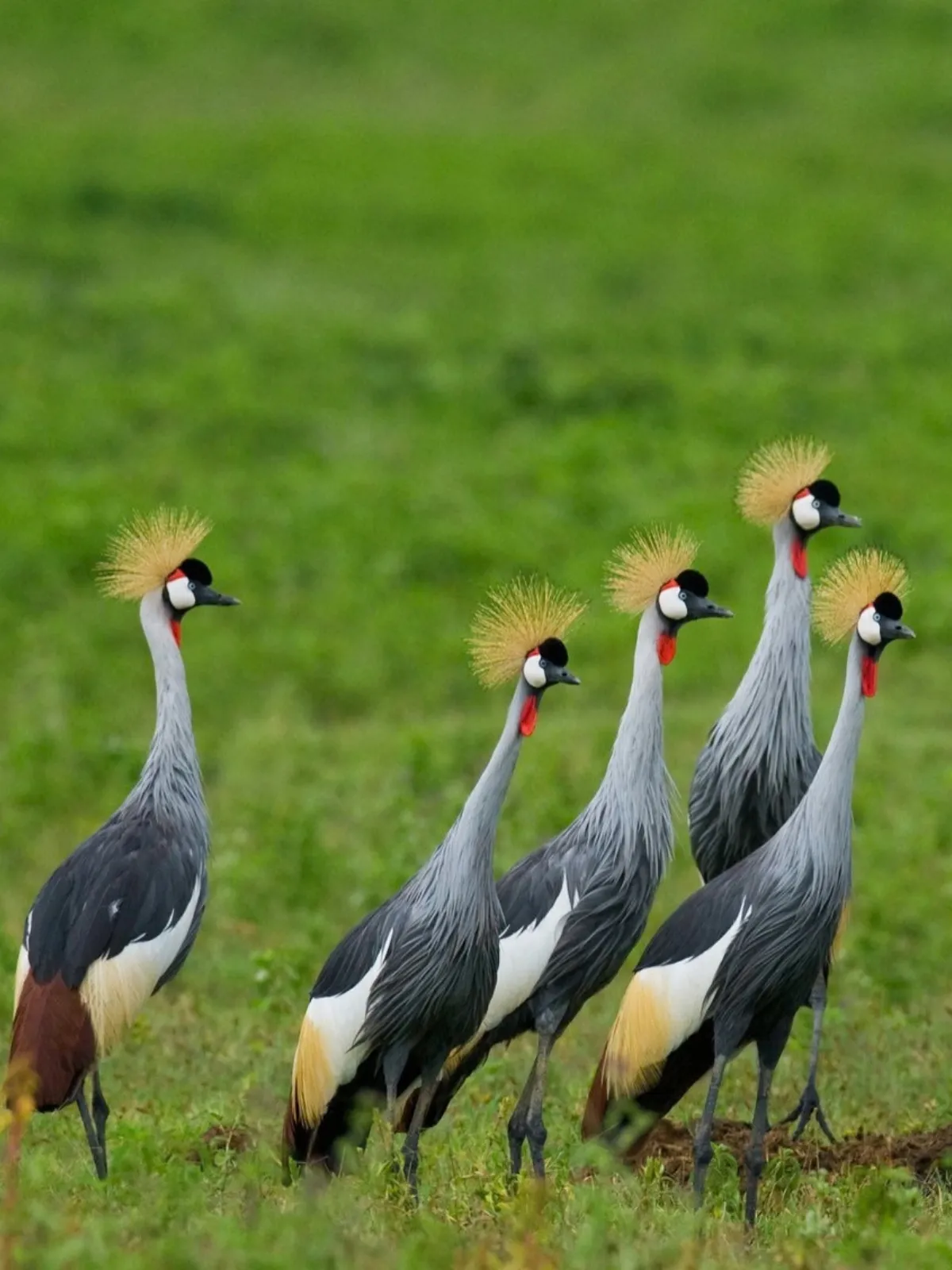
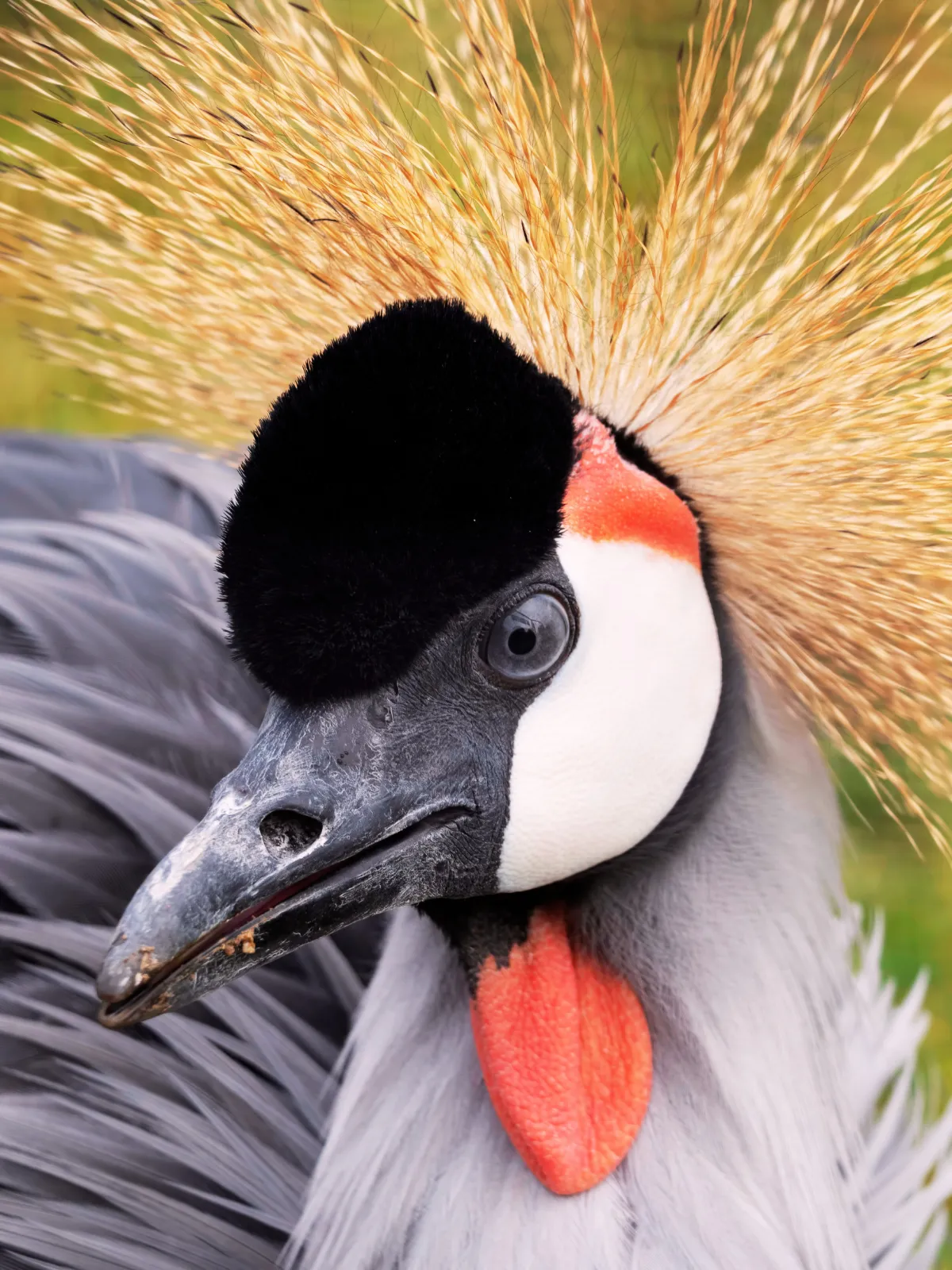
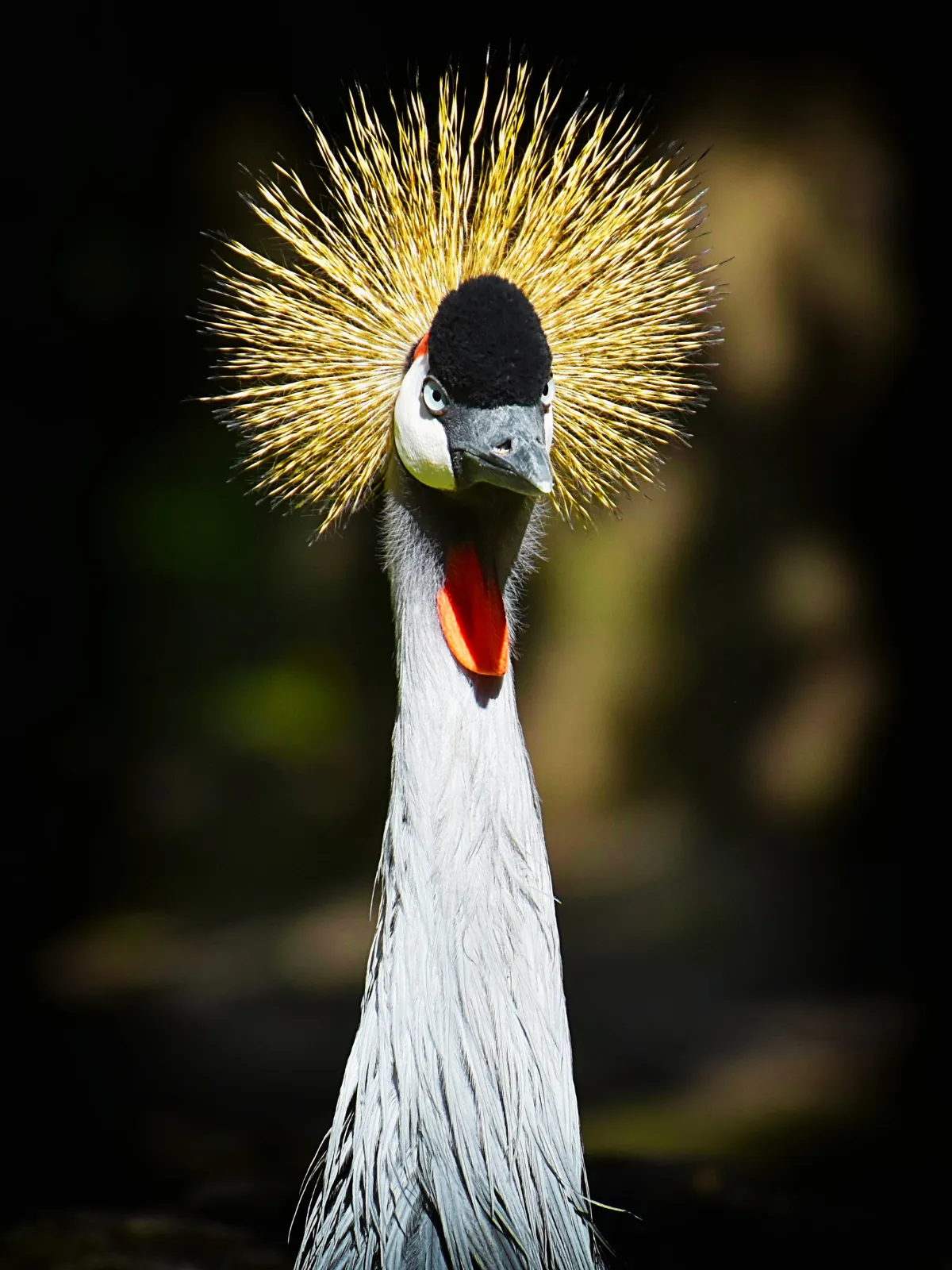
A tight macro profile shot of a grey crowned crane's head and neck, capturing detail in its pale blue eye, dark beak, white cheek, bright red wattle, and radiating halo of stiff golden crown feathers.Medium

Grey-Crowned Crane

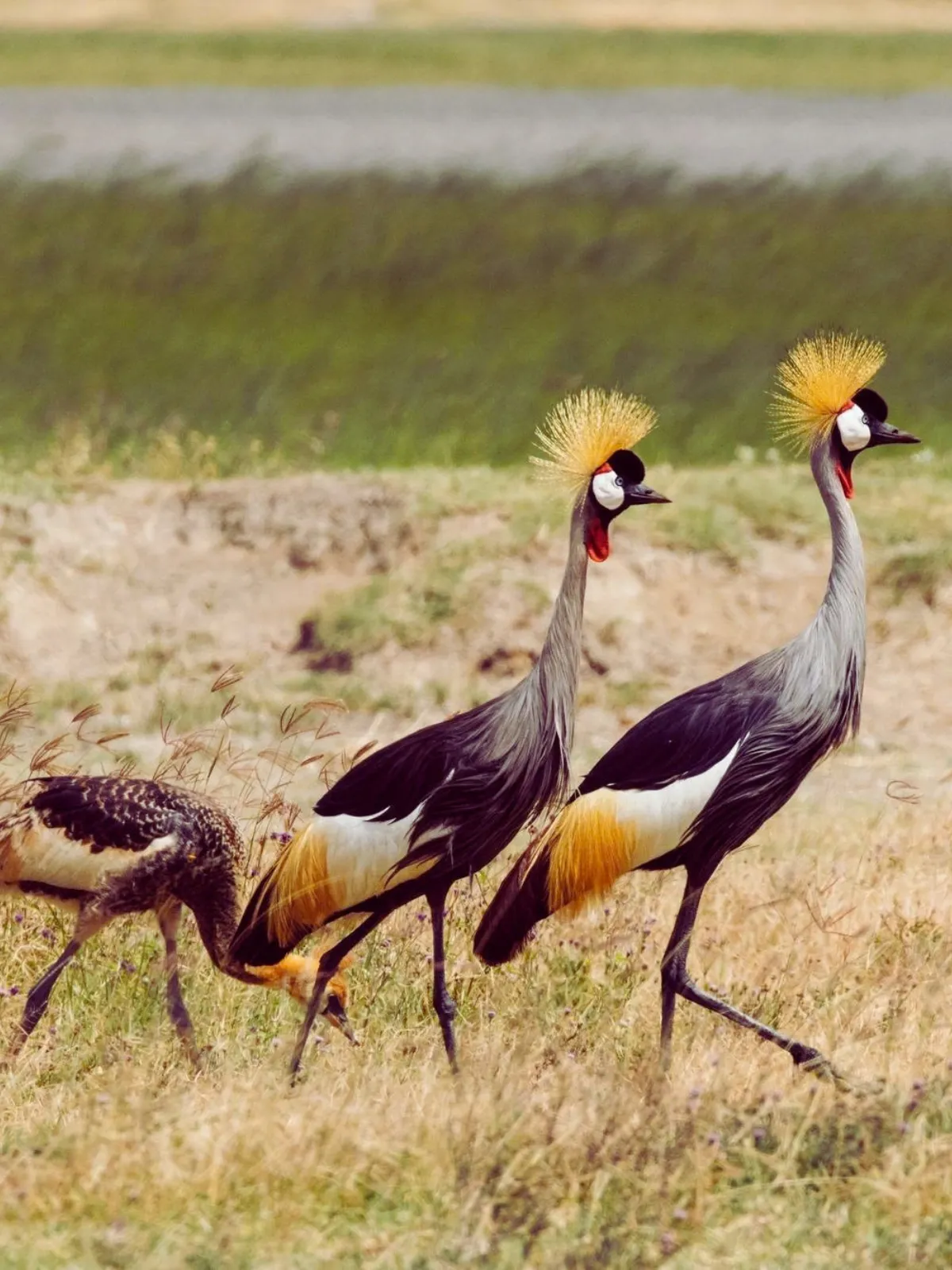
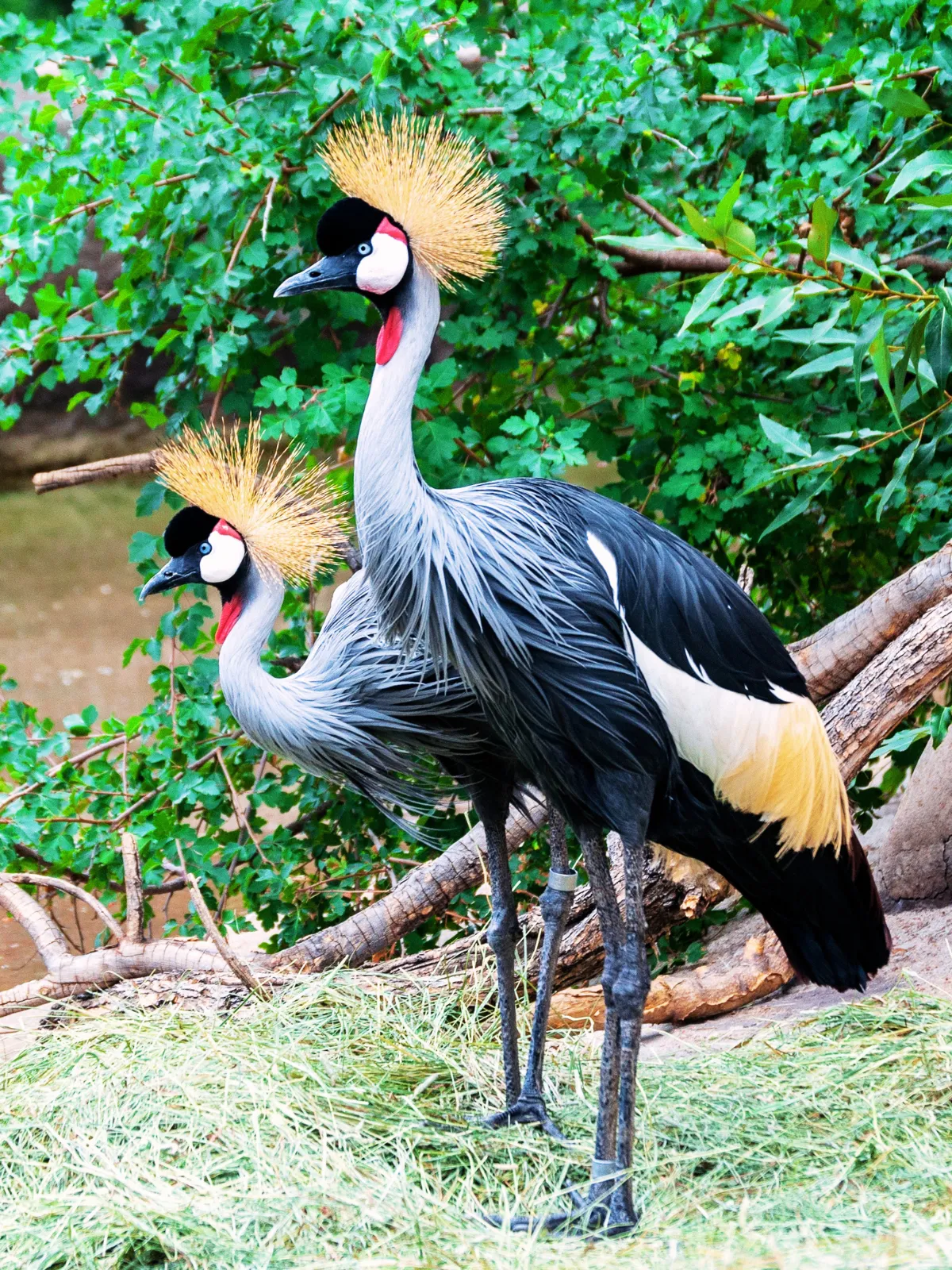
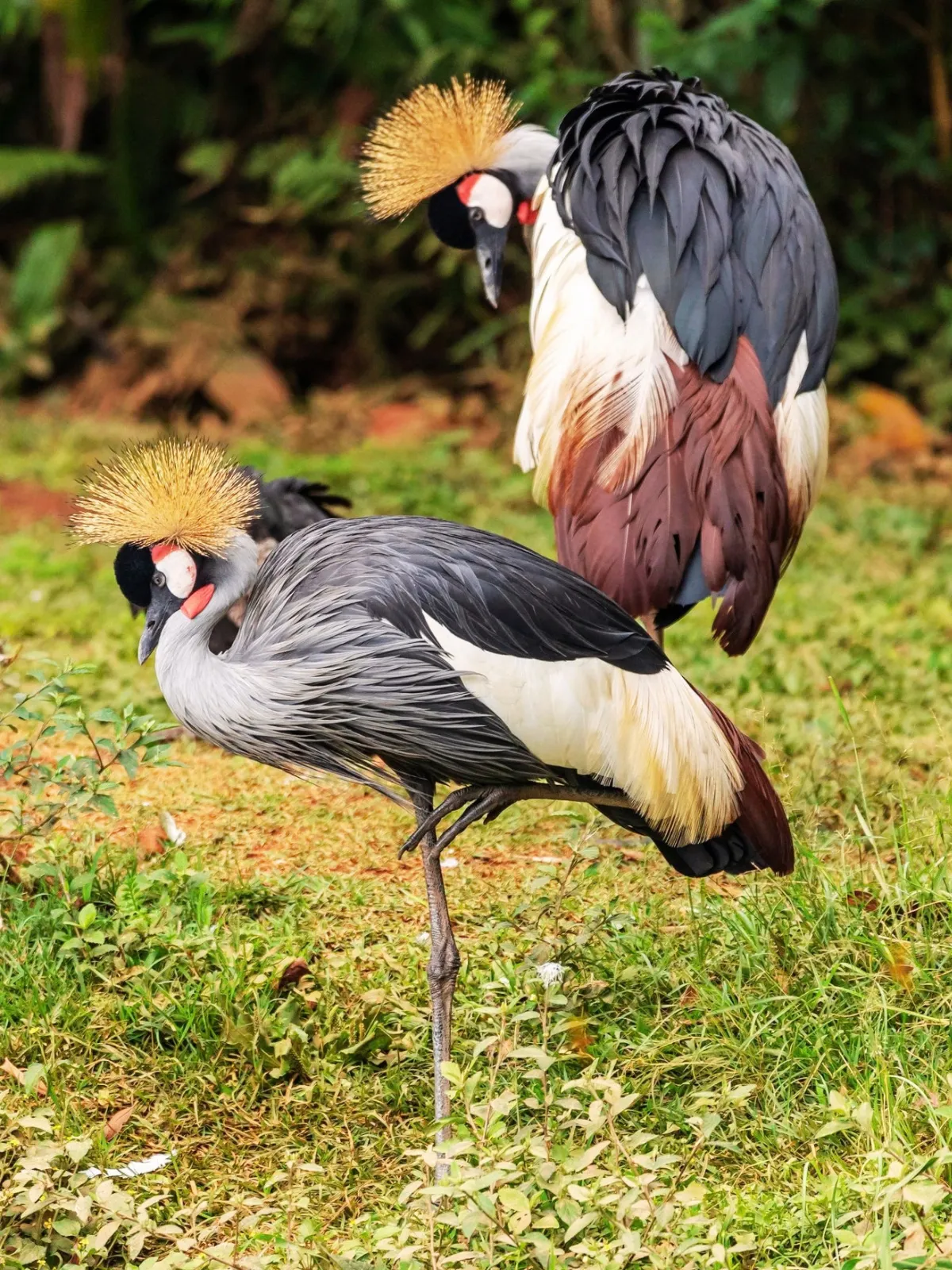
A close-up profile portrait of a grey crowned crane showing fine details of its pale blue eye, dark pointed beak, white cheek patch with a red upper border, red throat wattle, and a full halo of stiff golden stiff feathers.Hard

Grey-Crowned Crane