















Wildari Planet
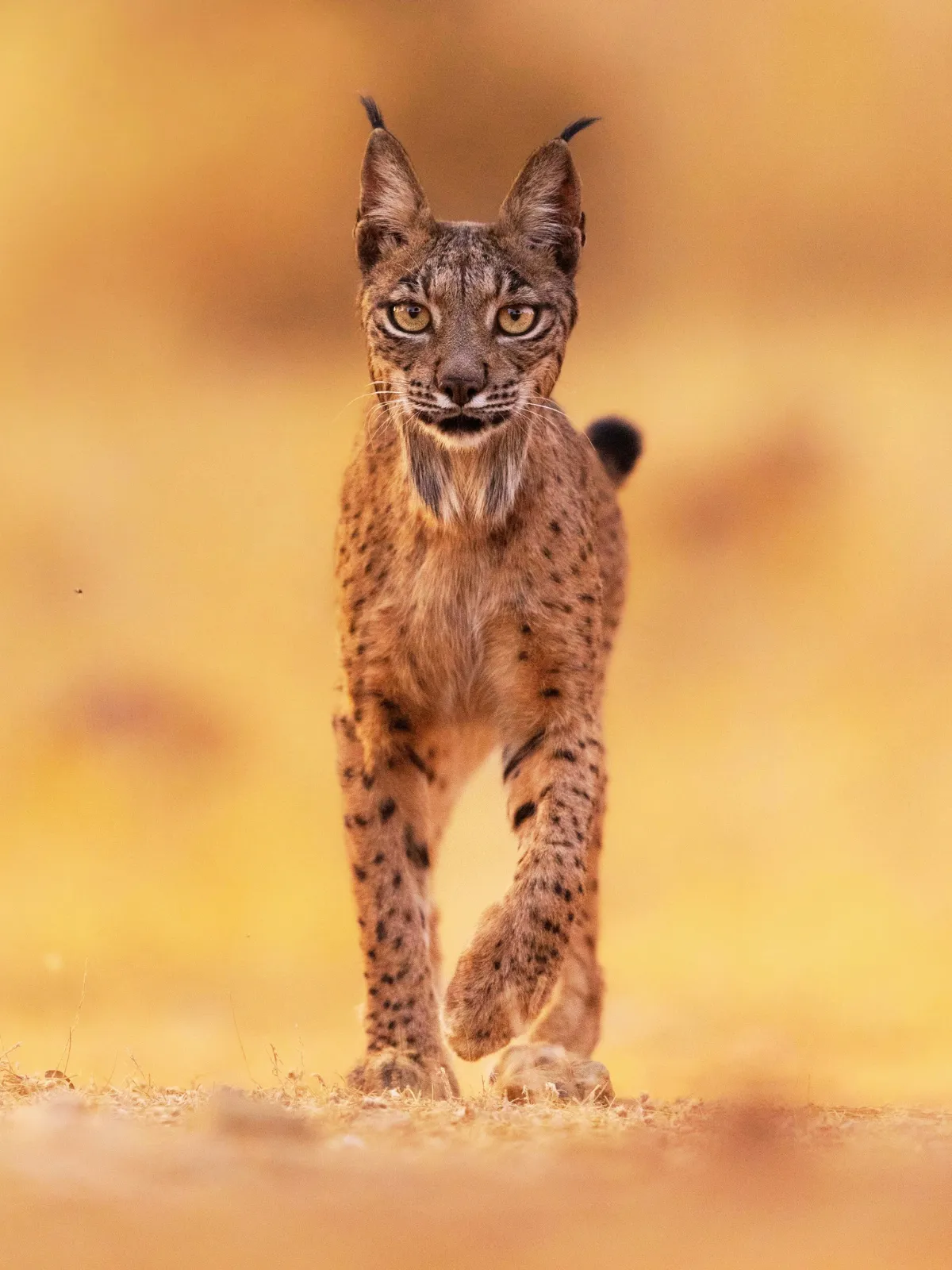
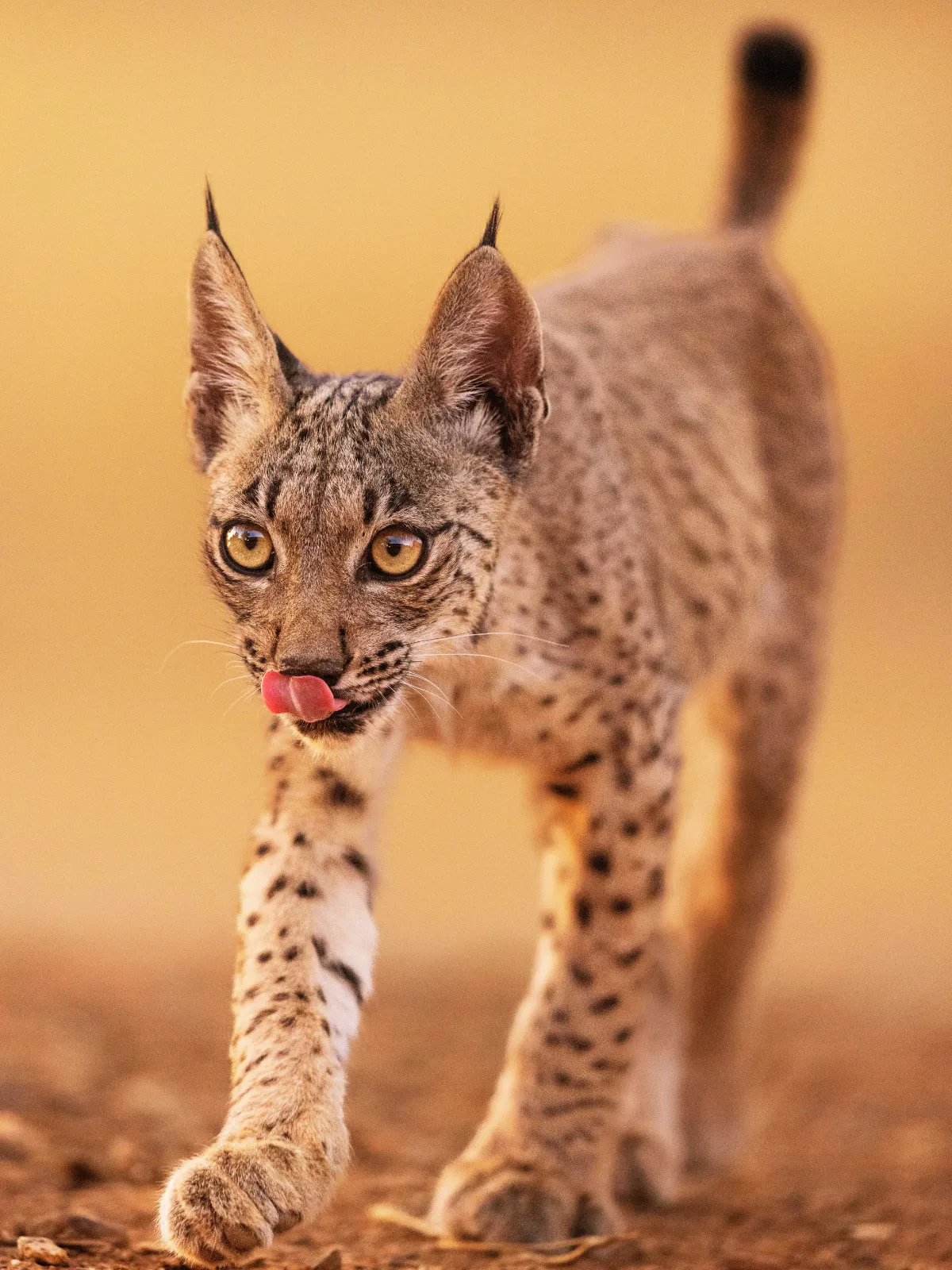
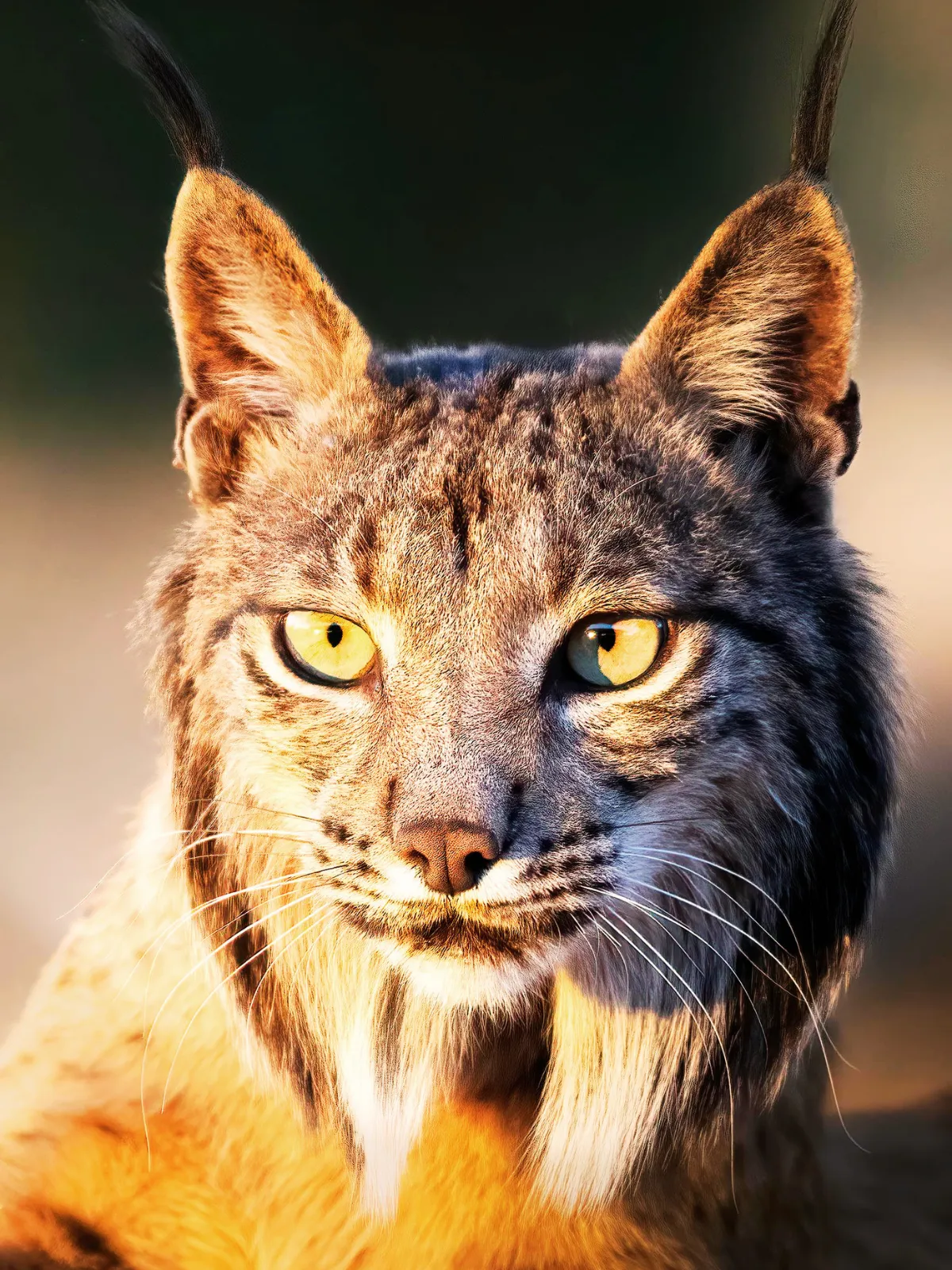
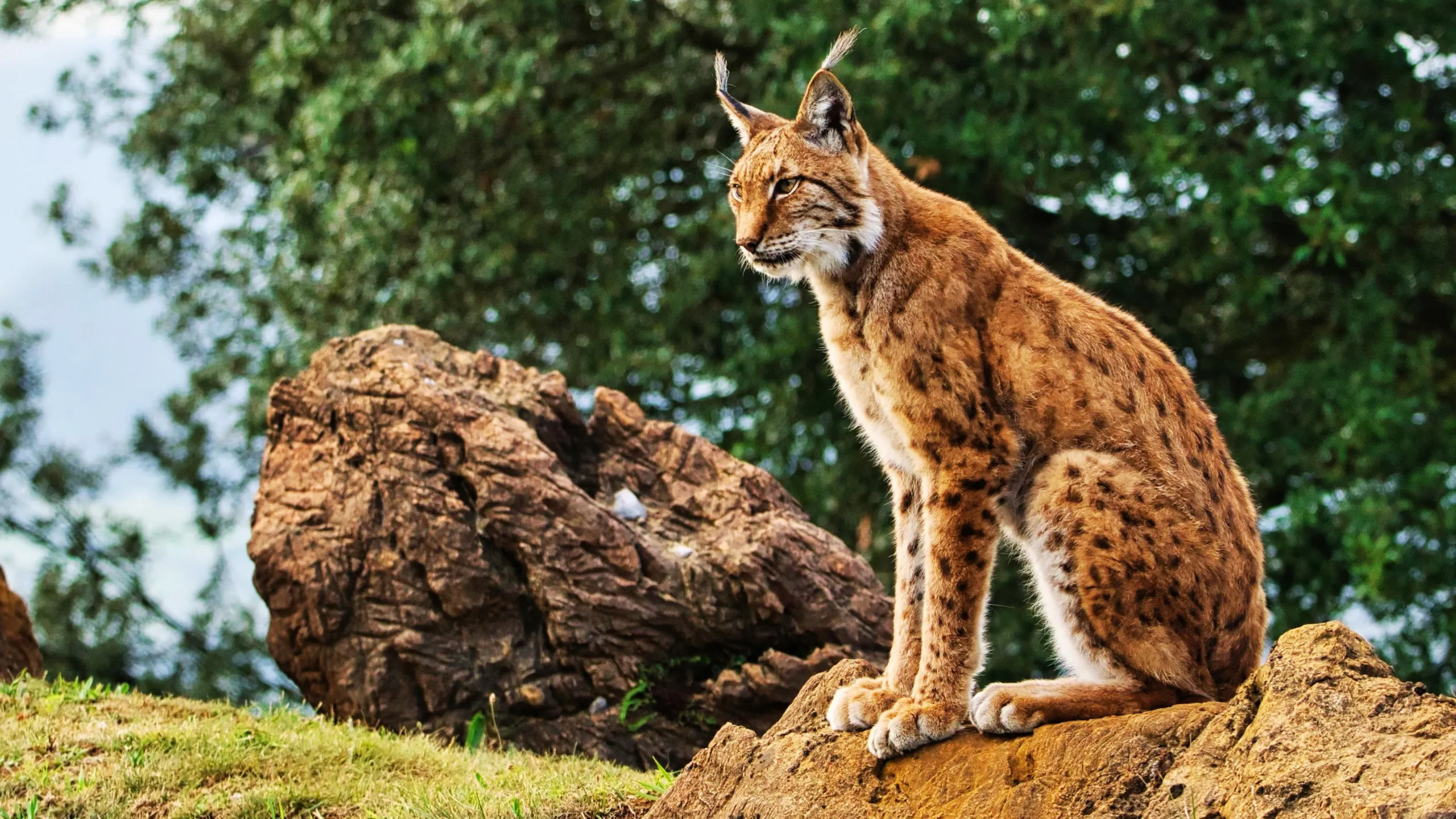
A profile view of an Iberian lynx sitting alert atop a rough, reddish-brown rock ledge with green trees in the background. The wild cat displays a tawny coat covered in distinct dark brown spots, long white-and-black facial whiskers, large padded paws, and characteristic black hair tufts extending from the tips of its pointed ears.
EuropeMammalsVulnerable

Iberian Lynx

Where Iberian Lynxes Live

Continent: Europe

Mediterranean scrubland and forest of southern Spain and Portugal - primarily in Andalusia, Castilla-La Mancha, and the Alentejo and Algarve regions of Portugal.

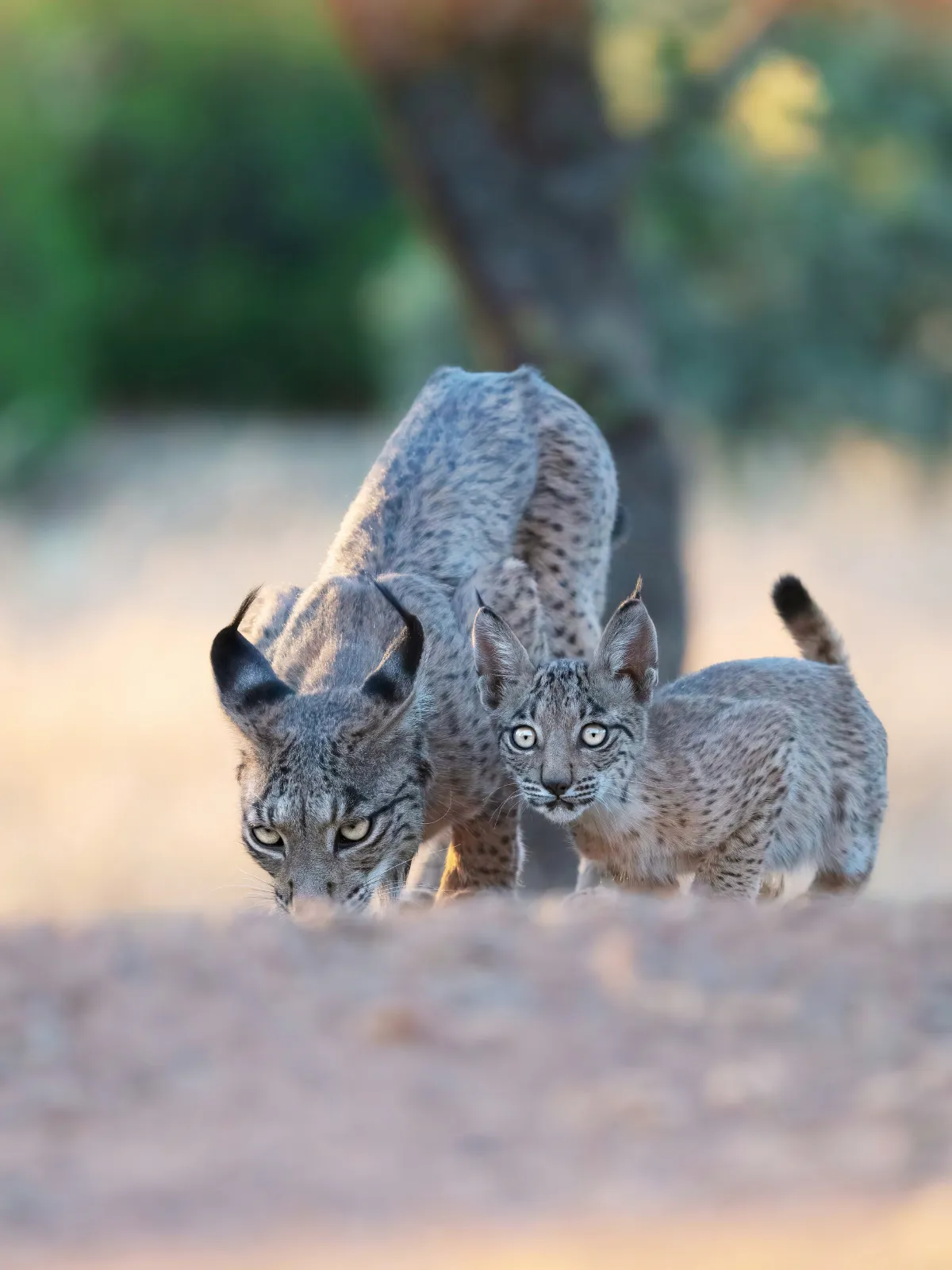
The Iberian Lynx is the subject of the greatest cat conservation comeback in history. In 2002, fewer than 100 individuals survived in two tiny pockets of southern Spain, making it the most endangered cat on Earth. Today, 2,663 lynxes roam the Iberian Peninsula thanks to 20 years of captive breeding, habitat restoration, and a recovery in rabbit populations. Its status was upgraded from Endangered to Vulnerable in 2024.

The silhouette of Europe map on the white background.

Europe

Quick Facts

Length icon
Length85-110 cm
Weight icon
Weight7-15 kg
Lifespan icon
Lifespan13 years
Speed icon
Speed80 km/h
Diet icon
DietAlmost exclusively European rabbits
Territory icon
Territory10-20 km²
Population icon
Population2,663 (2025)
Countries icon
CountriesSpain and Portugal only

Conservation Status

EXExtinct
EWExtinct in the Wild
CRCritically Endangered
ENEndangered
VUVulnerable
NTNear Threatened
LCLeast Concern
NENot Evaluated

How Iberian Lynxes Survive in the Wild

1 / 3

Social Lives of Iberian Lynxes

1 / 3

Photo Gallery

Flashcards