


















Wildari Planet
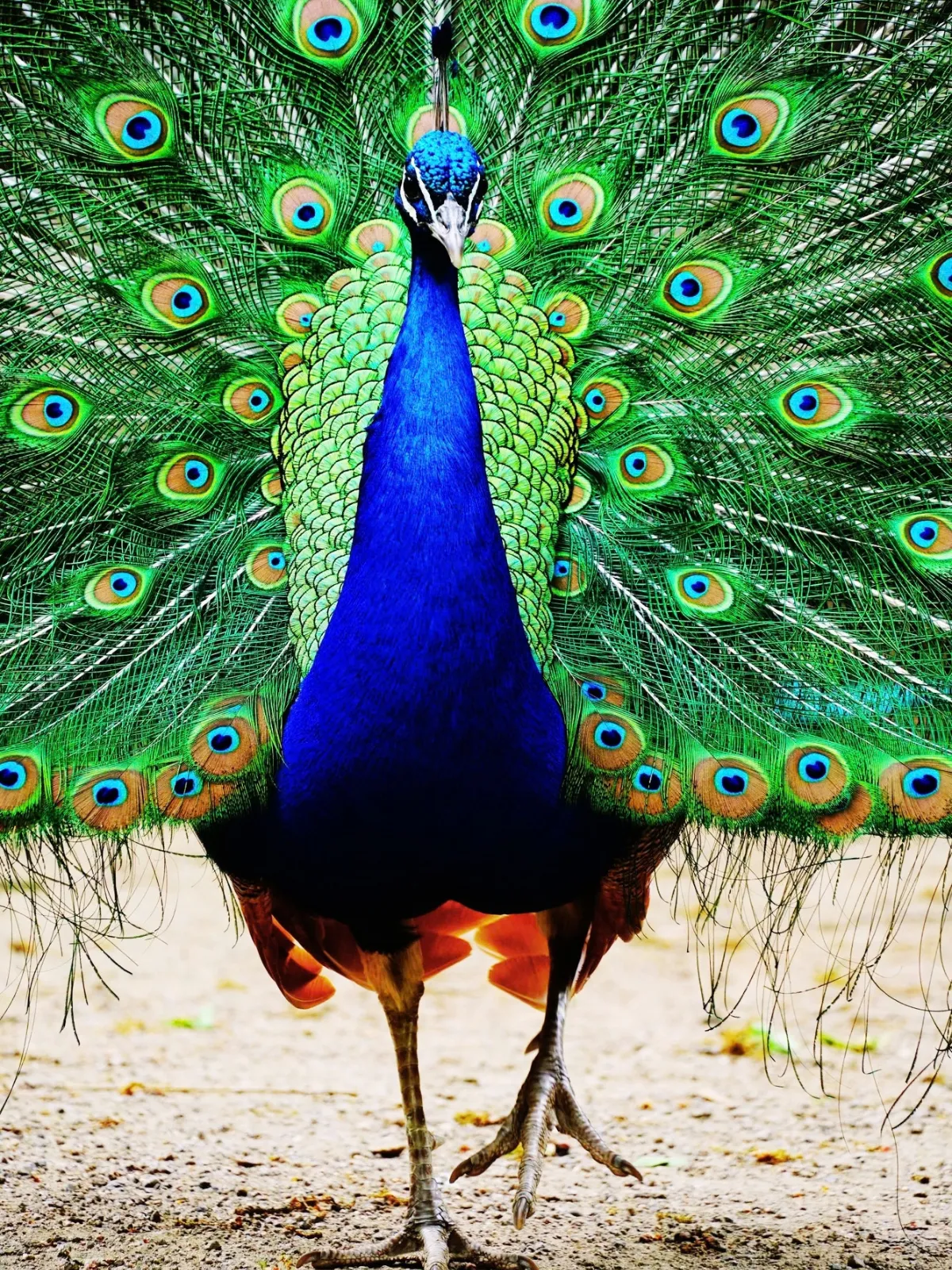
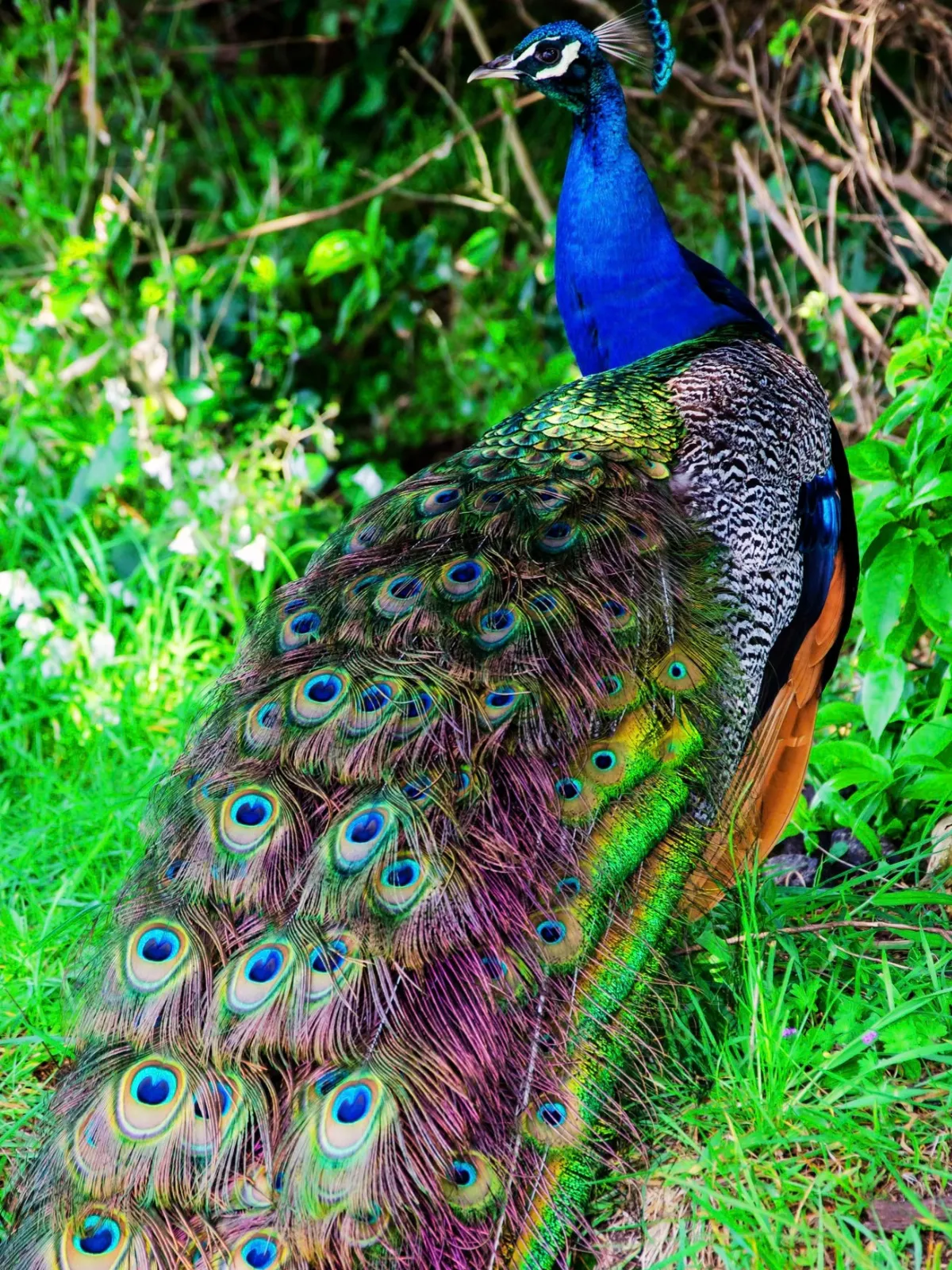
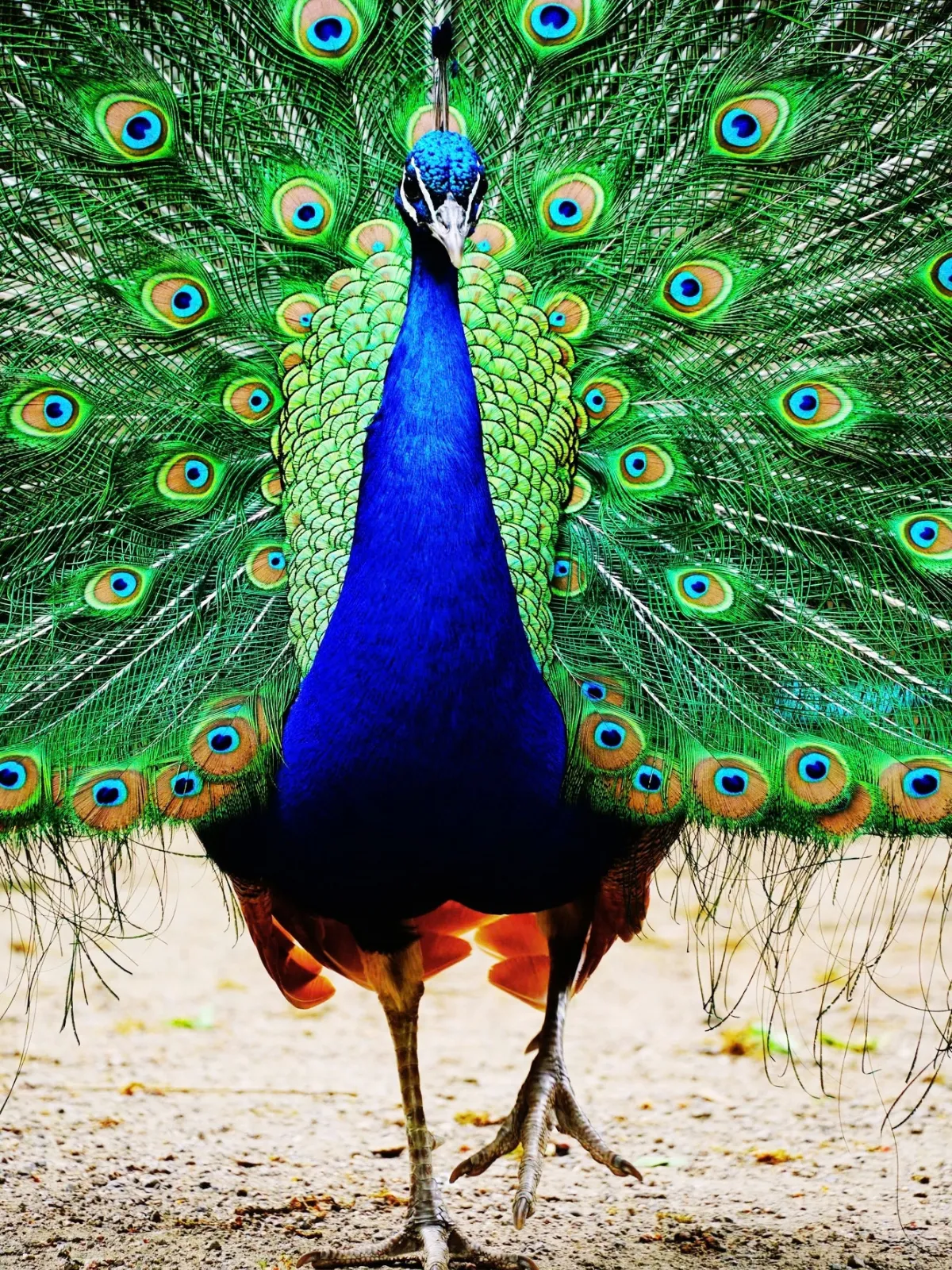
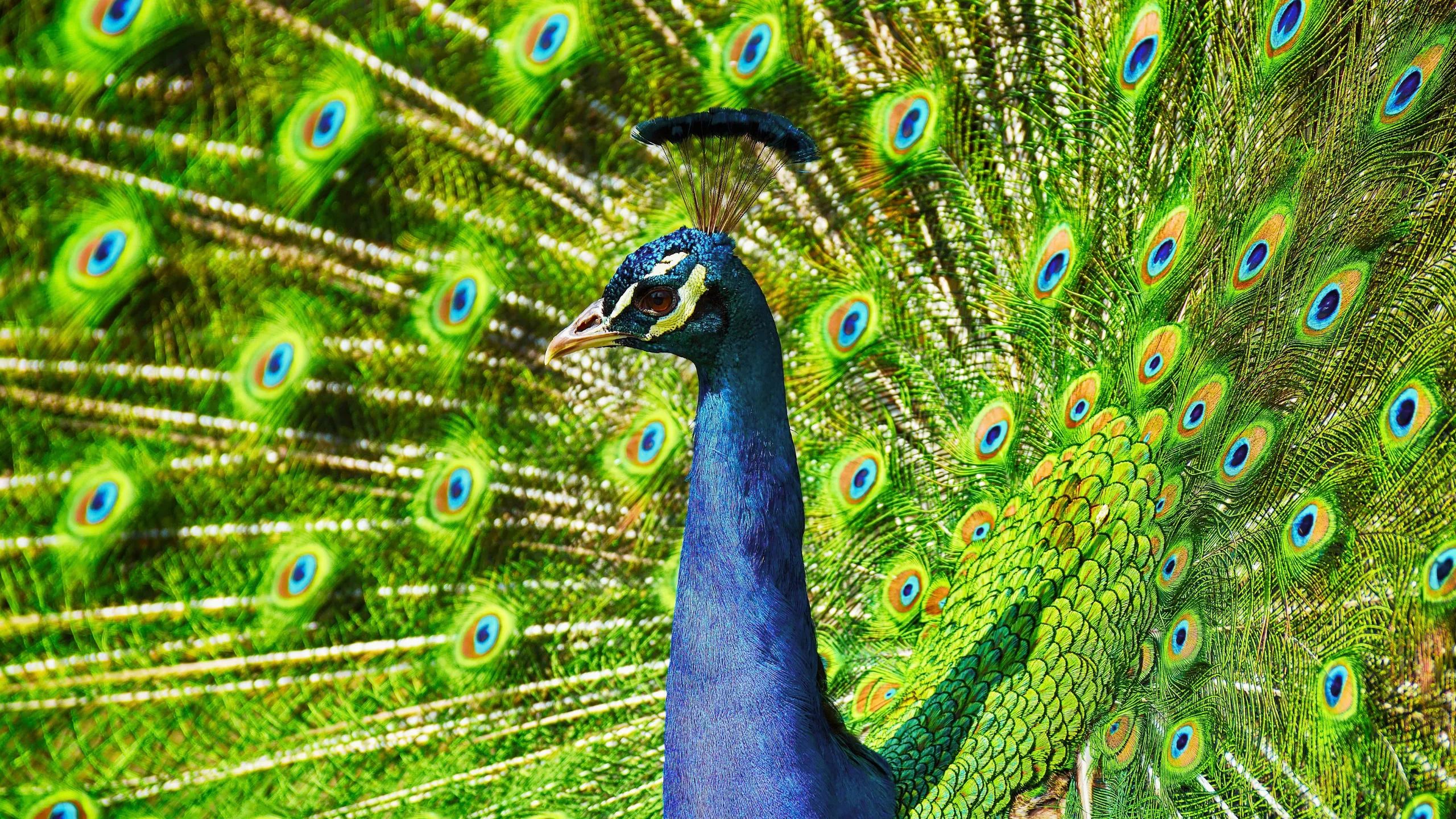
Male Indian peacock in profile displaying an expansive fan of shimmering green and gold tail feathers covered in iridescent blue and green eye-spots (ocelli). Its deep blue, iridescent neck and delicate crest stand out sharply against the fanned plumage.
AsiaBirdsLeast Concern

Indian Peafowl

Where Indian Peafowls Live

Continent: Asia

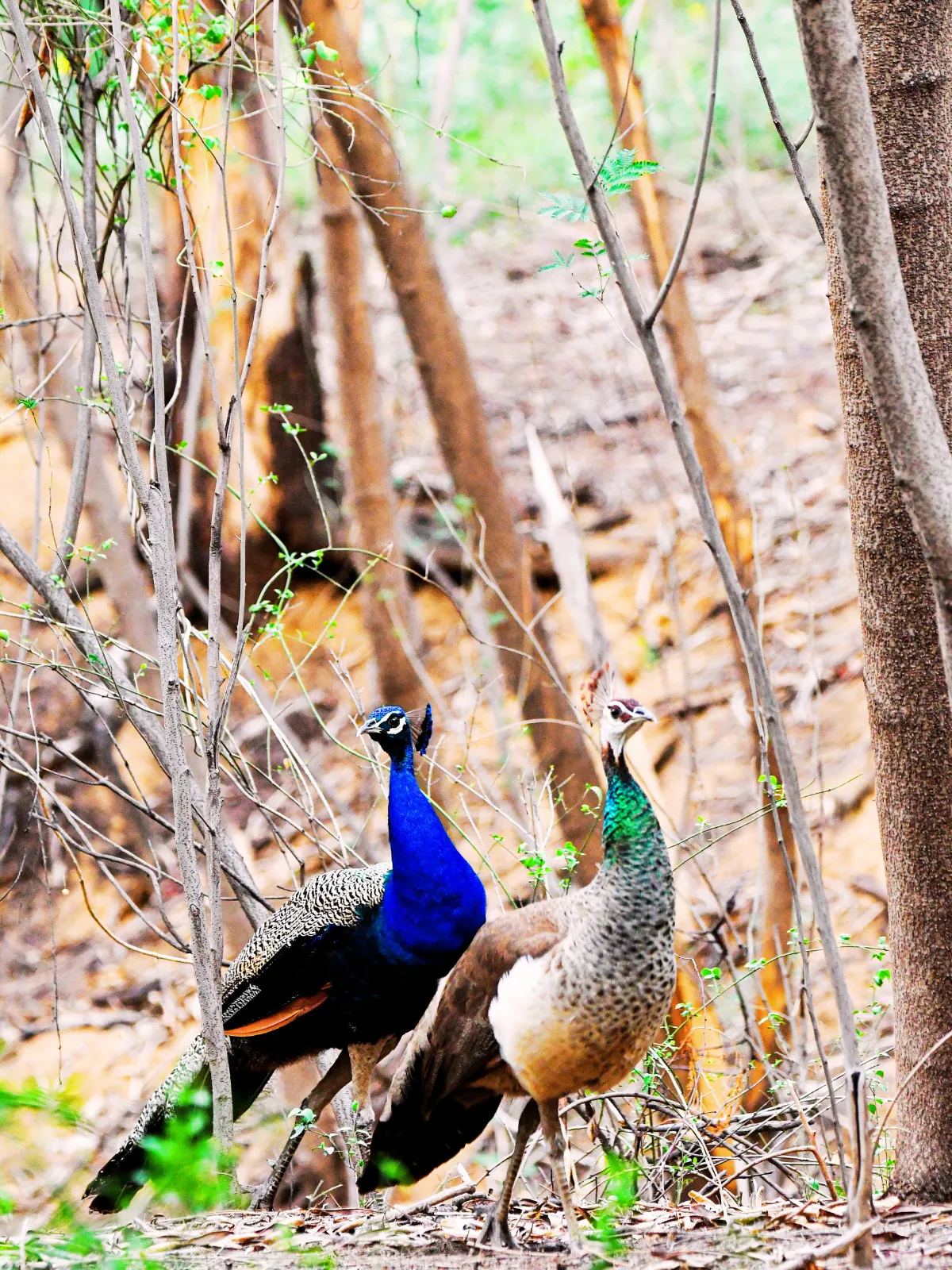
The Indian peafowl inhabits dry deciduous forests, scrublands, and cultivated areas across the Indian subcontinent, including India, Sri Lanka, Pakistan, and Nepal. It adapts well to both wild forest environments and regions near human settlements.

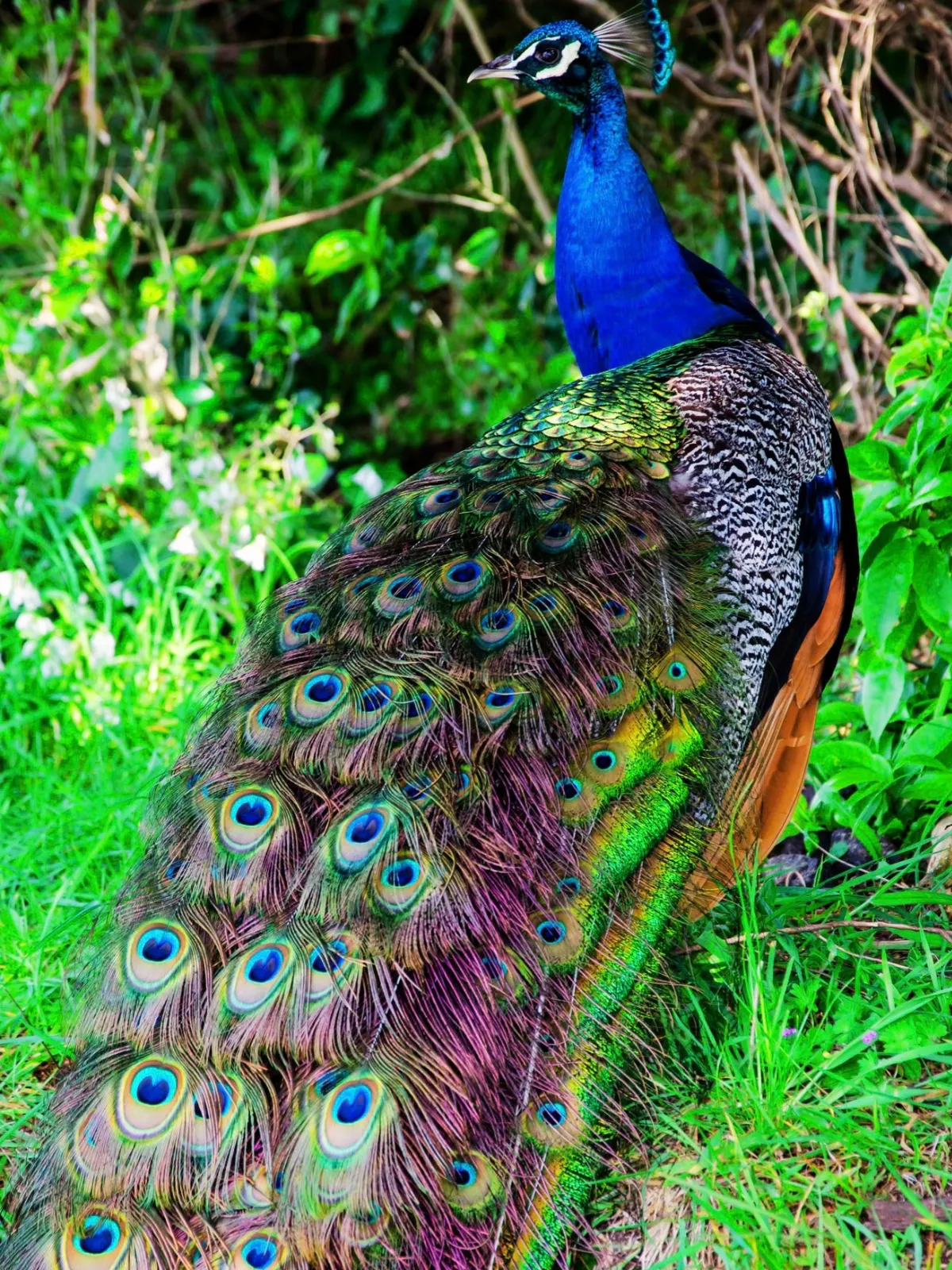
Few birds capture the imagination quite like the Indian peafowl, whose dazzling blue-green plumage has inspired art, mythology, and wonder for centuries. The male's magnificent train of iridescent feathers can stretch over two meters long, creating one of nature's most spectacular courtship displays. Remarkably, despite carrying this elaborate finery, these stunning birds are still capable of taking flight - proving that beauty and function can go hand in hand in the animal kingdom.

The silhouette of Asia map on the white background.

Asia

Quick Facts

Wingspan icon
WingspanAbout 140 to 160 cm (55 to 63 in)
Weight icon
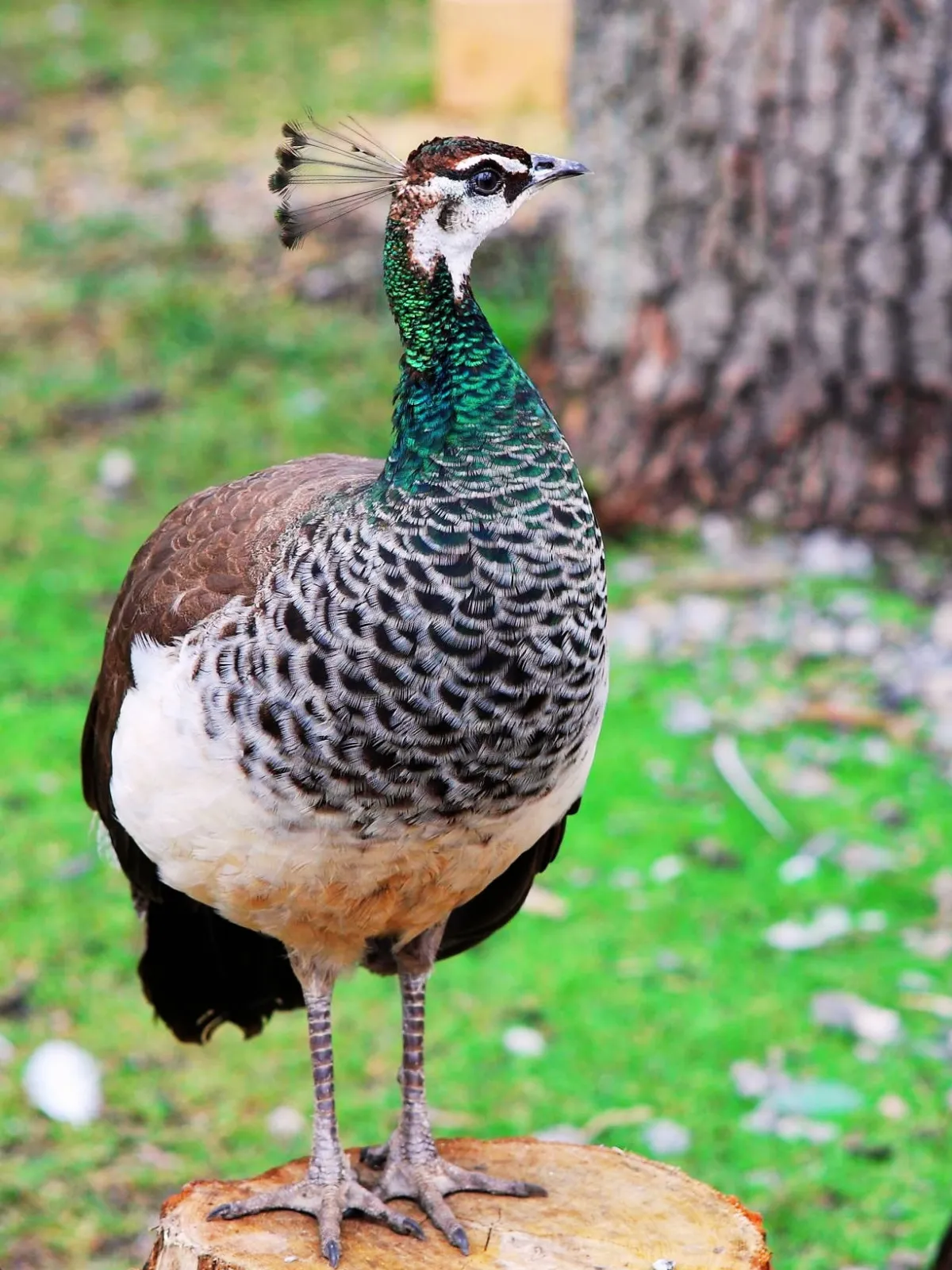
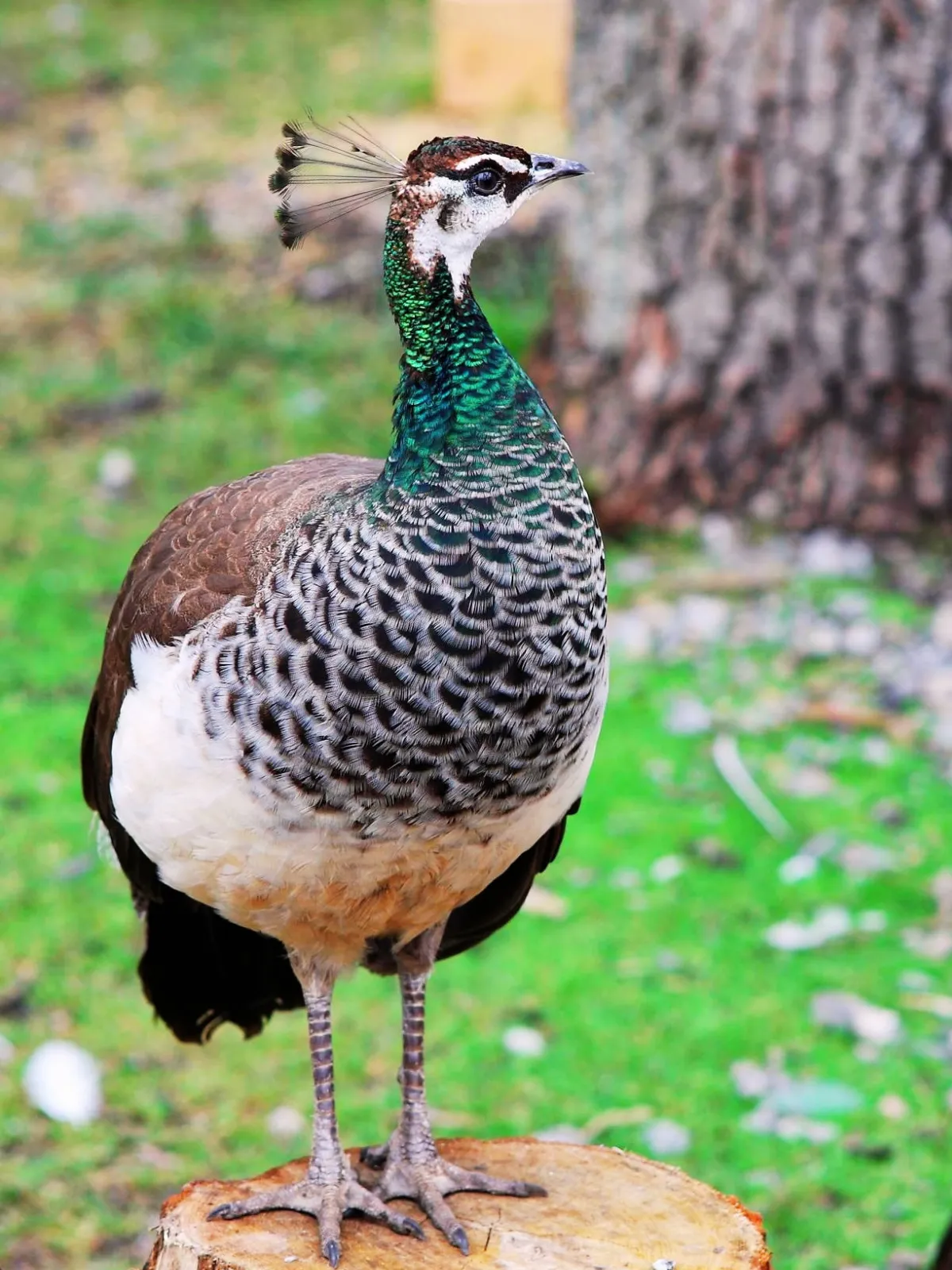
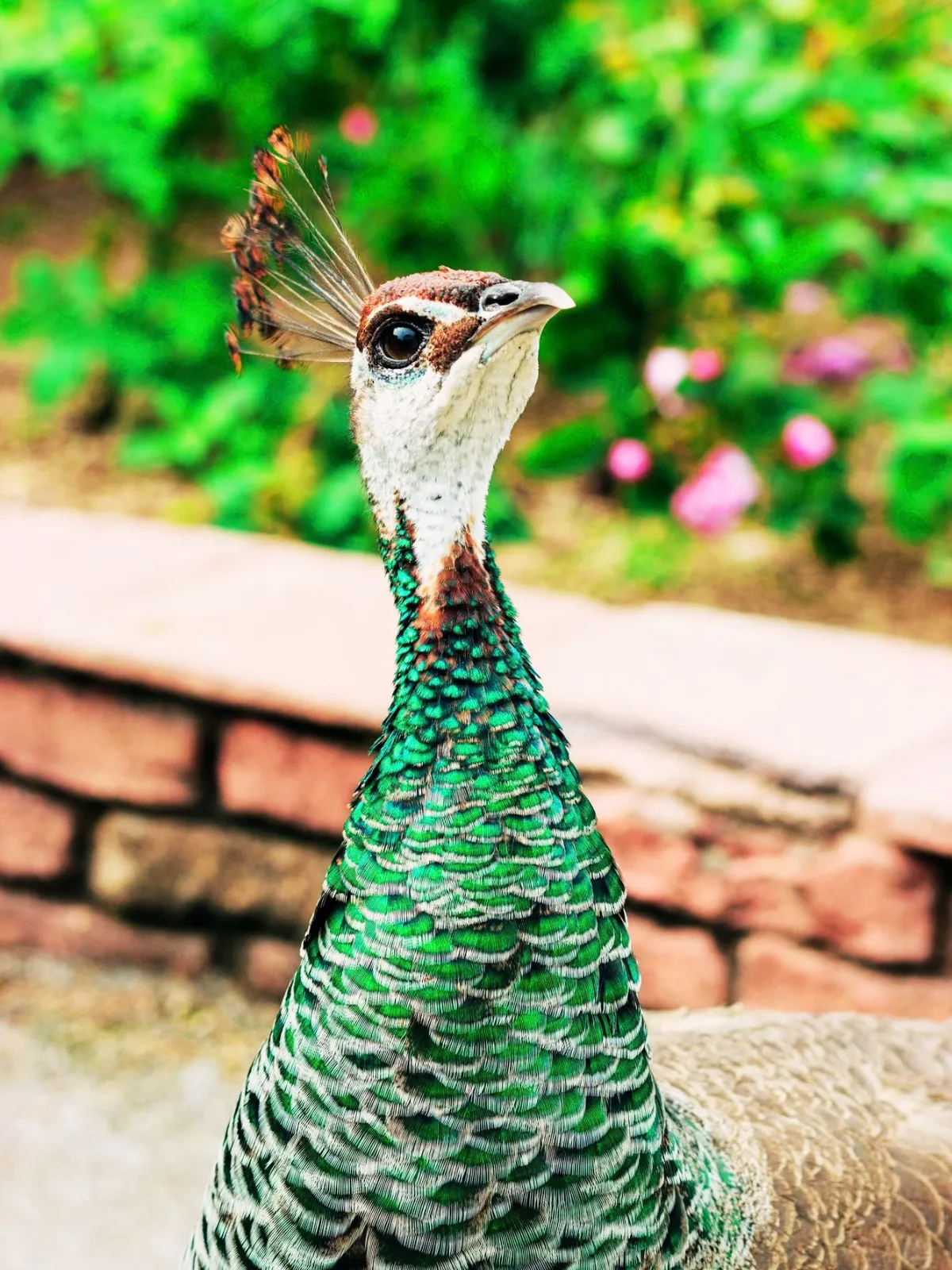
WeightMales 4.1 to 5.2 kg (9 to 11.5 lb), females 2.7 to 4.1 kg (6 to 9 lb)
Lifespan icon
LifespanAbout 15 years in the wild; up to 23 years in captivity
Speed icon
TrainAverages about 1.2 m (4 ft), with roughly 100 to 160 eyespot feathers; shed and regrown yearly
Diet icon
Diet Omnivore: seeds, grains, berries, insects, small reptiles, and even small mammals
Clutch icon
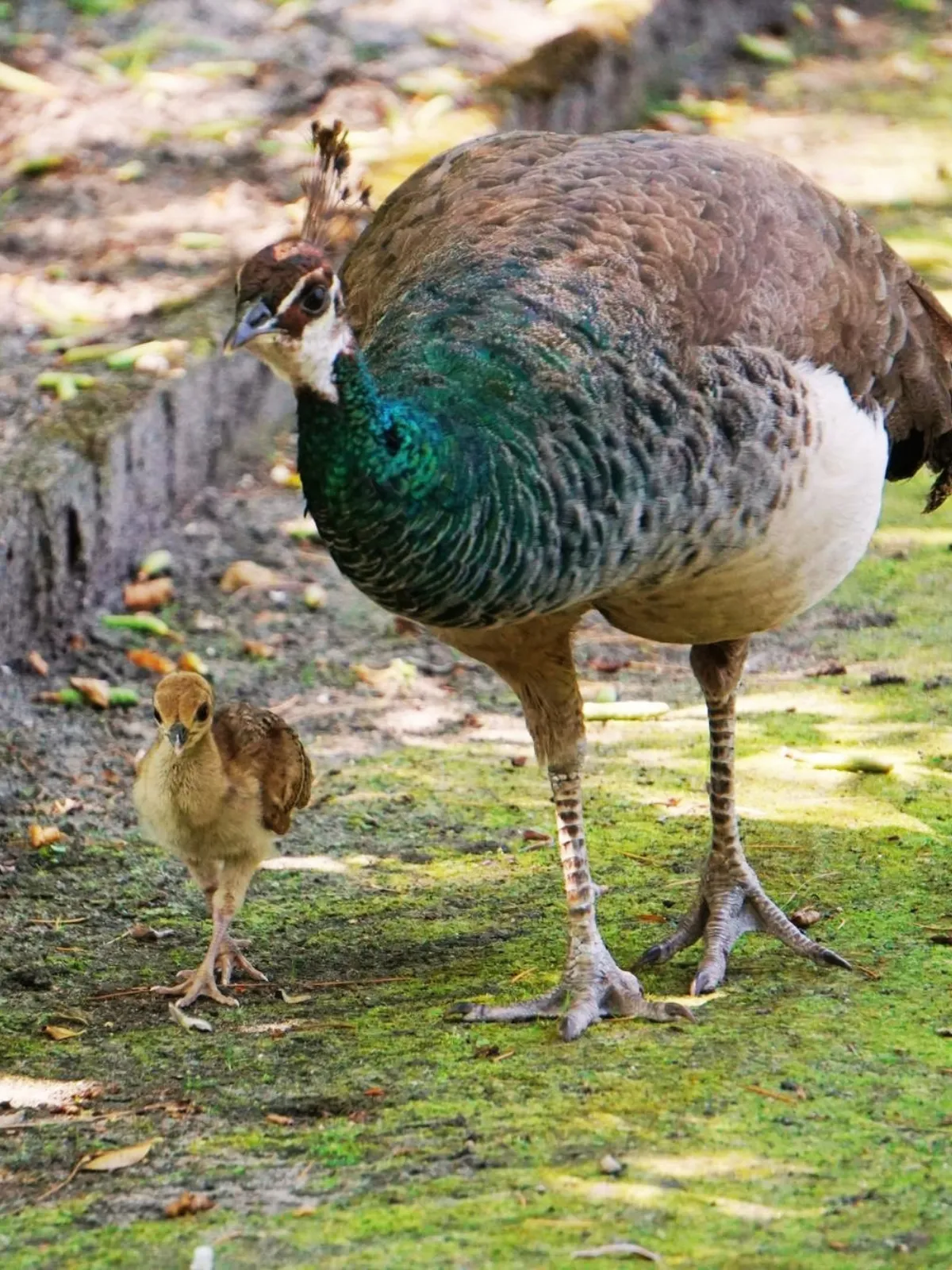
ClutchTypically 3 to 8 eggs, incubated by the female alone for 28 to 30 days
Population icon
Population Exact size unknown; a 2002 estimate put it above 100,000, with no known decline
Range icon
Range Native to India and Sri Lanka, also found in Pakistan and Nepal; introduced worldwide

Conservation Status

EXExtinct
EWExtinct in the Wild
CRCritically Endangered
ENEndangered
VUVulnerable
NTNear Threatened
LCLeast Concern
NENot Evaluated

How Indian Peafowls Survive in the Wild

1 / 3

Social Lives of Indian Peafowls

1 / 3

Photo Gallery

Flashcards

Quiz Yourself on Indian Peafowl

Pick a difficulty level and test what you've learned.

Male Indian peacock in profile displaying an expansive fan of shimmering green and gold tail feathers covered in iridescent blue and green eye-spots (ocelli). Its deep blue, iridescent neck and delicate crest stand out sharply against the fanned plumage.Easy

Indian Peafowl

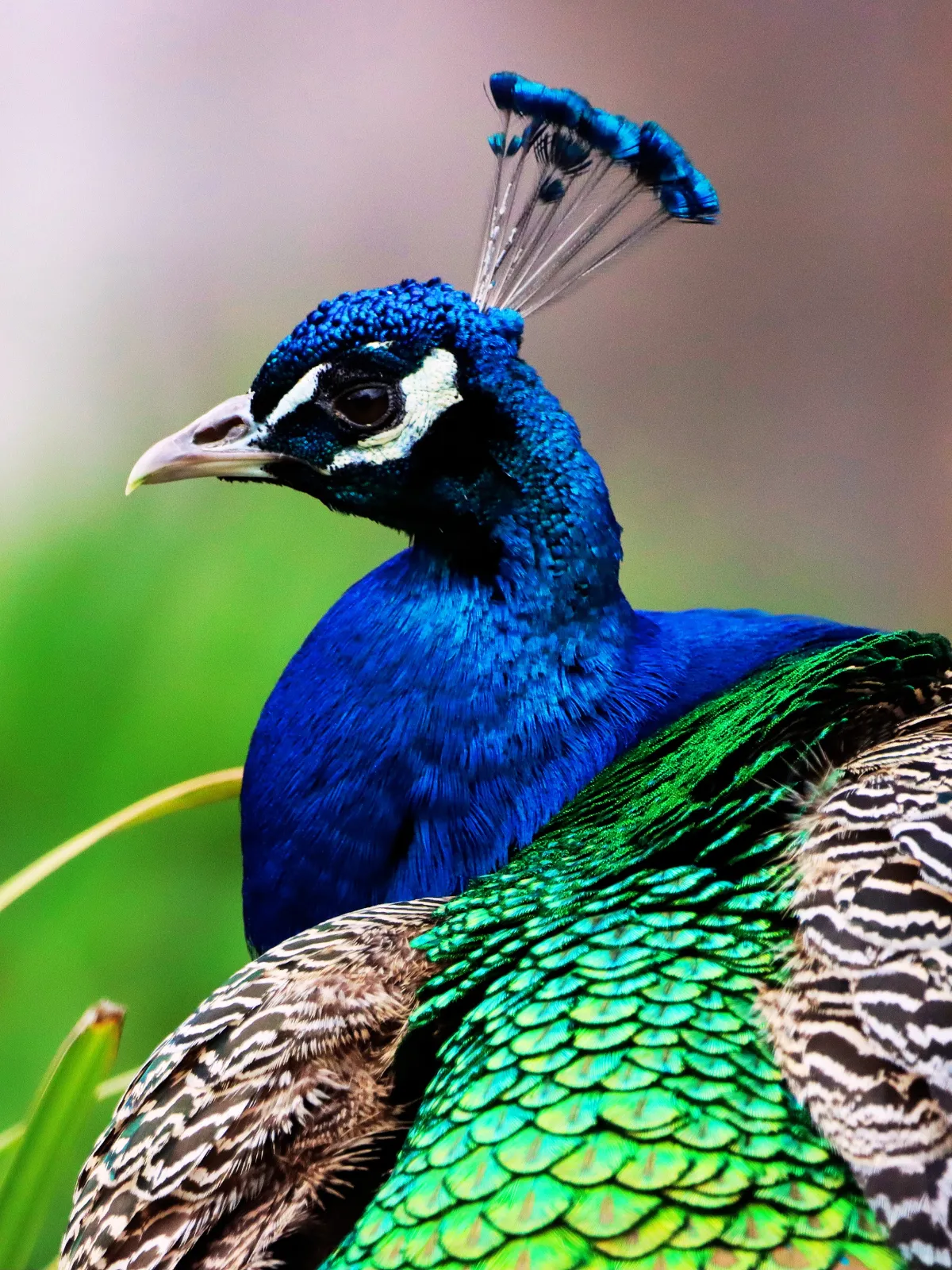
Close-up portrait of male Indian peacock head showing blue crest feathers and distinctive facial markingsMedium

Indian Peafowl

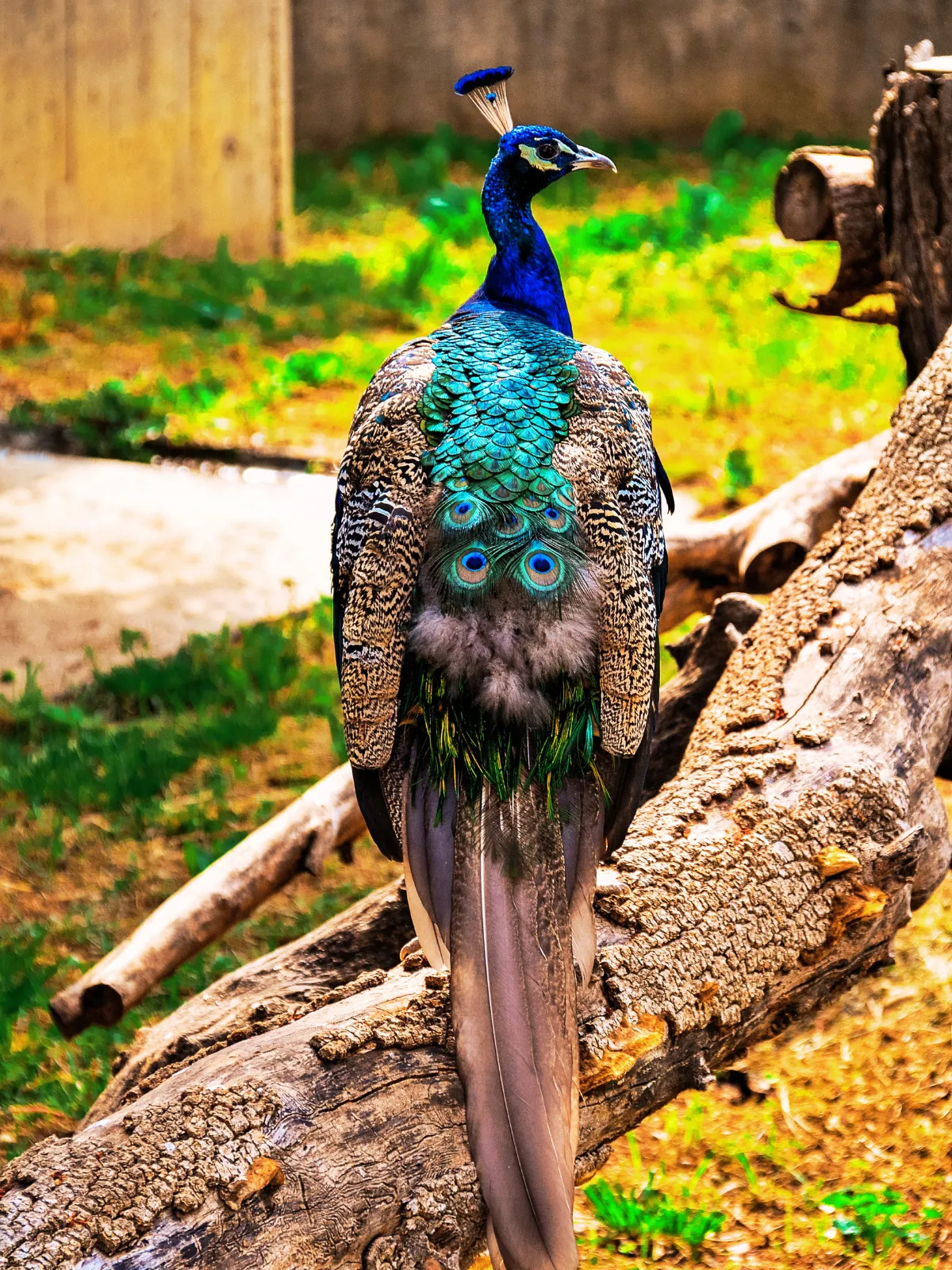
A peacock perched on a thick, textured tree branch viewed from behind, turning its blue neck to look over its shoulder. Its back shows metallic turquoise scales transitioning down into a long, folded grey and green train.Hard

Indian Peafowl