
















 Insects
 Continent: North America









1
Poison Borrowed From Milkweed
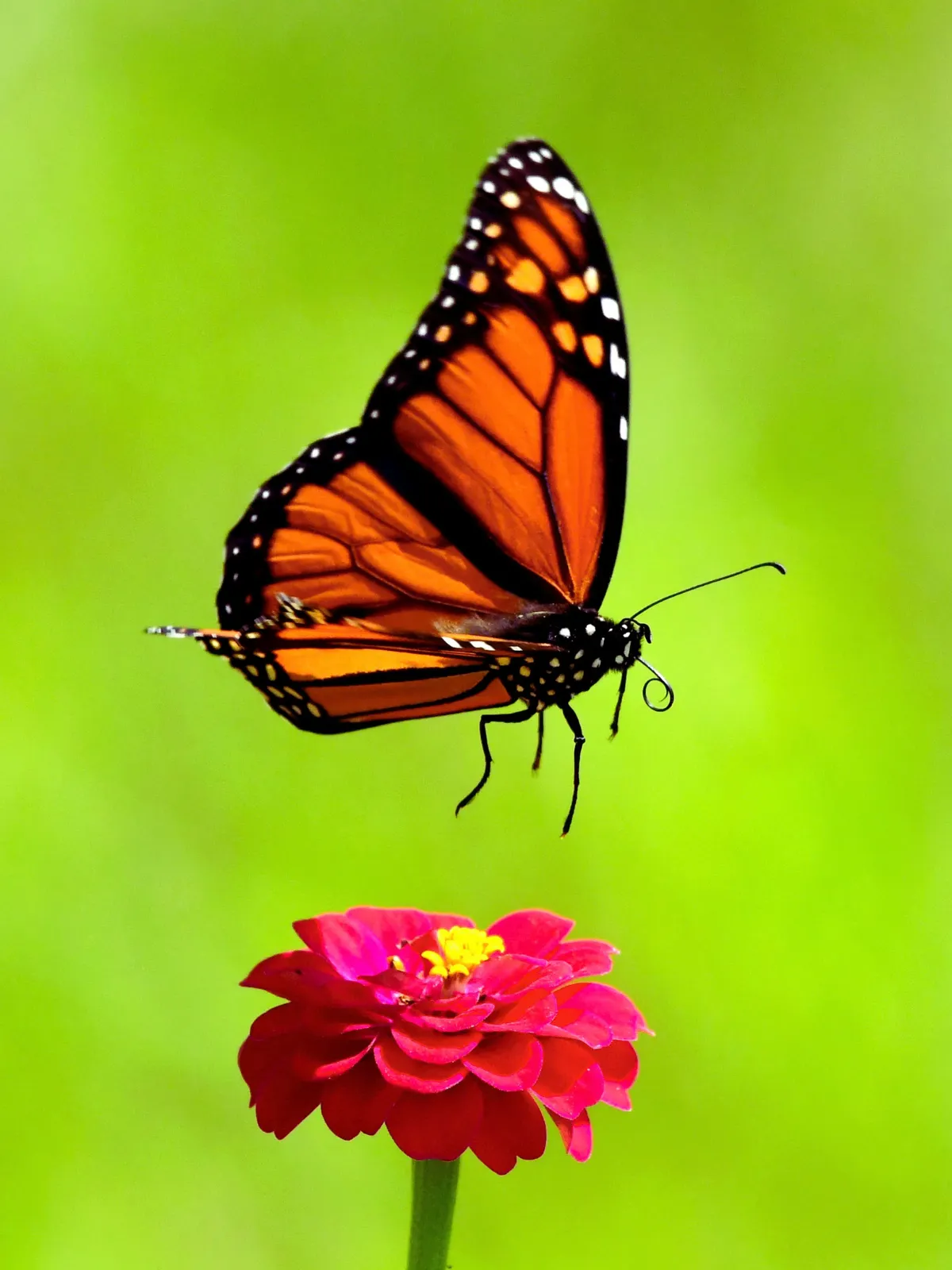
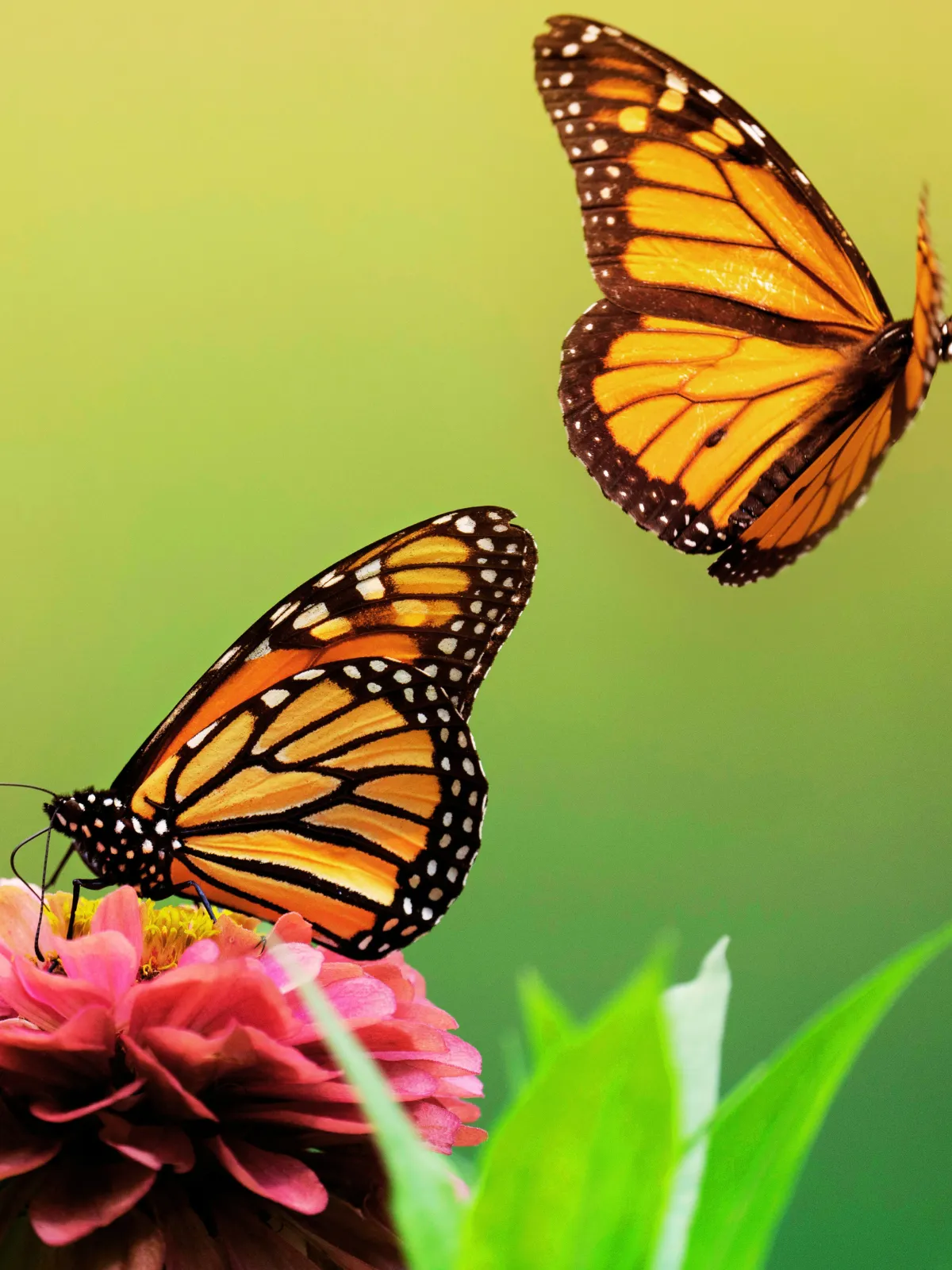
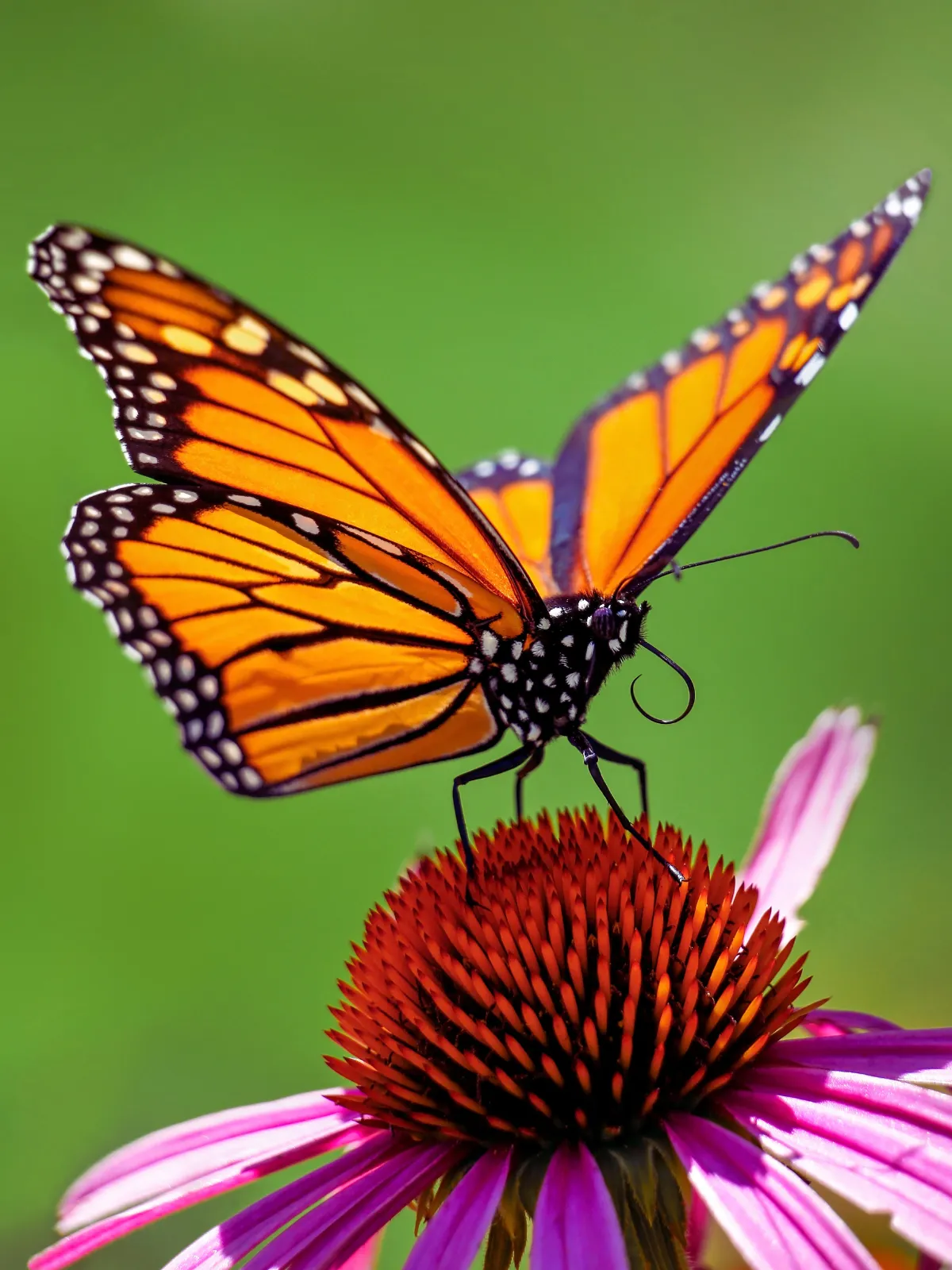
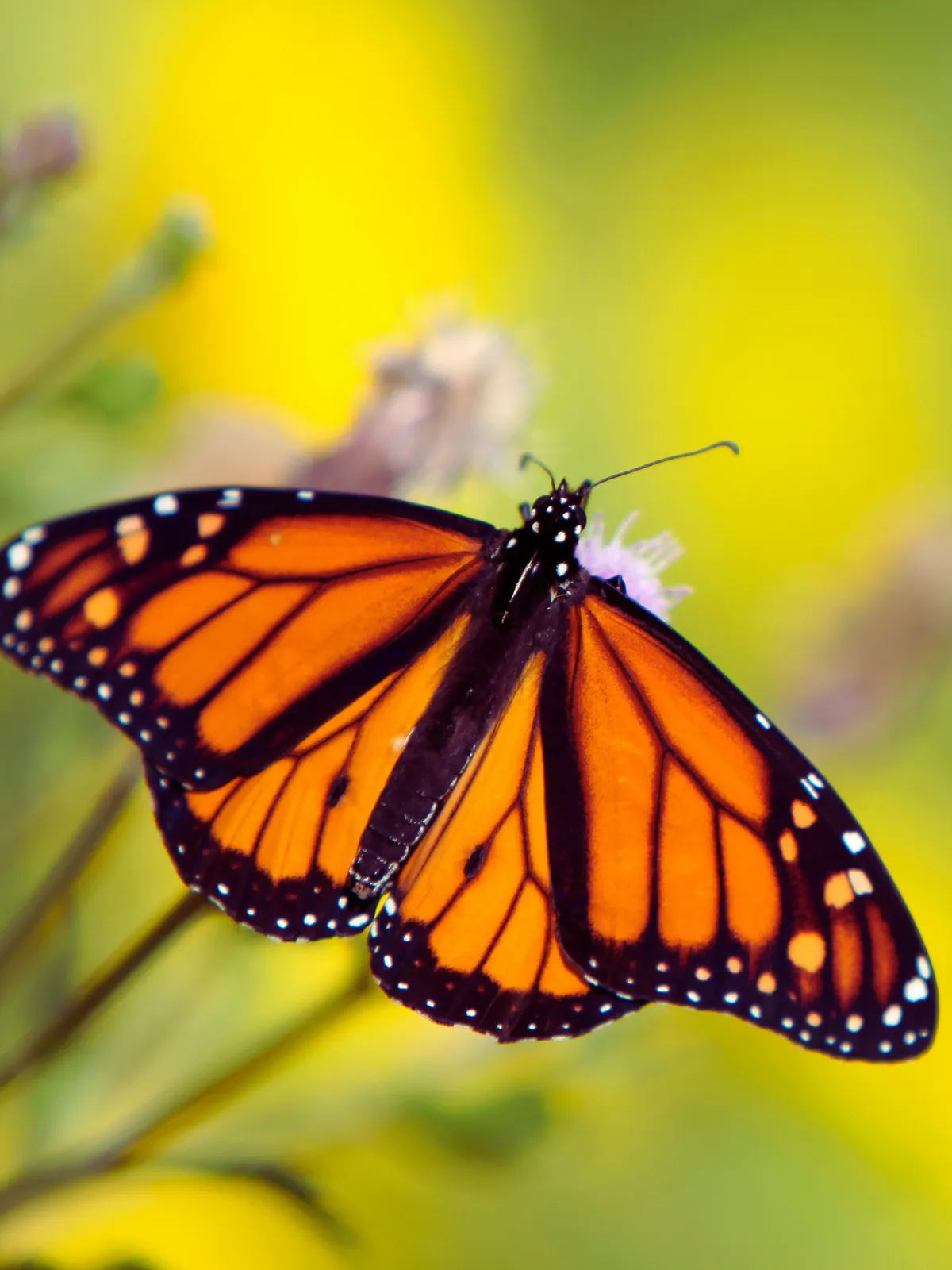
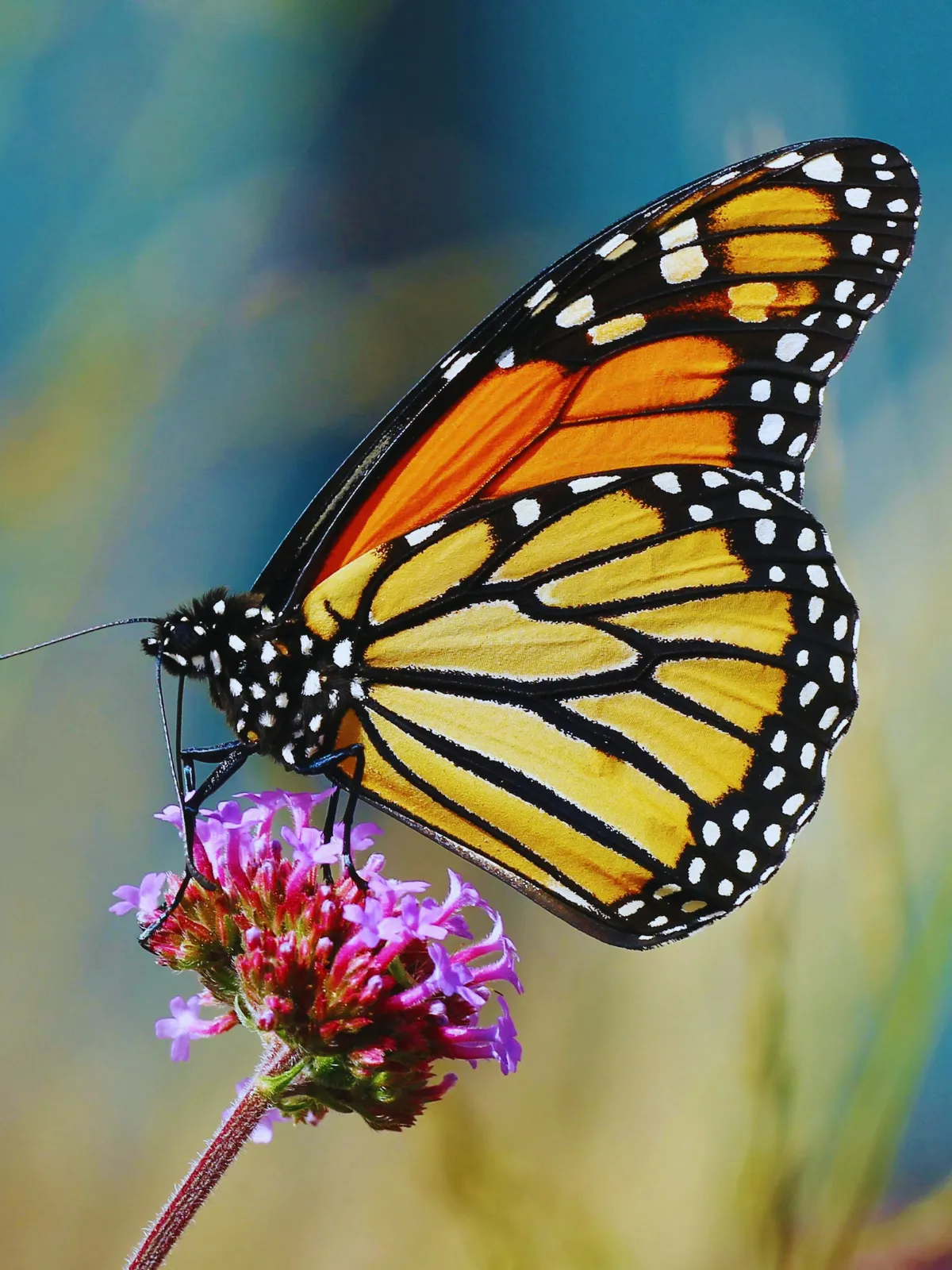
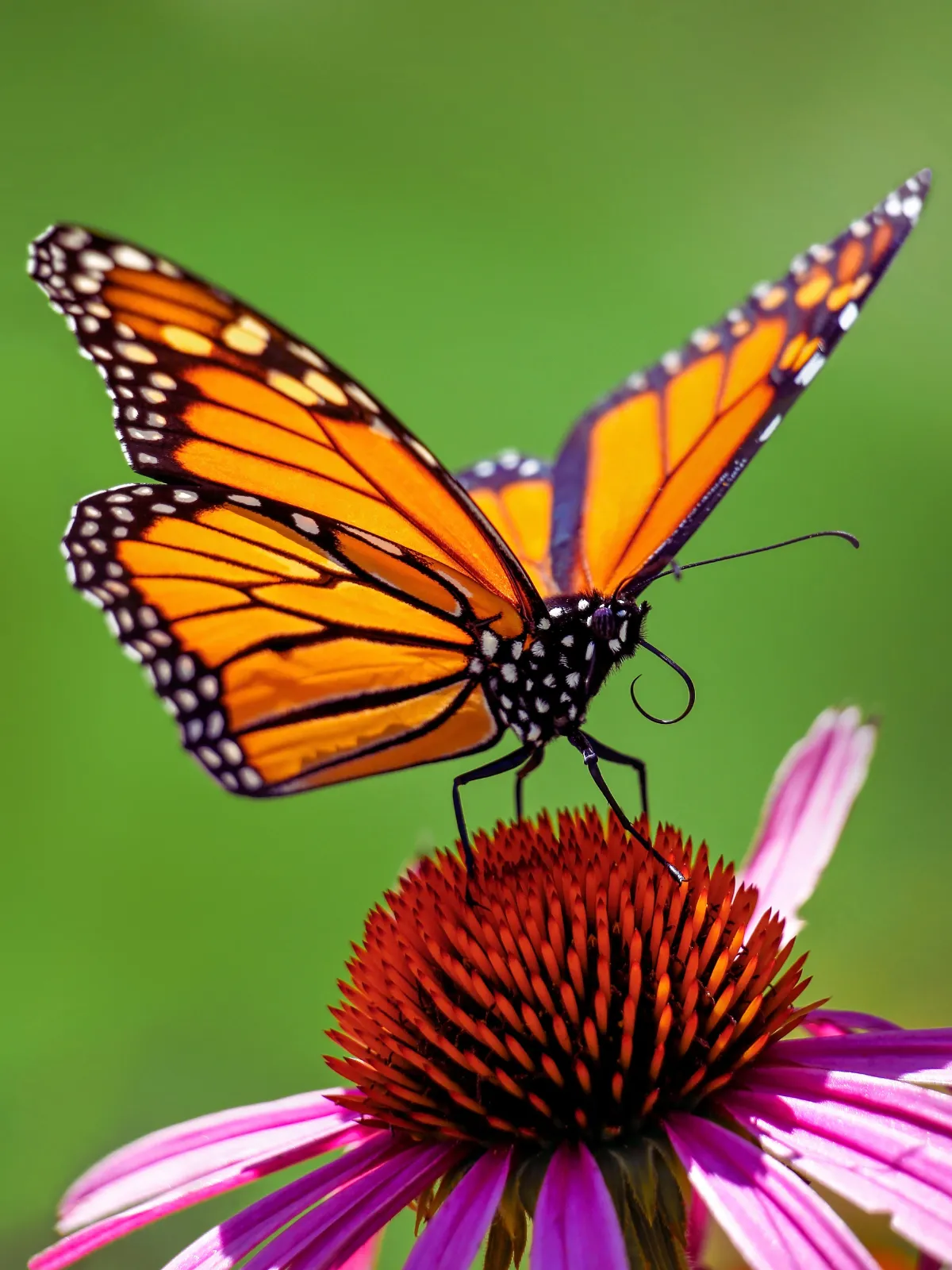
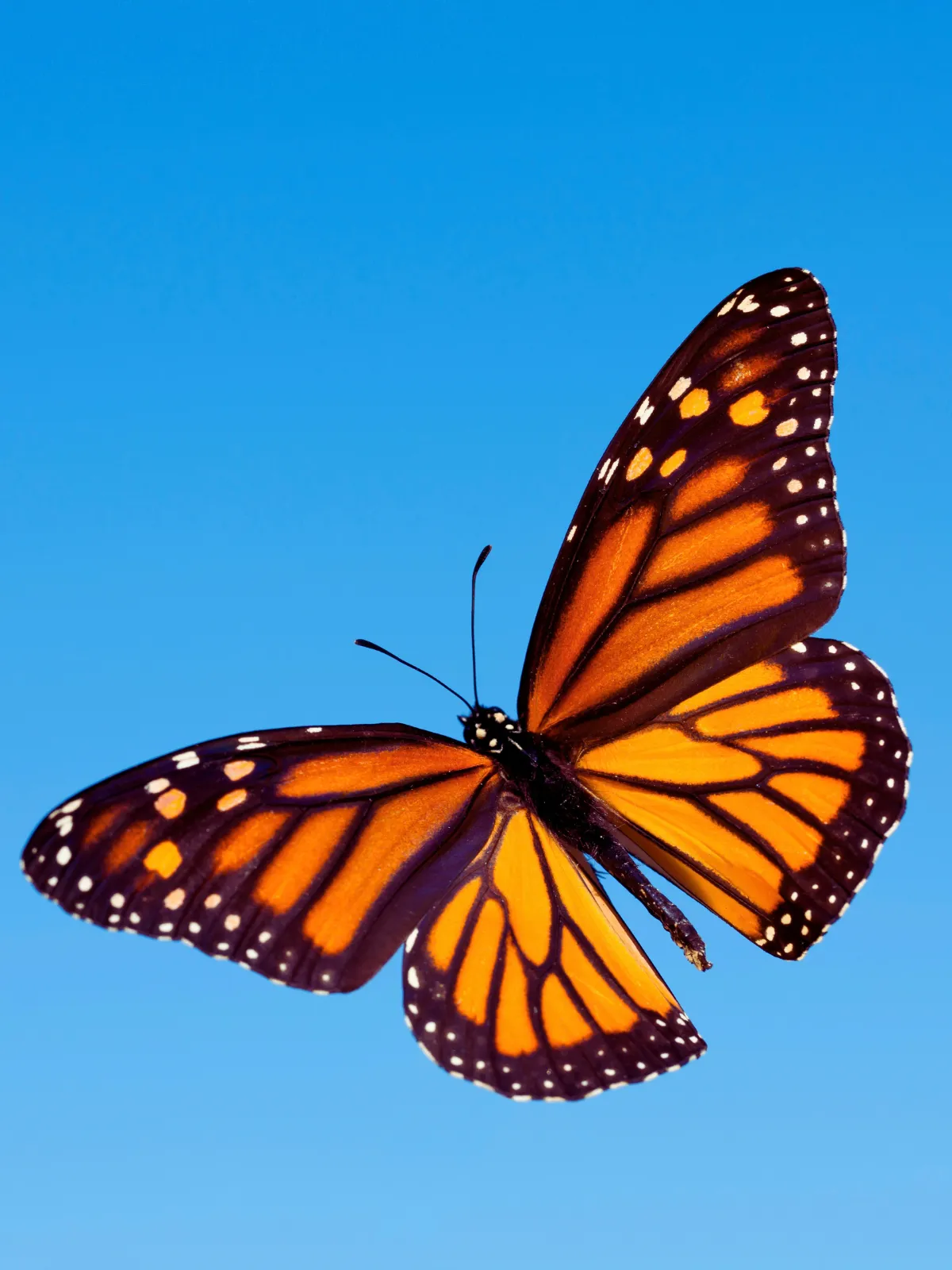
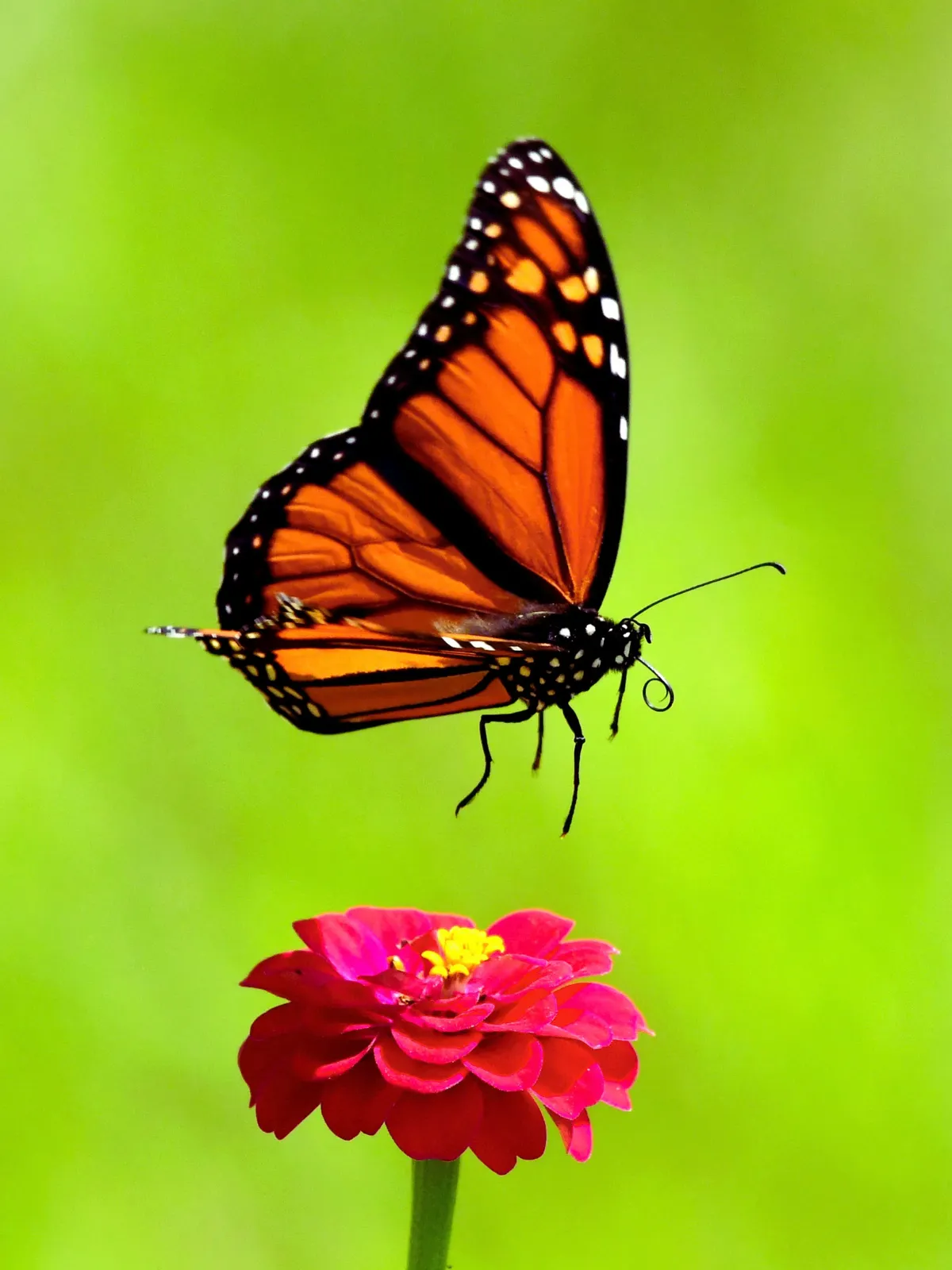
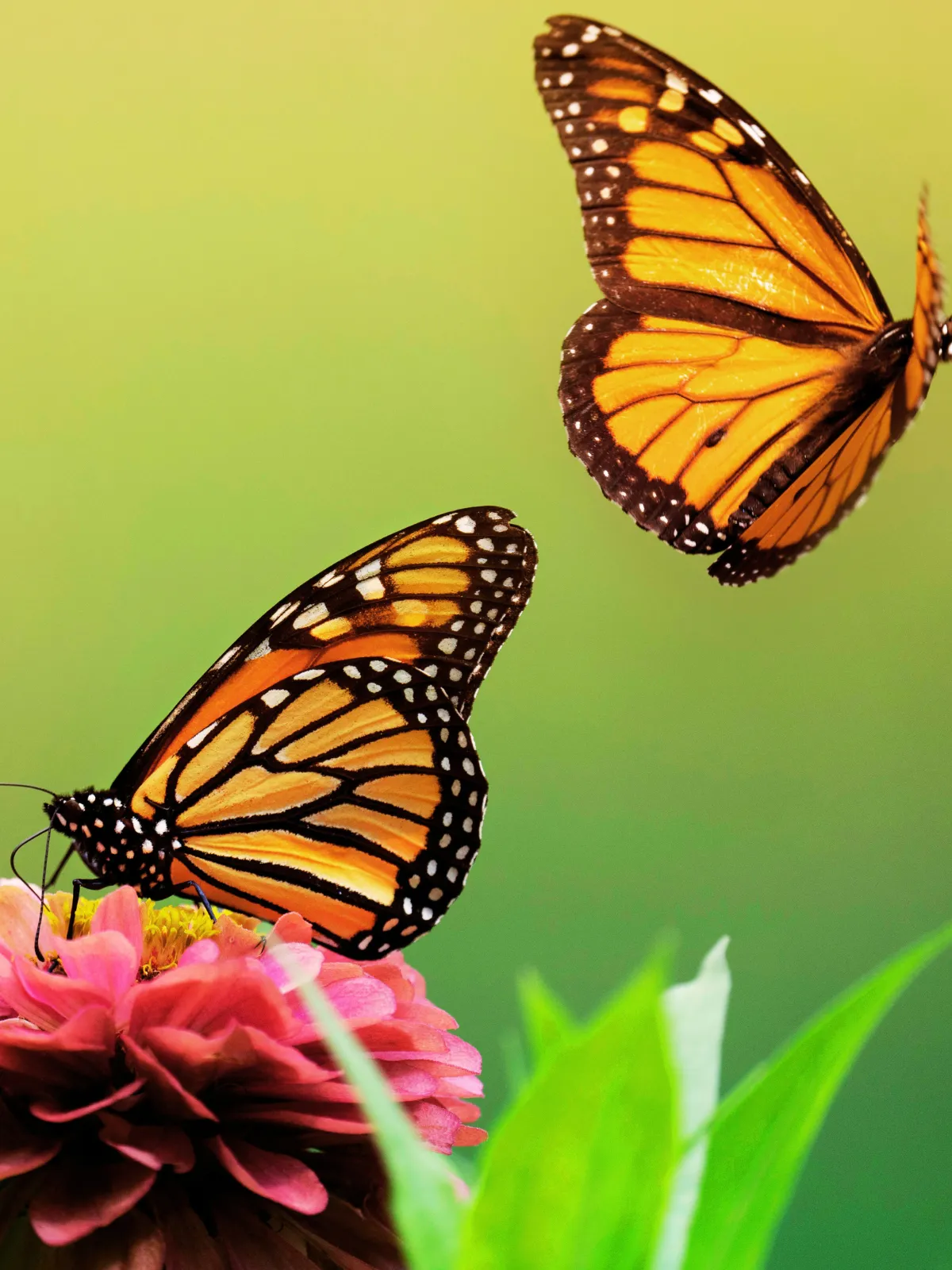
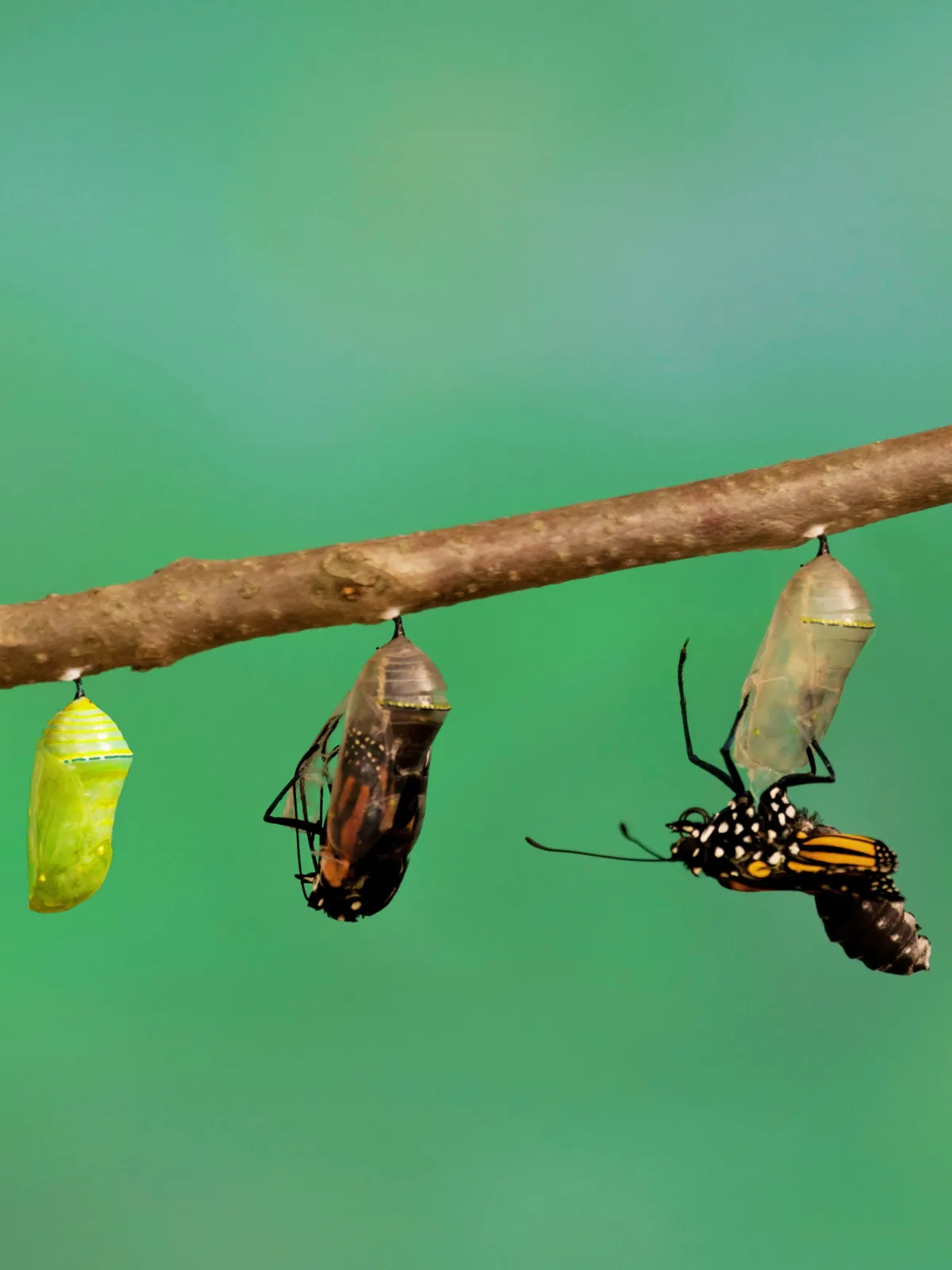
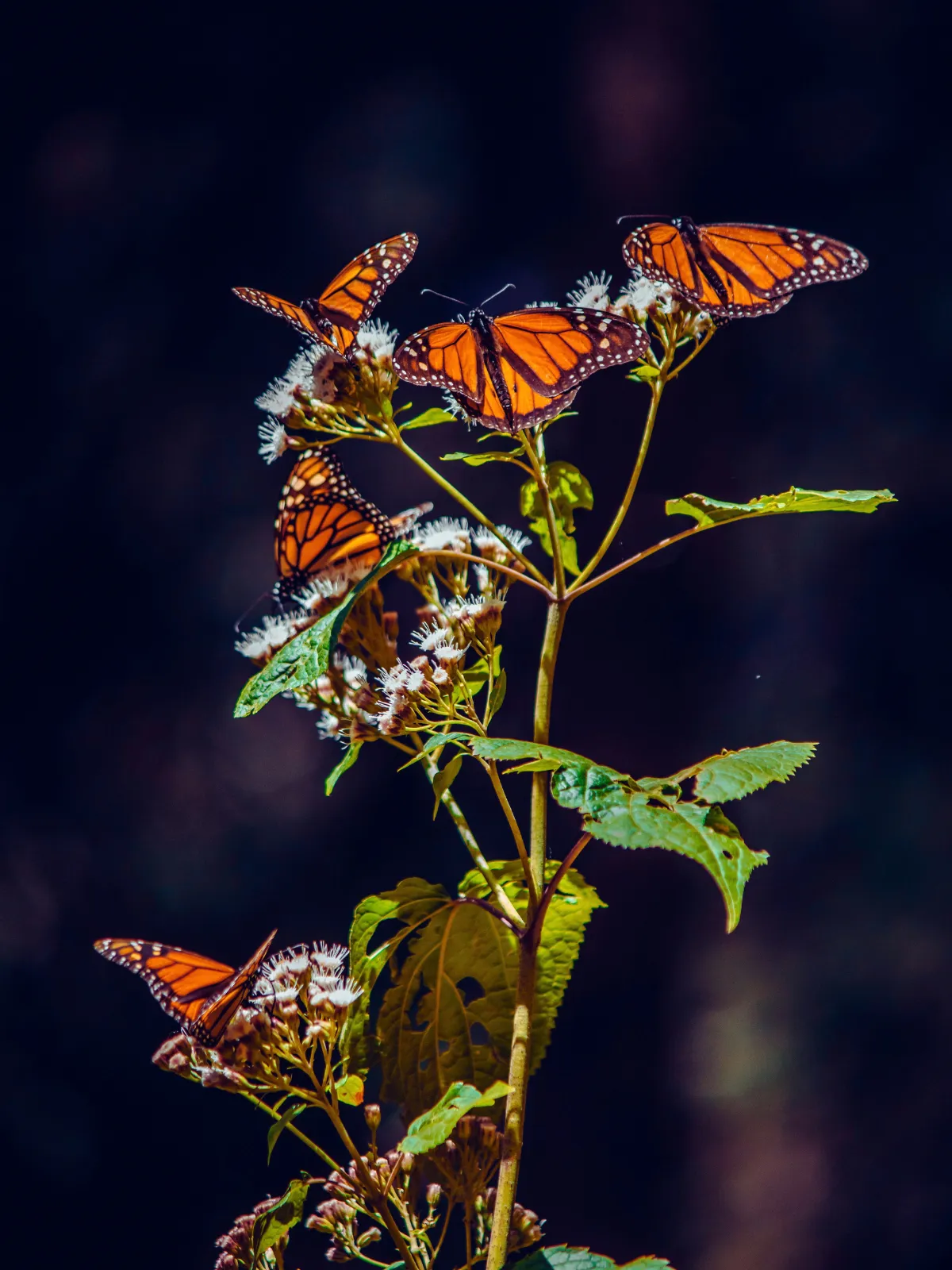
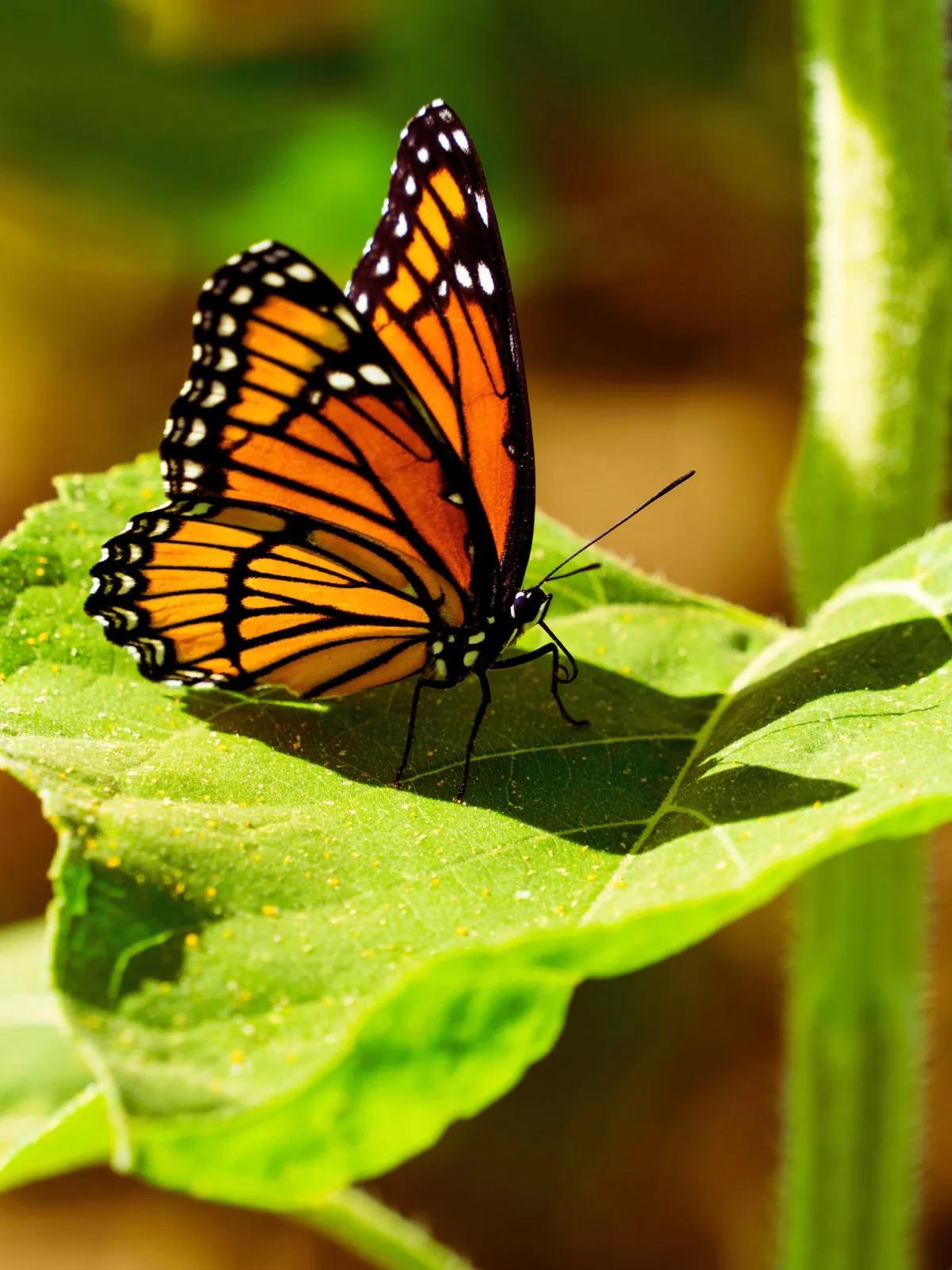
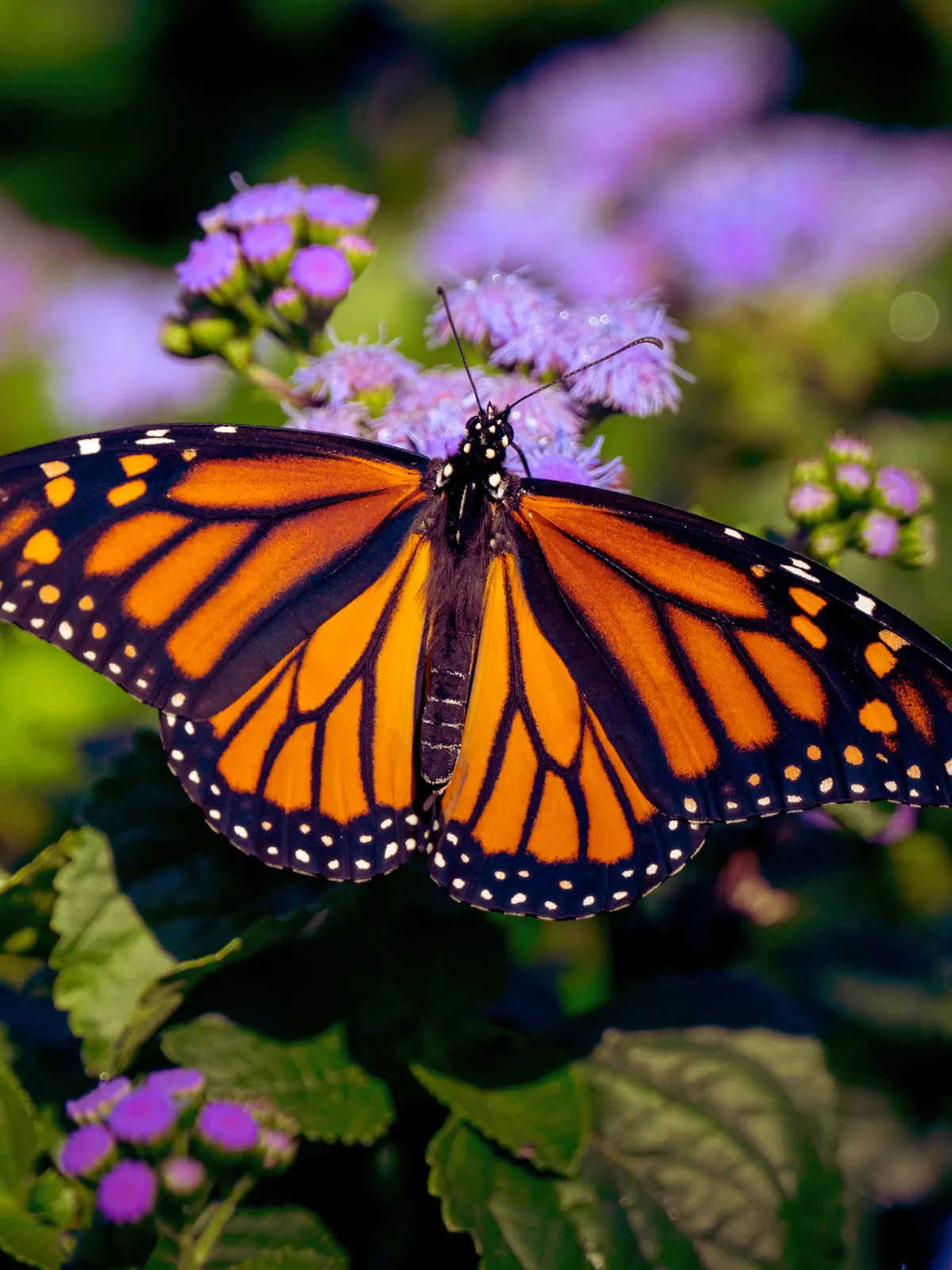
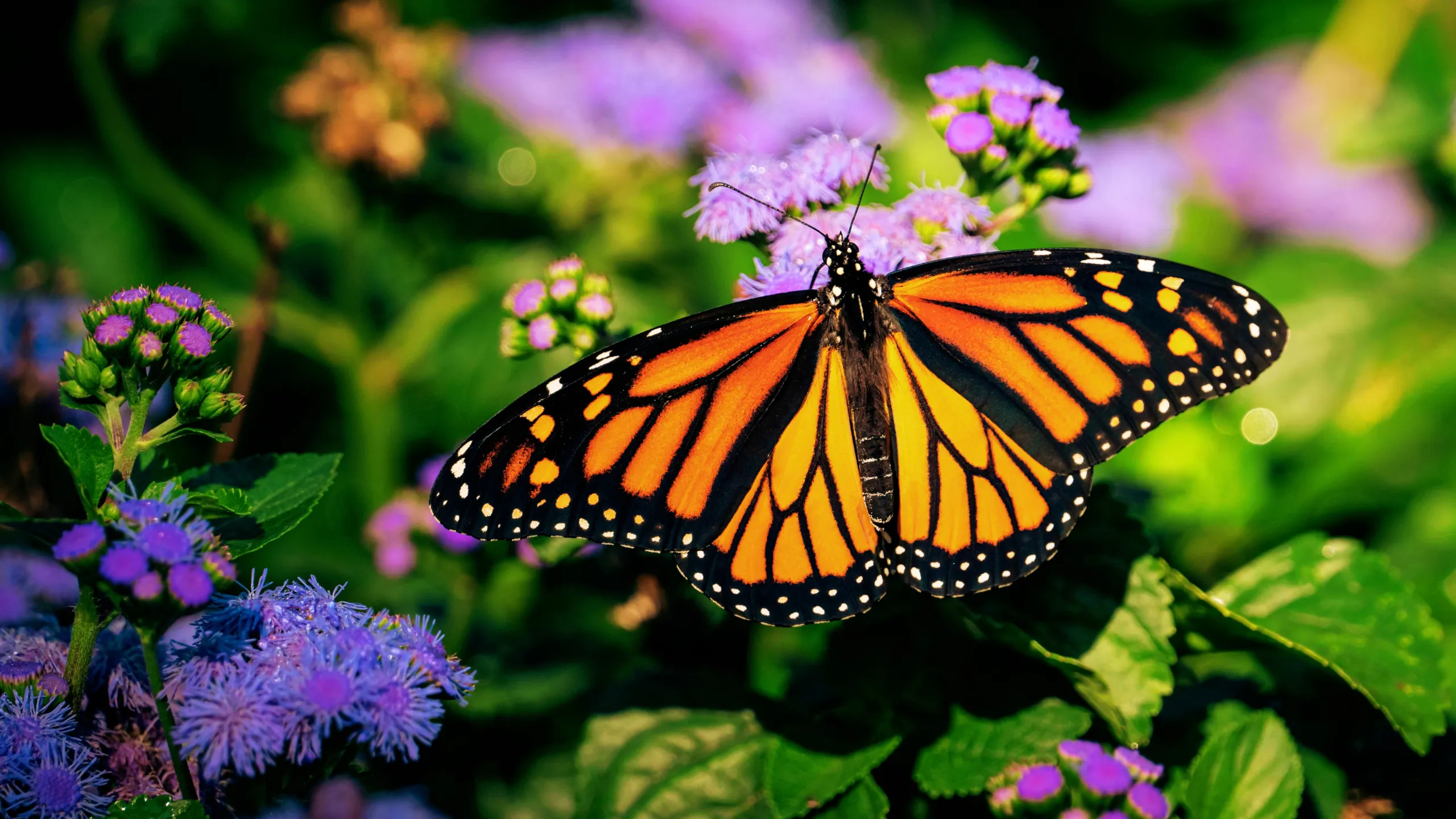
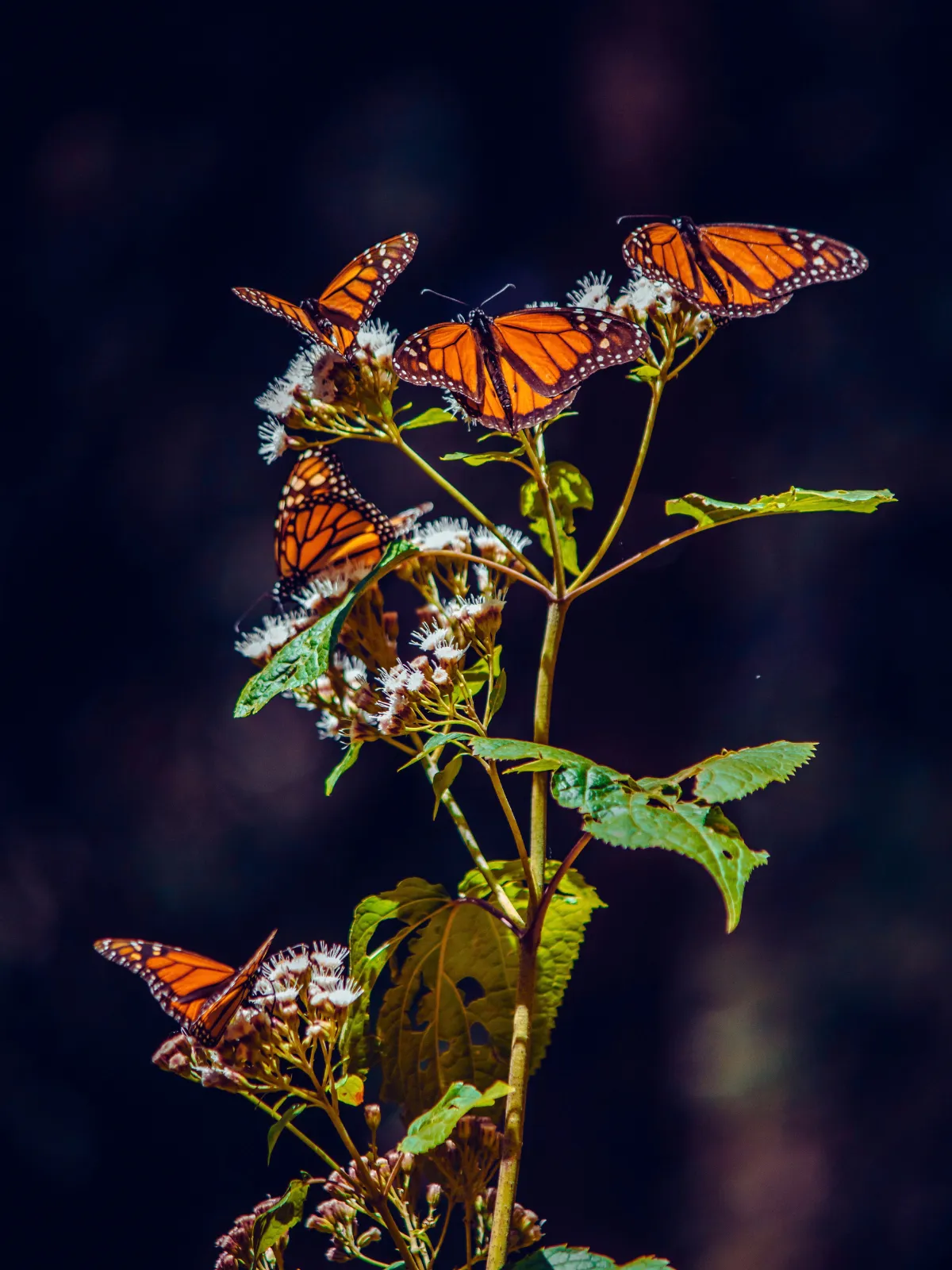
Monarch caterpillars feed only on milkweed, which contains toxic compounds called cardiac glycosides (cardenolides). Instead of being harmed, they store these compounds in their bodies and keep them through metamorphosis. The wings hold about three times the body’s average concentration, and the abdomen keeps the most potent ones. This makes monarchs toxic and foul-tasting to vertebrates, and their bold orange and black pattern, a strategy called aposematism, warns predators away. The defense is not perfect. Black-backed orioles can taste and reject the toxins, black-headed grosbeaks tolerate them, and some mice eat up to 40 monarchs in a night. Caterpillars also sequester the toxins best from milkweeds with intermediate levels.