













Wildari Planet
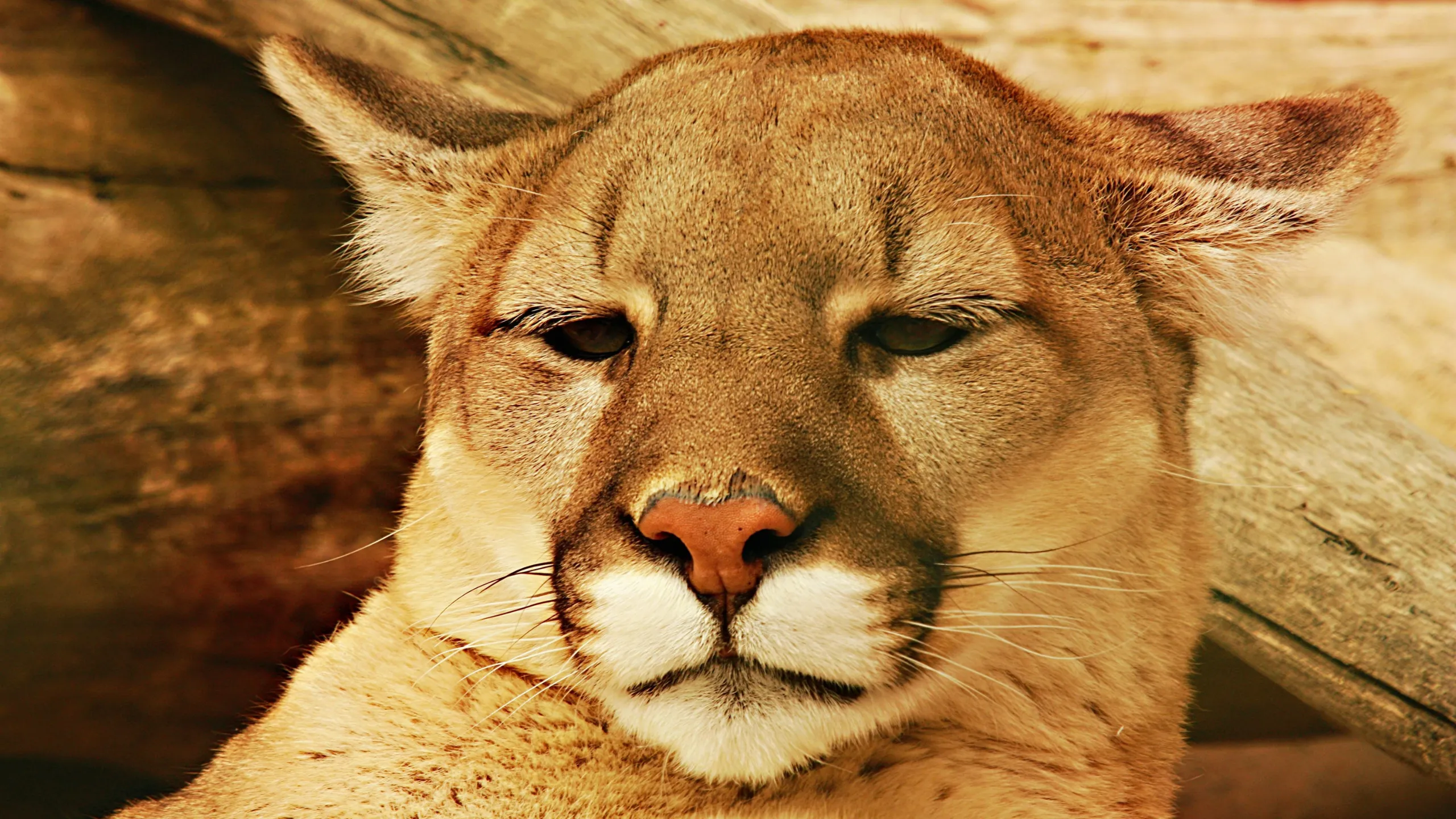
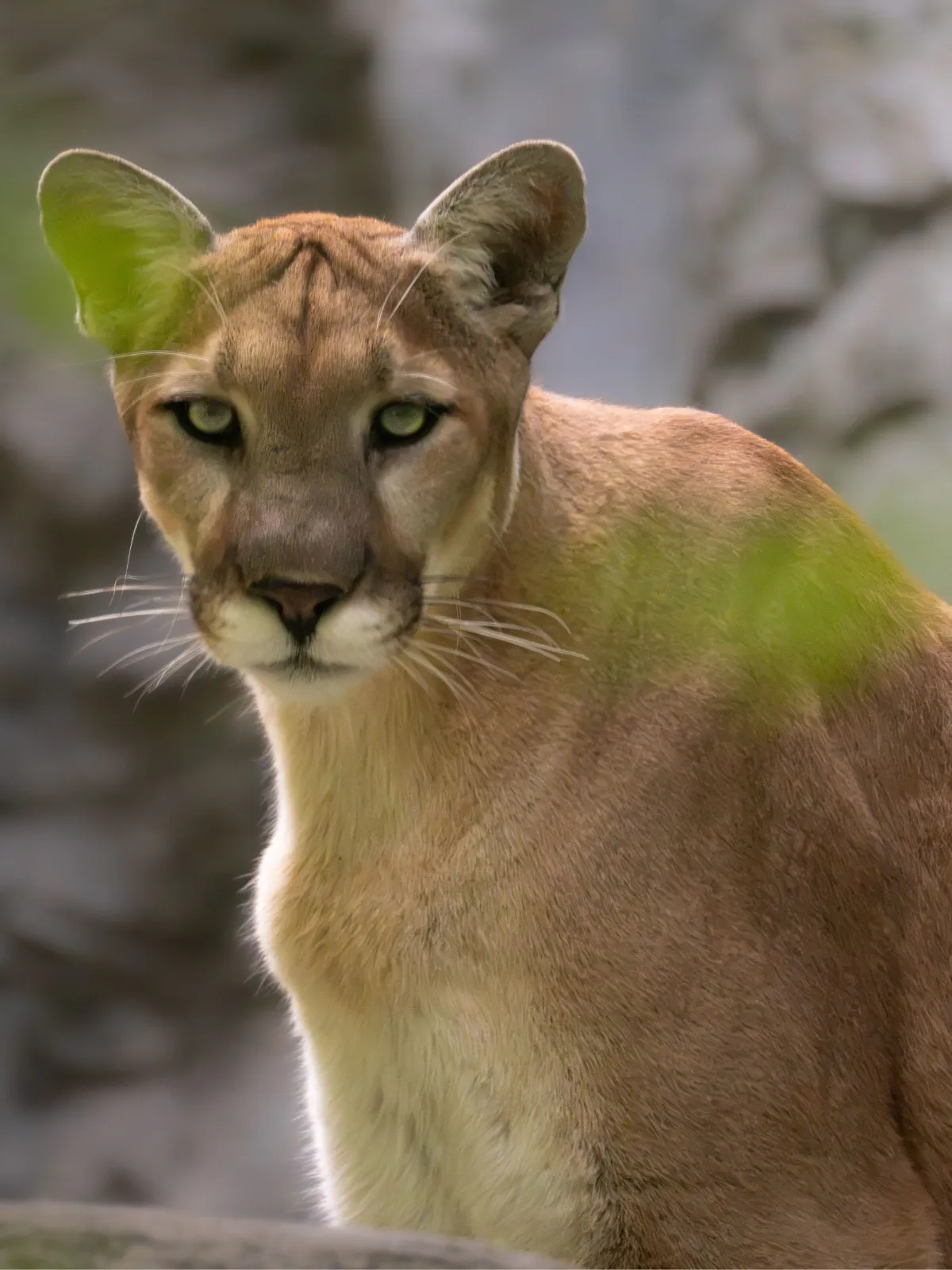
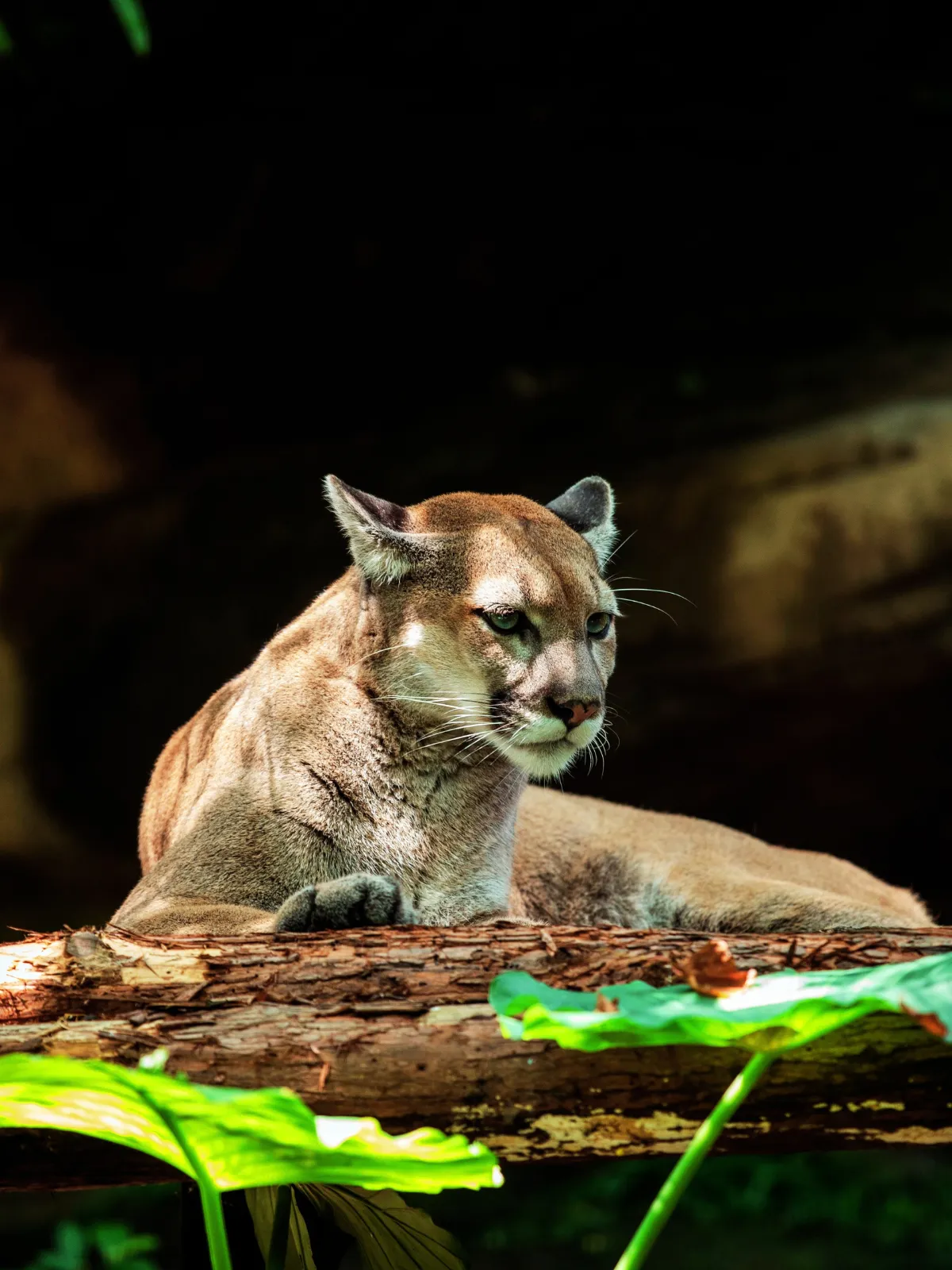
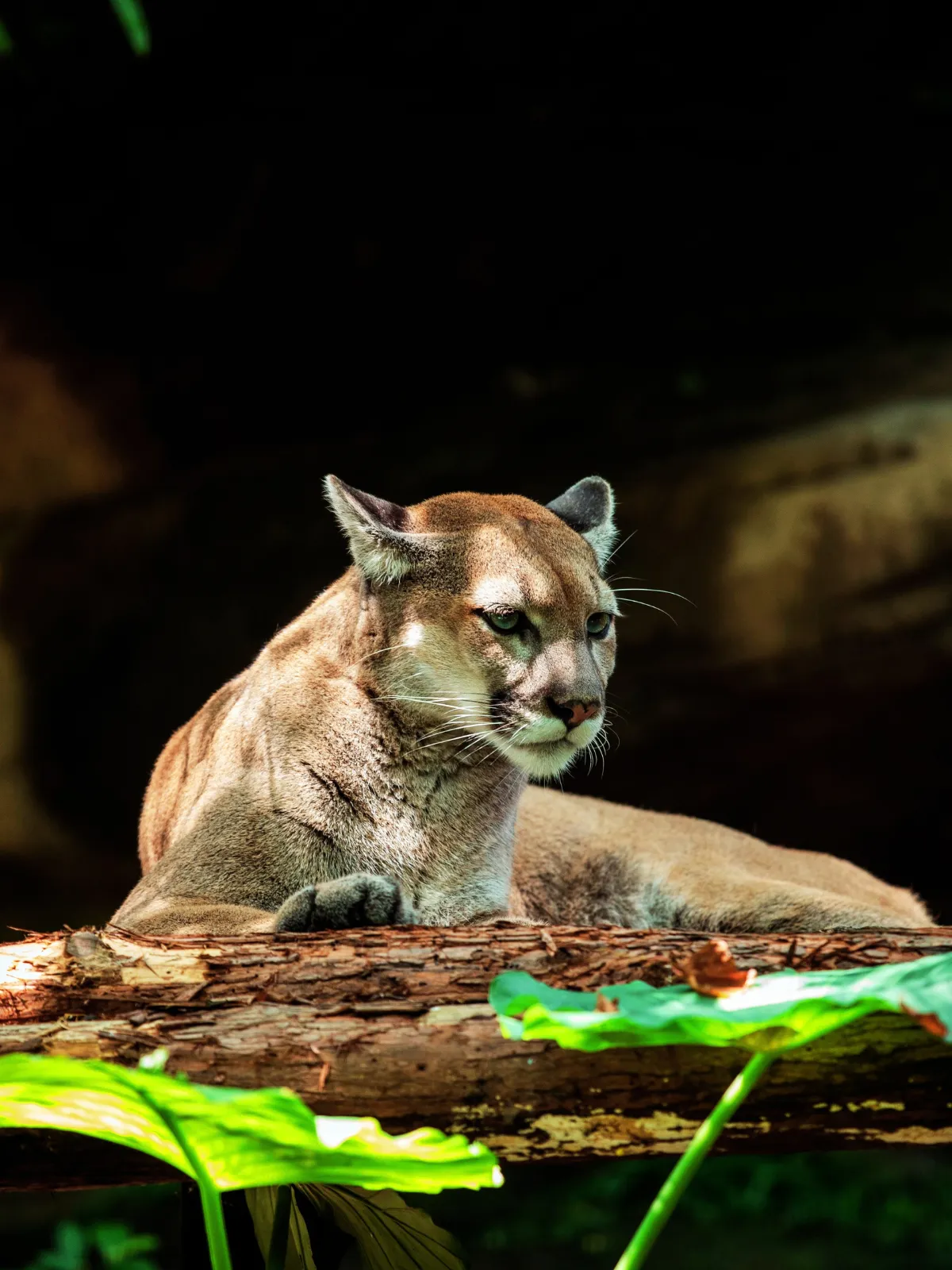
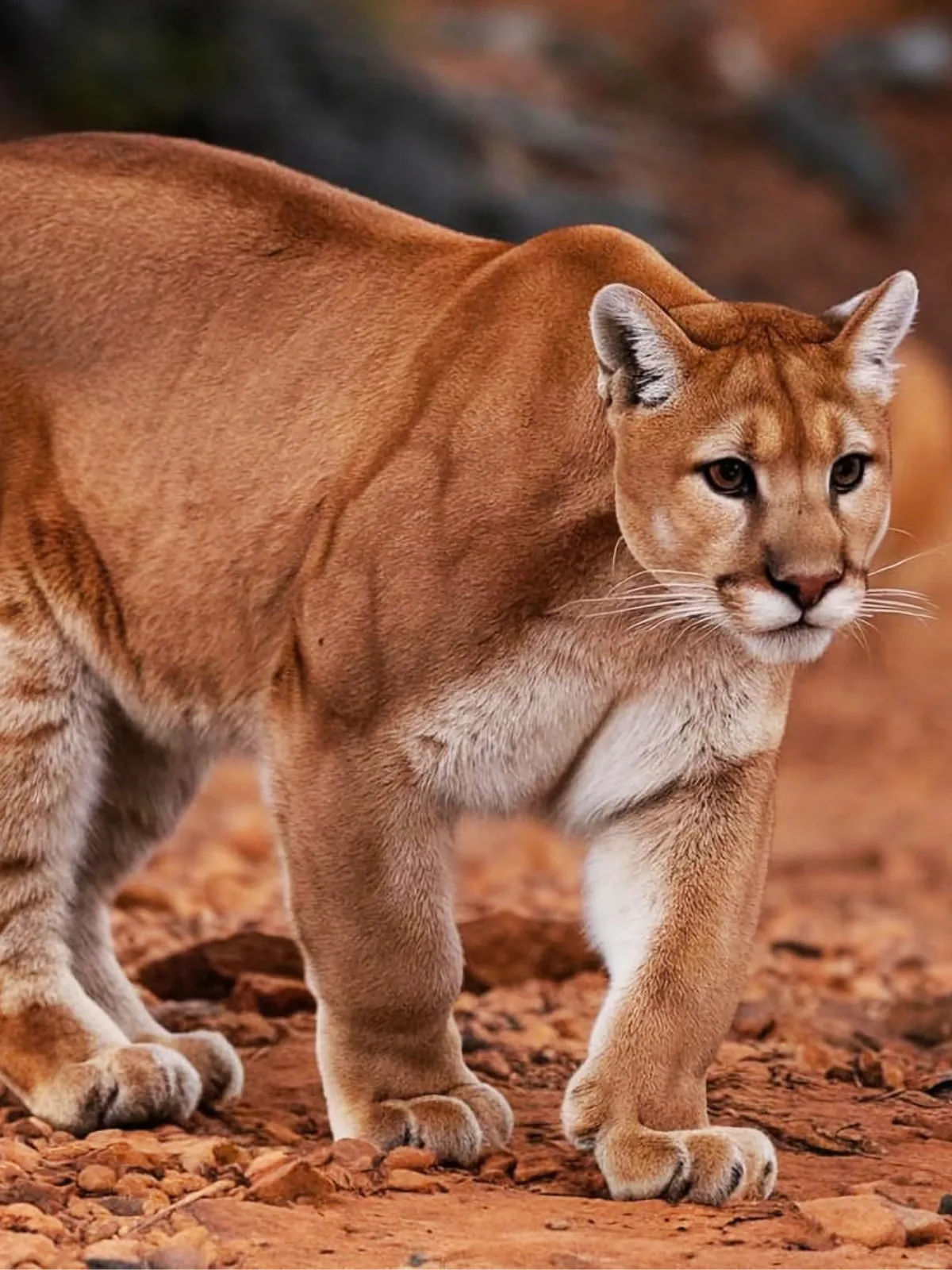
Direct close-up view of a cougar's face framed against a weathered log. The big cat has short tan-brown fur, light creamy fur around its muzzle, a pinkish nose outlined in black, and subtle dark tear-mark lines extending from its eyes.
North AmericaSouth AmericaMammalsLeast Concern

Mountain Lion

Where Mountain Lions Live

Continent: North America, South America
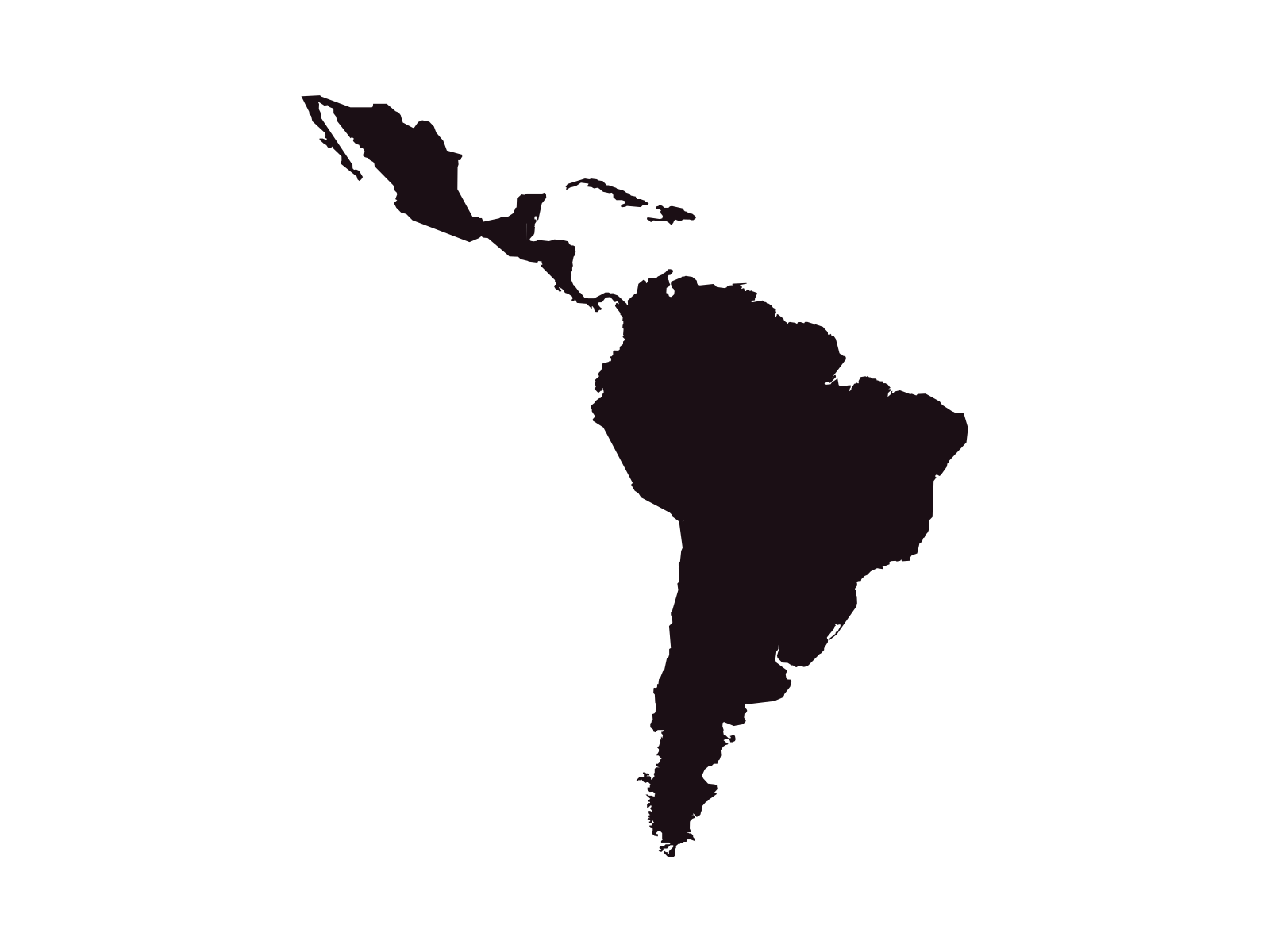
Forests, deserts, mountains, and grasslands across the Americas, from western Canada through the western United States, Mexico, and much of South America.

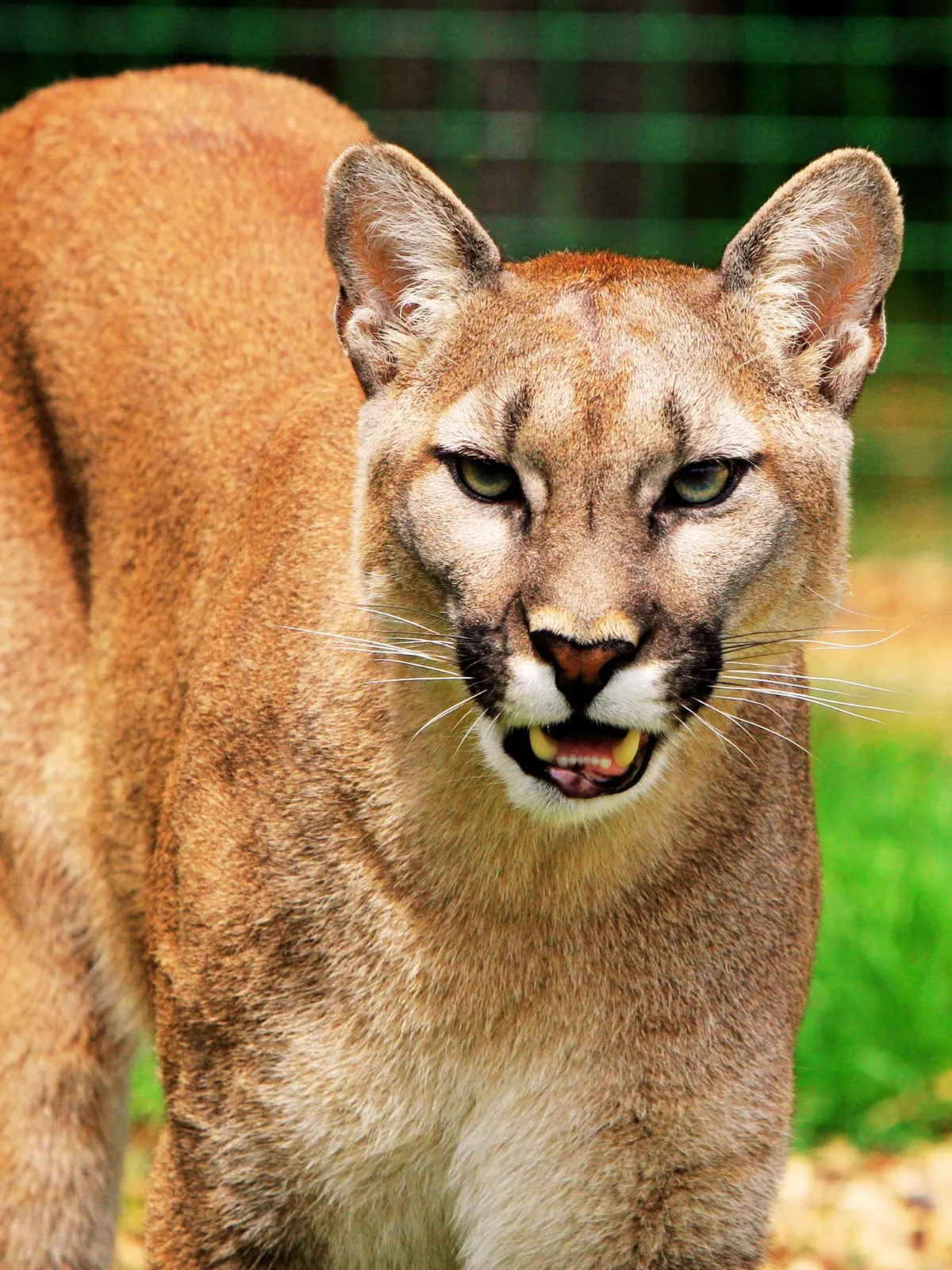
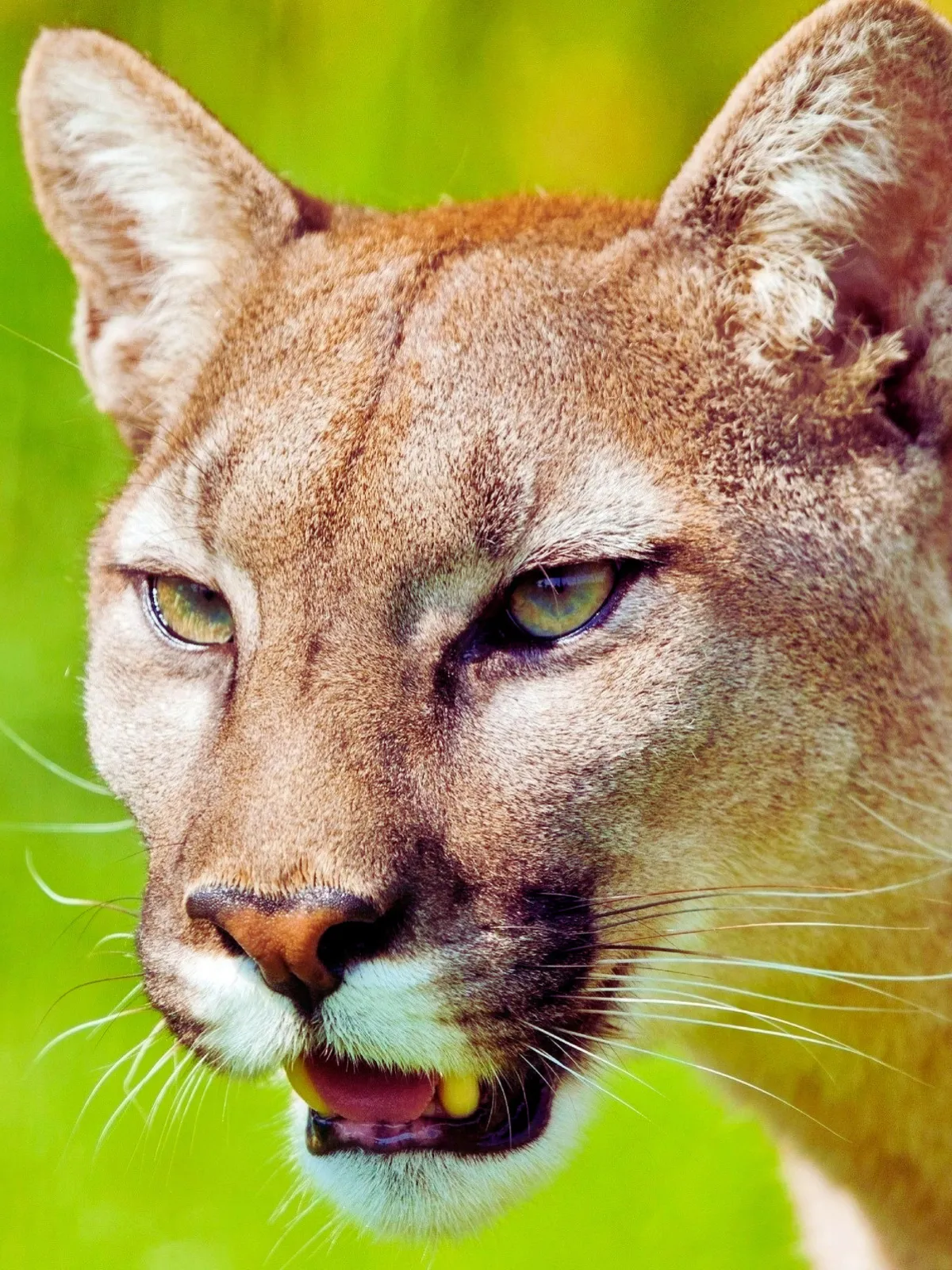
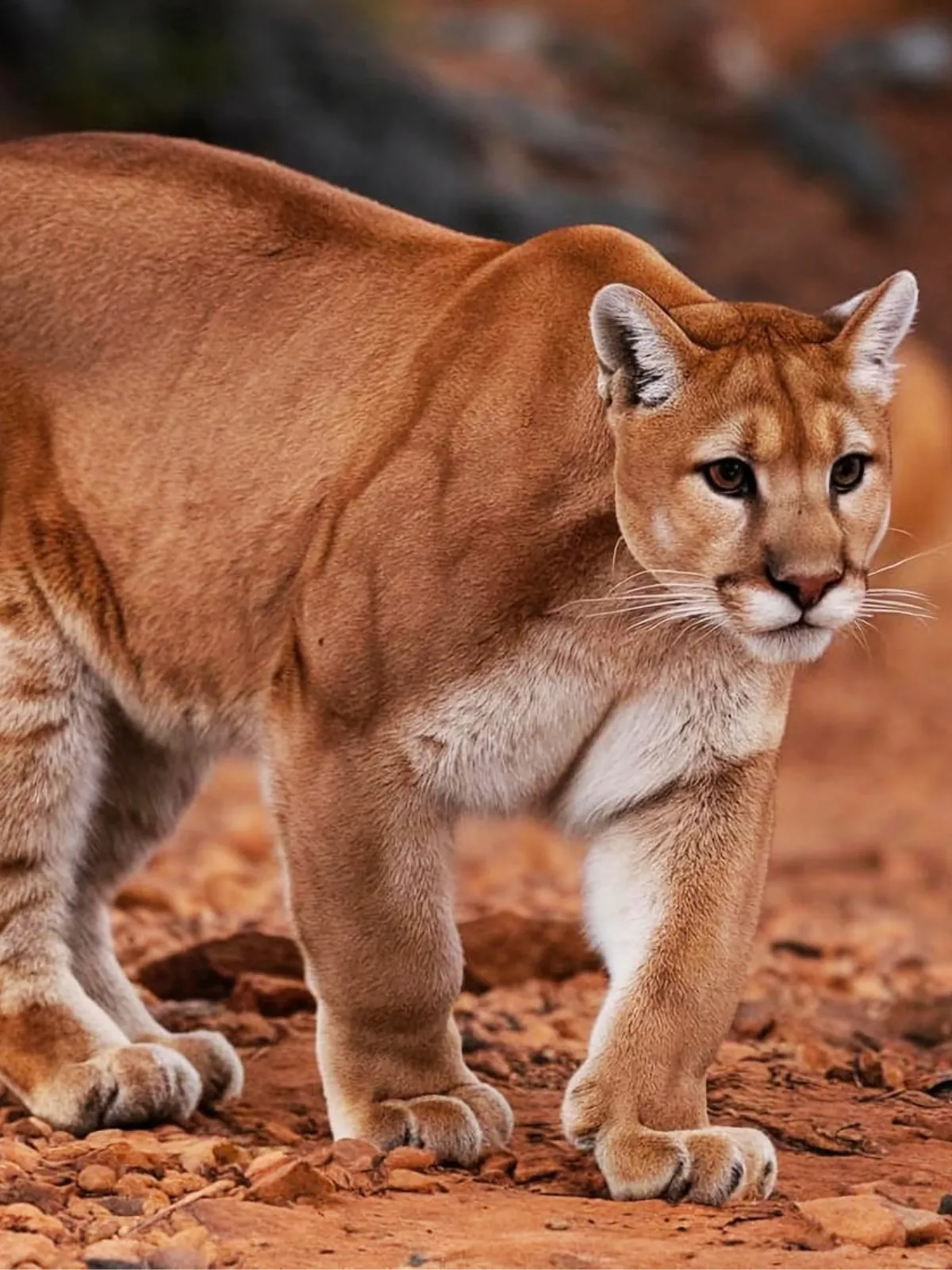
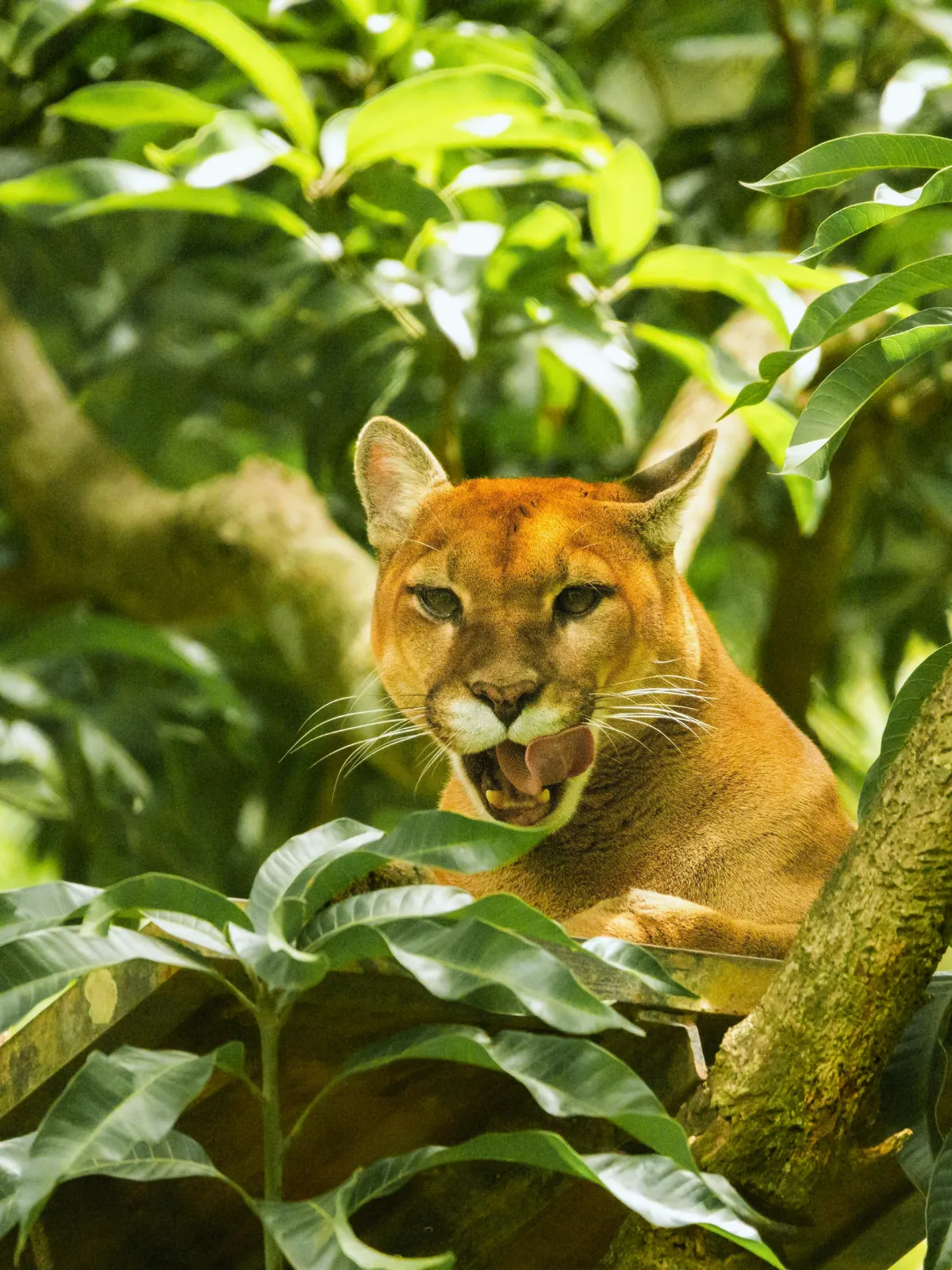
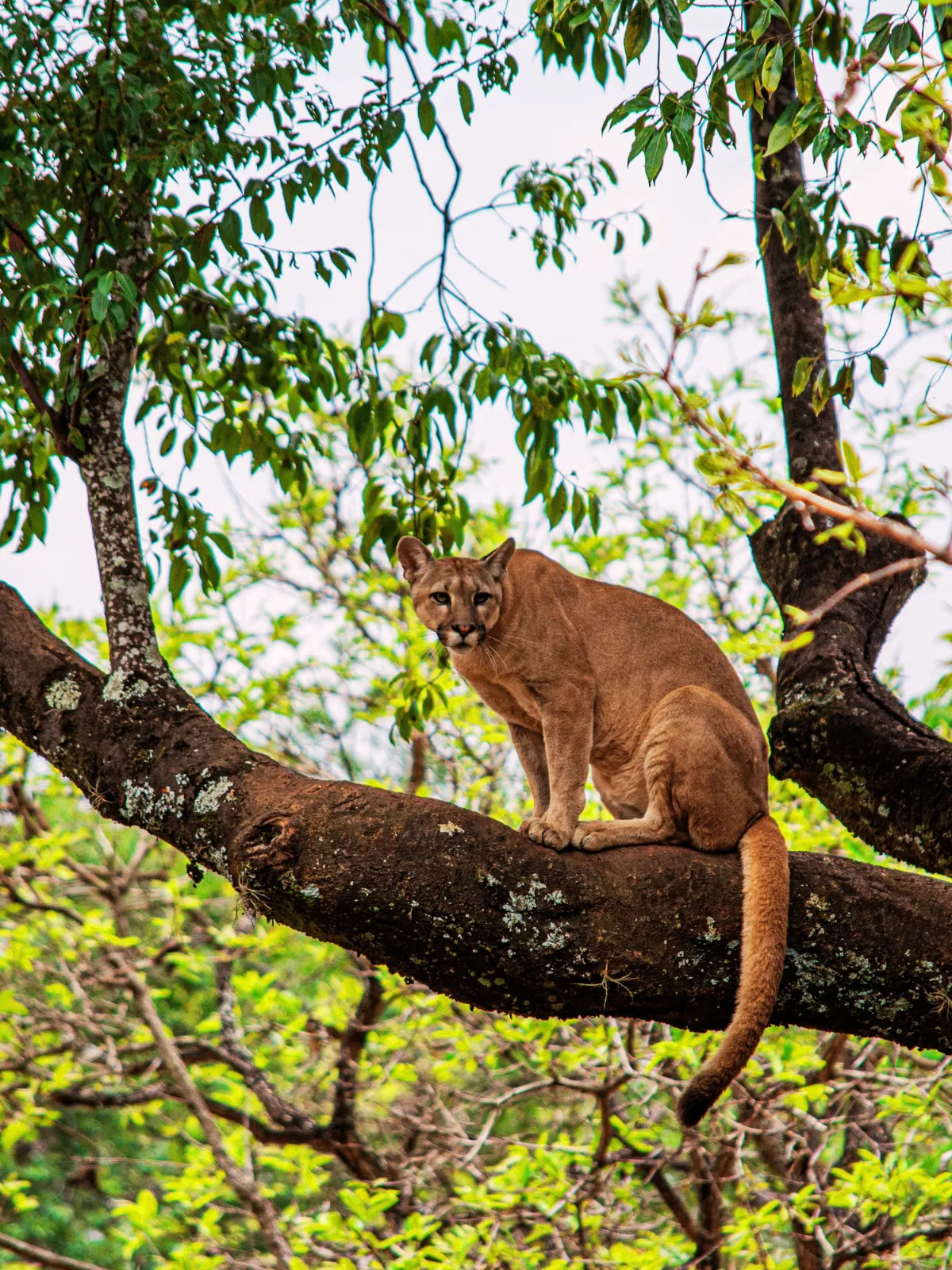
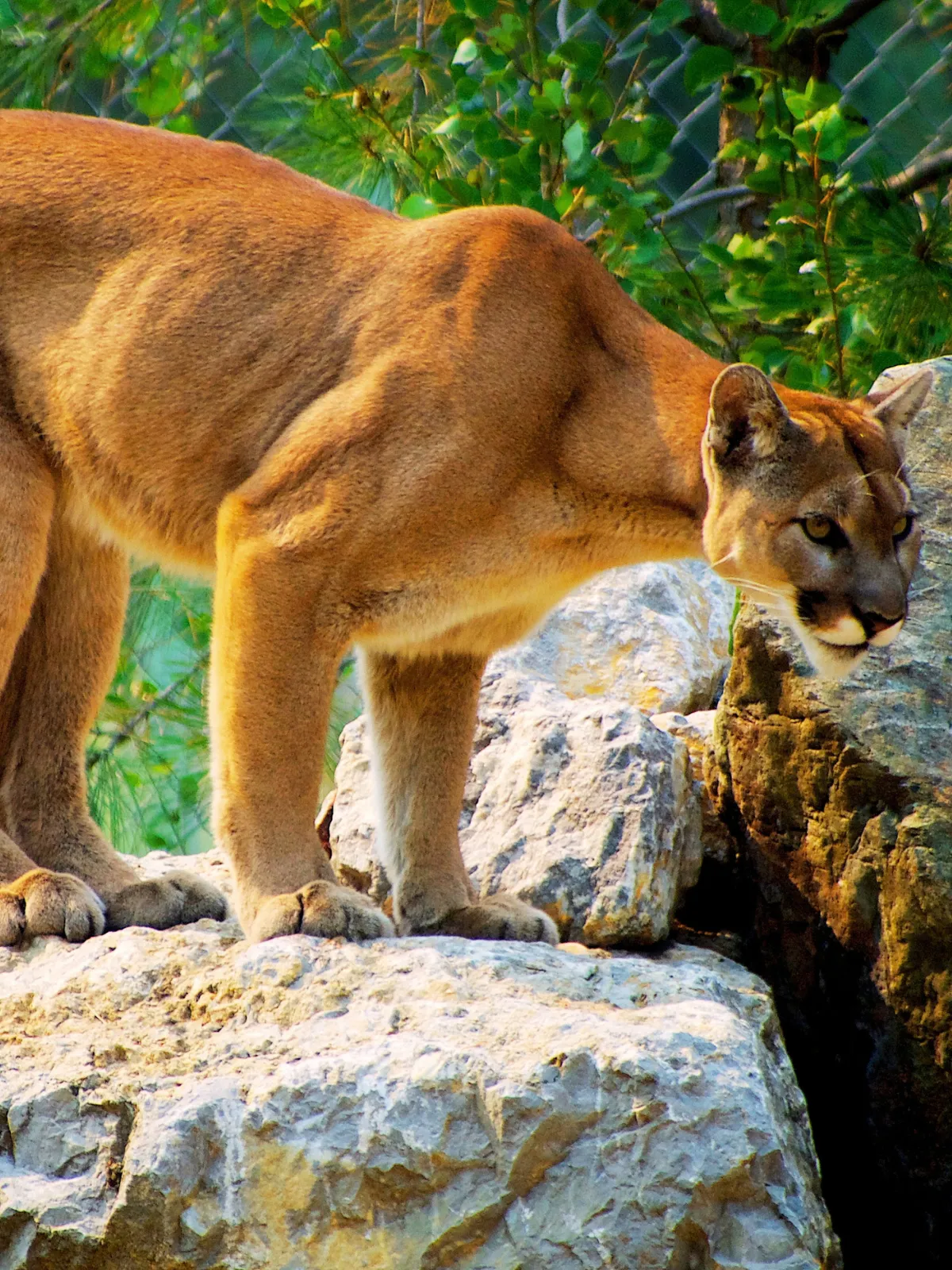
The mountain lion, also called the cougar or puma, is one of the most widely distributed wild cats in the Western Hemisphere, ranging from Canada to the southern tip of South America. Unlike Panthera cats, it cannot roar, instead communicating through purrs, chirps, growls, and a distinctive scream. A solitary, highly territorial predator, it relies on explosive leaping ability and stealth to ambush prey. Though stable overall, regional populations face pressure from habitat fragmentation and human conflict.
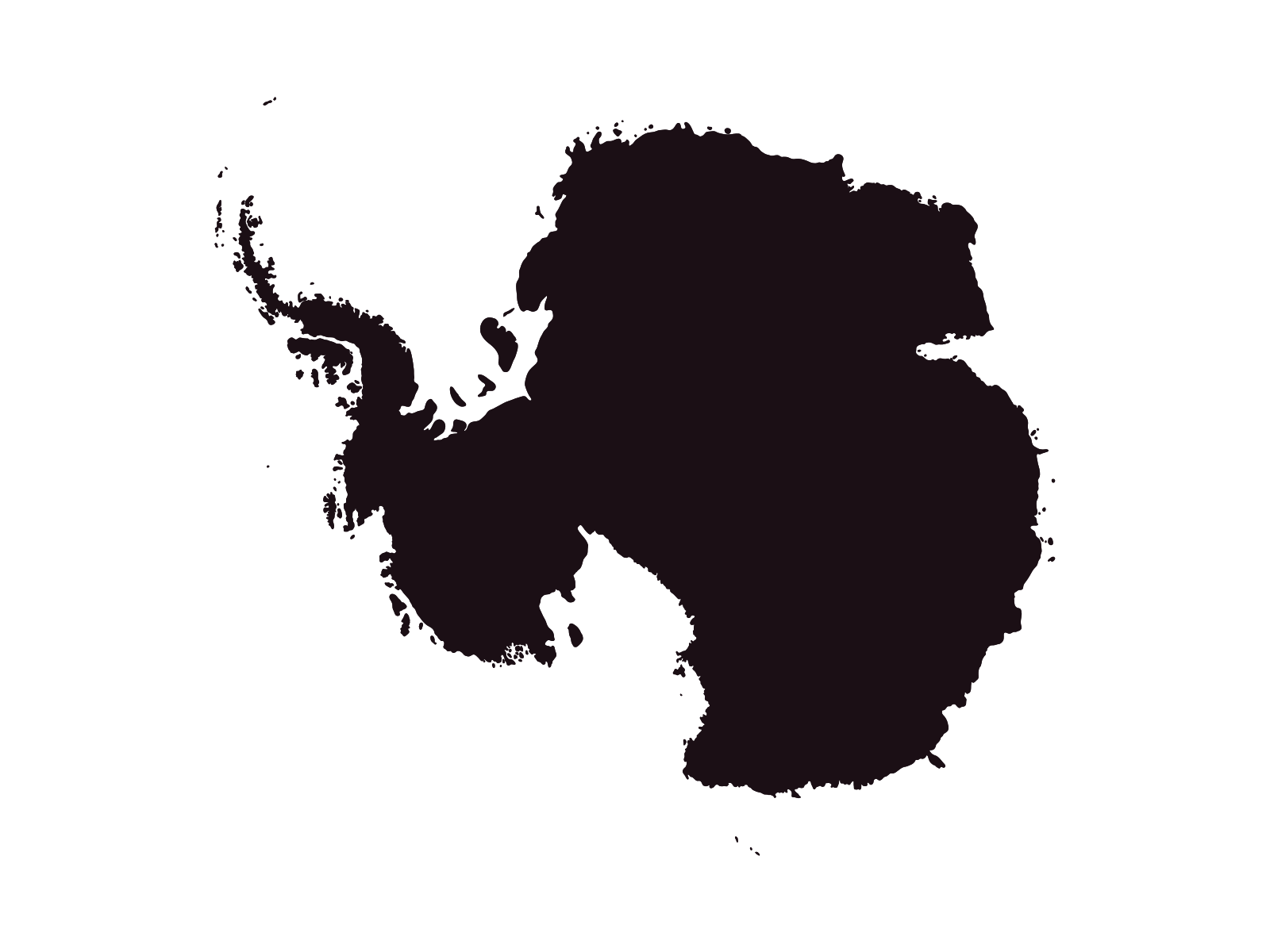
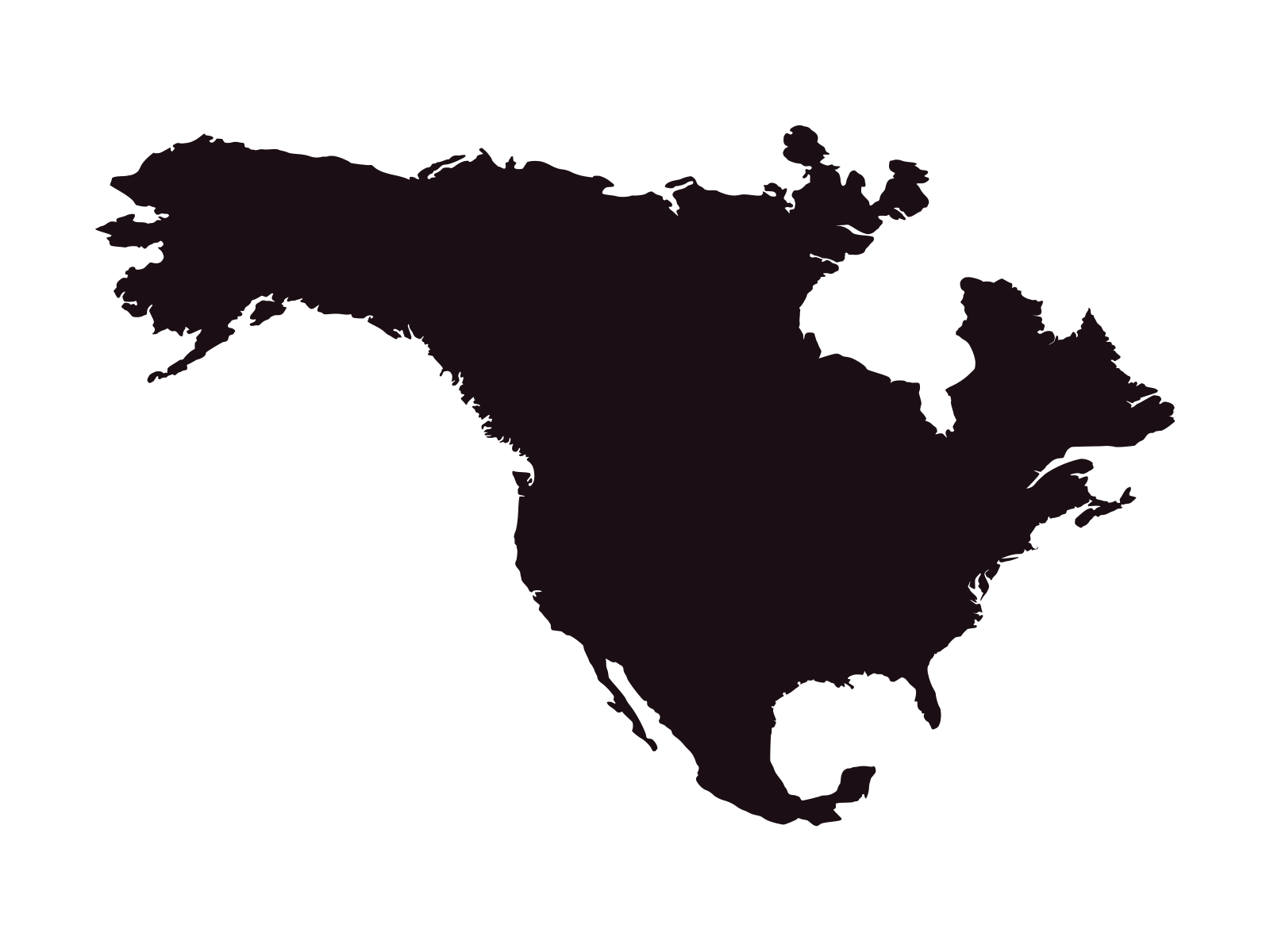
North America and South America maps silhouettes on white background.

North America, South America

Quick Facts

Length icon
Length1.5 to 2.75 m (5 to 9 ft) including tail
Weight icon
WeightMales 53 to 100 kg (117 to 220 lb), females 29 to 64 kg (64 to 141 lb)
Lifespan icon
Lifespan8 to 13 years wild, up to 18 to 20 in some cases
Speed icon
SpeedCapable of leaps up to 5.5 m (18 ft) vertically and 12 m (40 ft) horizontally
Diet icon
DietDeer and other mammals, from rodents to elk
Clutch icon
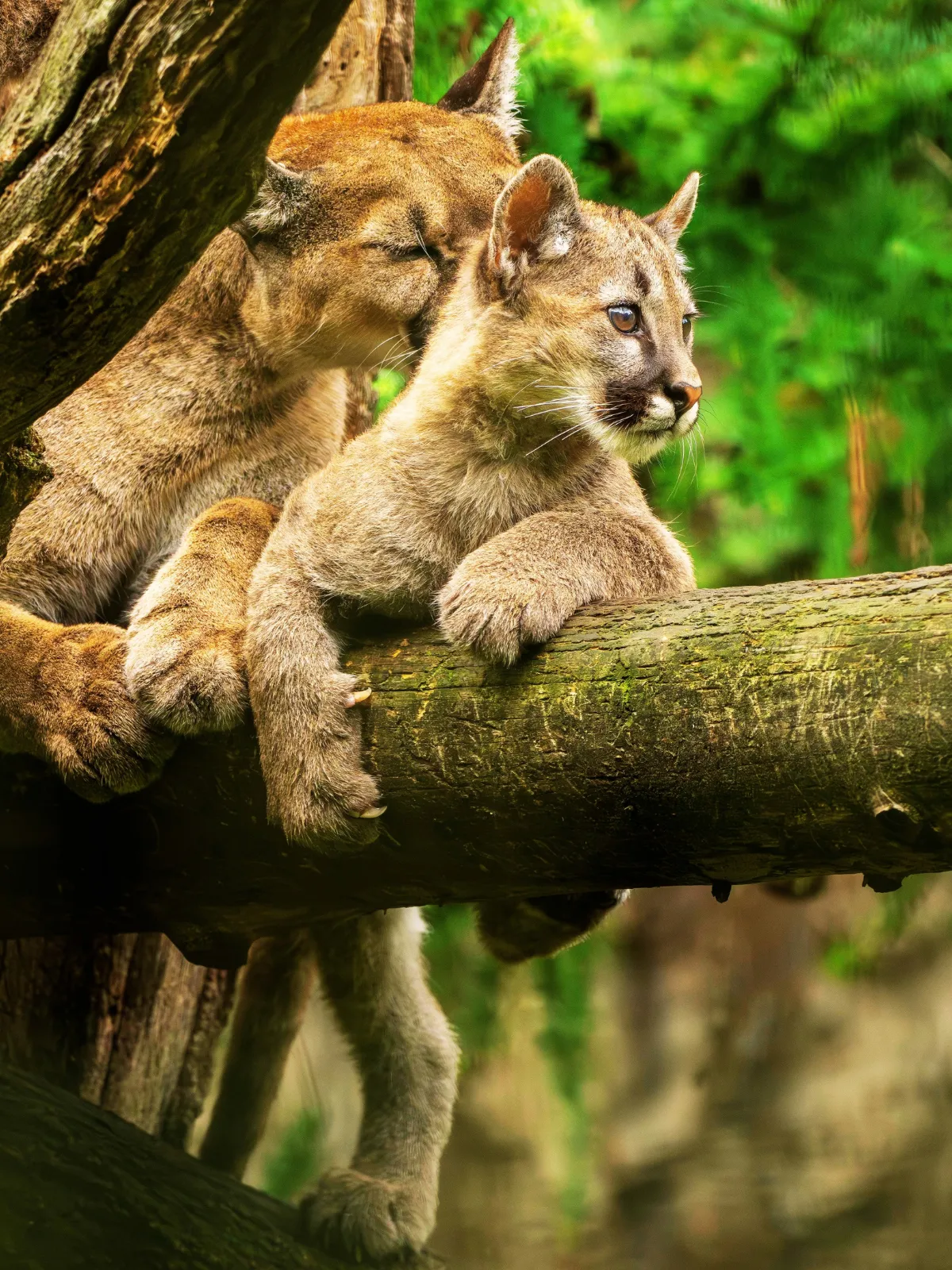
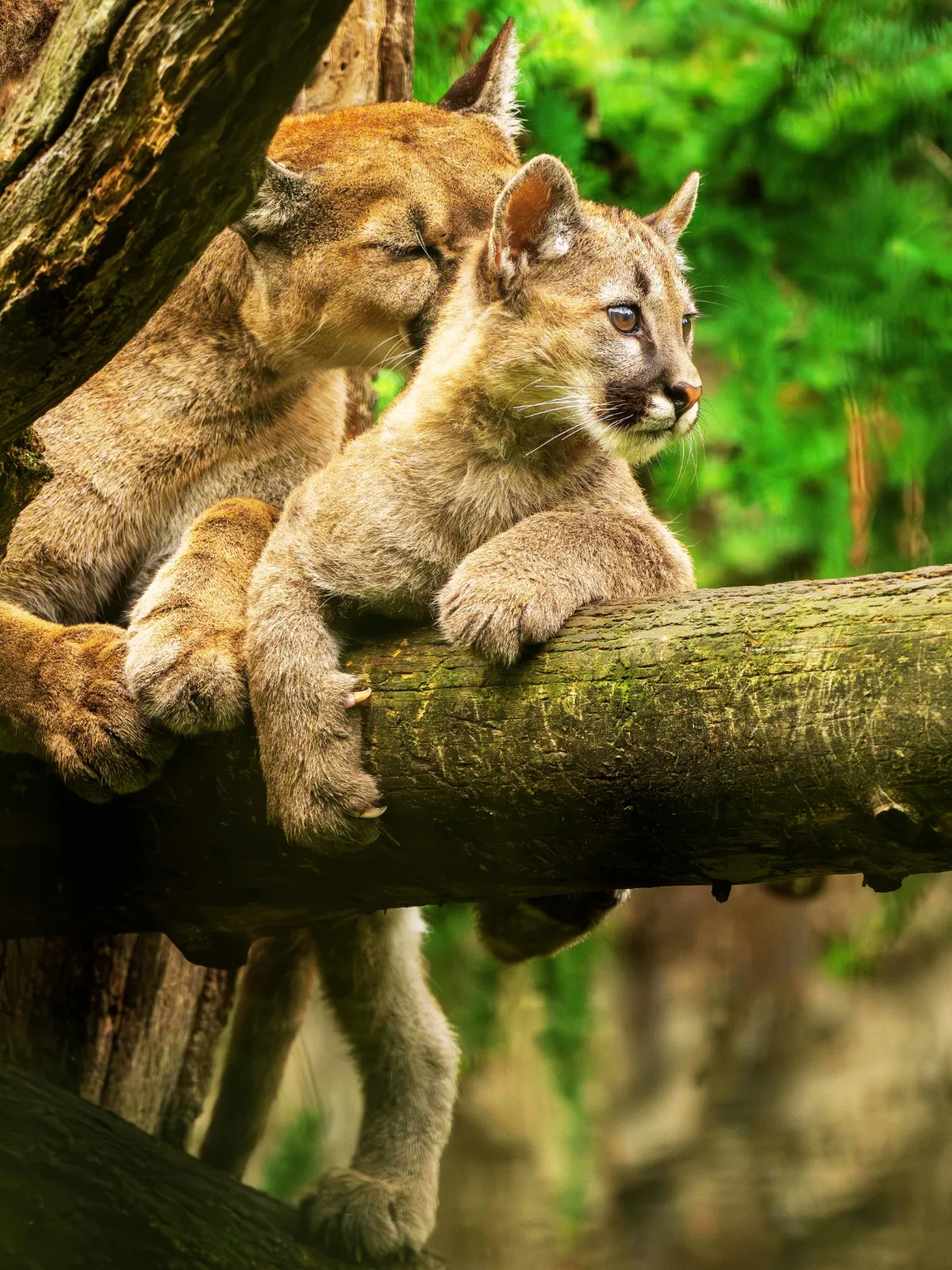
Clutch1 to 6 kittens, usually 2 to 4, gestation about 90 days
Population icon
PopulationNo precise global figure, stable but regionally declining
Range icon
RangeWestern Canada to southern South America

Conservation Status

EXExtinct
EWExtinct in the Wild
CRCritically Endangered
ENEndangered
VUVulnerable
NTNear Threatened
LCLeast Concern
NENot Evaluated

How Mountain Lions Survive in the Wild

1 / 3

Social Lives of Mountain Lions

1 / 3

Photo Gallery

Flashcards