











Wildari Planet
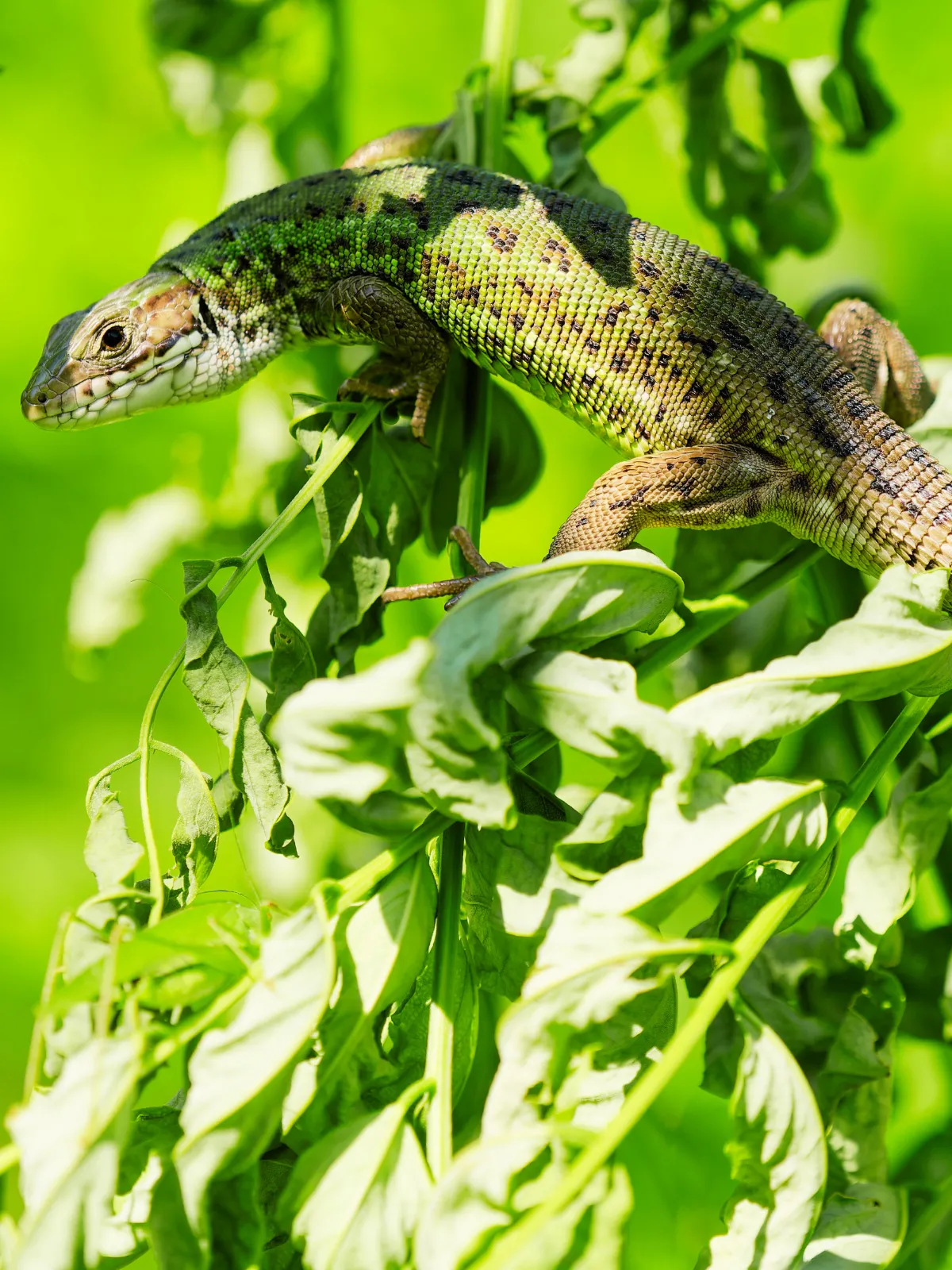
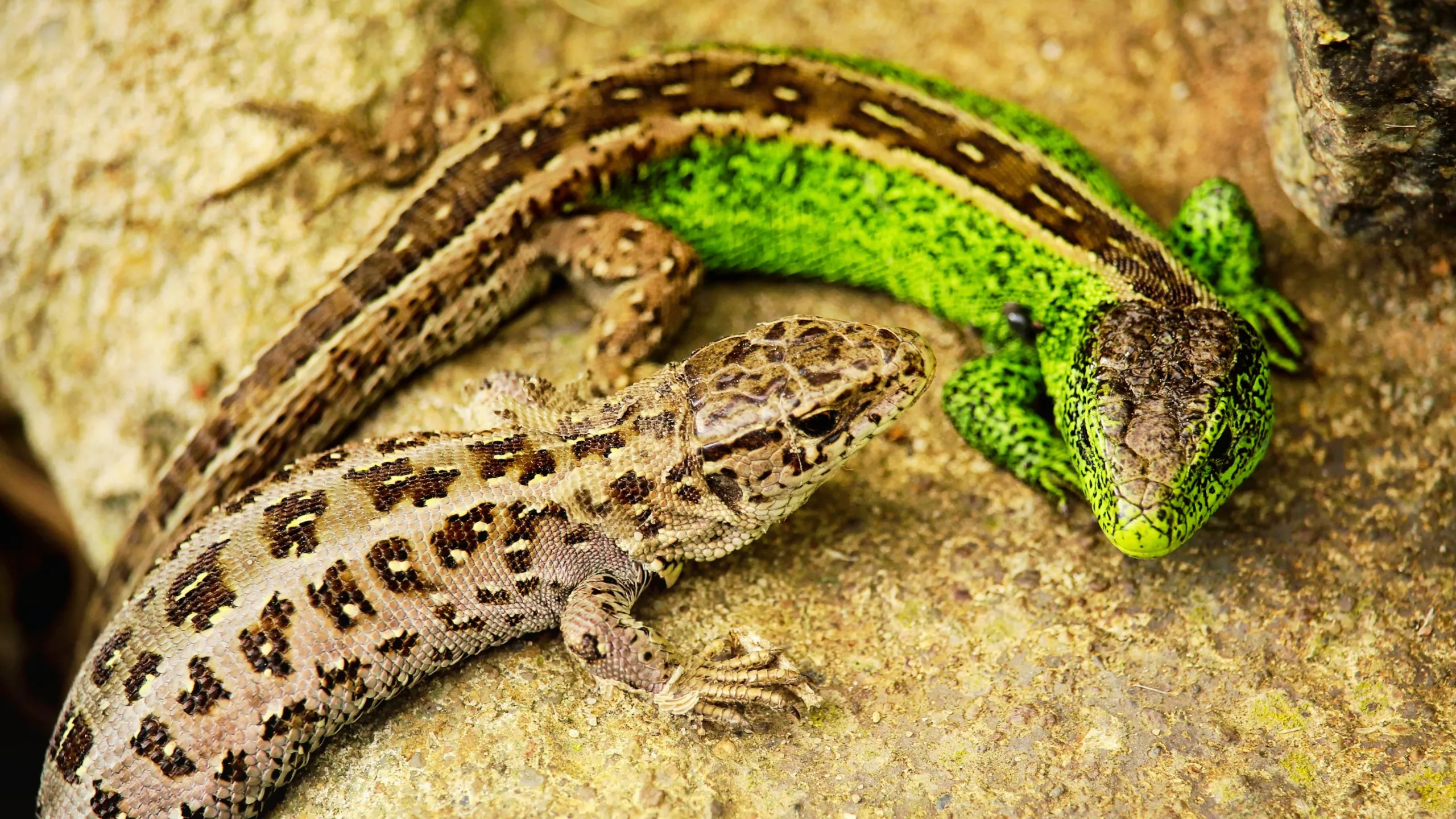
Top-down view of two sand lizards lying together on a warm stone surface. The upper lizard features bright lime-green flanks with brown back stripes, while the lower lizard displays a muted grey-brown skin covered in dark brown mottled spots.
AsiaEuropeReptilesLeast Concern

Sand Lizard

Where Sand Lizards Live

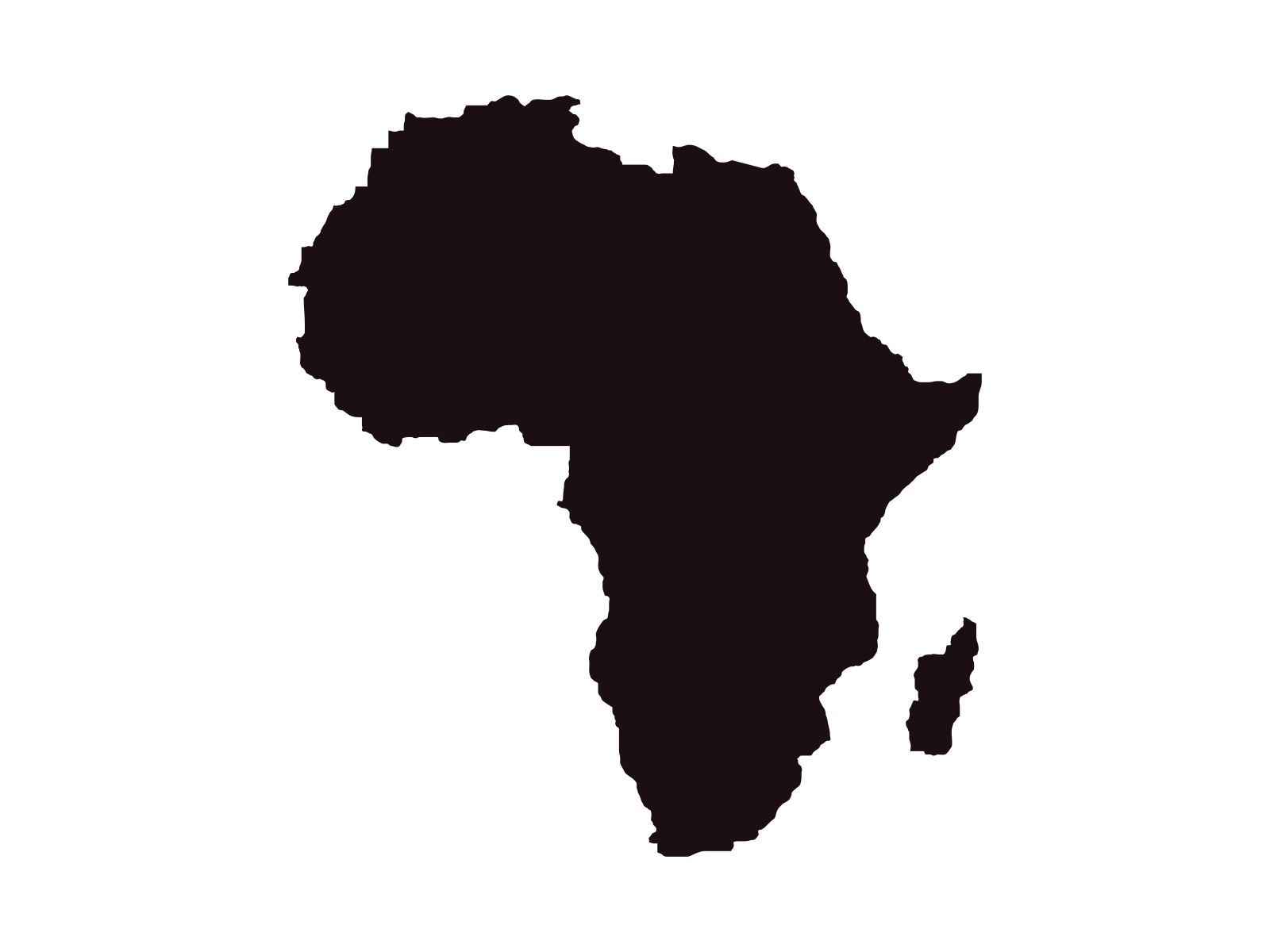
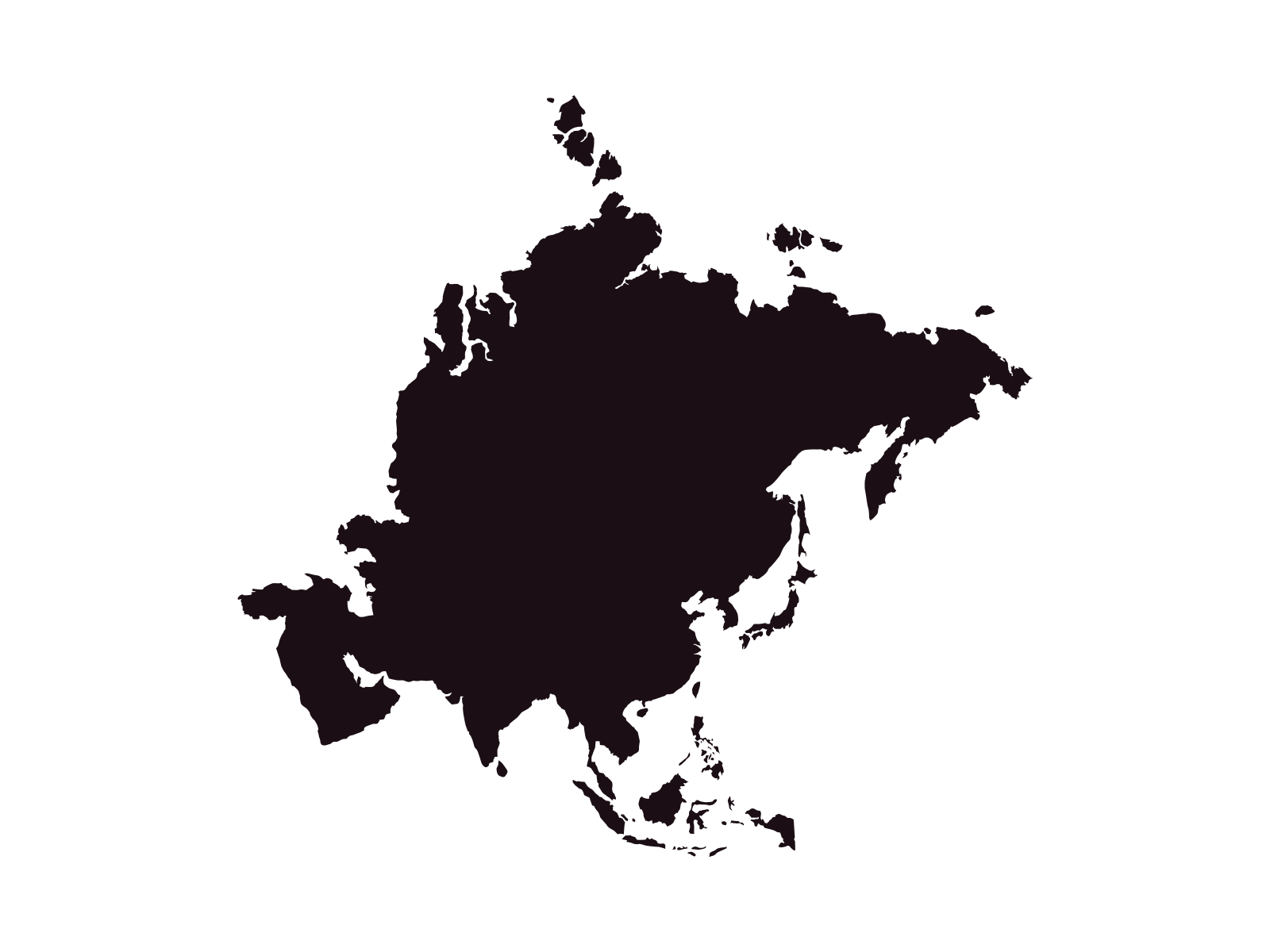
Continent: Asia, Europe

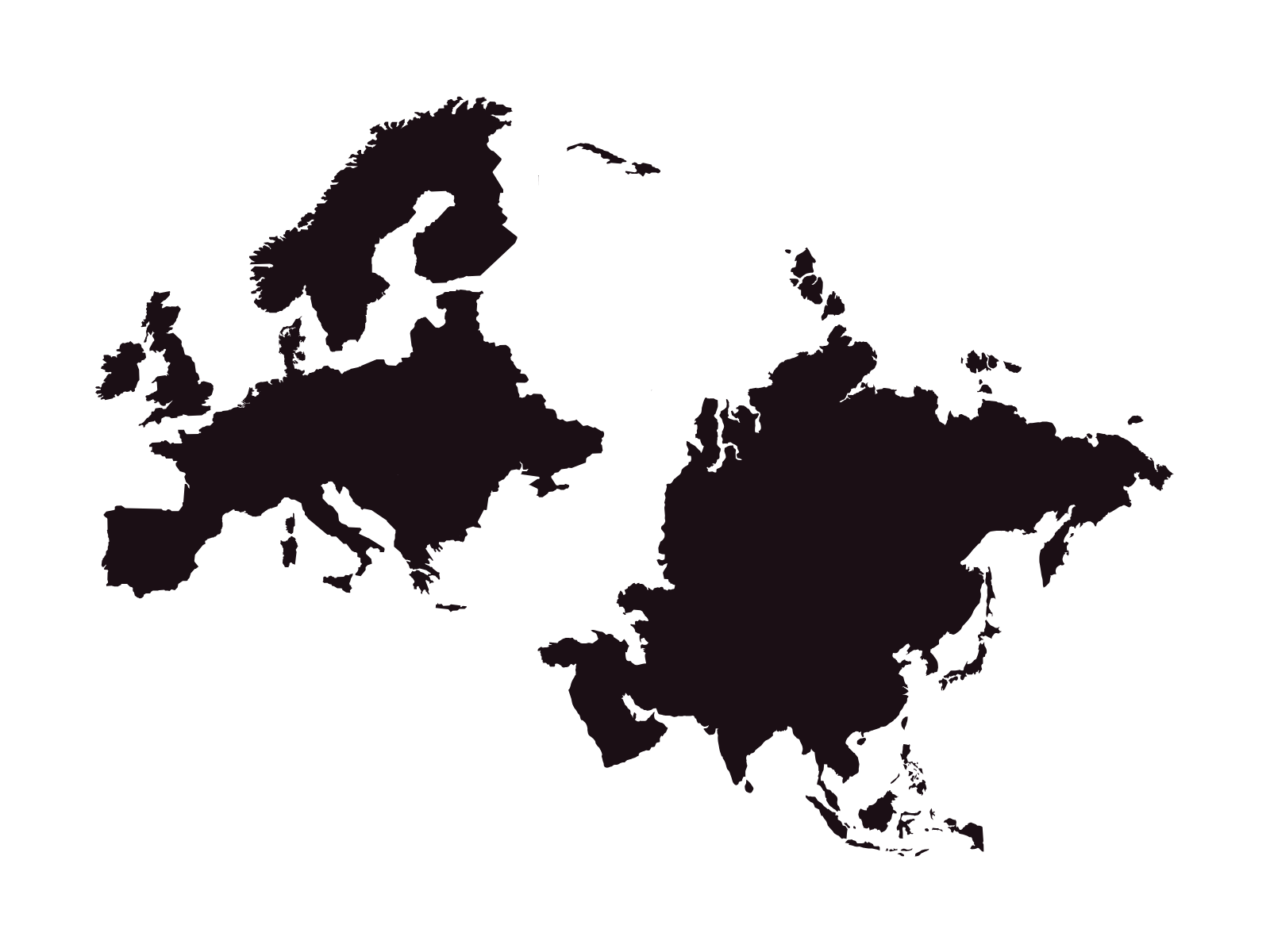
Sandy heathlands, coastal dunes, alpine pastures, and open grasslands across most of continental Europe, extending eastward through Russia to Lake Baikal, with isolated colonies in southern England.

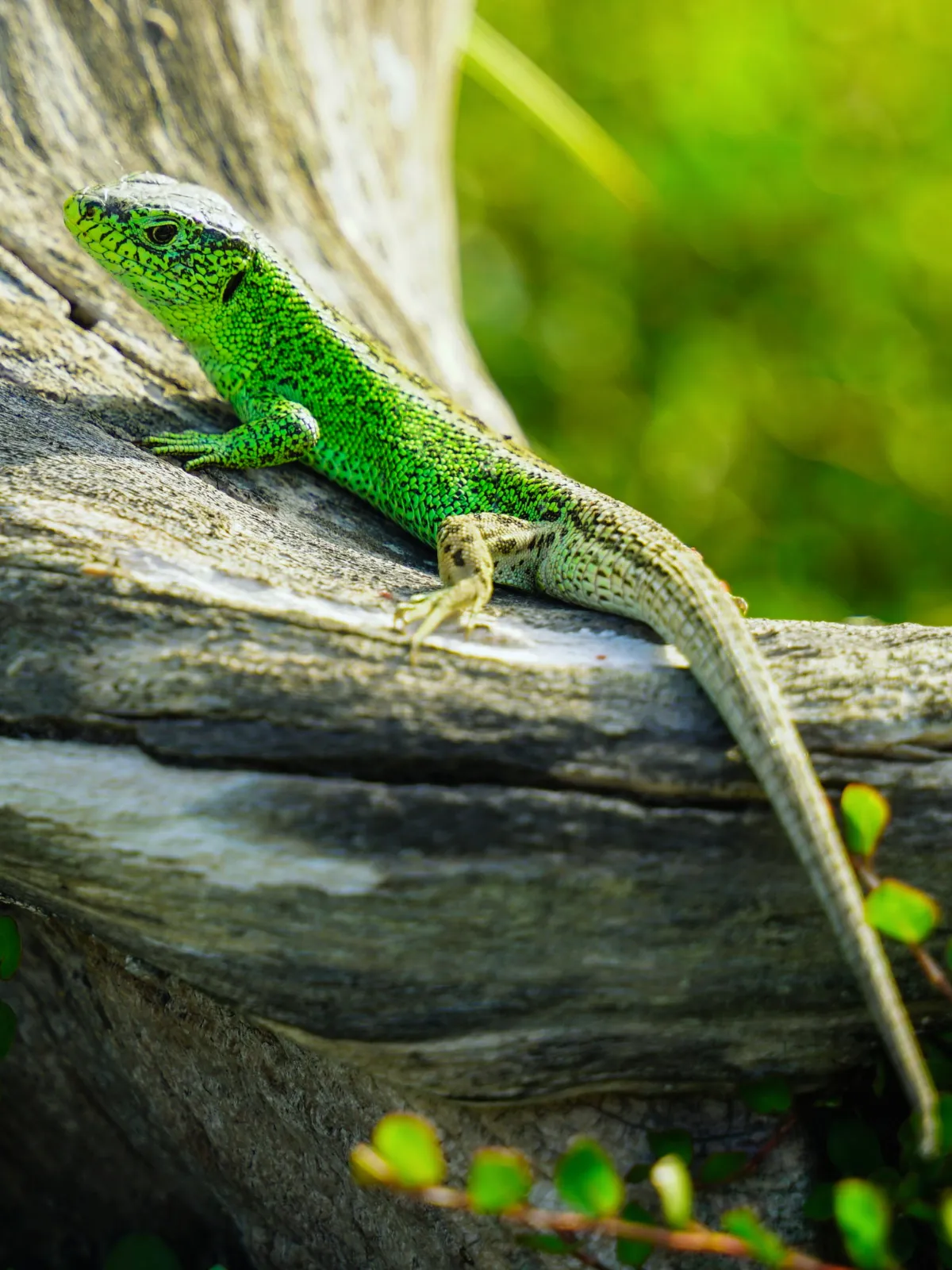
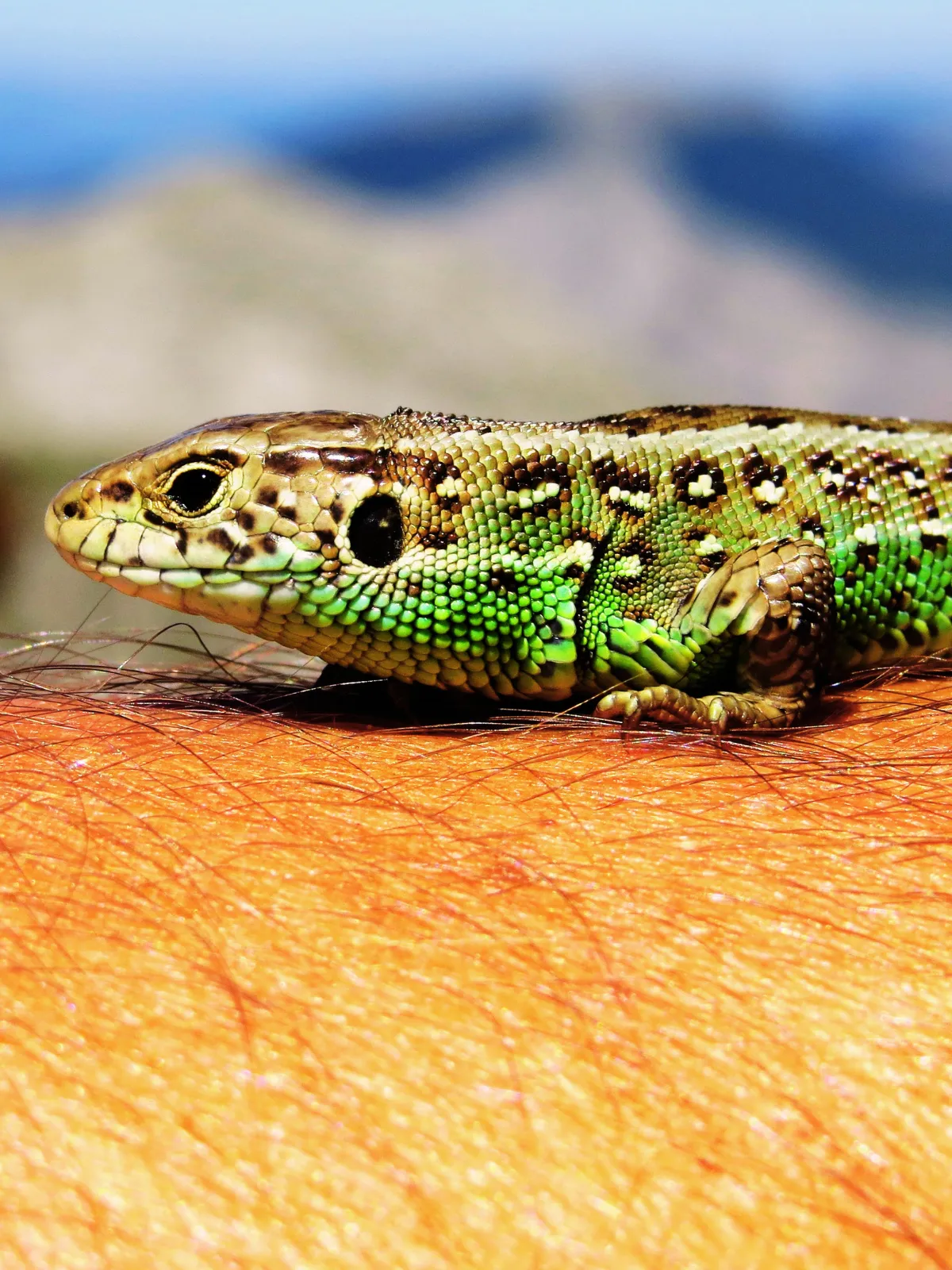
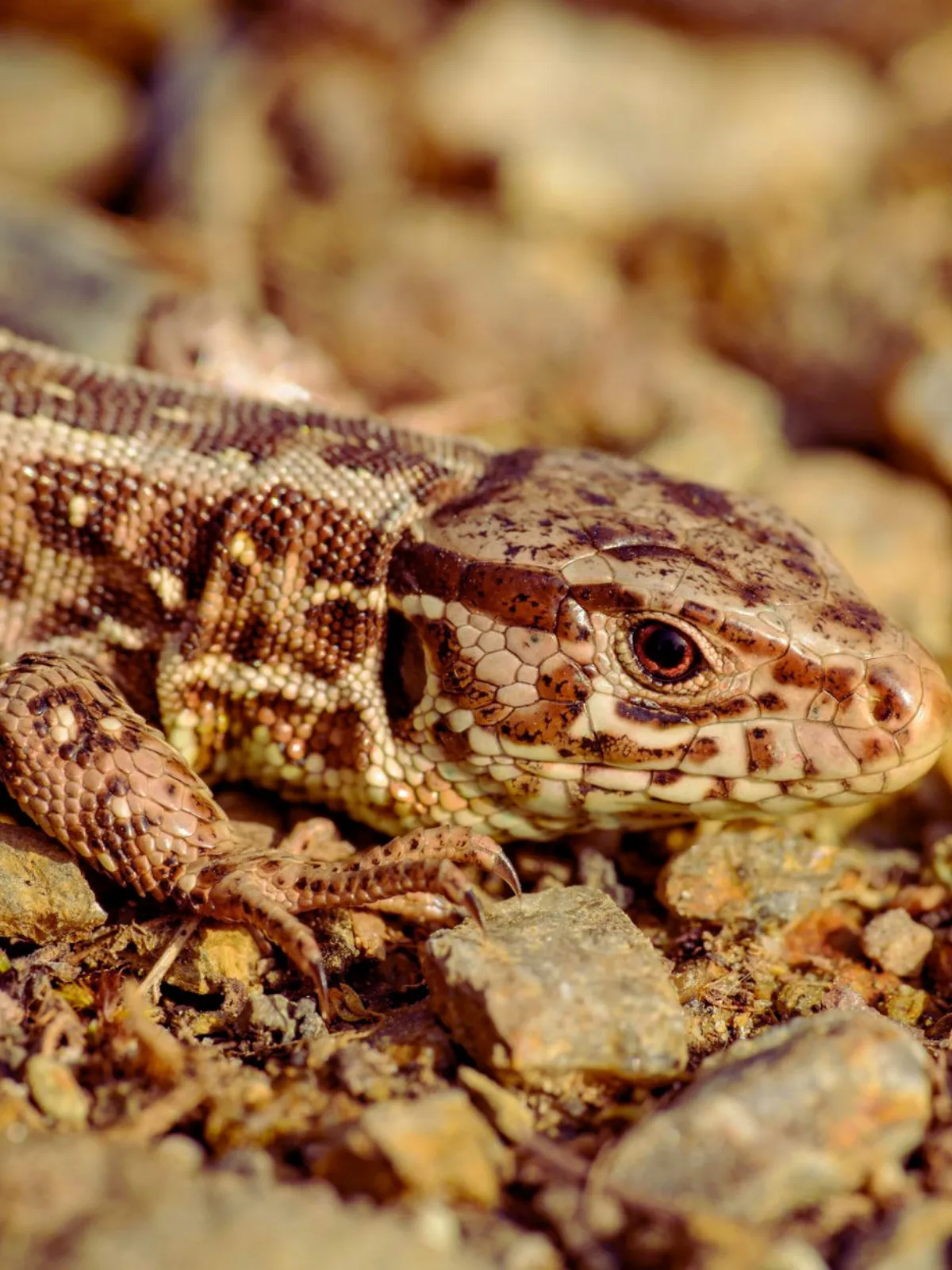
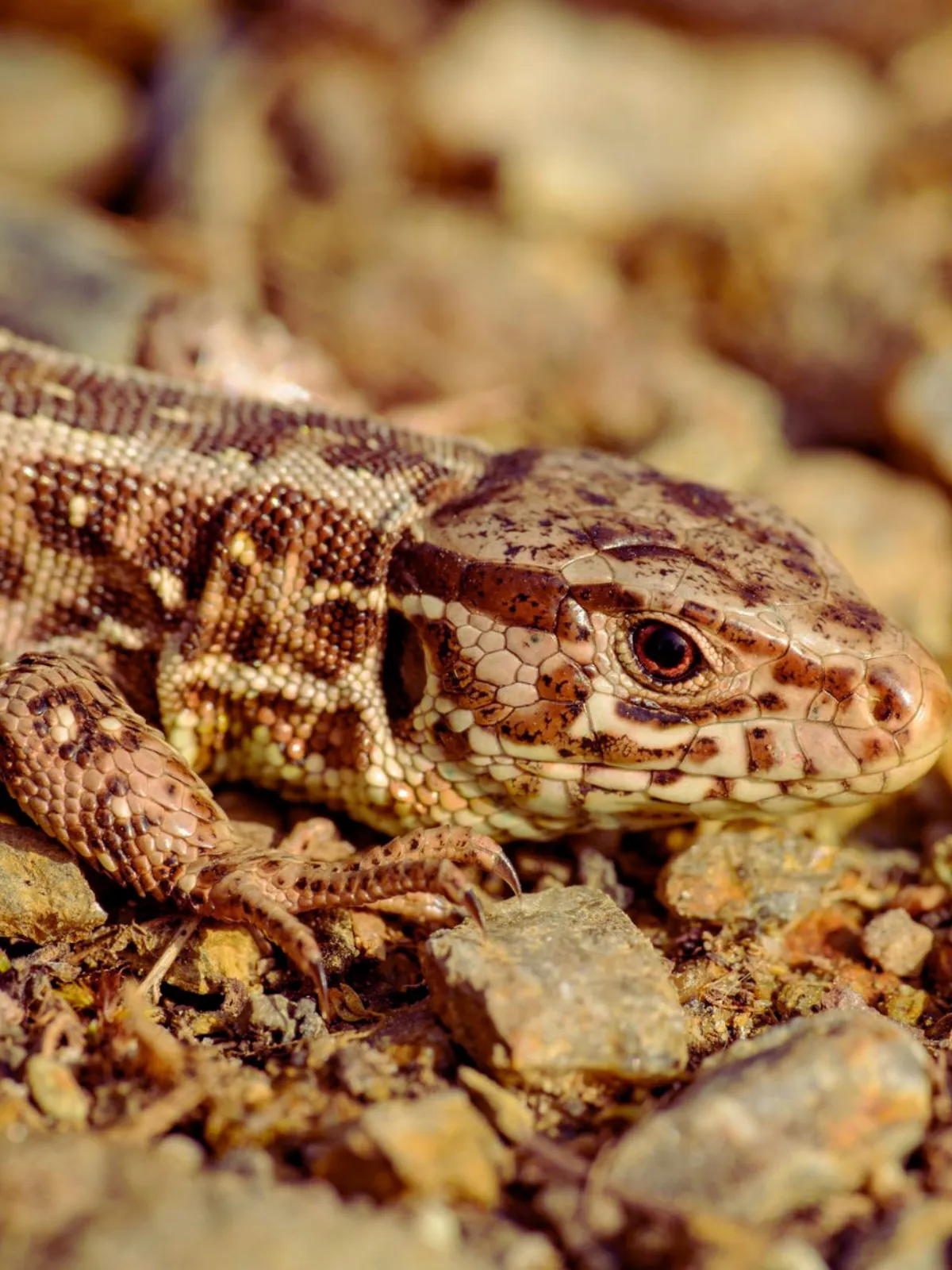
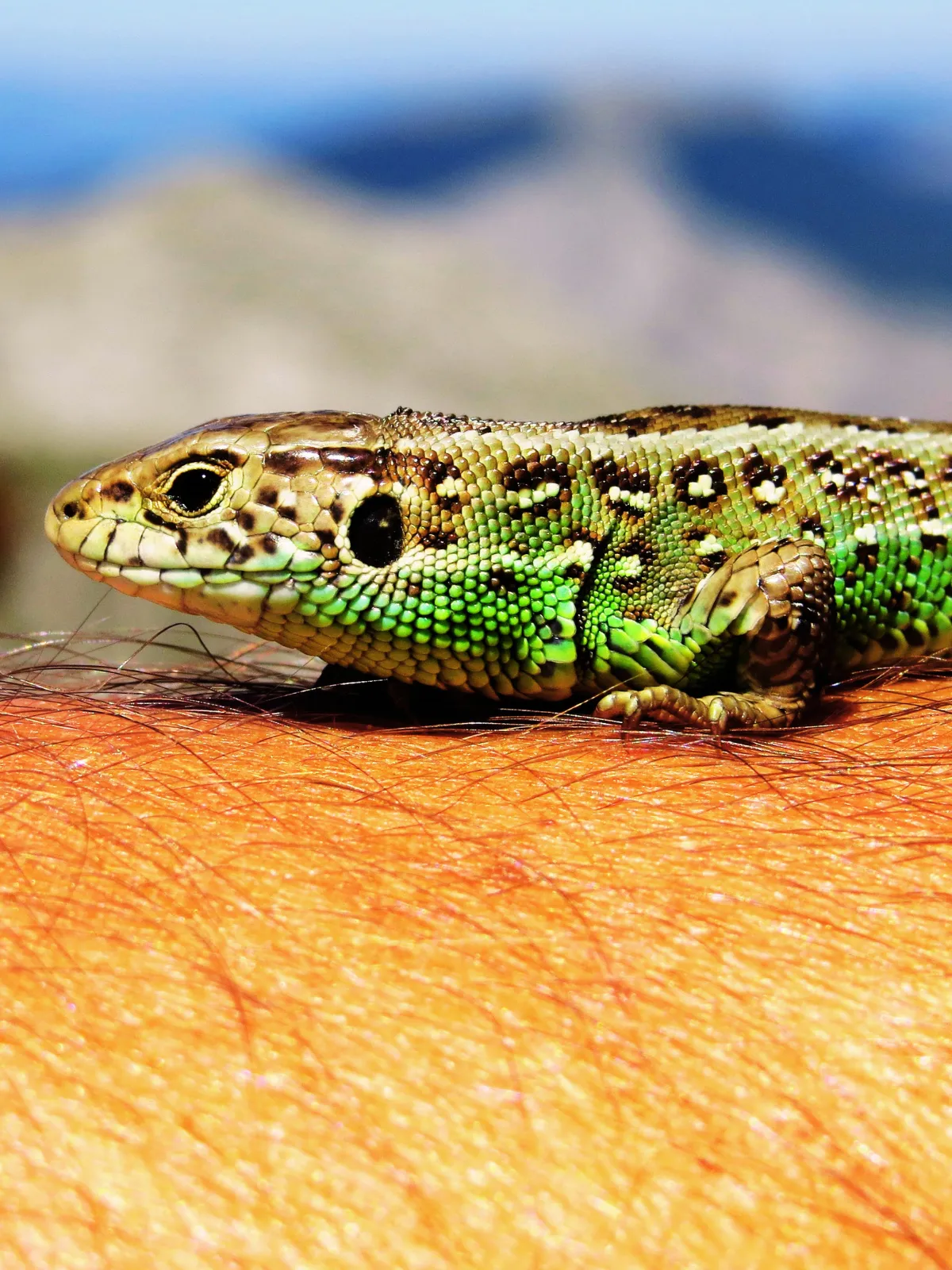
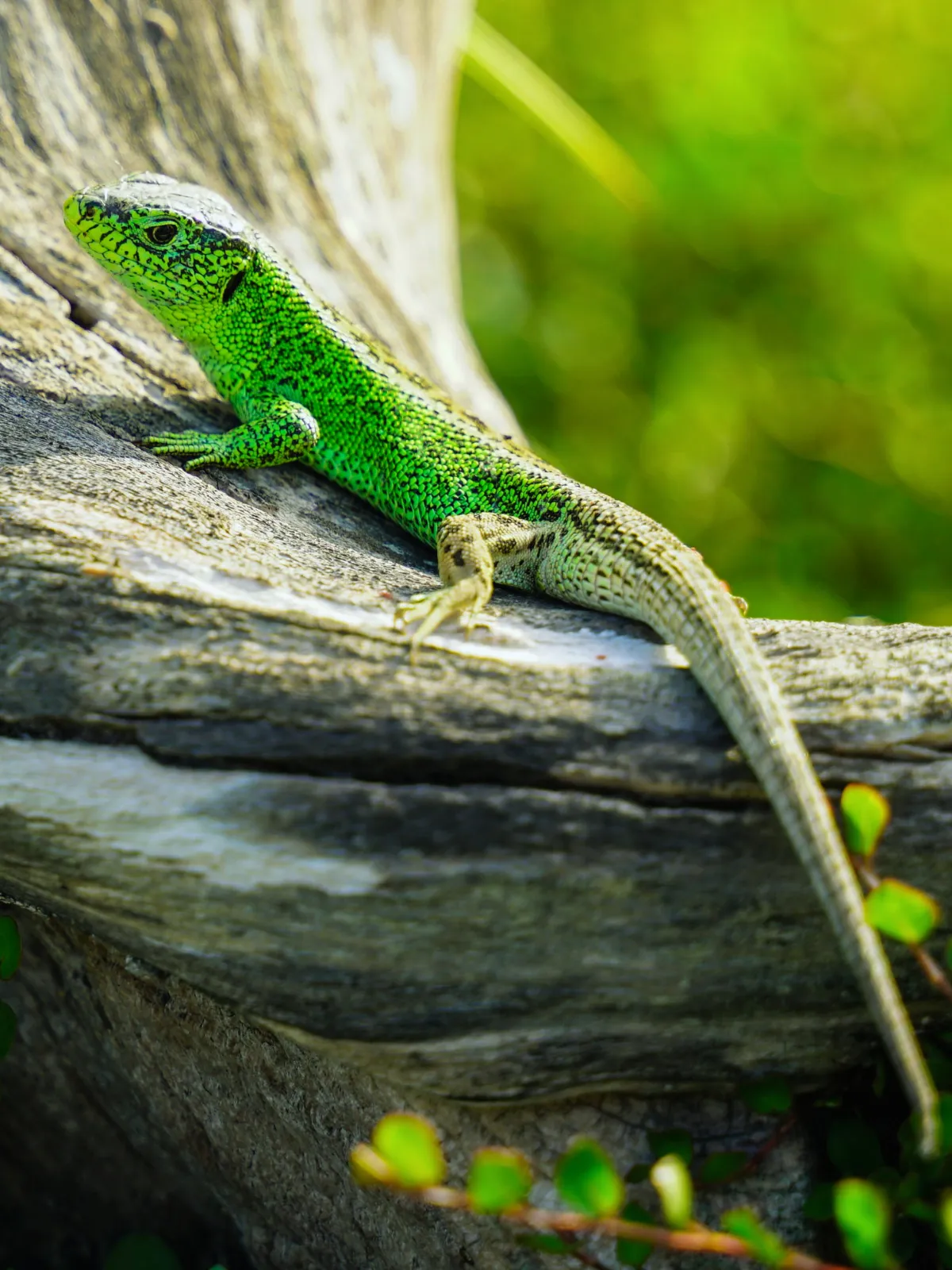
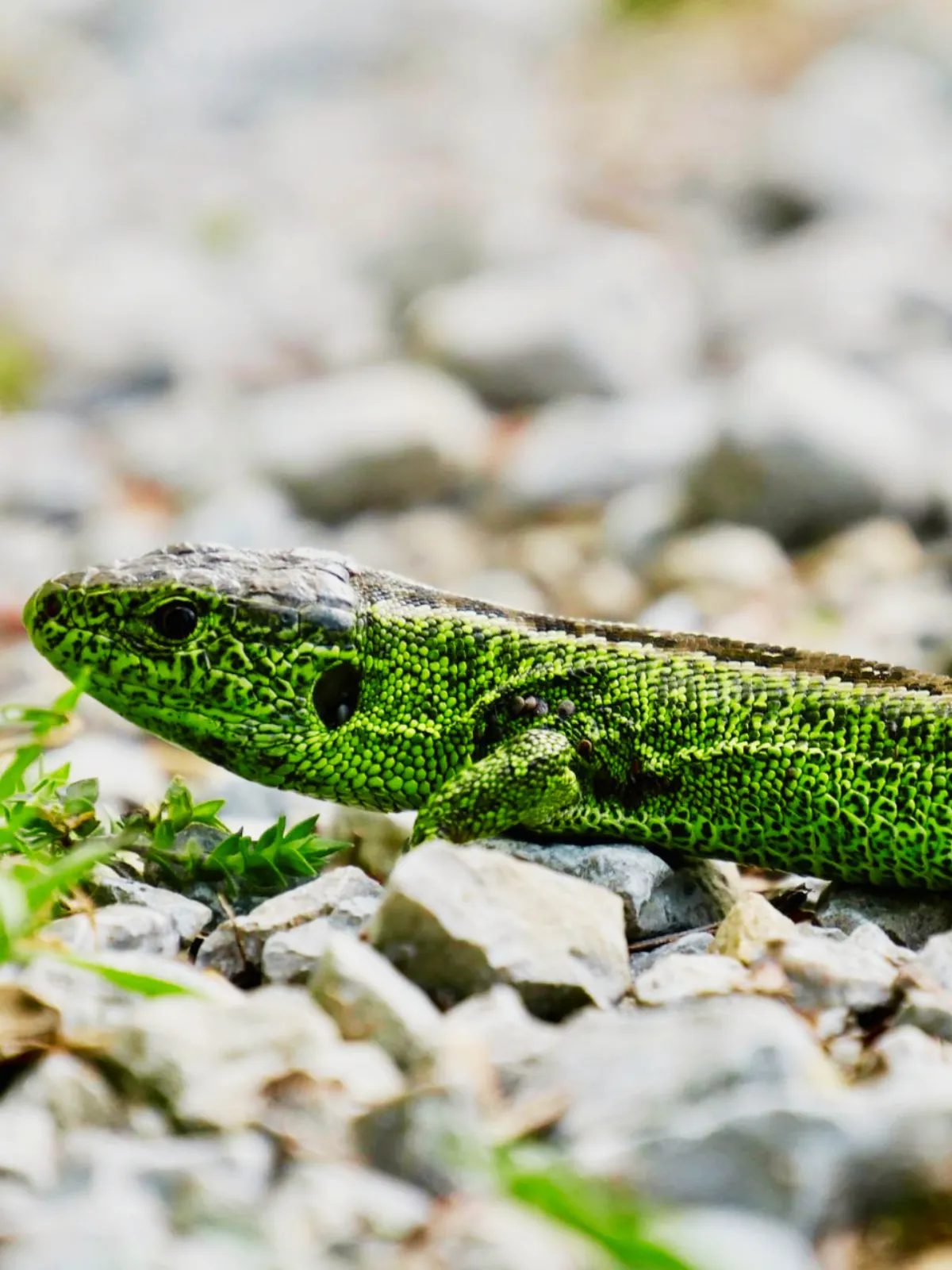
The sand lizard is a stocky, medium sized reptile found across Europe and into parts of Asia, prized for the vivid green flanks males develop during breeding season. Despite its name, it lives in a surprisingly wide range of habitats, from sandy heathlands and dunes to alpine meadows and even urban gardens further south in its range. Unlike many reptiles, it lays eggs rather than giving birth to live young, a trait that earned it the alternative nickname "viviparous lizard" through historical confusion with its close relative. In parts of northwestern Europe, including the UK, it has become a flagship species for heathland and dune conservation.

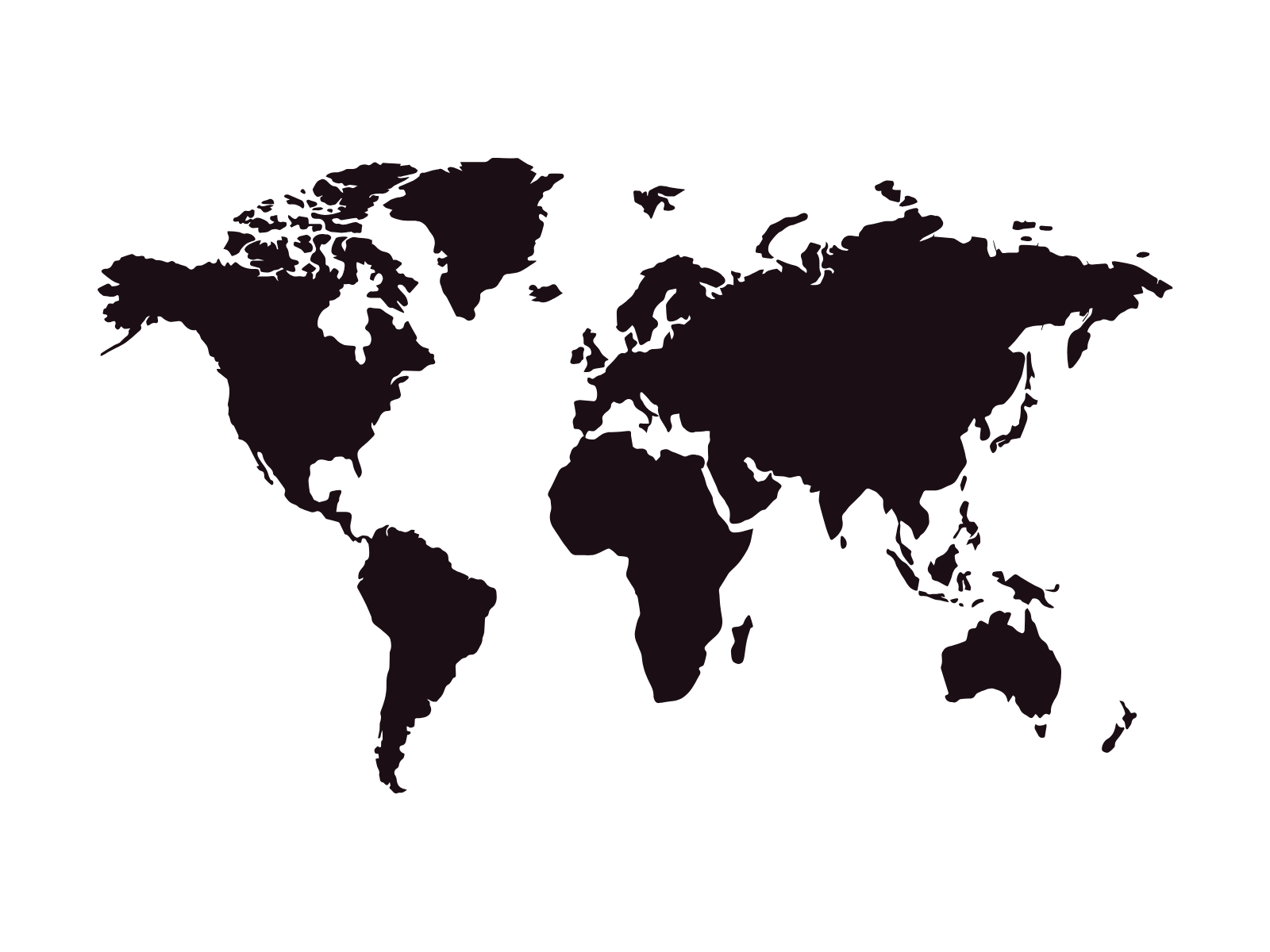
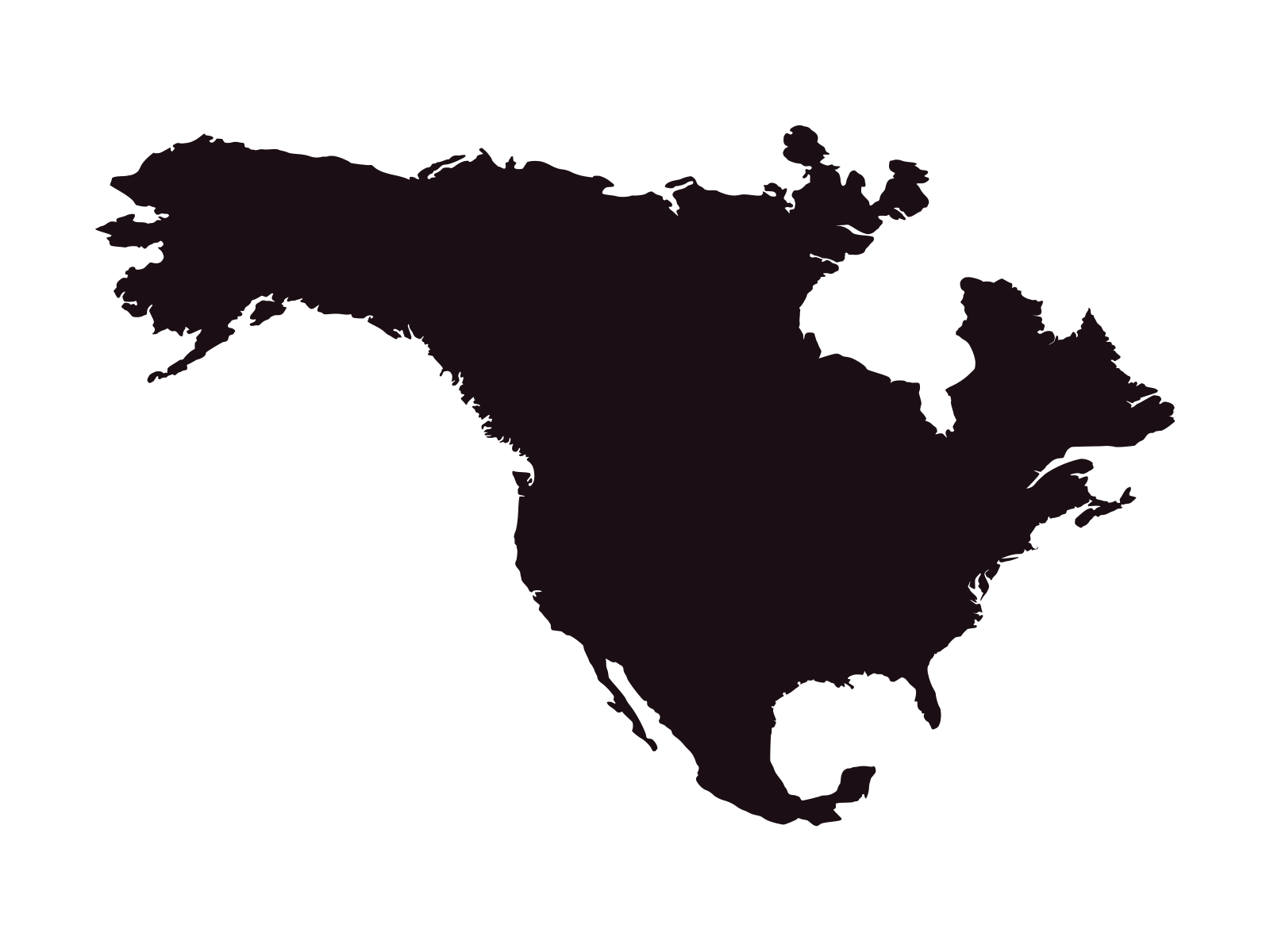
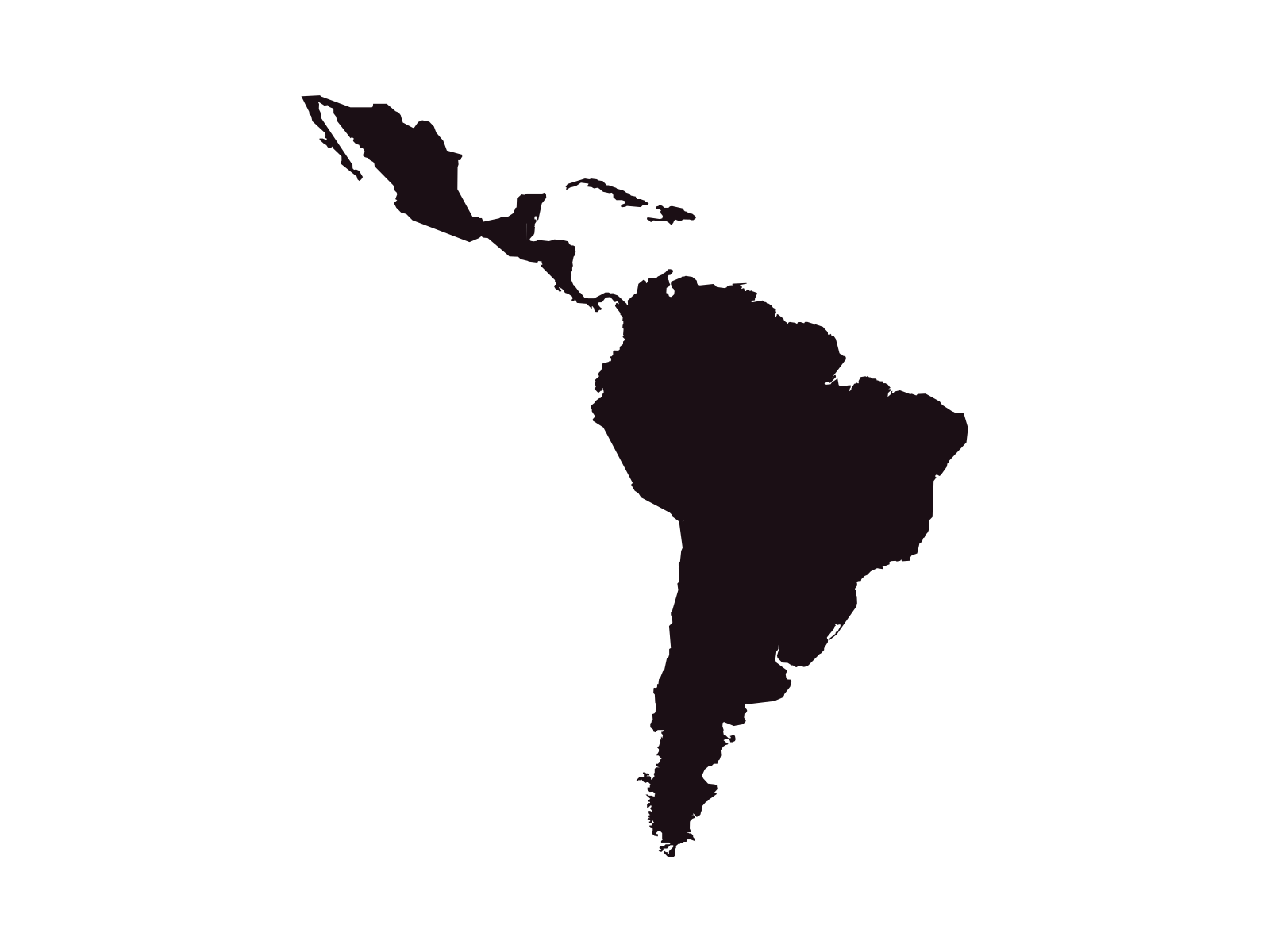
Europe and Asia maps silhouettes on white background.

Asia, Europe

Quick Facts

Length icon
LengthAround 18 to 20 cm (7 to 8 in) long, including the tail
Weight icon
WeightAbout 10 to 15 g (0.35 to 0.5 oz), a small and light lizard
Lifespan icon
LifespanAverages 5 to 6 years; up to 10 in the wild, with up to 20 reported
Speed icon
SpeedQuick and agile, and can drop its tail to run faster and escape
Diet icon
DietInsects and spiders, including grasshoppers, beetles and caterpillars
Egg icon
Clutch4 to 15 eggs, one clutch a year, buried in sunny sand in June
No total count; Least Concern overall, but declining in northwestern Europe
PopulationWidespread and abundant across most of its range, though declining at the northwestern edge
Range icon
RangeMost of Europe, from southern Britain east to Lake Baikal in Russia

Conservation Status

EXExtinct
EWExtinct in the Wild
CRCritically Endangered
ENEndangered
VUVulnerable
NTNear Threatened
LCLeast Concern
NENot Evaluated

How Sand Lizards Survive in the Wild

1 / 3

Social Lives of Sand Lizards

1 / 3

Photo Gallery

Flashcards

Quiz Yourself on Sand Lizard

Pick a difficulty level and test what you've learned.

Top-down view of two sand lizards lying together on a warm stone surface. The upper lizard features bright lime-green flanks with brown back stripes, while the lower lizard displays a muted grey-brown skin covered in dark brown mottled spots.Easy

Sand Lizard

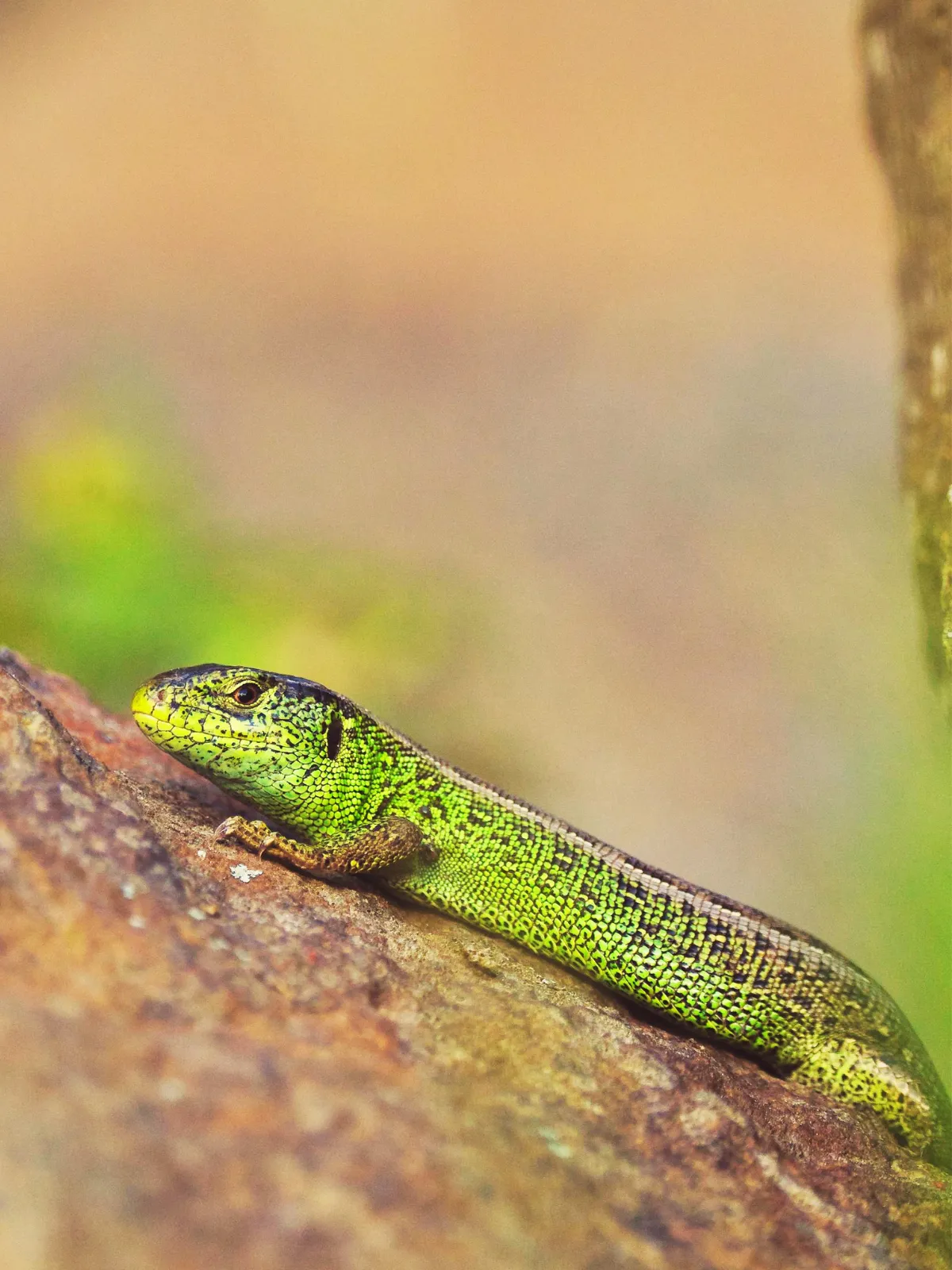
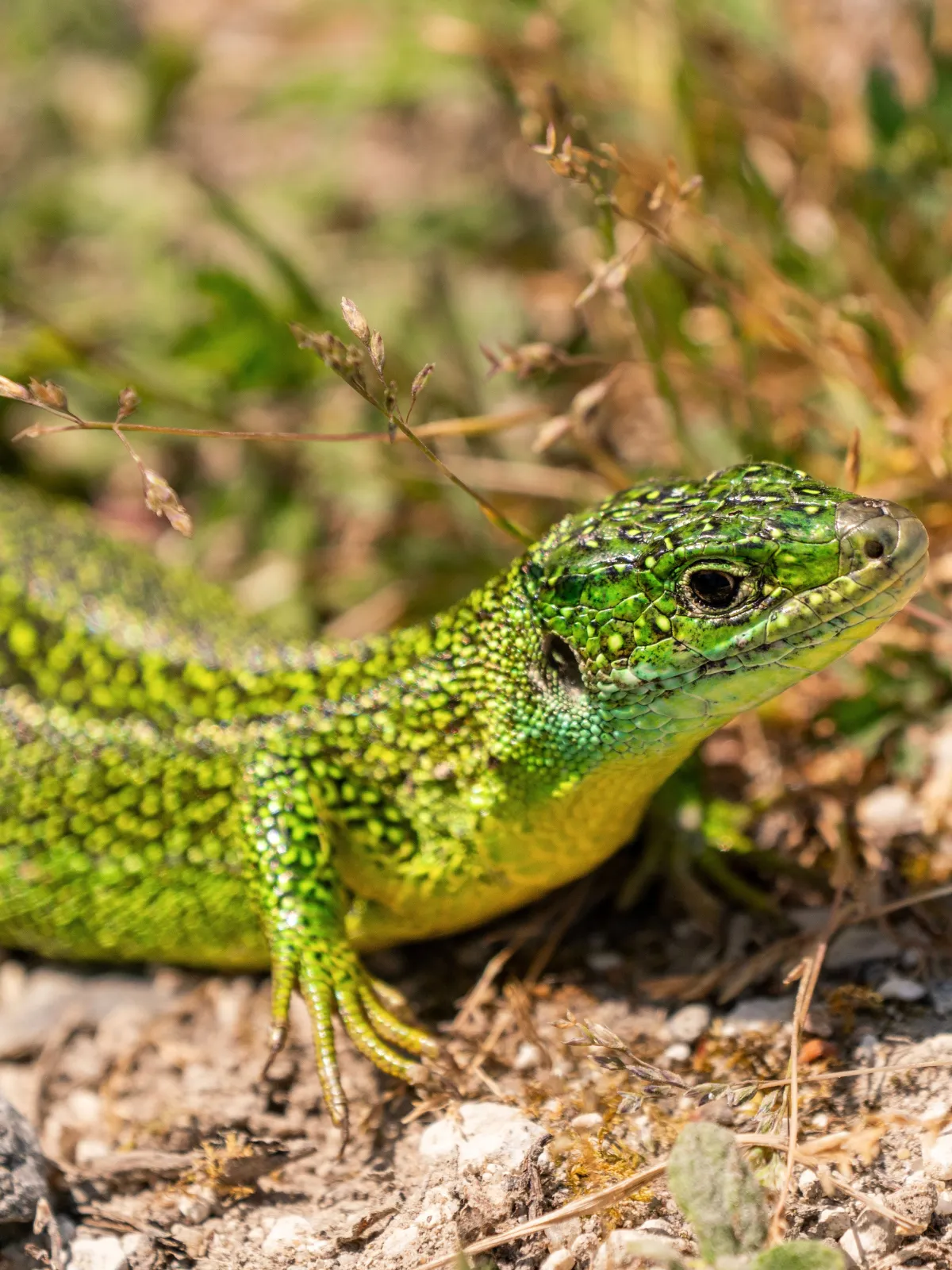
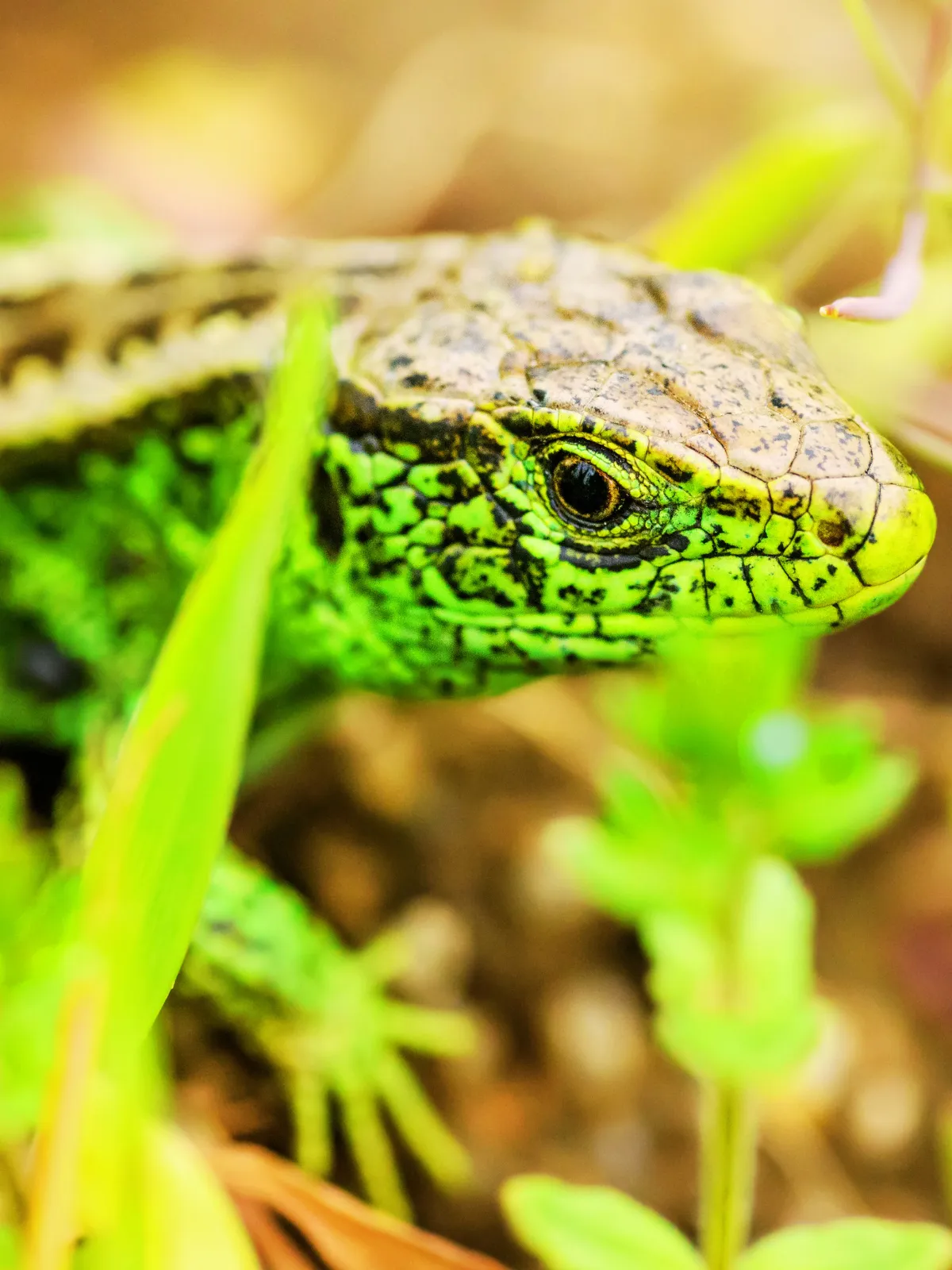
A close-up macro portrait focusing on the head of a male sand lizard surrounded by bright green foliage. The image highlights its dark brown eye, rounded snout, and the intricate black-and-green scale pattern along its head and neck.Medium

Sand Lizard

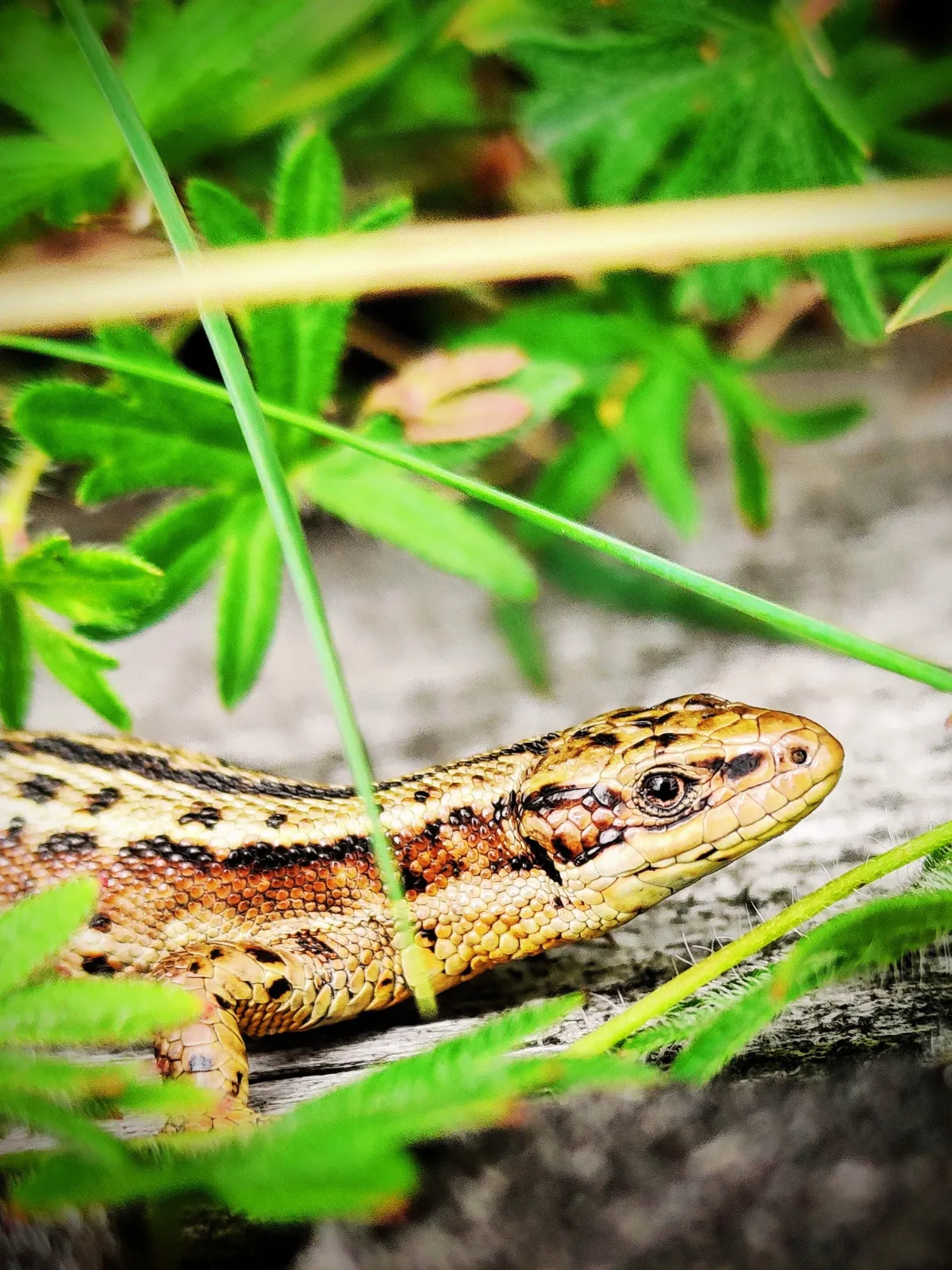
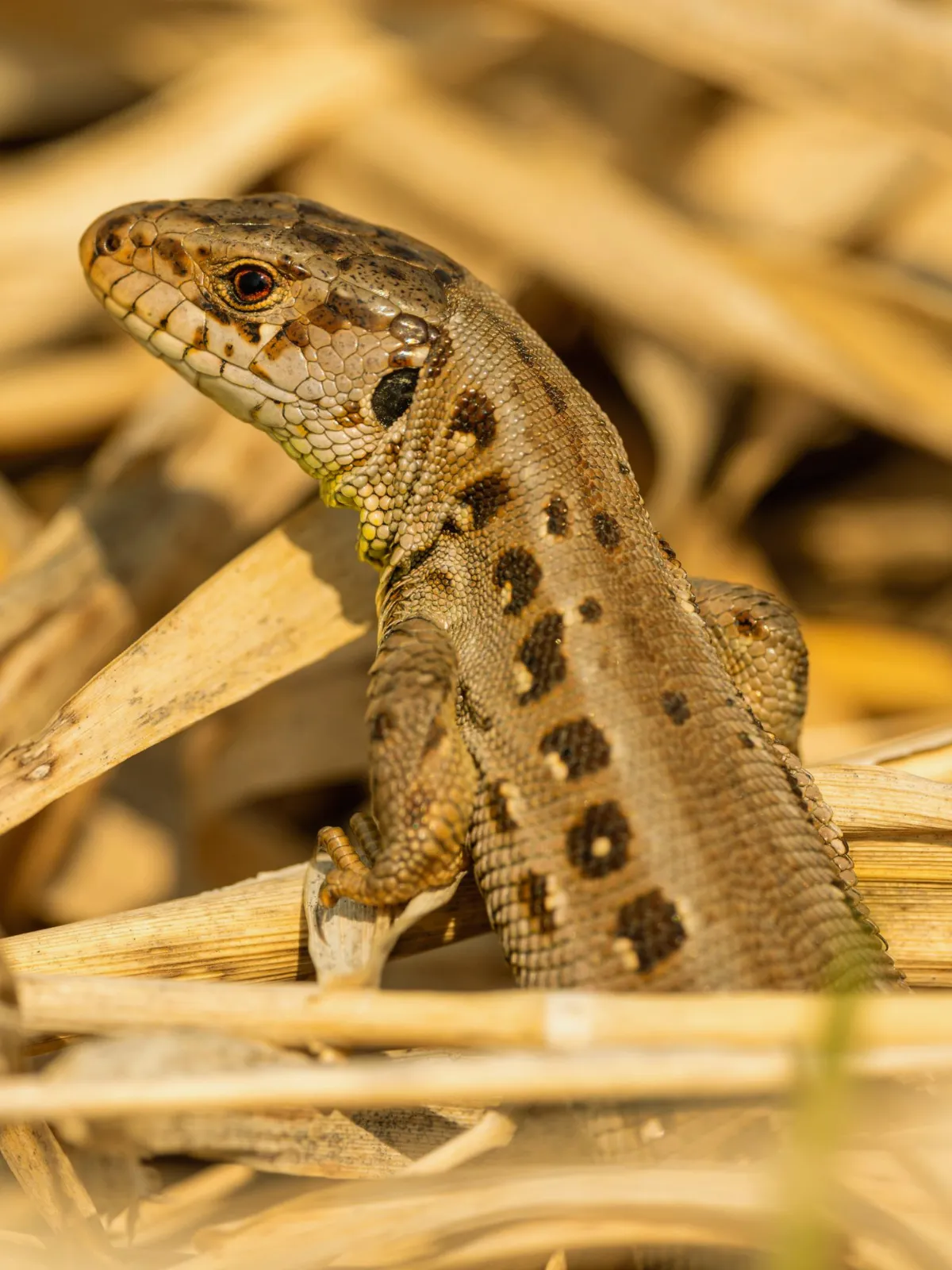
A low-angle portrait of a female or non-breeding sand lizard rising up among dry, yellow straw. Its tan and brown back features dark, eye-like ocelli spots, while its pale yellow throat and dark reddish-brown eye catch the warm sunlight.Hard

Sand Lizard