











Wildari Planet
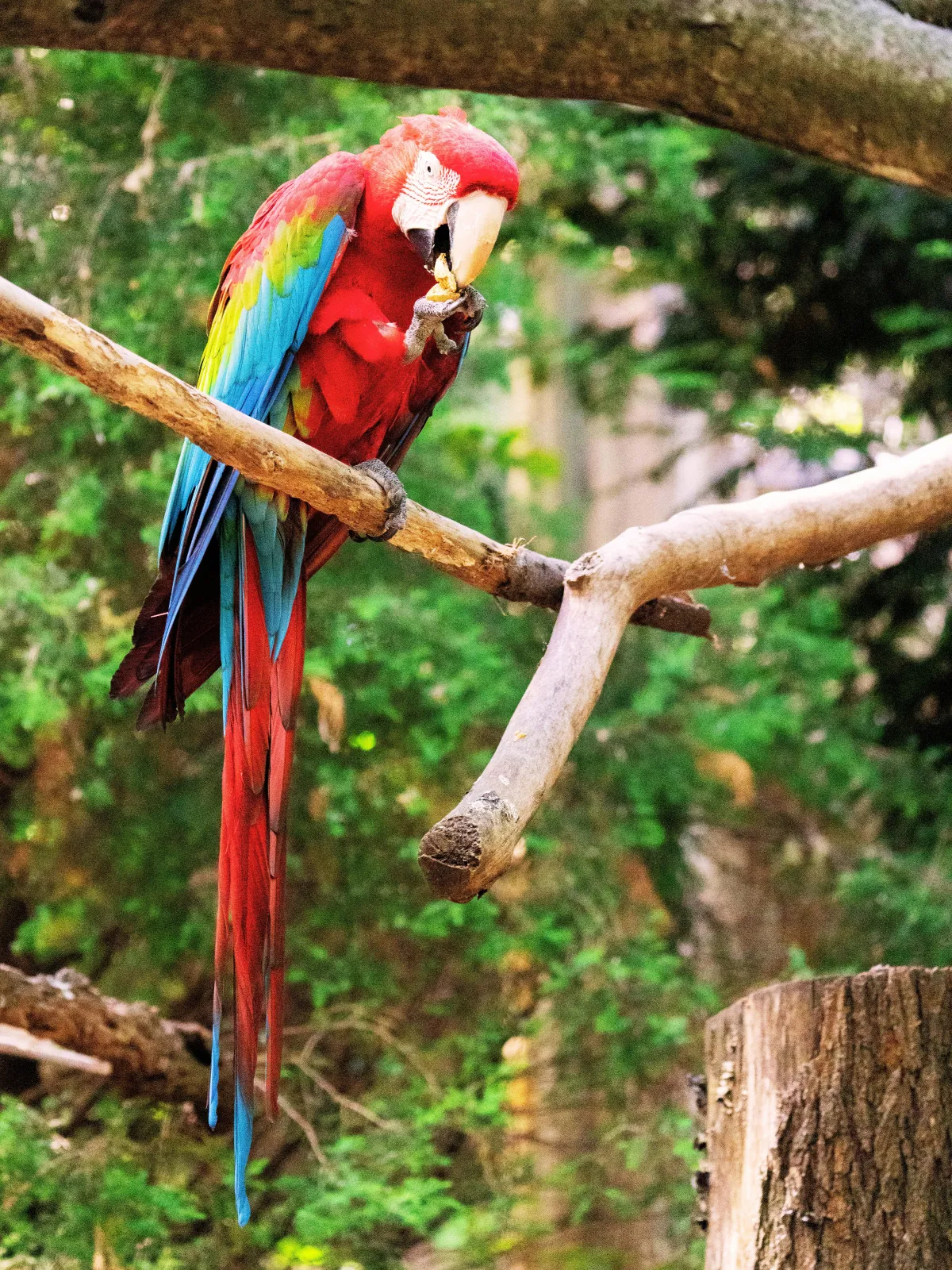
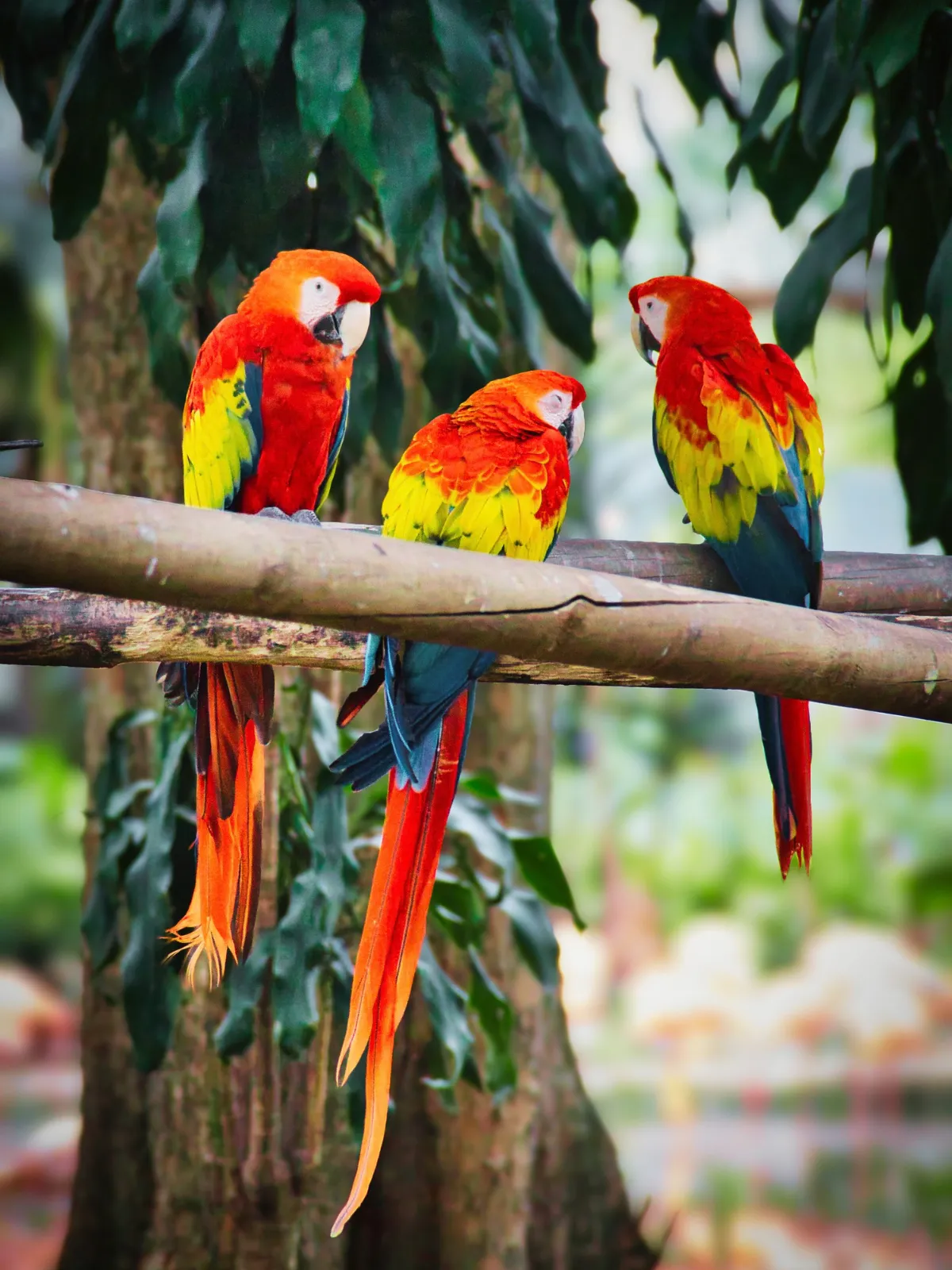
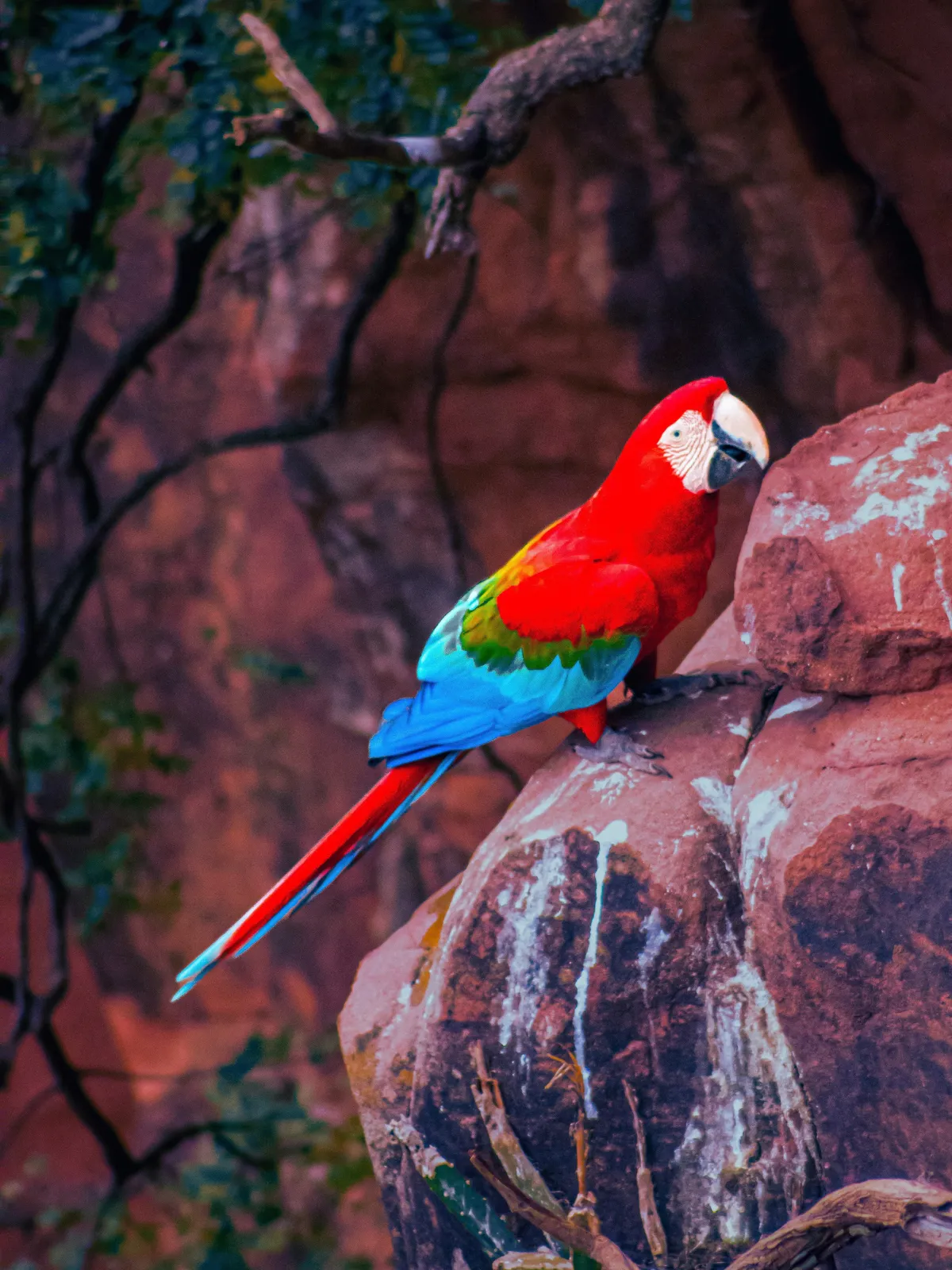
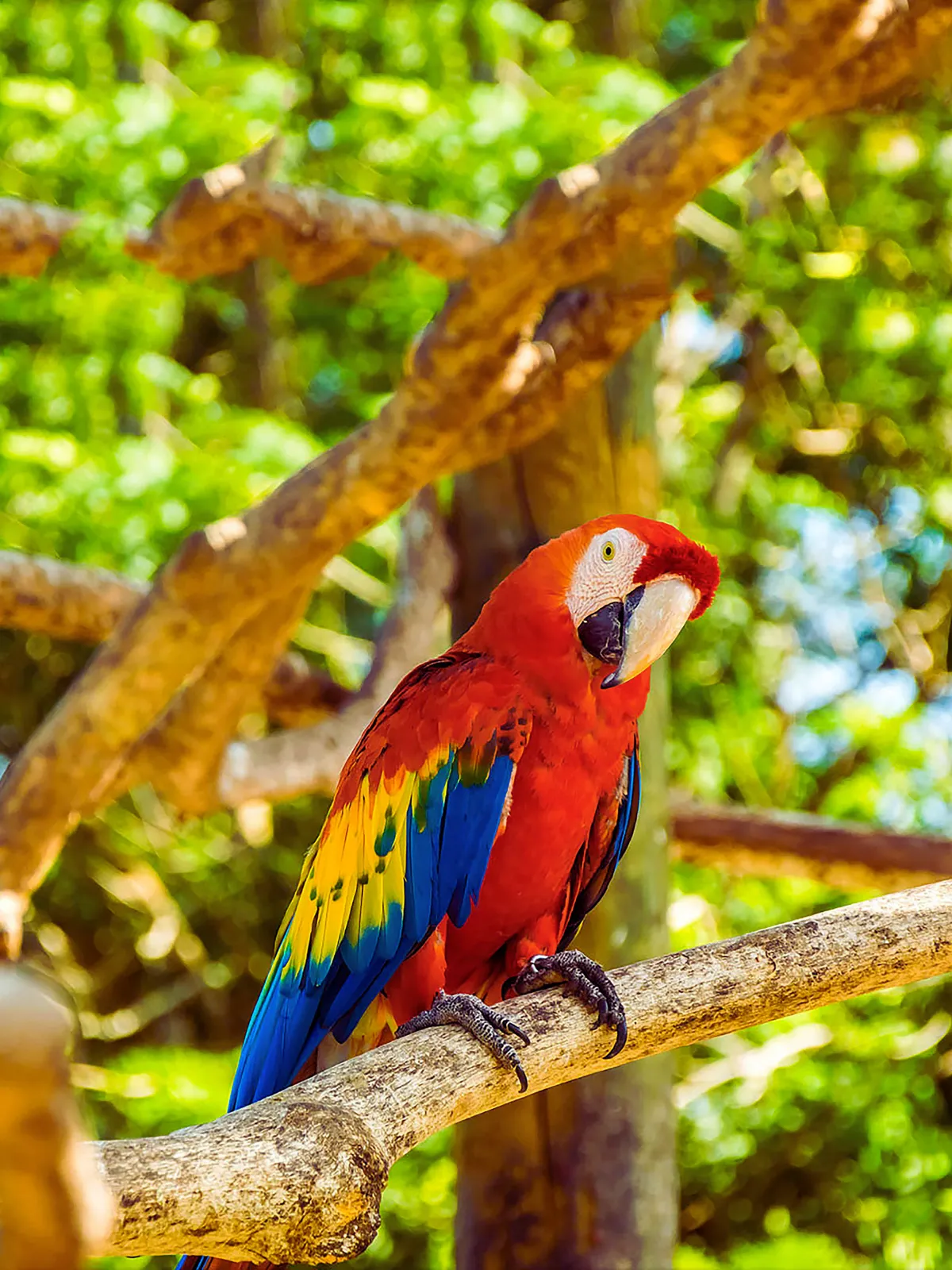
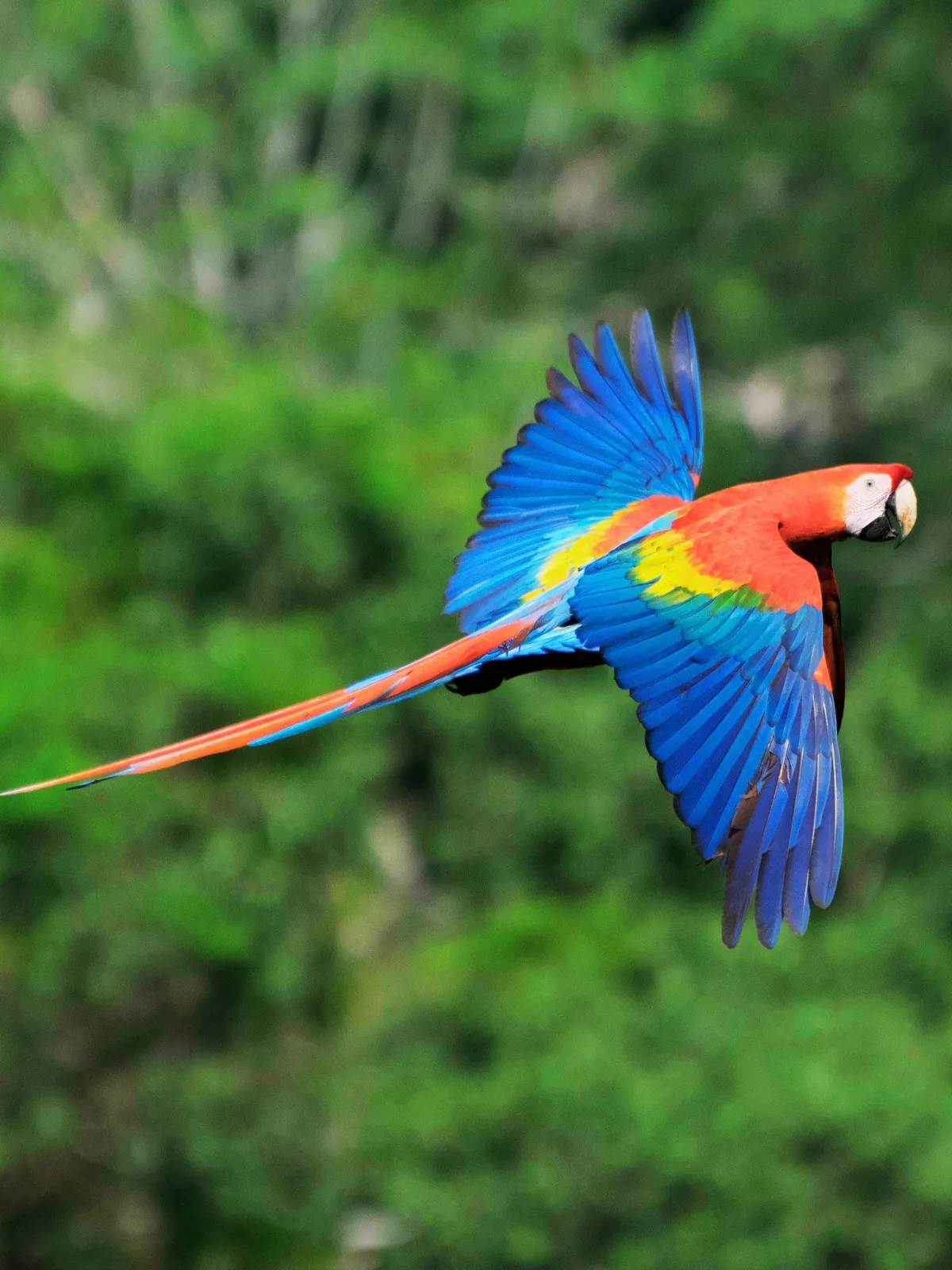
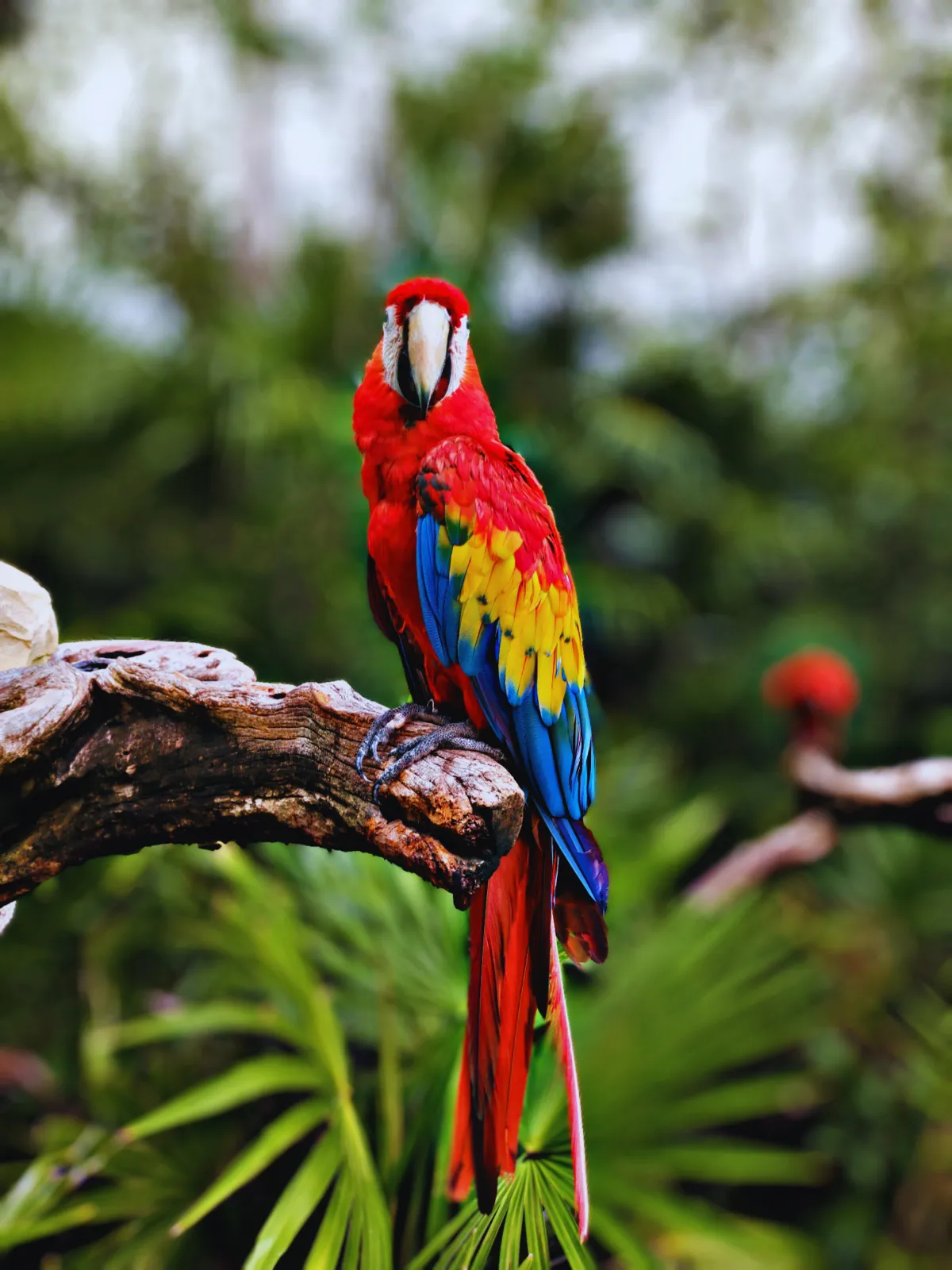
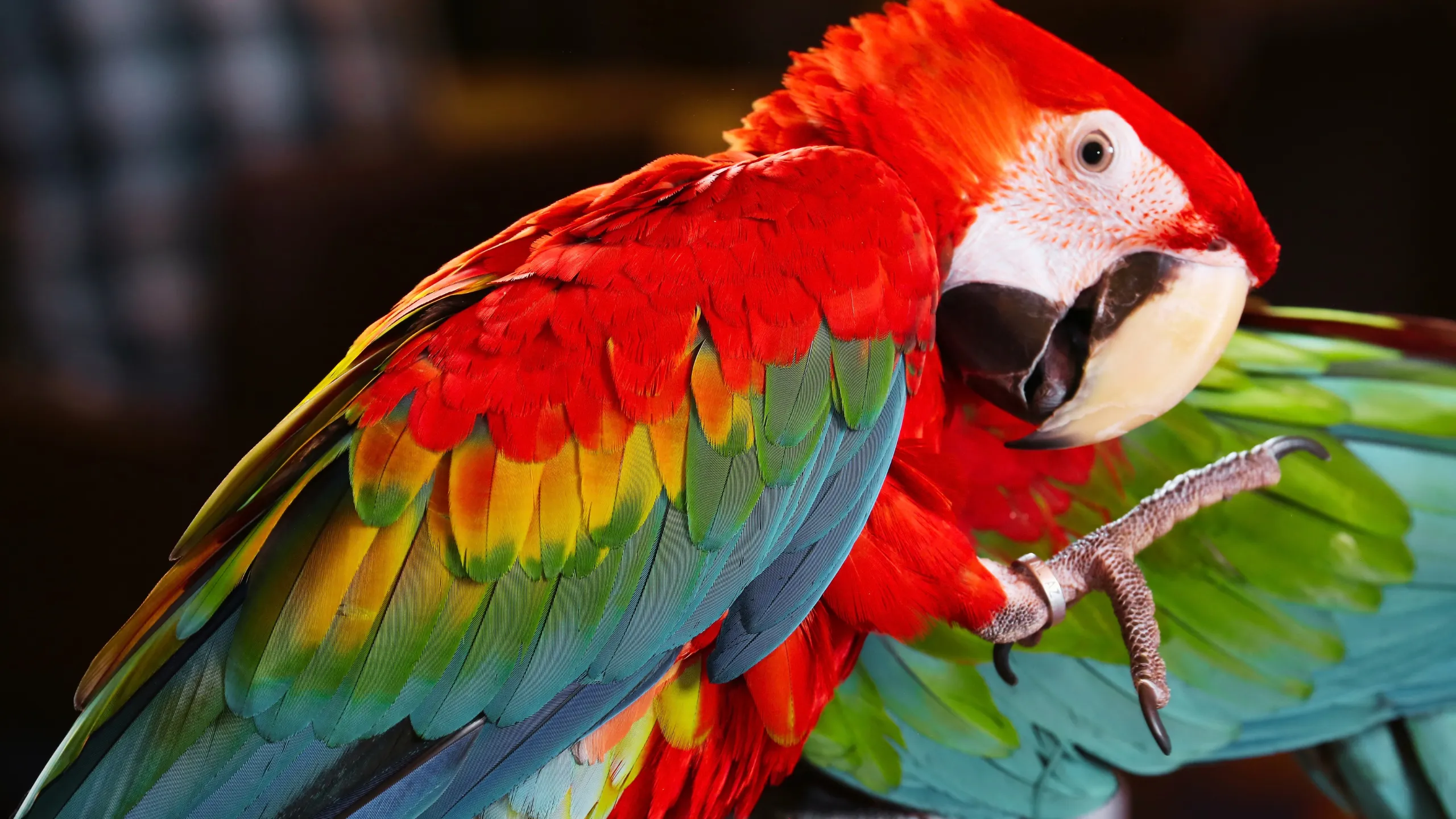
A scarlet macaw showcases brilliant red plumage across its head and back, vibrant yellow middle wing coverts, and rich blue wing tips. It features a large ivory bill, a white patch around its eye, and one clawed foot lifted outward.
North AmericaSouth AmericaBirdsLeast Concern

Scarlet Macaw

Where Scarlet Macaws Live

Continent: North America, South America
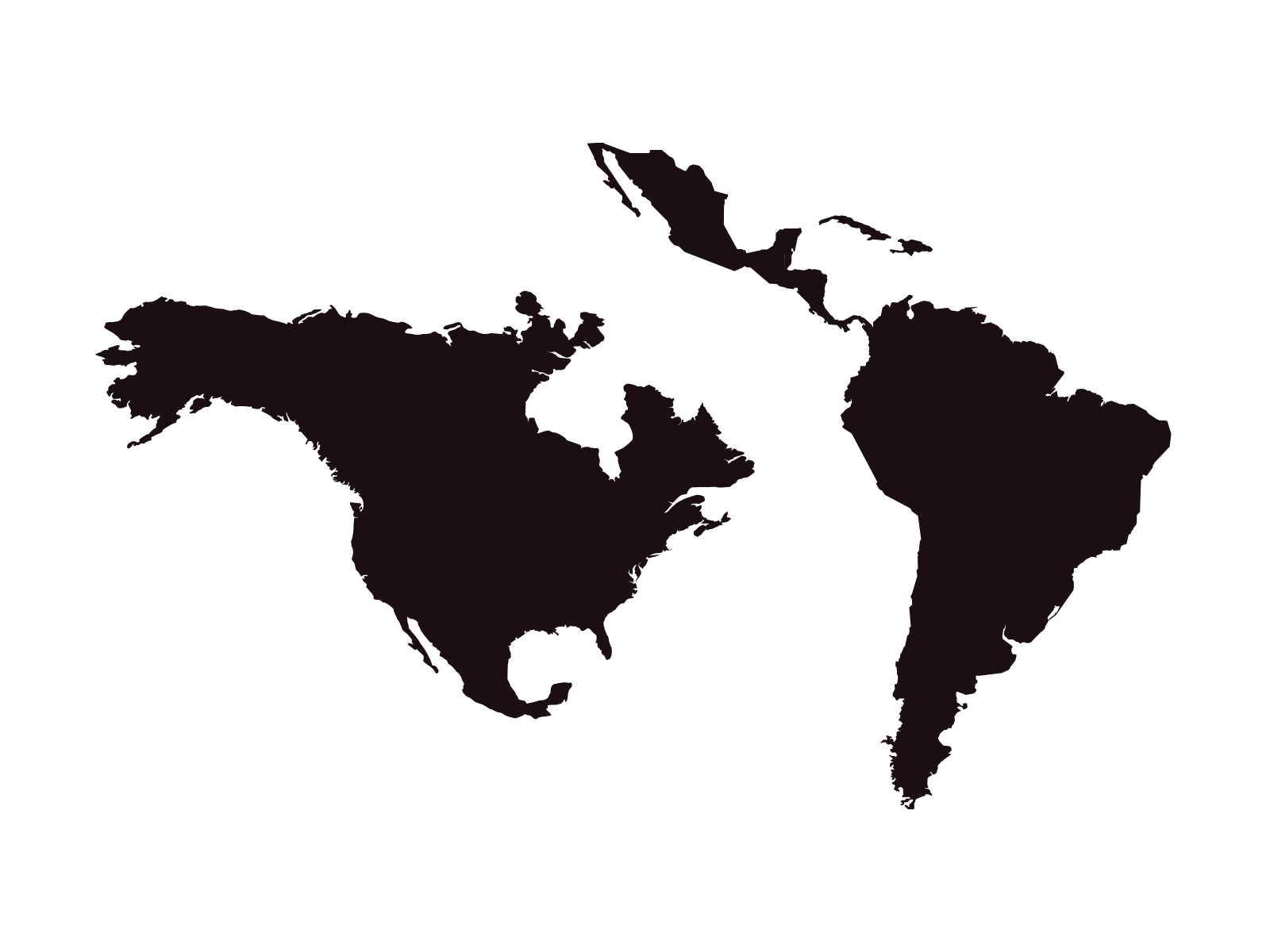
Humid lowland forests, woodlands, and savannas close to rivers, from southern Mexico through Central America to Colombia, Ecuador, Peru, Bolivia, Venezuela, and Brazil, most common across the Amazon basin.

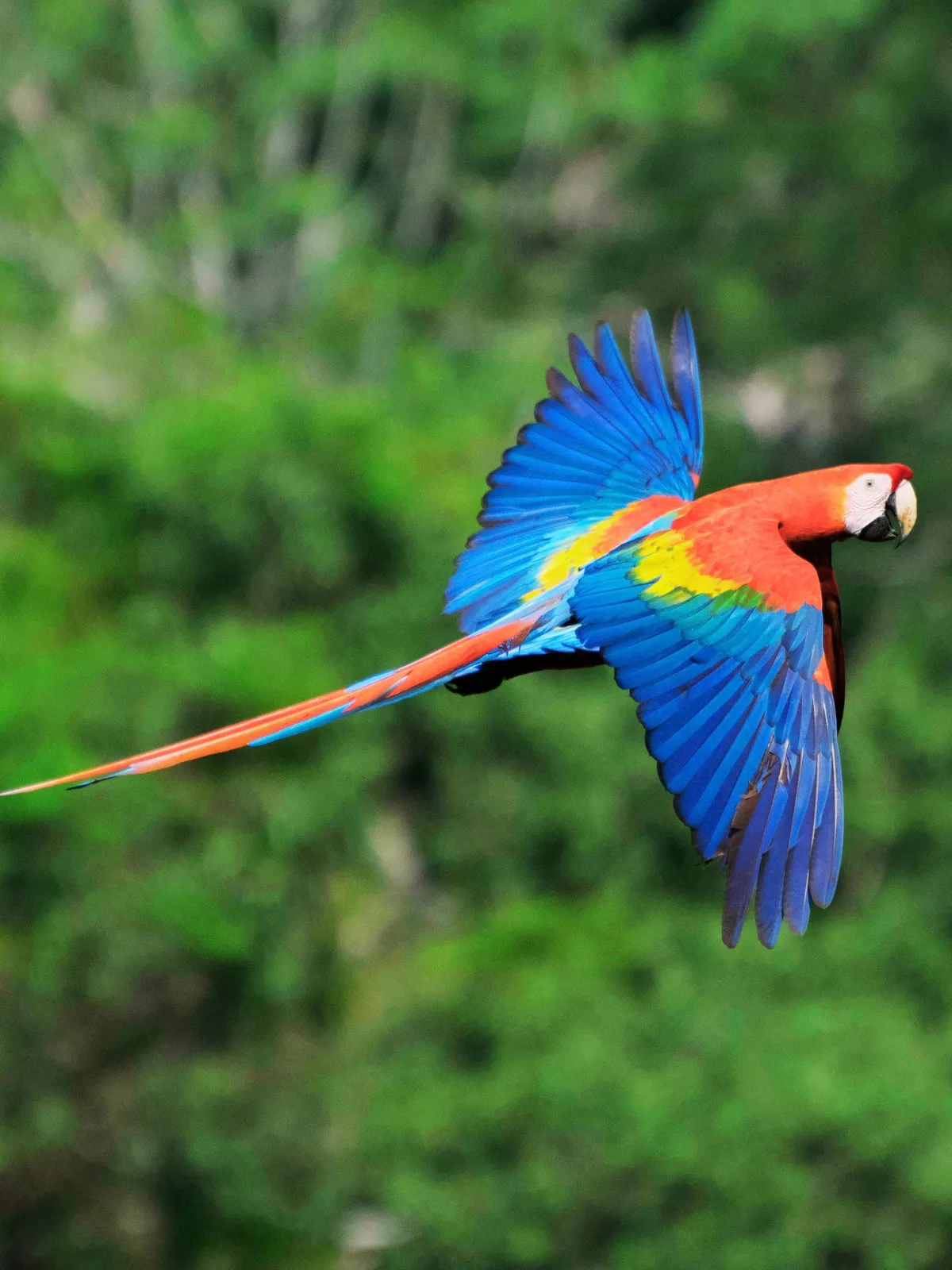
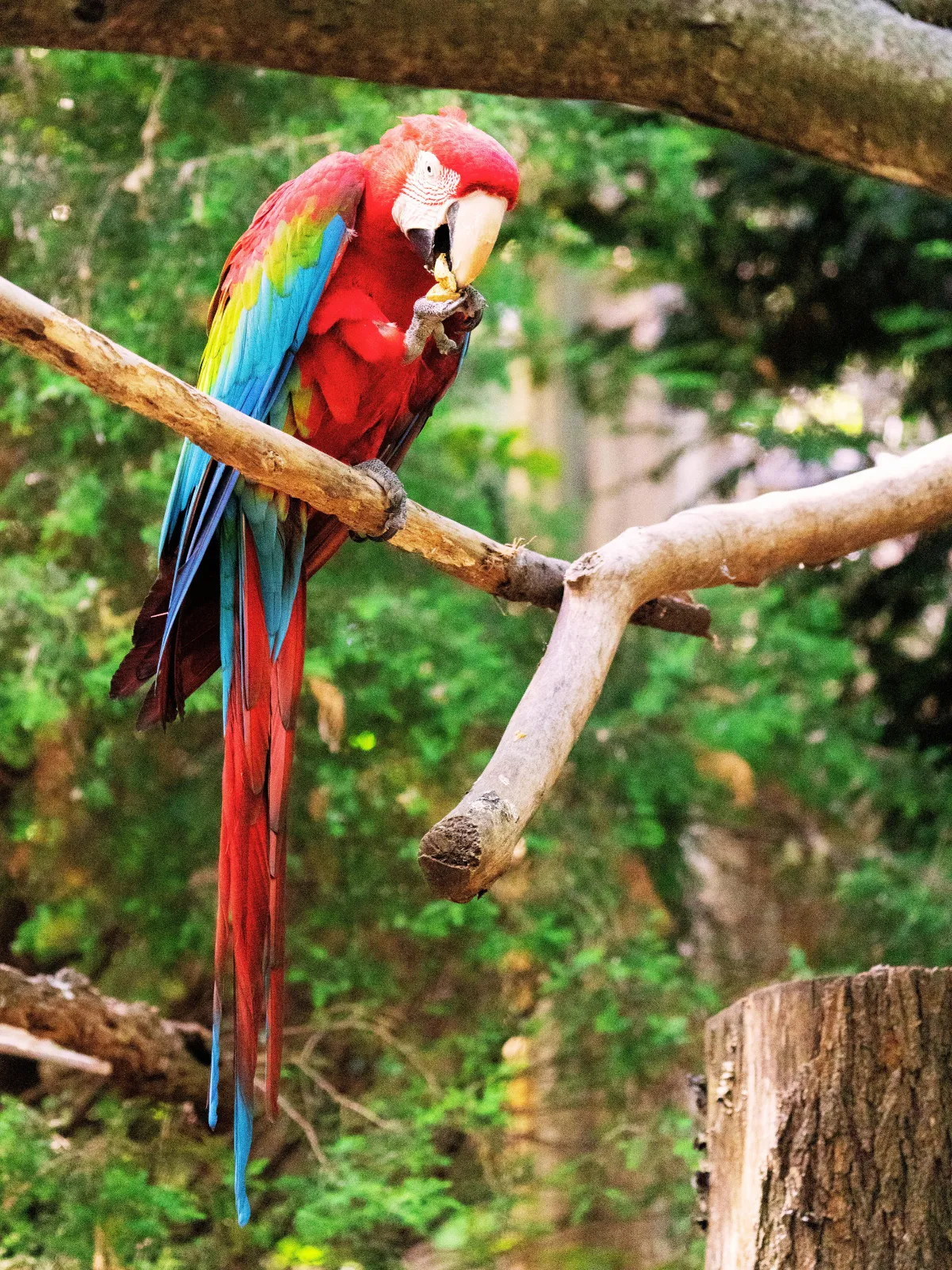
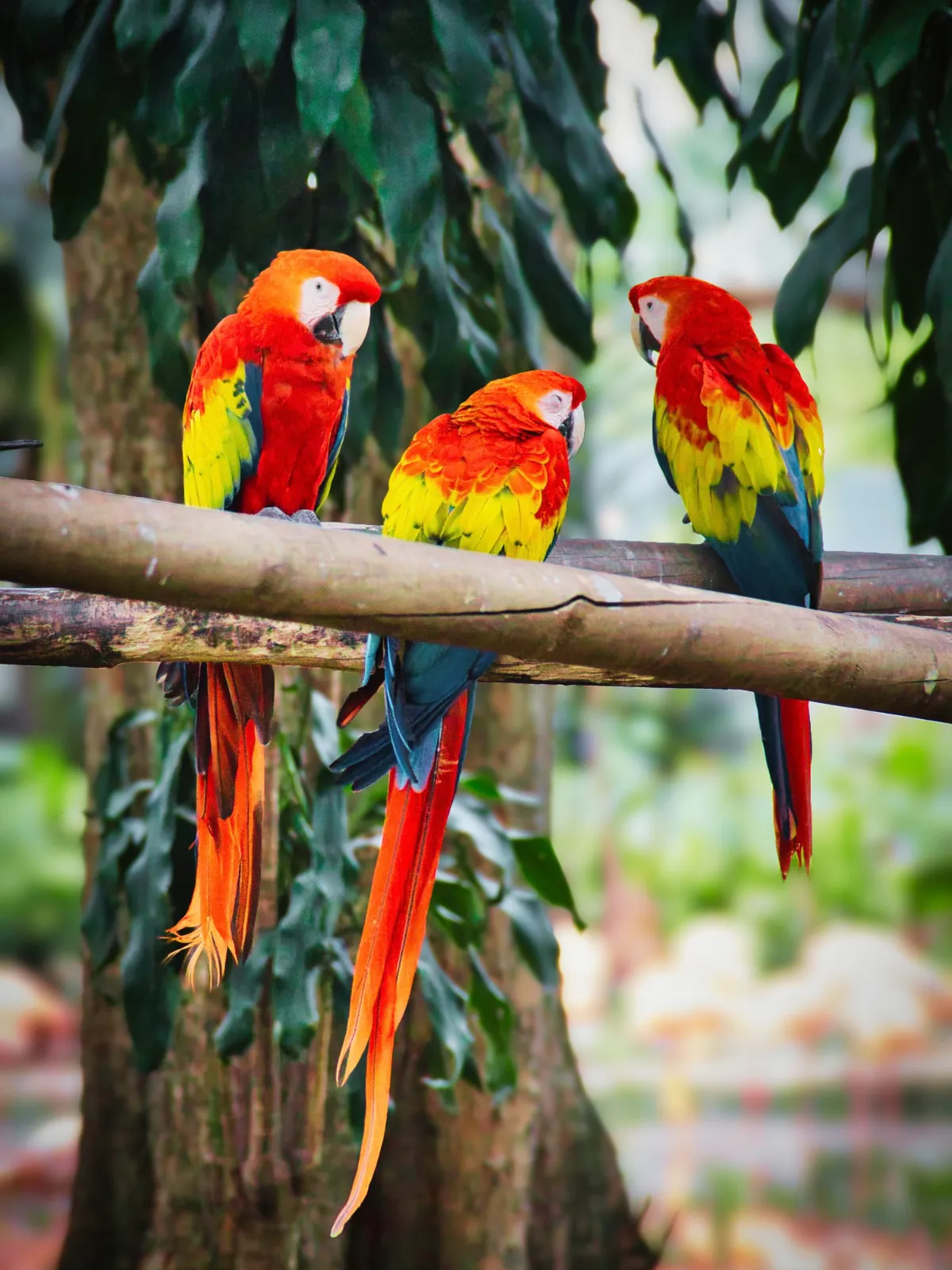
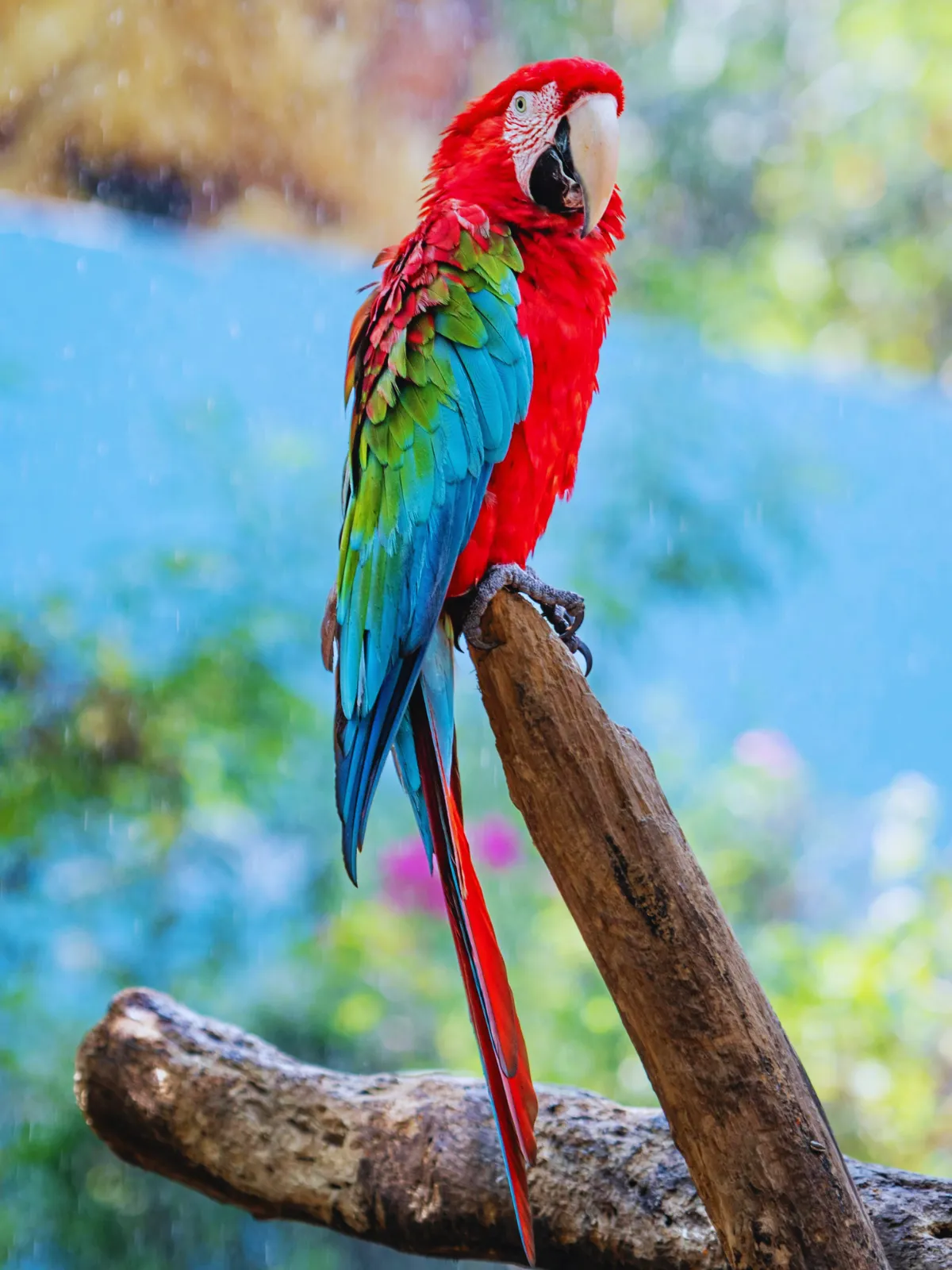
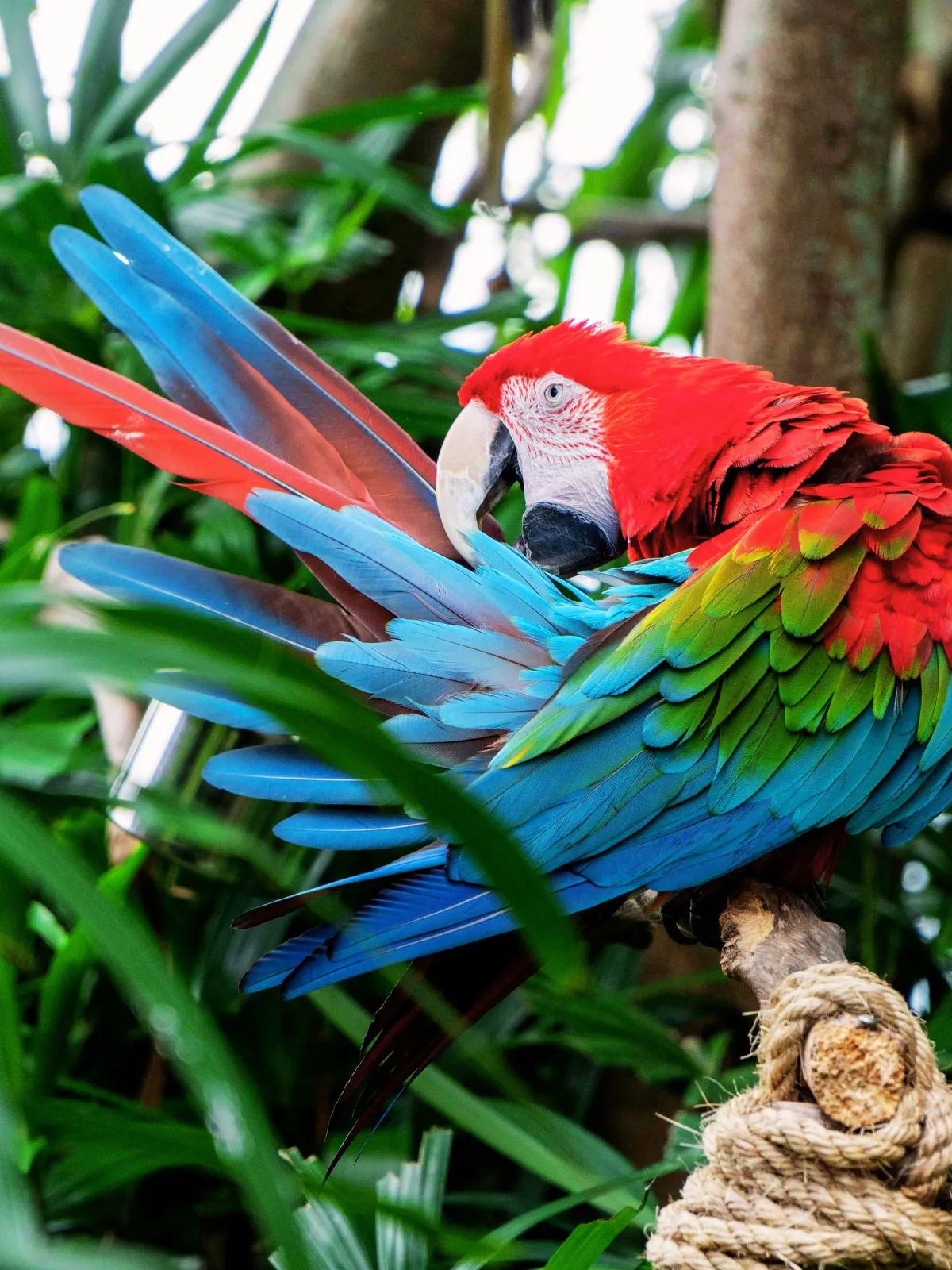
The scarlet macaw is one of the most recognizable parrots in the Americas, instantly identified by its flaming red plumage, bright yellow and blue wing bands, and long tapering tail. Found in humid lowland forests from southern Mexico through Central America to the Amazon basin, it usually lives in monogamous pairs that stay together for life. It's famous for its early morning gatherings at riverbank clay licks, where hundreds of parrots and macaws crowd together to eat mineral-rich soil. Although the species as a whole is listed as Least Concern, its northern populations are fragmented and declining, and the northern subspecies is listed as endangered.
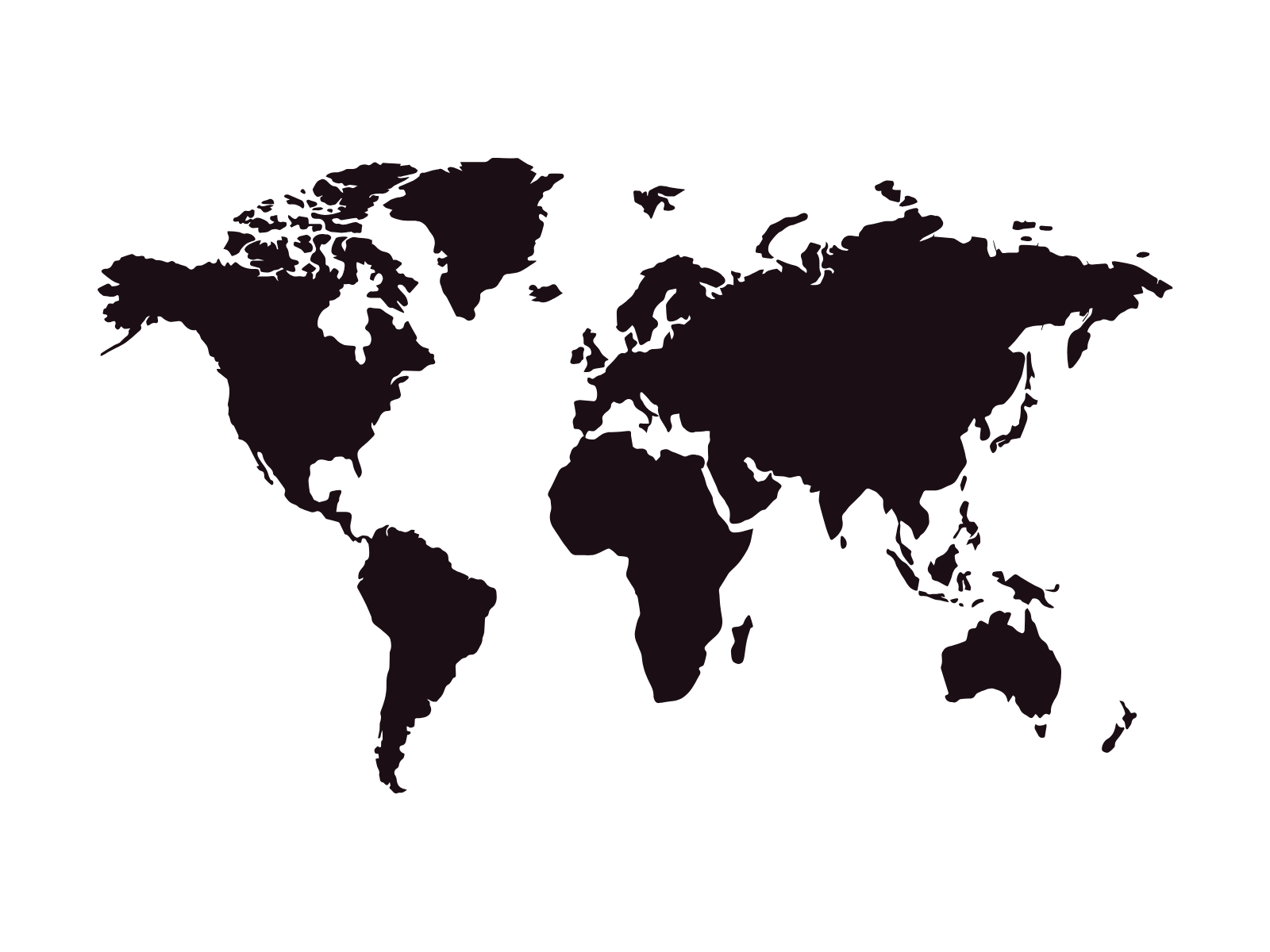
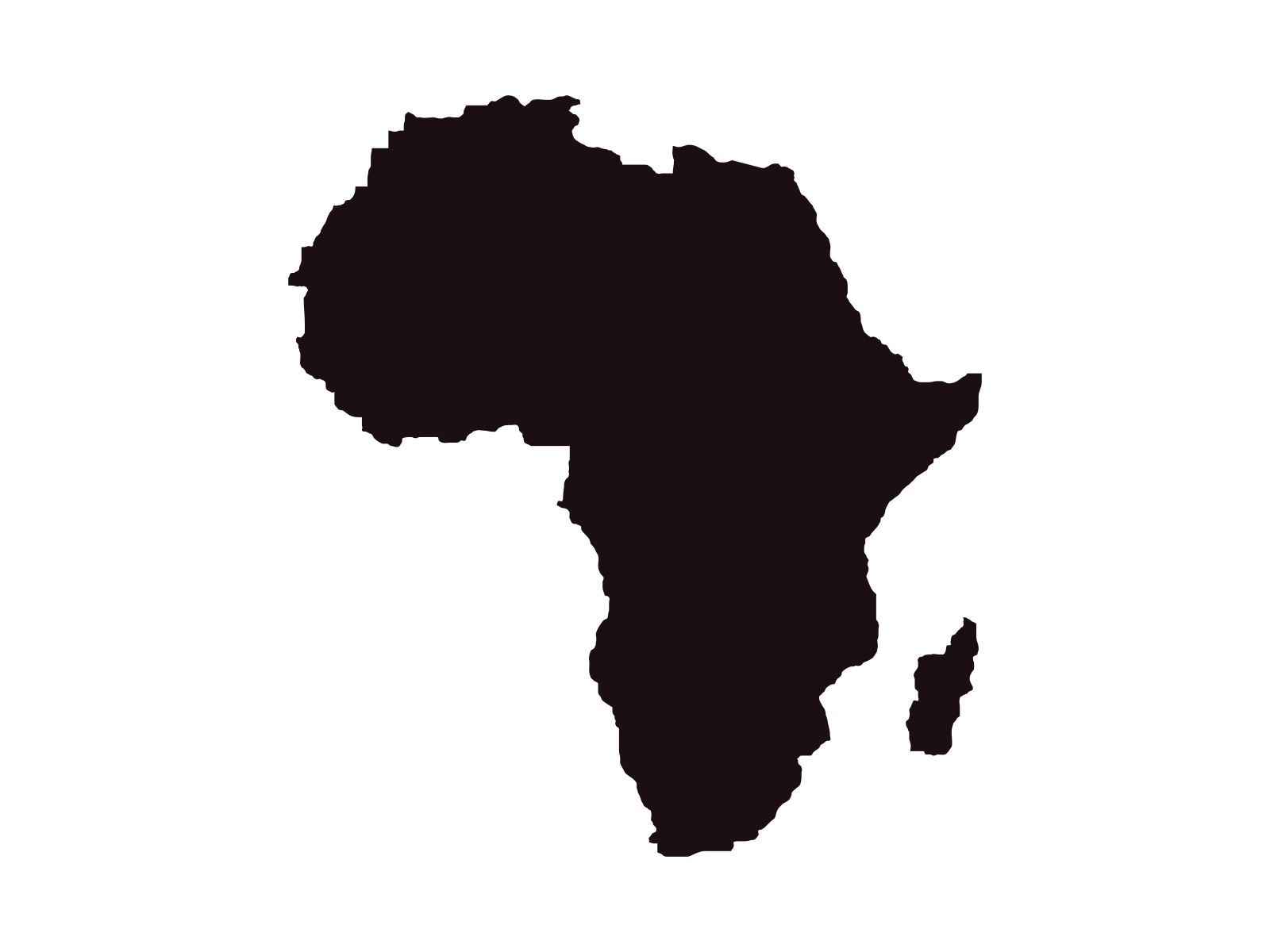
North America and South America maps silhouettes on white background.

North America, South America

Quick Facts

Weight icon
WeightAbout 900 to 1,200 g (2 to 2.6 lb), roughly 1 kg on average
Length icon
LengthAbout 84 to 89 cm (33 to 35 in) from head to tail tip, over half of it tail
Lifespan icon
LifespanCommonly cited as 40 to 50 years; up to 75 recorded in human care
Speed icon
SpeedUp to about 56 km/h (35 mph) in flight, according to zoo sources
Diet icon
DietFruits, nuts, seeds, flowers, and nectar, plus sodium-rich clay from riverbanks
Wingspan icon
WingspanAbout 112 to 120 cm (44 to 47 in), according to one zoo source
Population icon
PopulationEstimated at 50,000 to 500,000 and decreasing; some northern groups are far smaller
Range icon
RangeSoutheastern Mexico through Central America to the Amazon basin and Bolivia

Conservation Status

EXExtinct
EWExtinct in the Wild
CRCritically Endangered
ENEndangered
VUVulnerable
NTNear Threatened
LCLeast Concern
NENot Evaluated

How Scarlet Macaws Survive in the Wild

1 / 3

Social Lives of Scarlet Macaws

1 / 3

Photo Gallery

Flashcards

Quiz Yourself on Scarlet Macaw

Pick a difficulty level and test what you've learned.

A scarlet macaw showcases brilliant red plumage across its head and back, vibrant yellow middle wing coverts, and rich blue wing tips. It features a large ivory bill, a white patch around its eye, and one clawed foot lifted outward.Easy

Scarlet Macaw

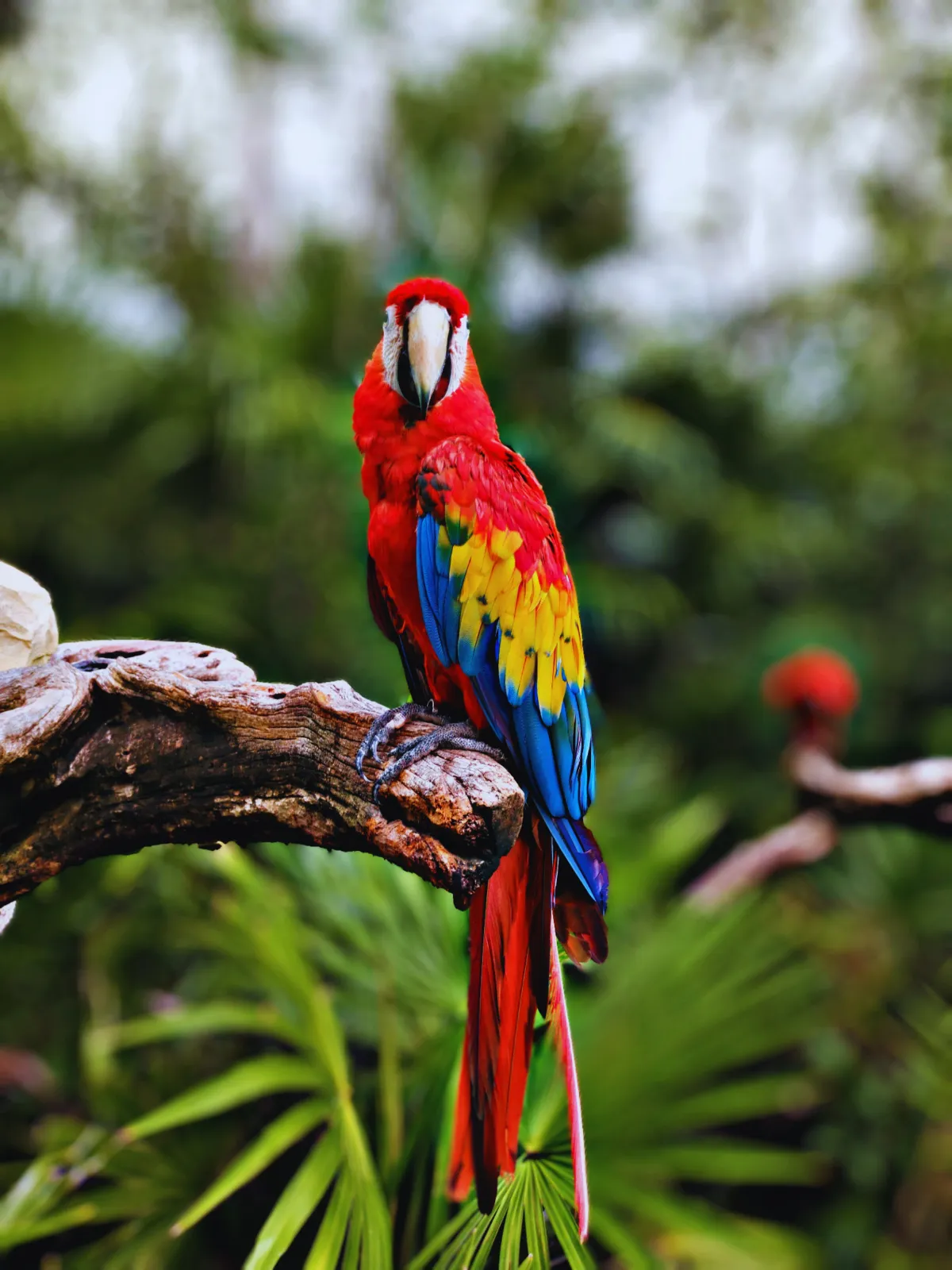
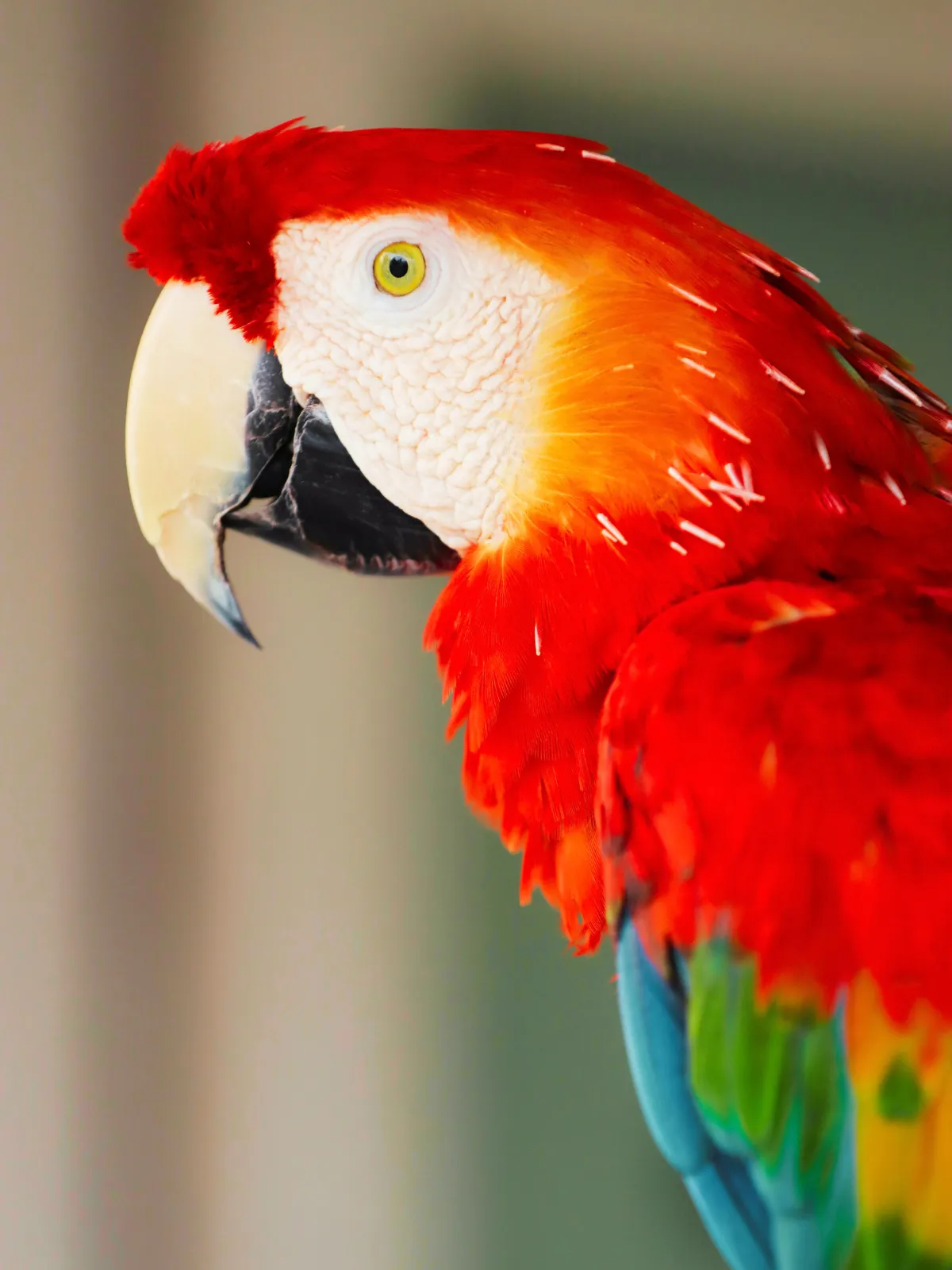
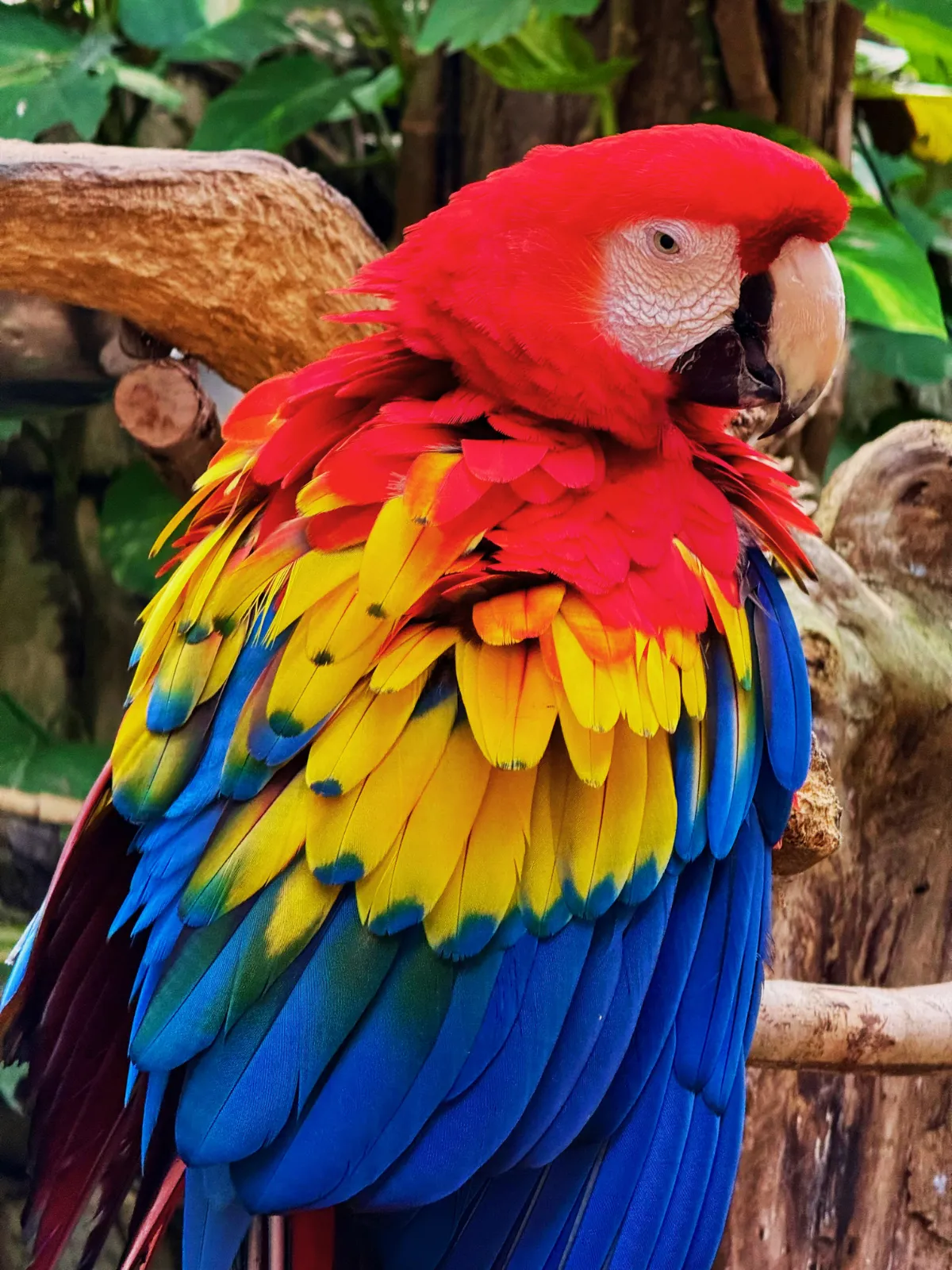
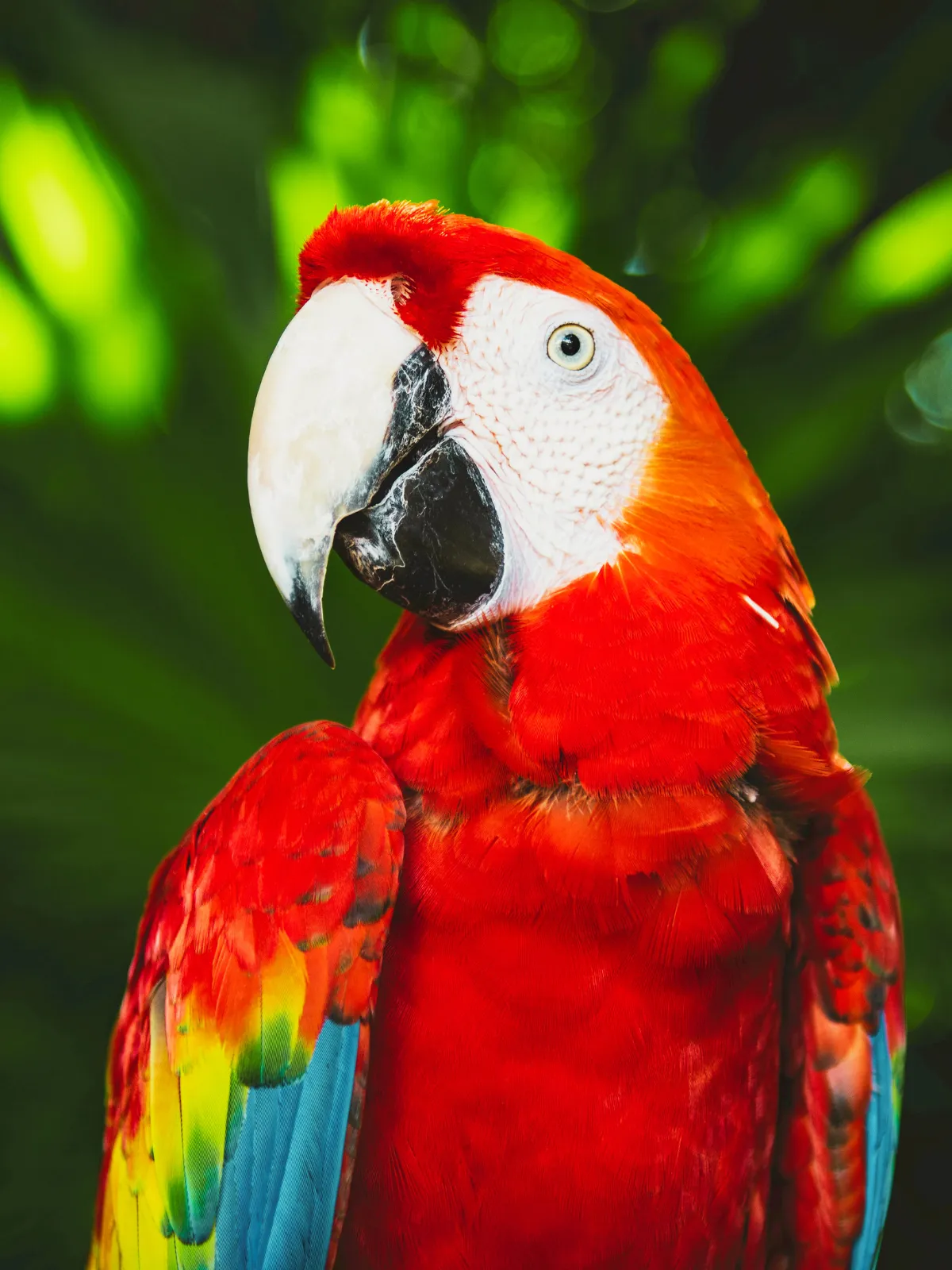
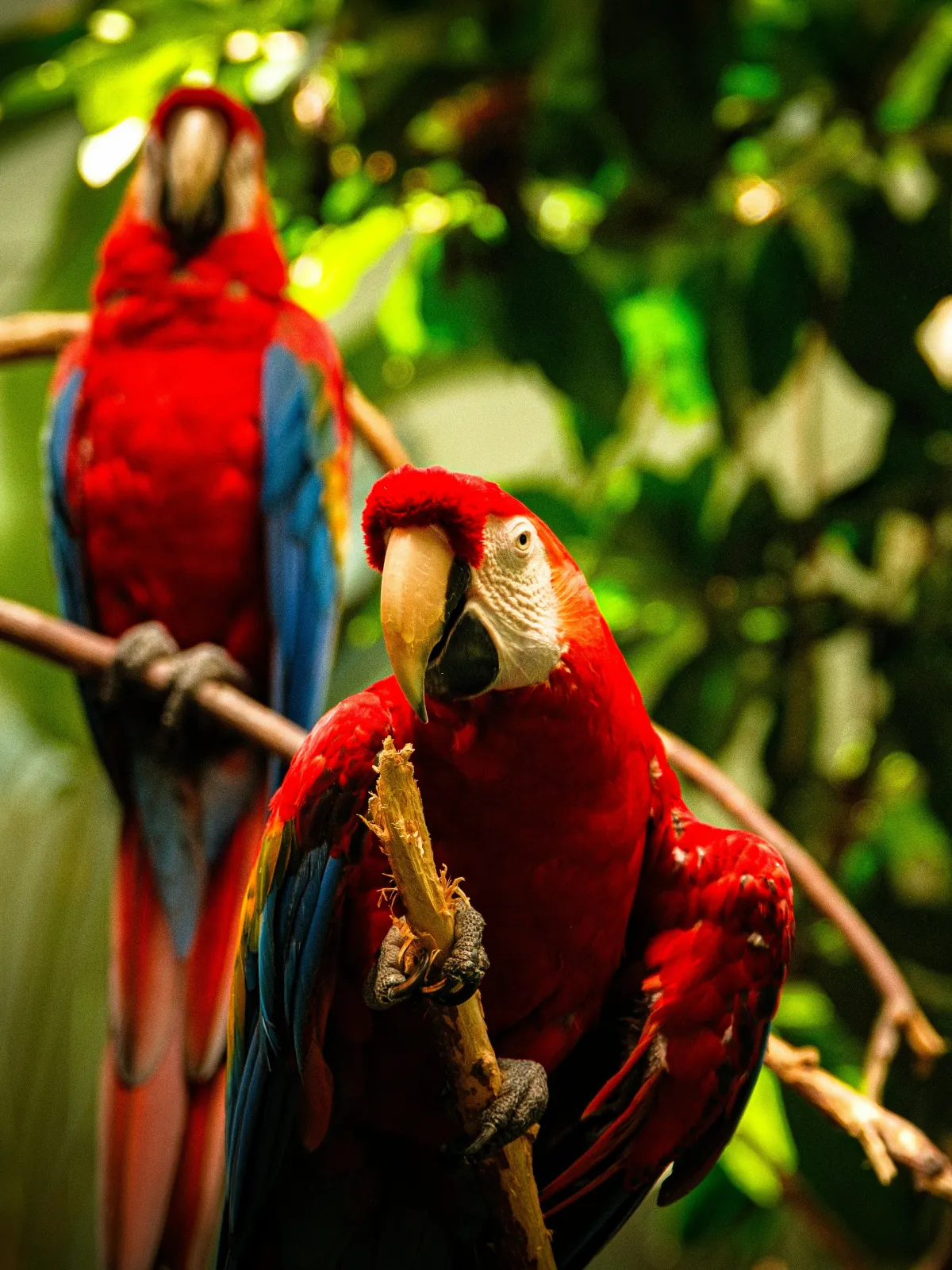
A front-facing portrait of a scarlet macaw showing its bright red throat and chest feathers. The camera catches a clear view of its white facial skin patch, dark grey lower beak, hooked ivory upper beak, and light yellow eye against a vibrant green background.Medium

Scarlet Macaw

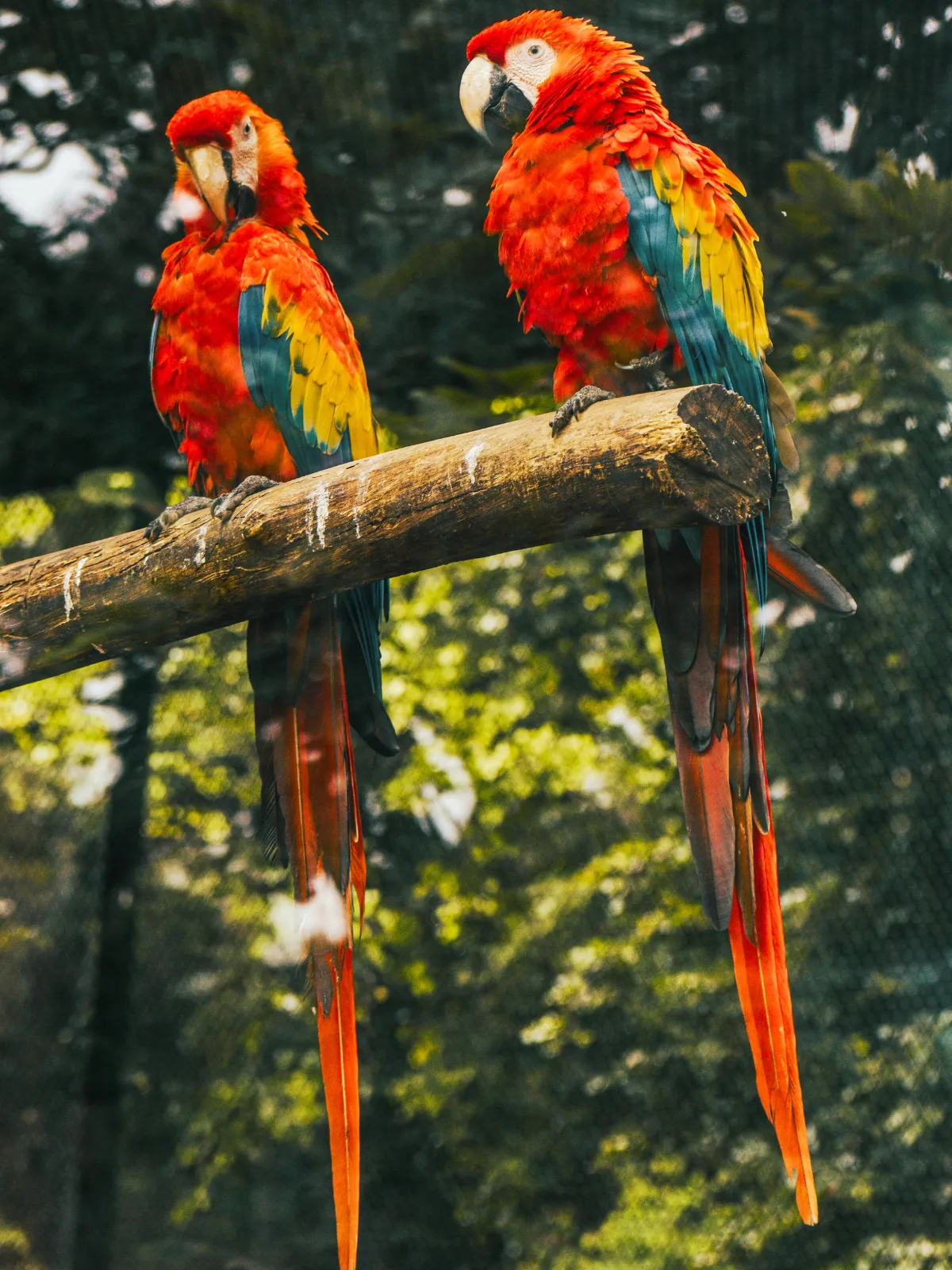
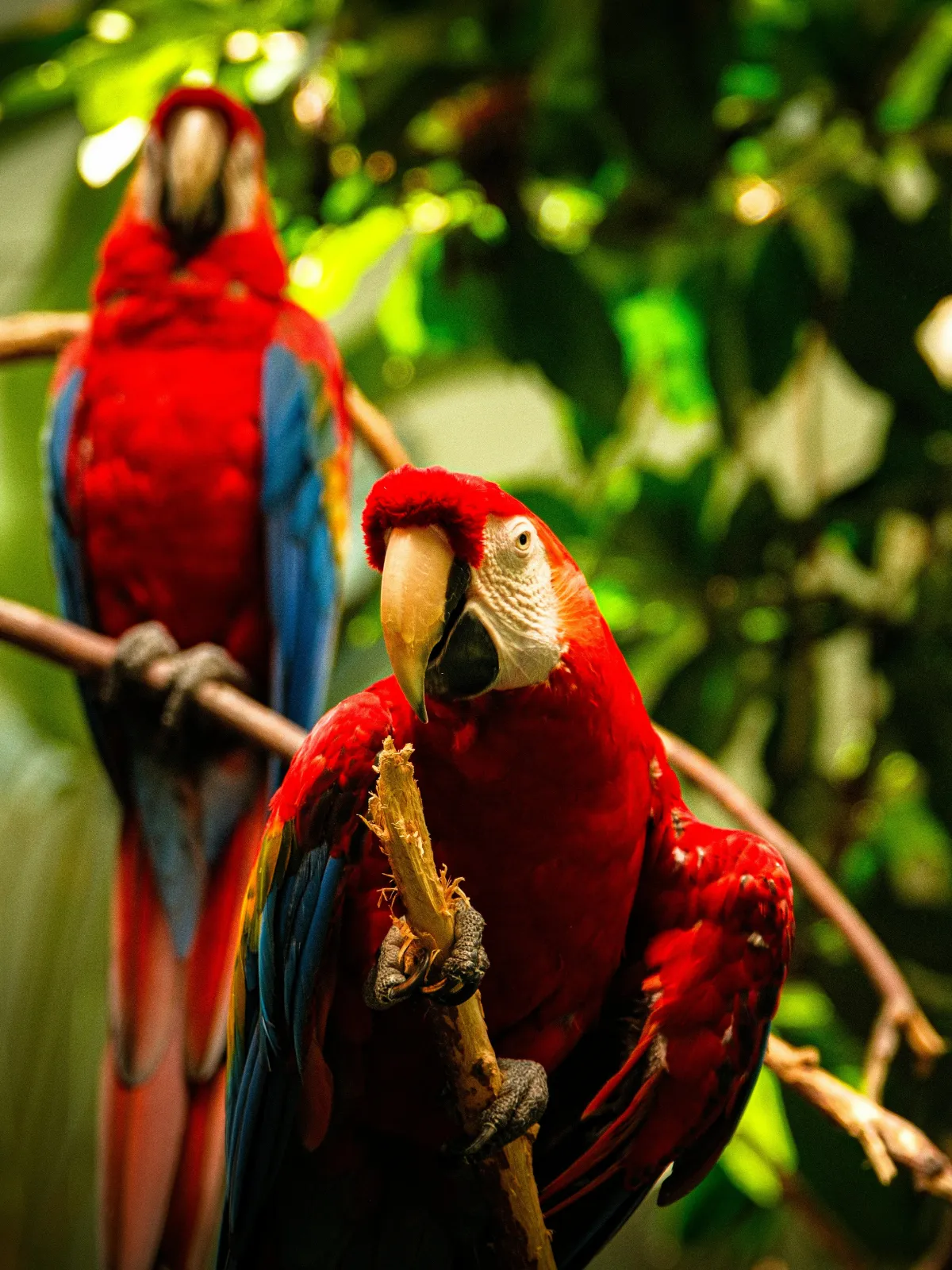
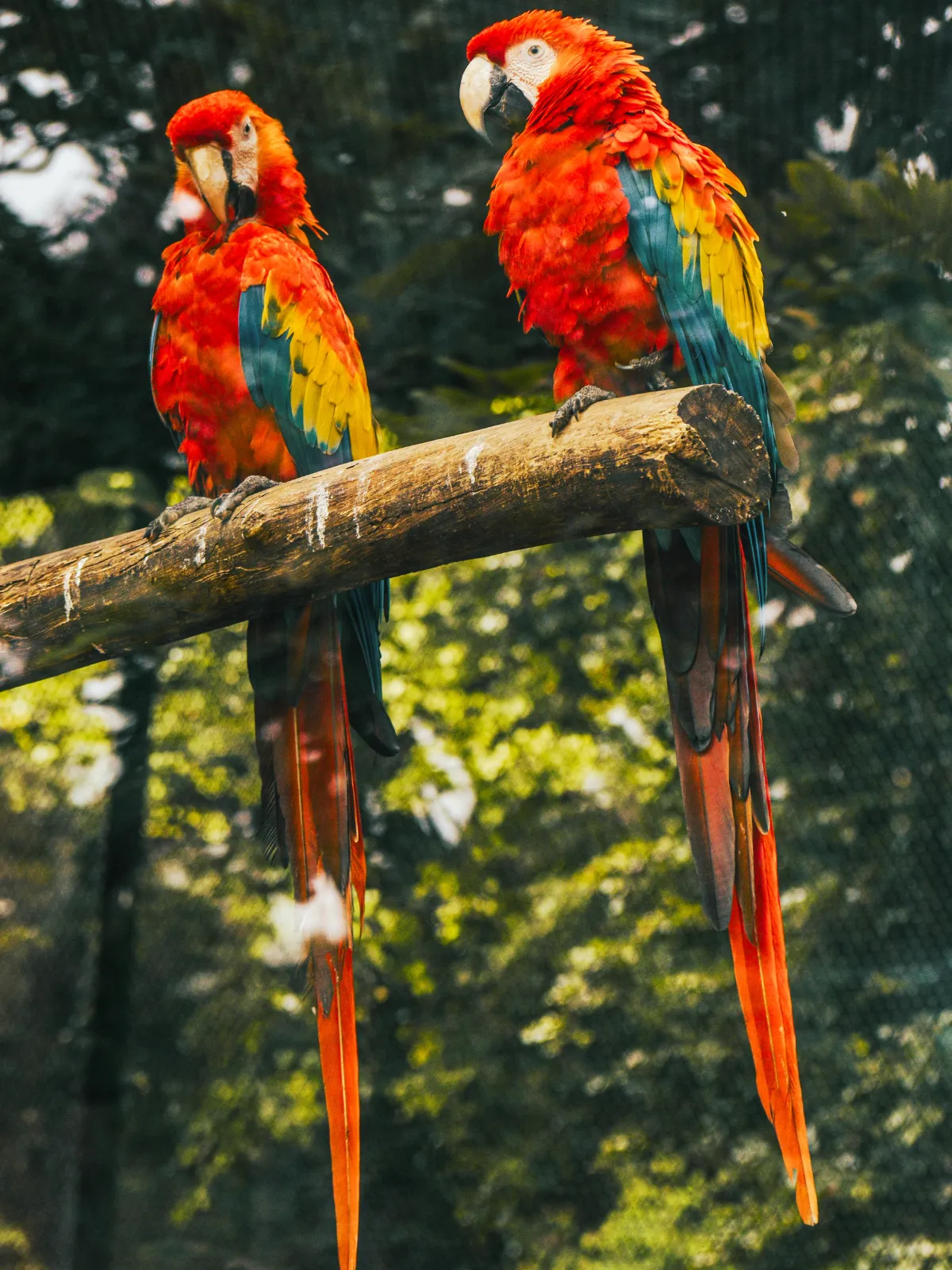
A scarlet macaw sits on a wooden branch in a lush, sunlit tree setting. Its head is tilted slightly downward with an alert, curious gaze. The image showcases its brilliant red breast, vibrant yellow and blue wing coverts, and dark grey feet gripping the barkHard

Scarlet Macaw