
















 Insects
 Continent: Africa, Asia, Europe









Warning Colors, Backed by Chemistry
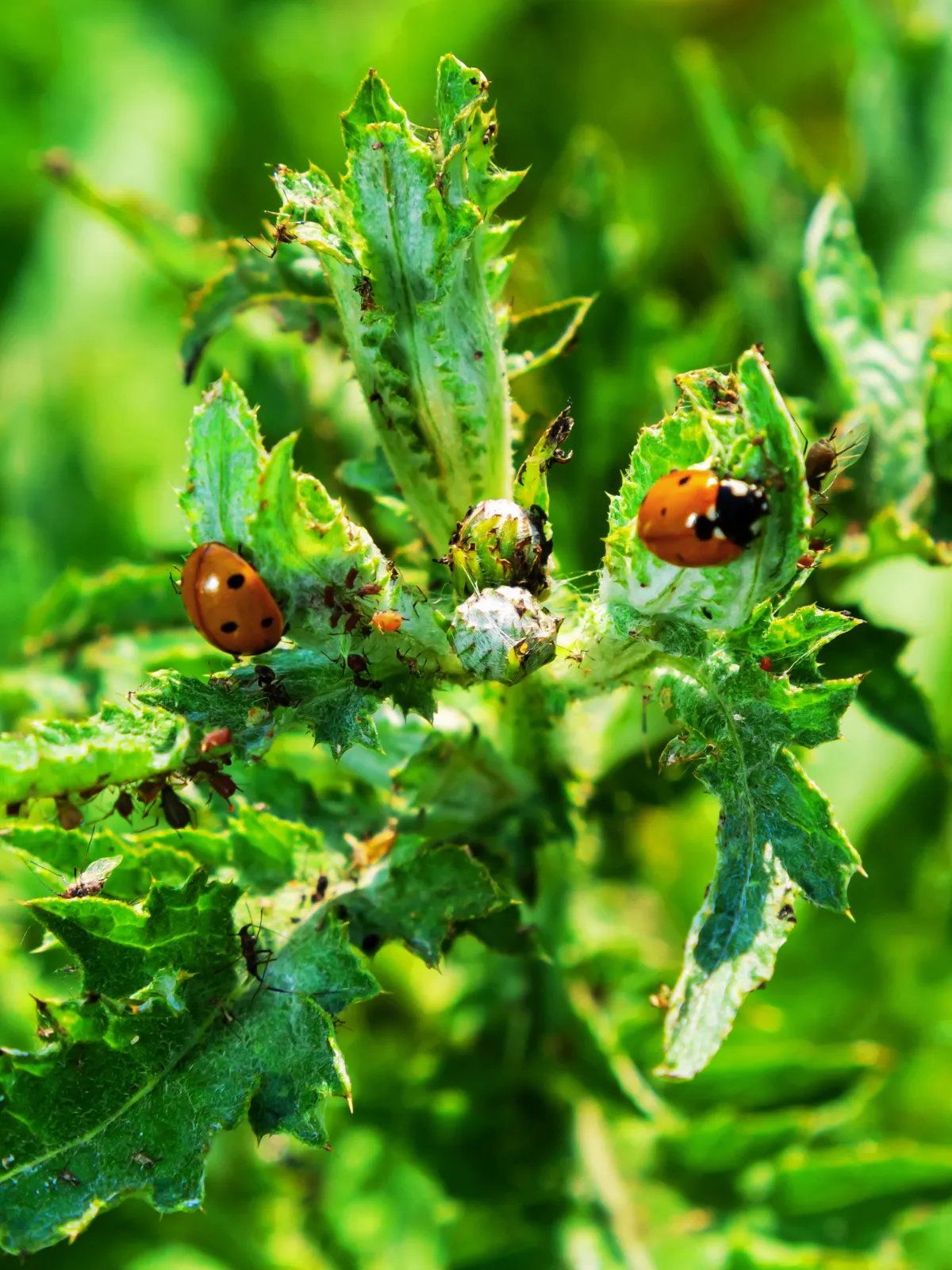
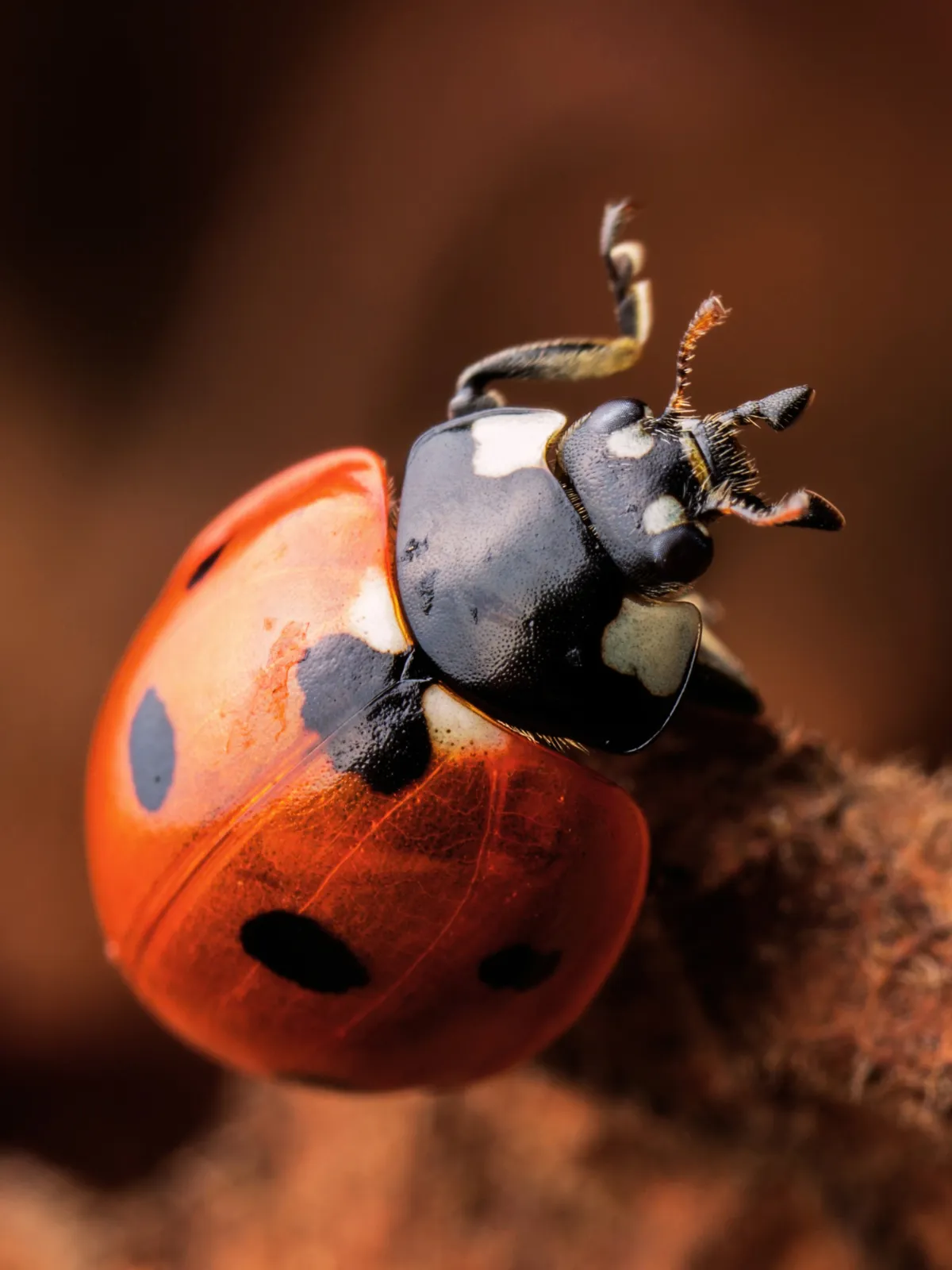
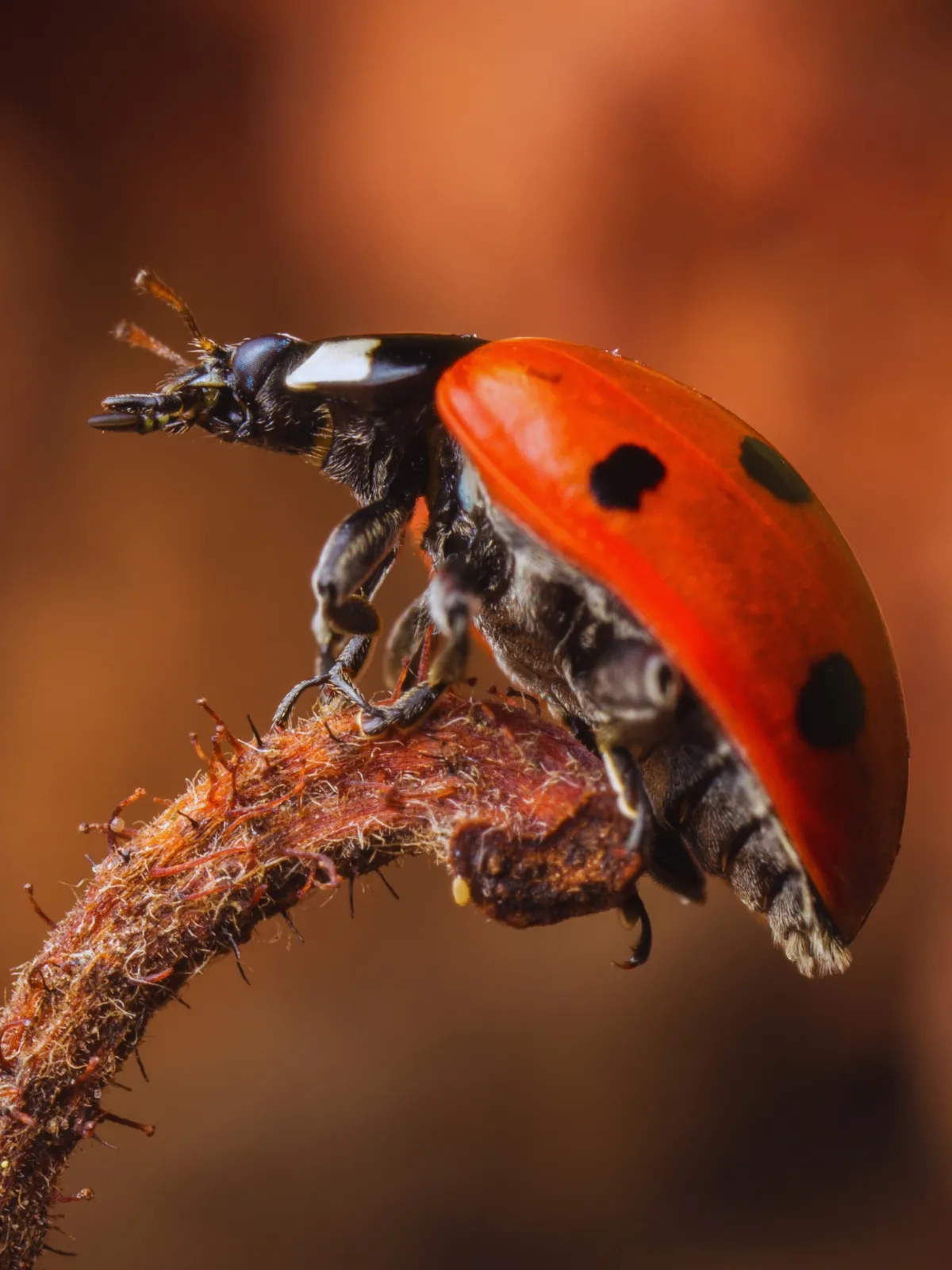
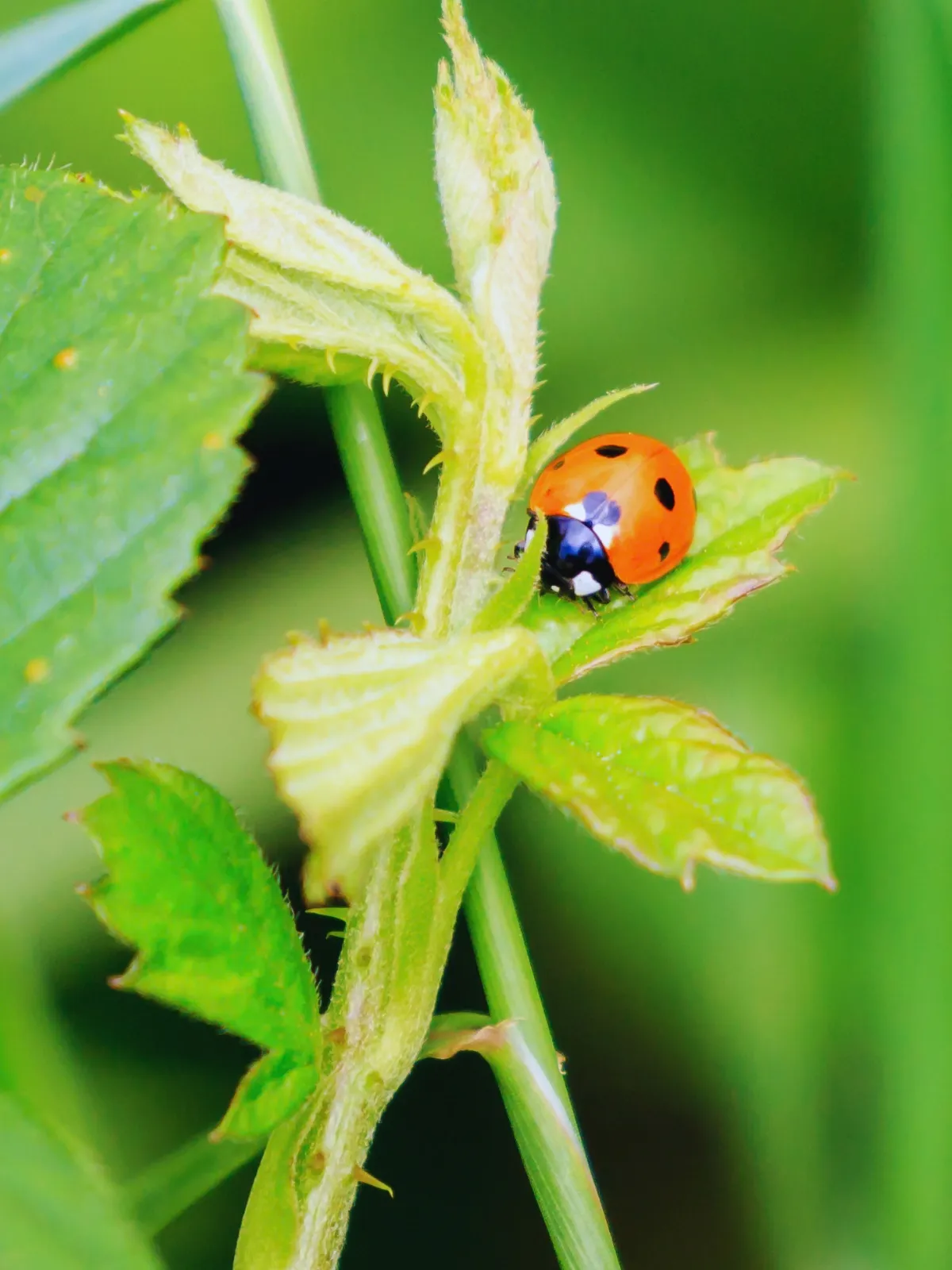
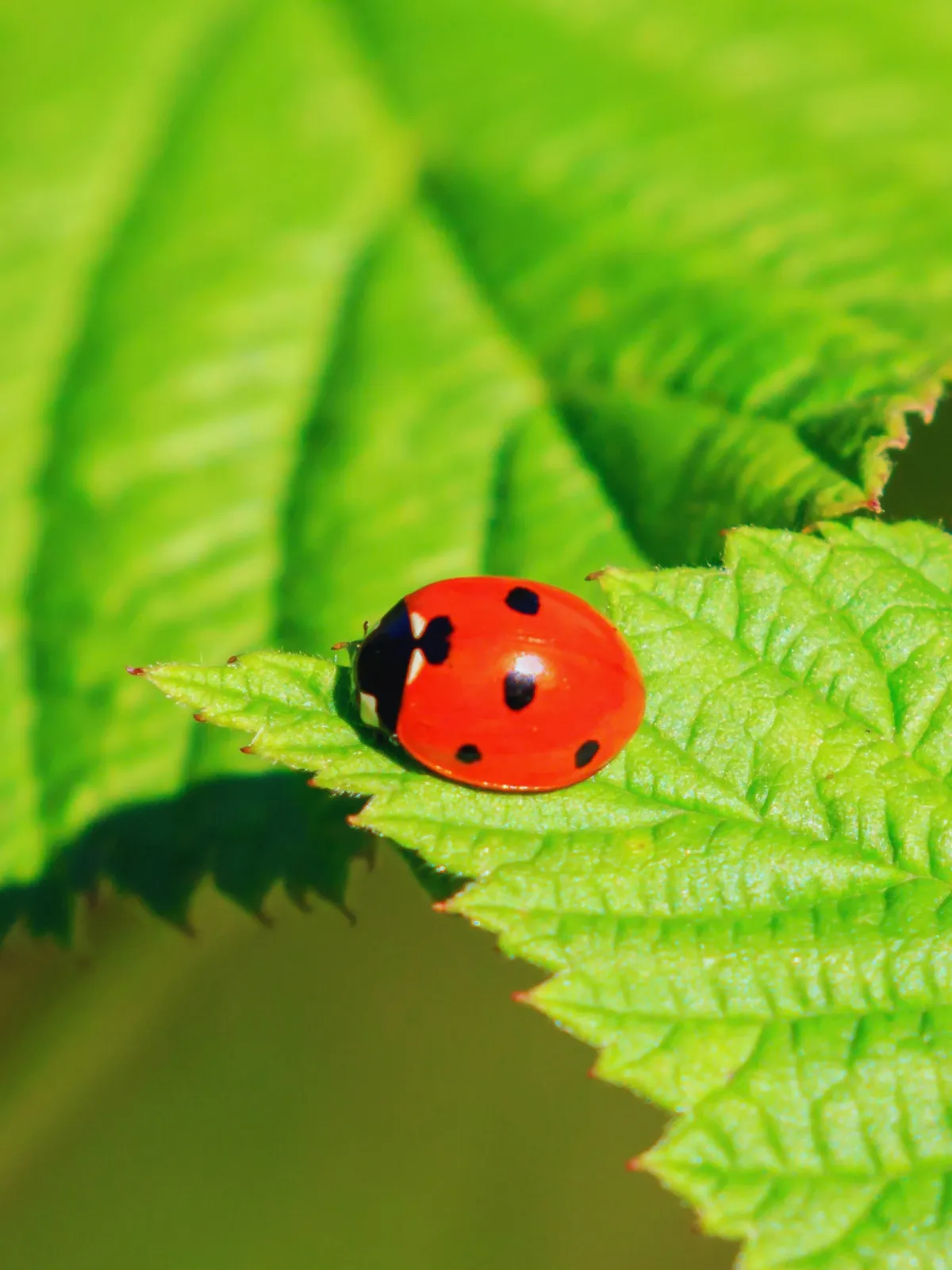
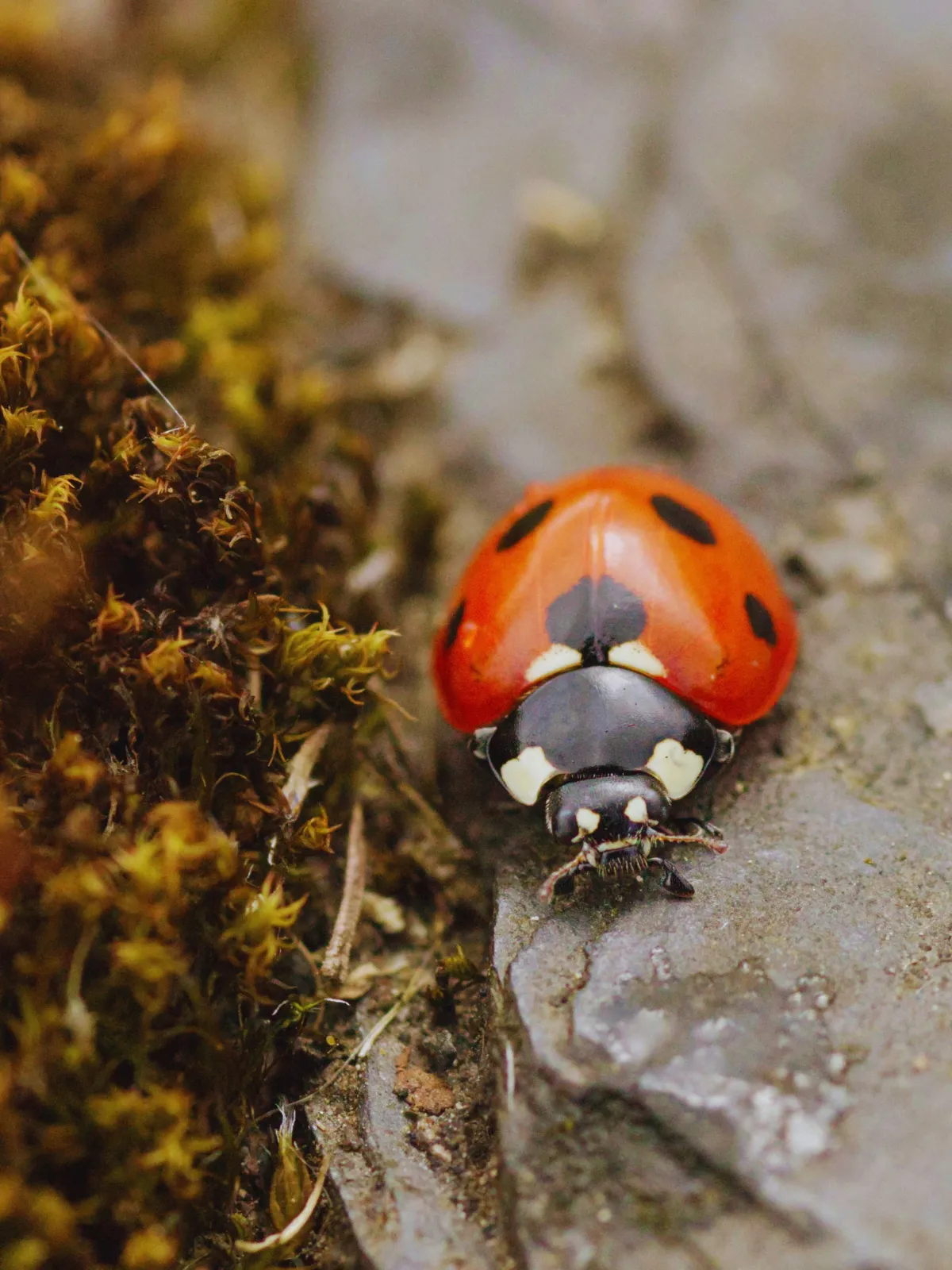
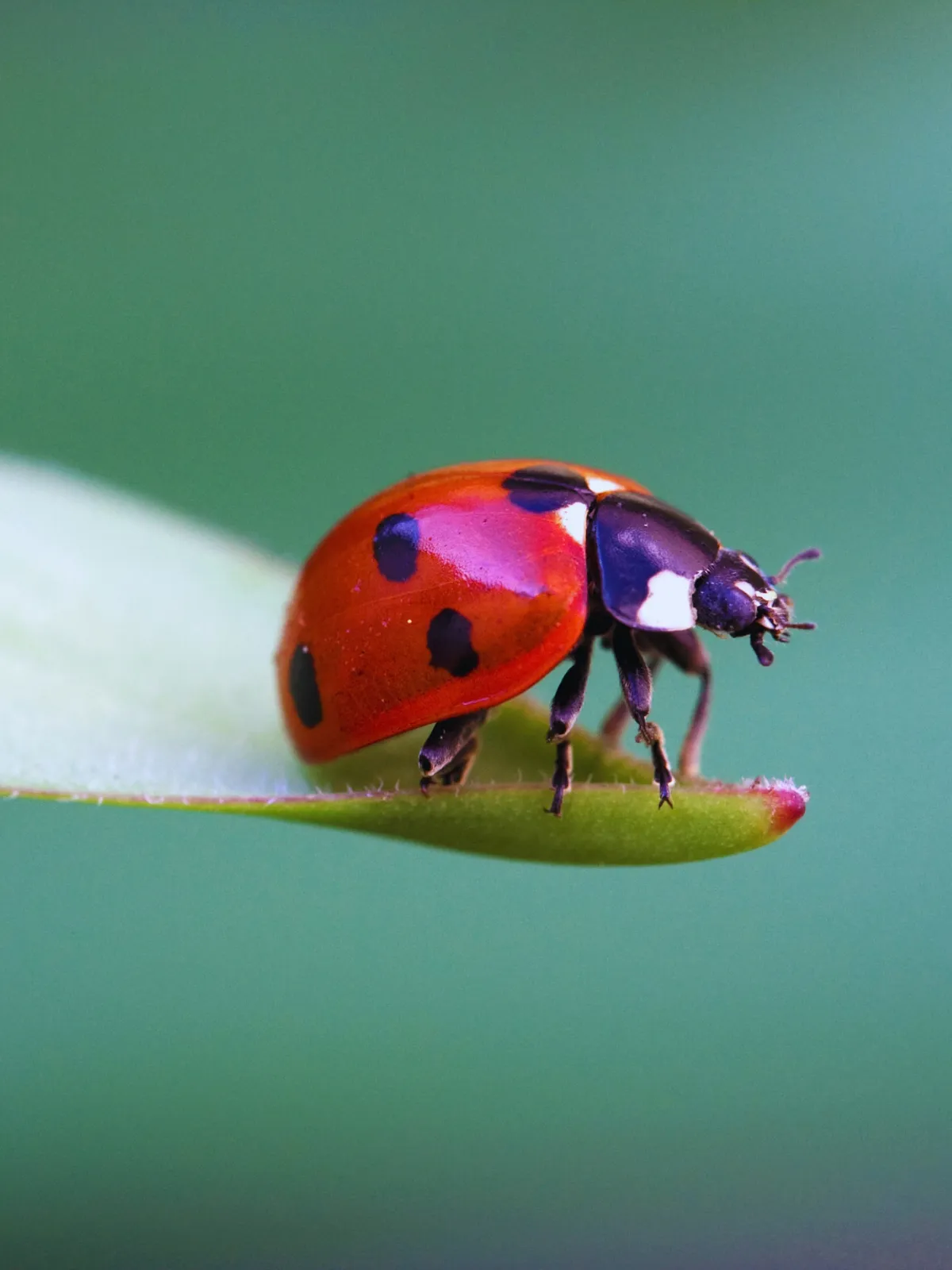
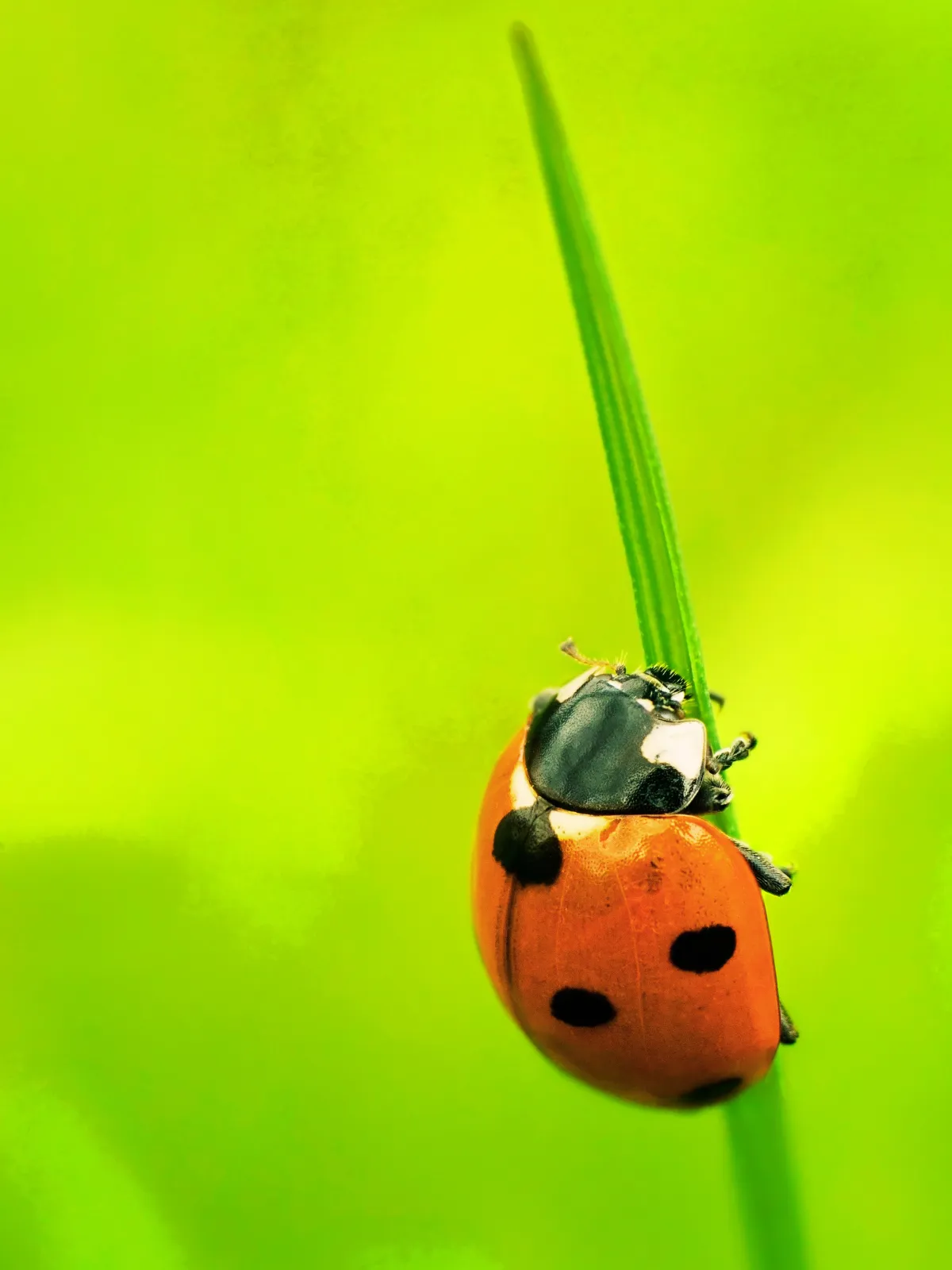
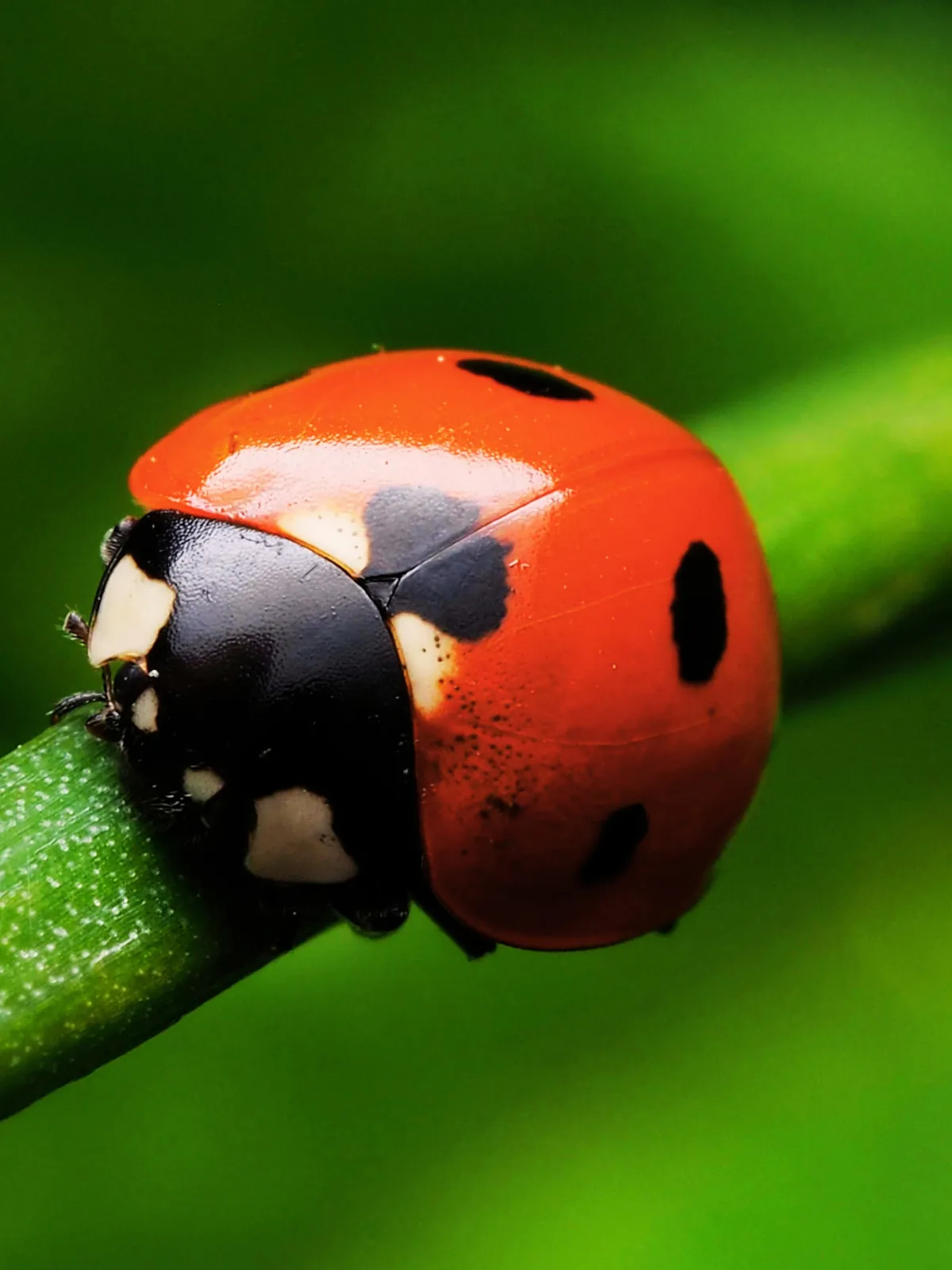
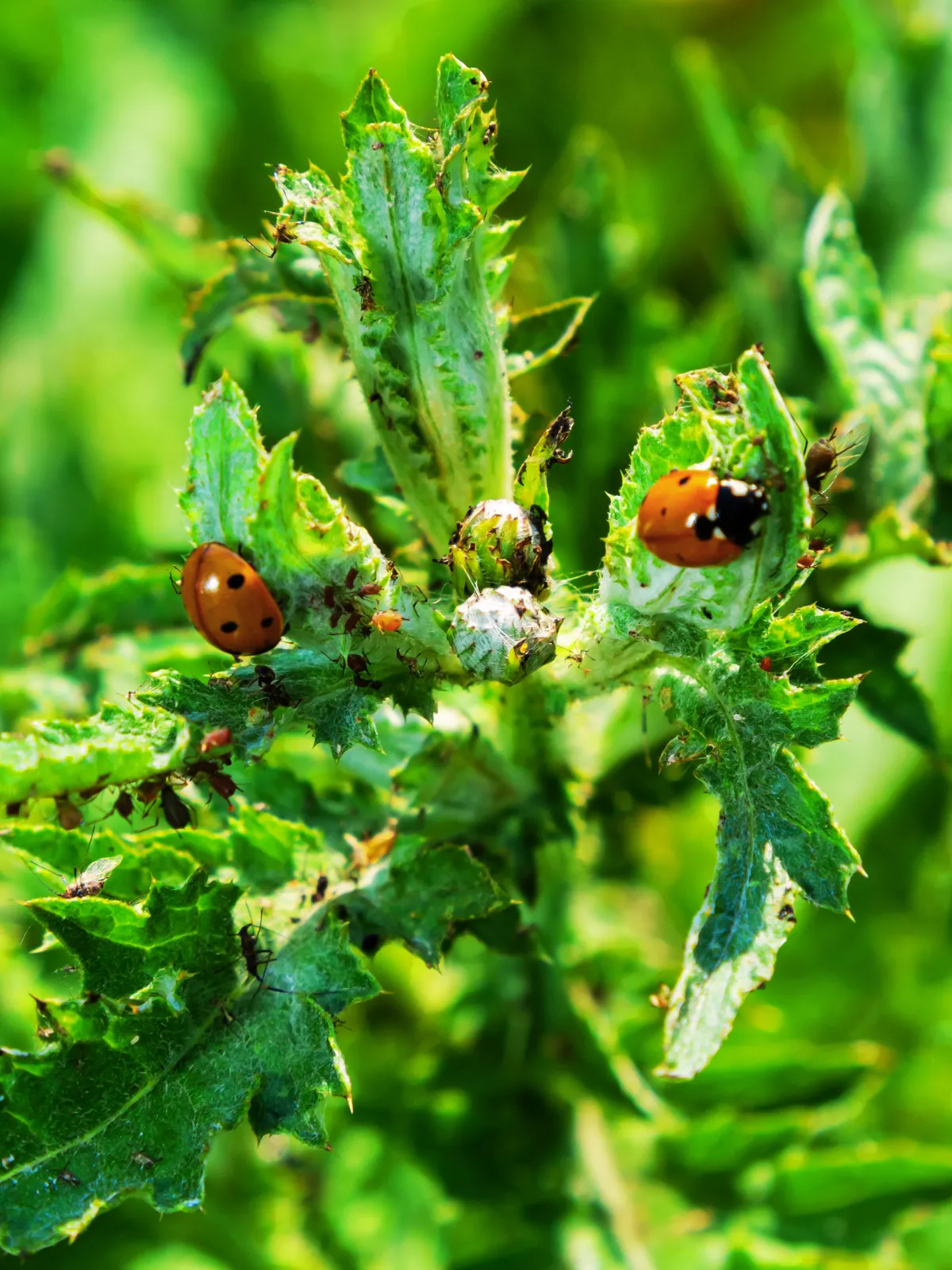
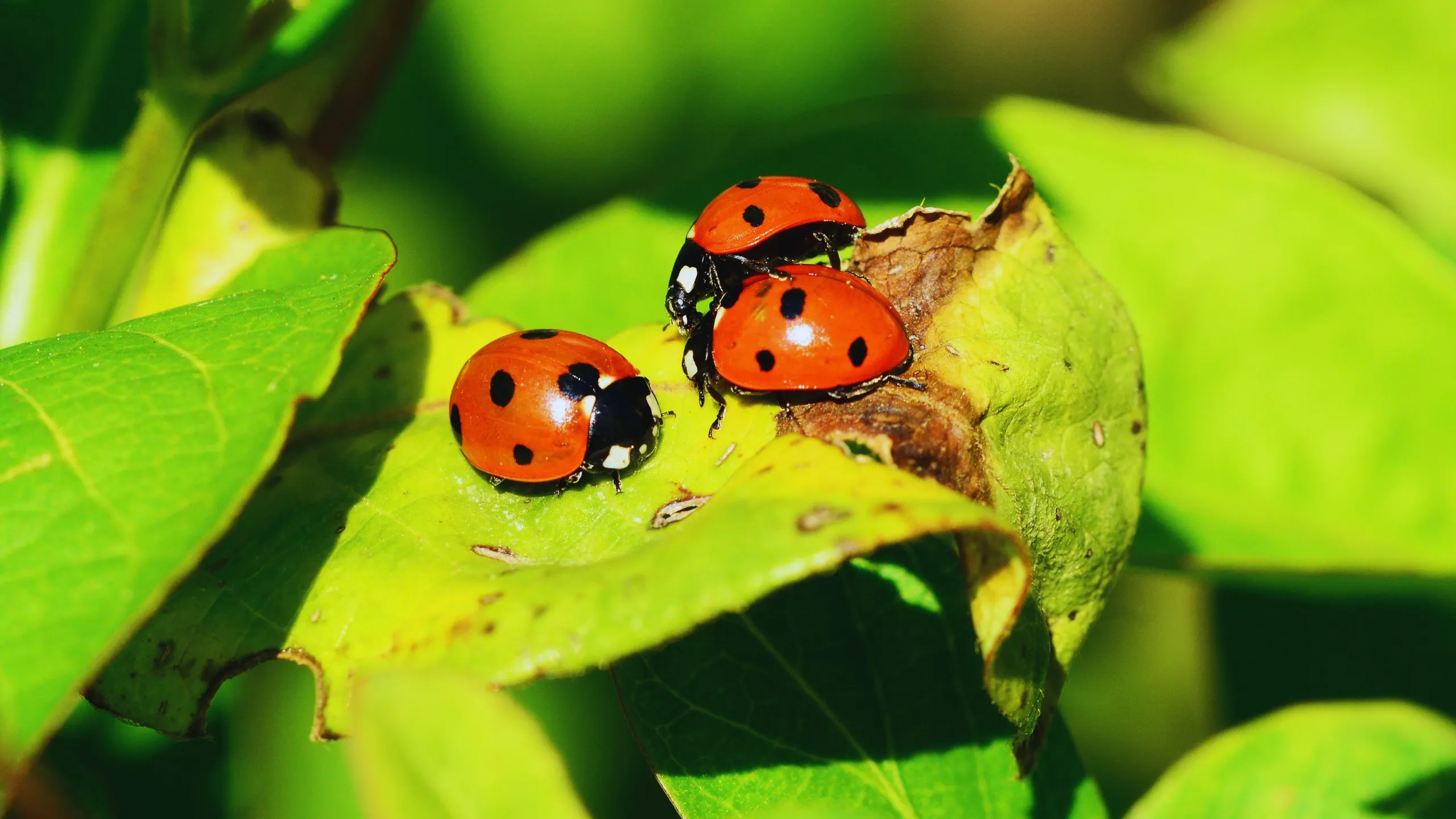
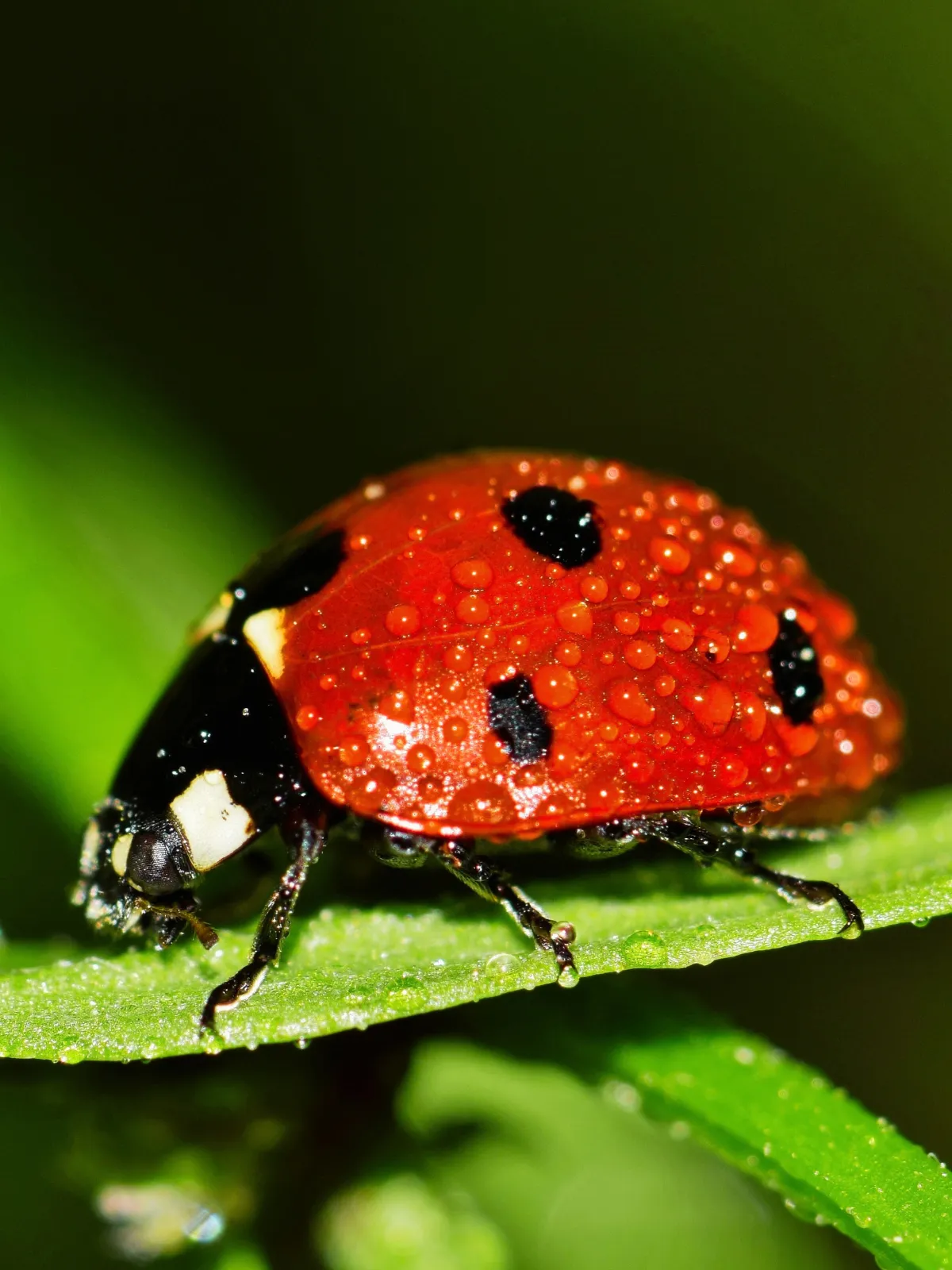
When aphids become scarce, seven-spot ladybirds can survive on pollen, nectar, and other small insects such as thrips, whitefly, and leafhoppers, and Plantura adds fungal spores to the list. They cannot reproduce on these substitute foods alone, though. They may also move to another aphid colony, and adults sometimes eat the eggs of their own species. This flexibility buys time until aphid numbers recover. In cold months, adults enter a dormant state called overwintering, sheltering under bark and boulders, in hedgerows, leaf litter, dense grass, outbuildings, and sometimes houses. In Britain they often gather in groups from October to February, drawn together partly by a pheromone, and become active again in March or April. This pairing of flexible feeding and winter dormancy lets the species persist through lean seasons.