















Wildari Planet
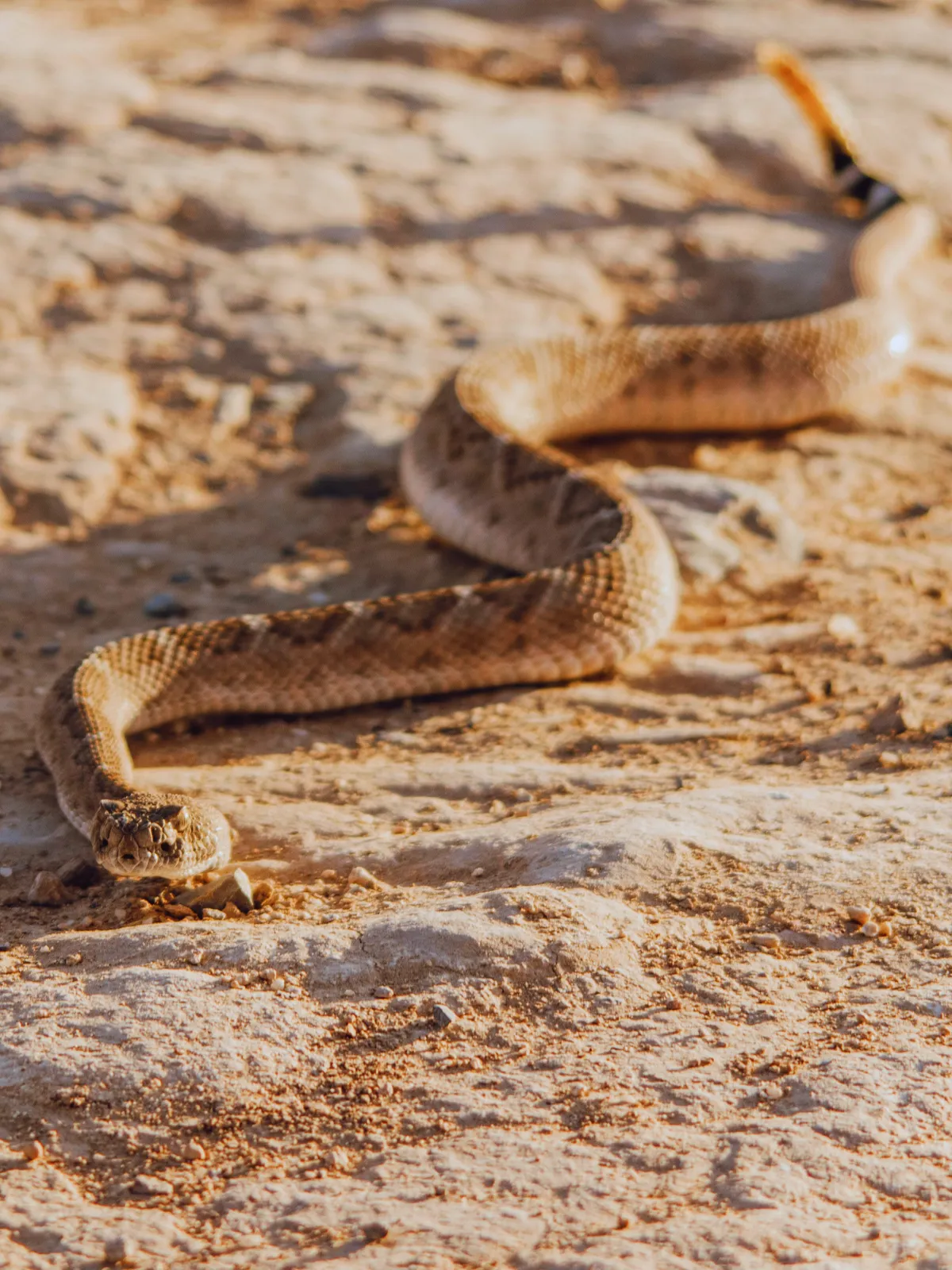
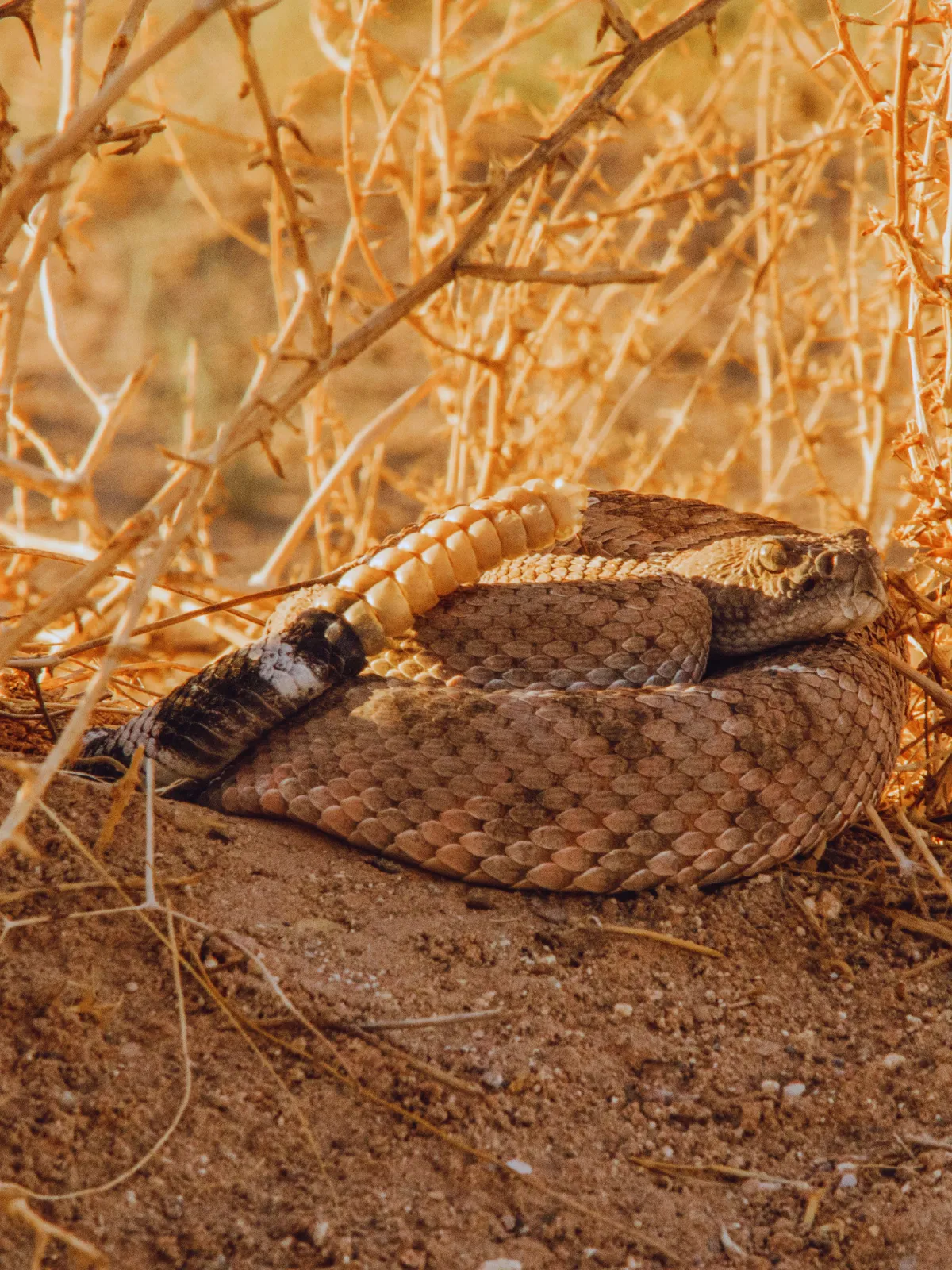
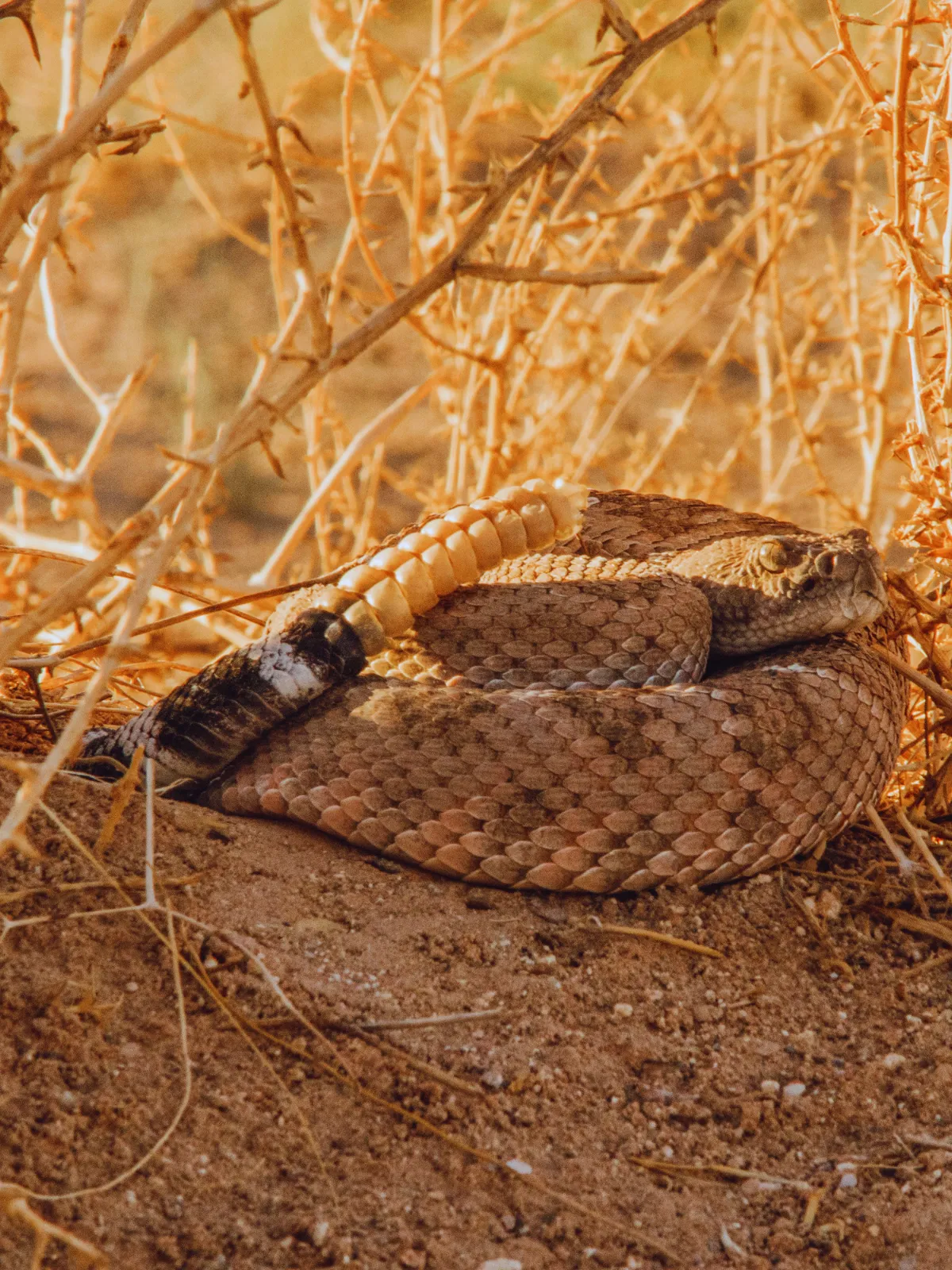
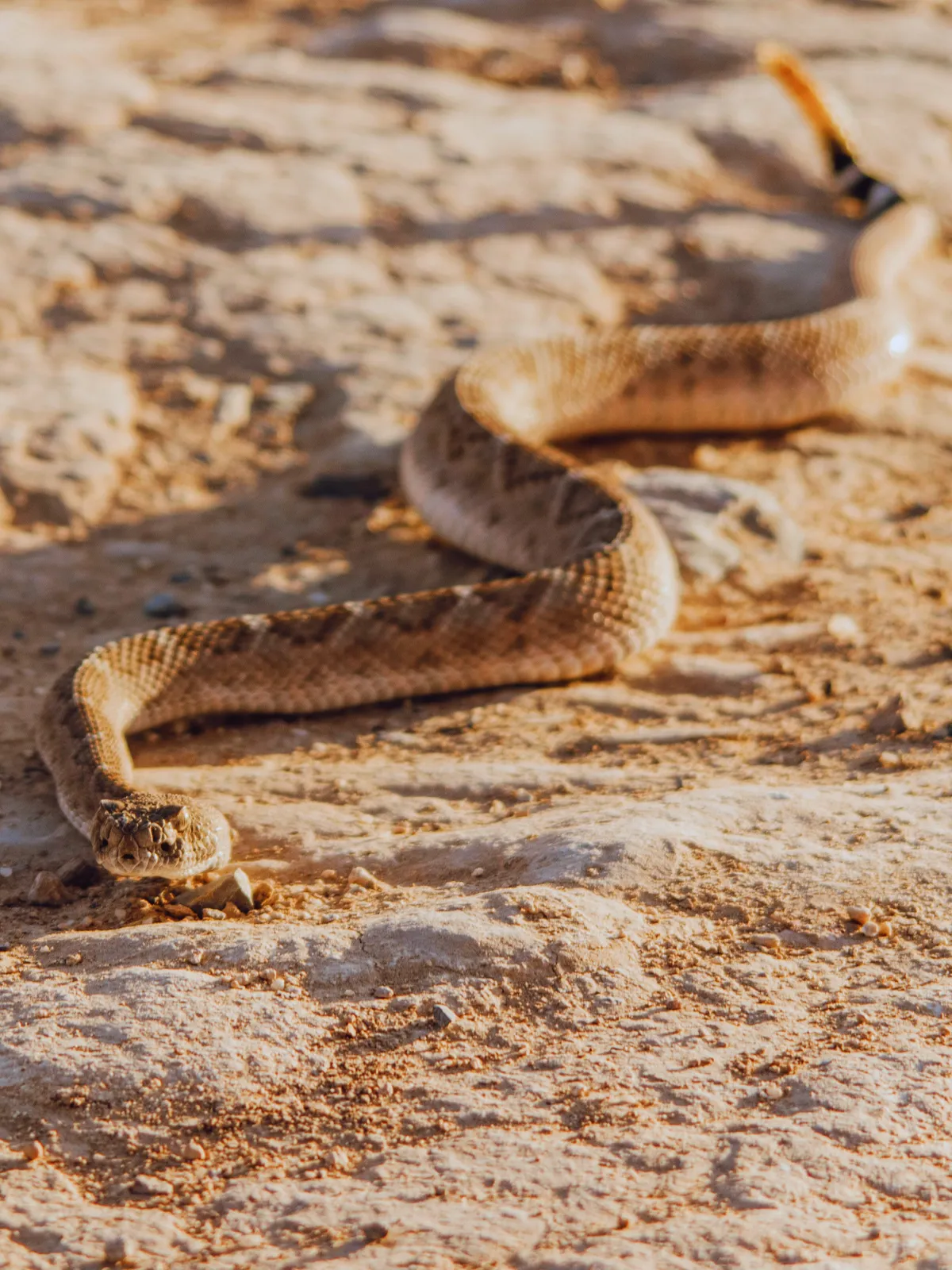
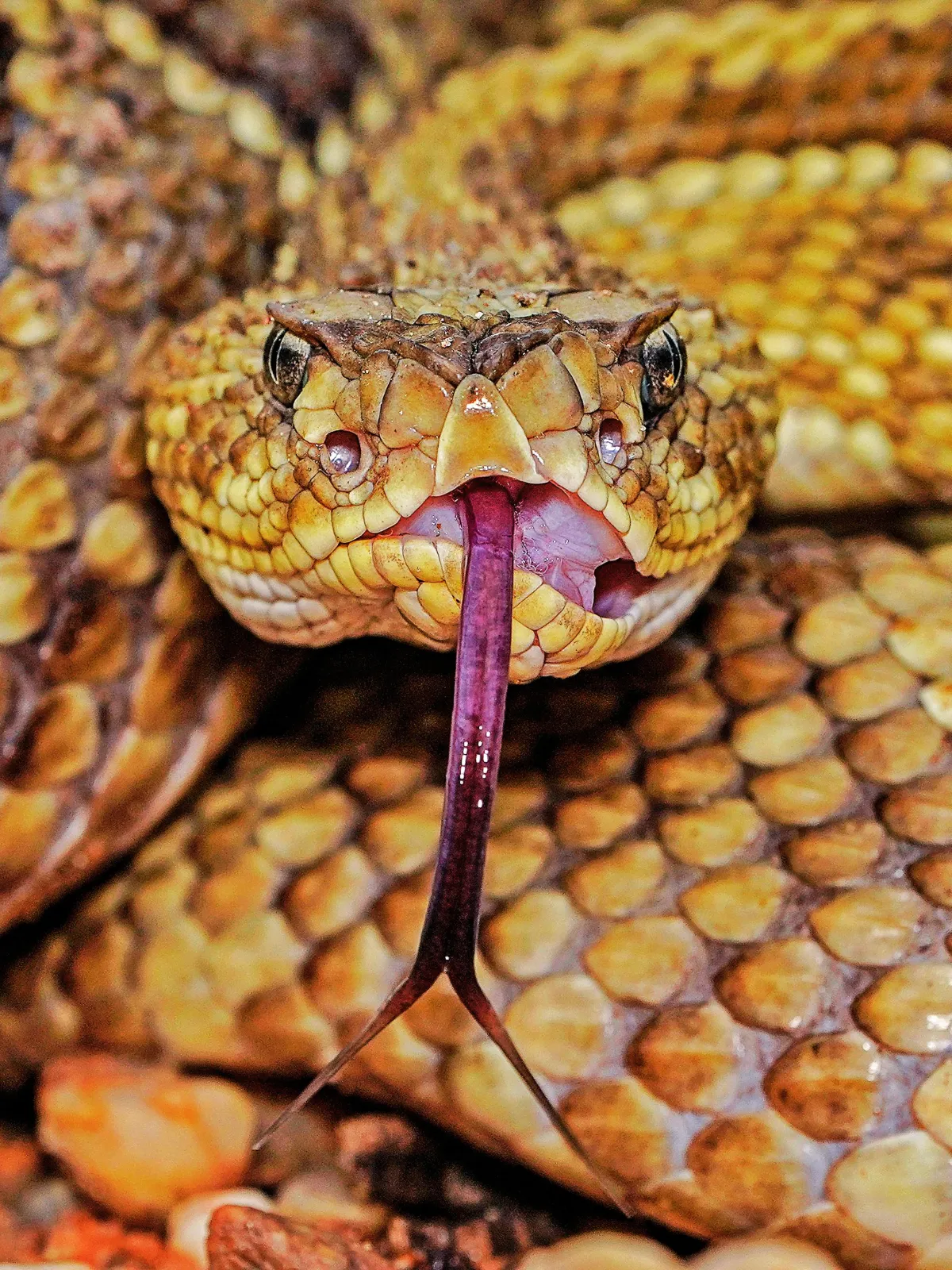
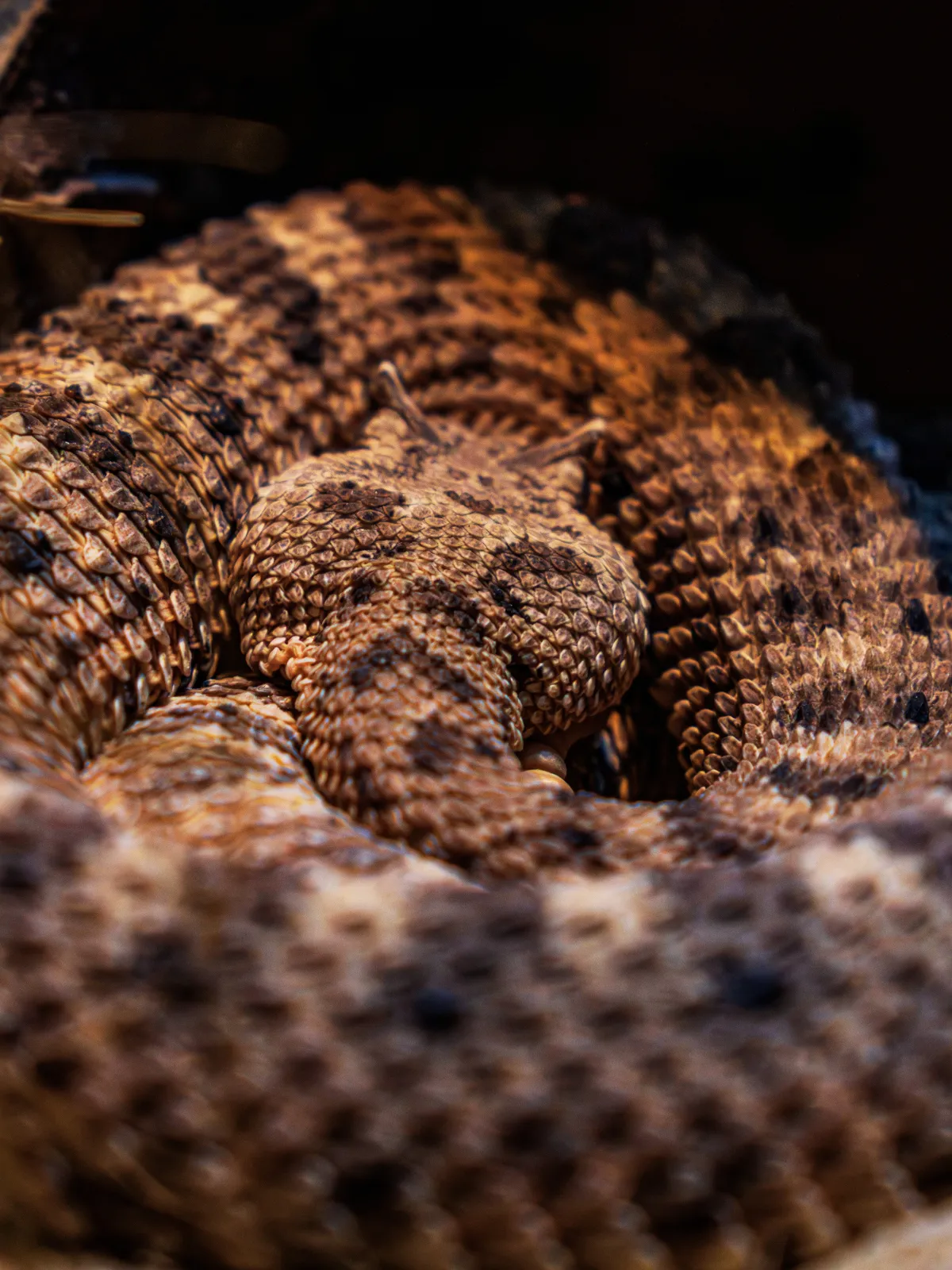
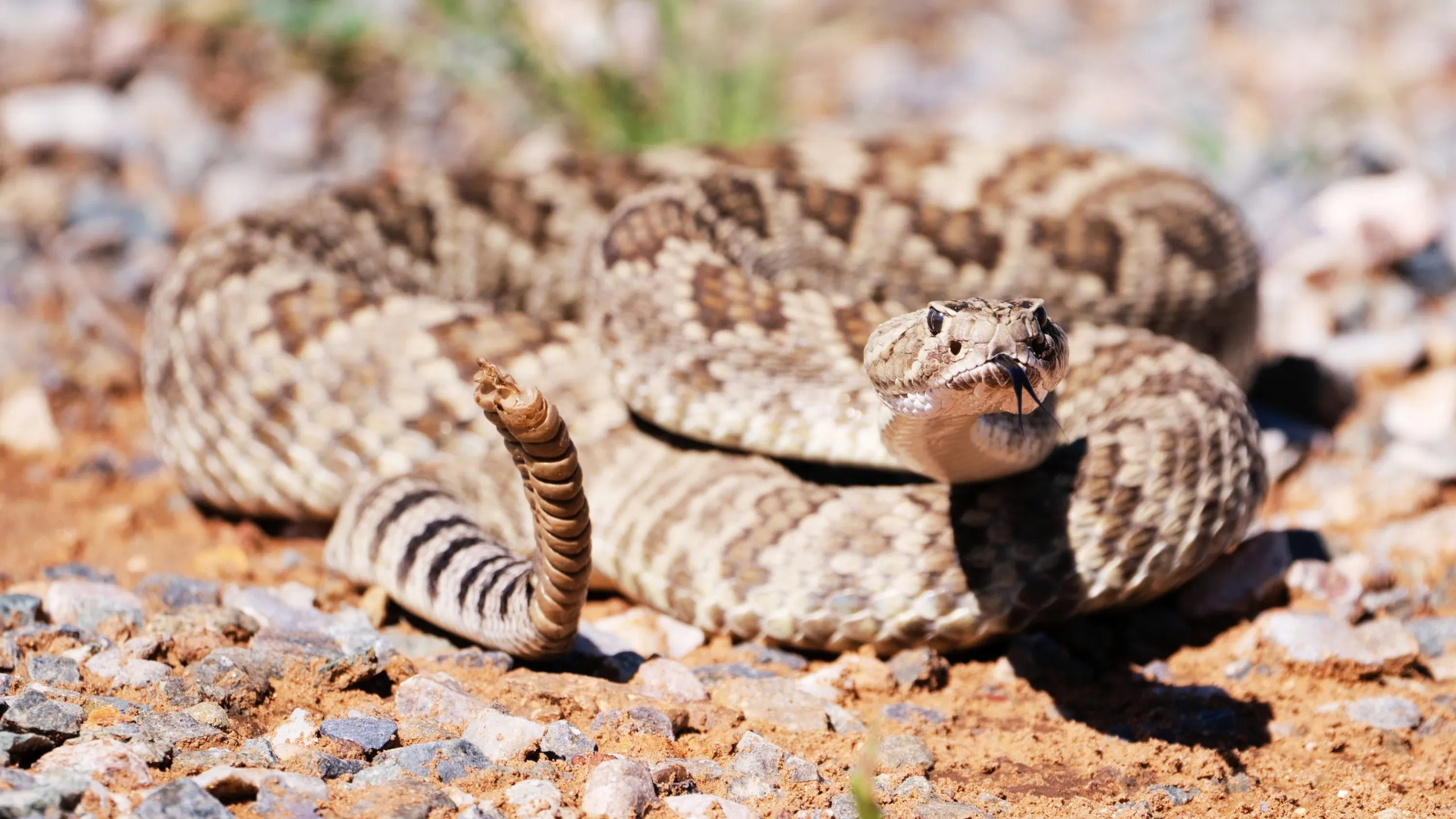
A diamondback rattlesnake lies coiled on gravelly soil with its segmented brown tail rattle held upright. Its head is slightly raised toward the camera, displaying dark diamond-patterned scales and a thin, dark, slender tongue extended.
North AmericaReptilesLeast Concern

Western Diamondback

Where Western Diamondbacks Live

Continent: North America

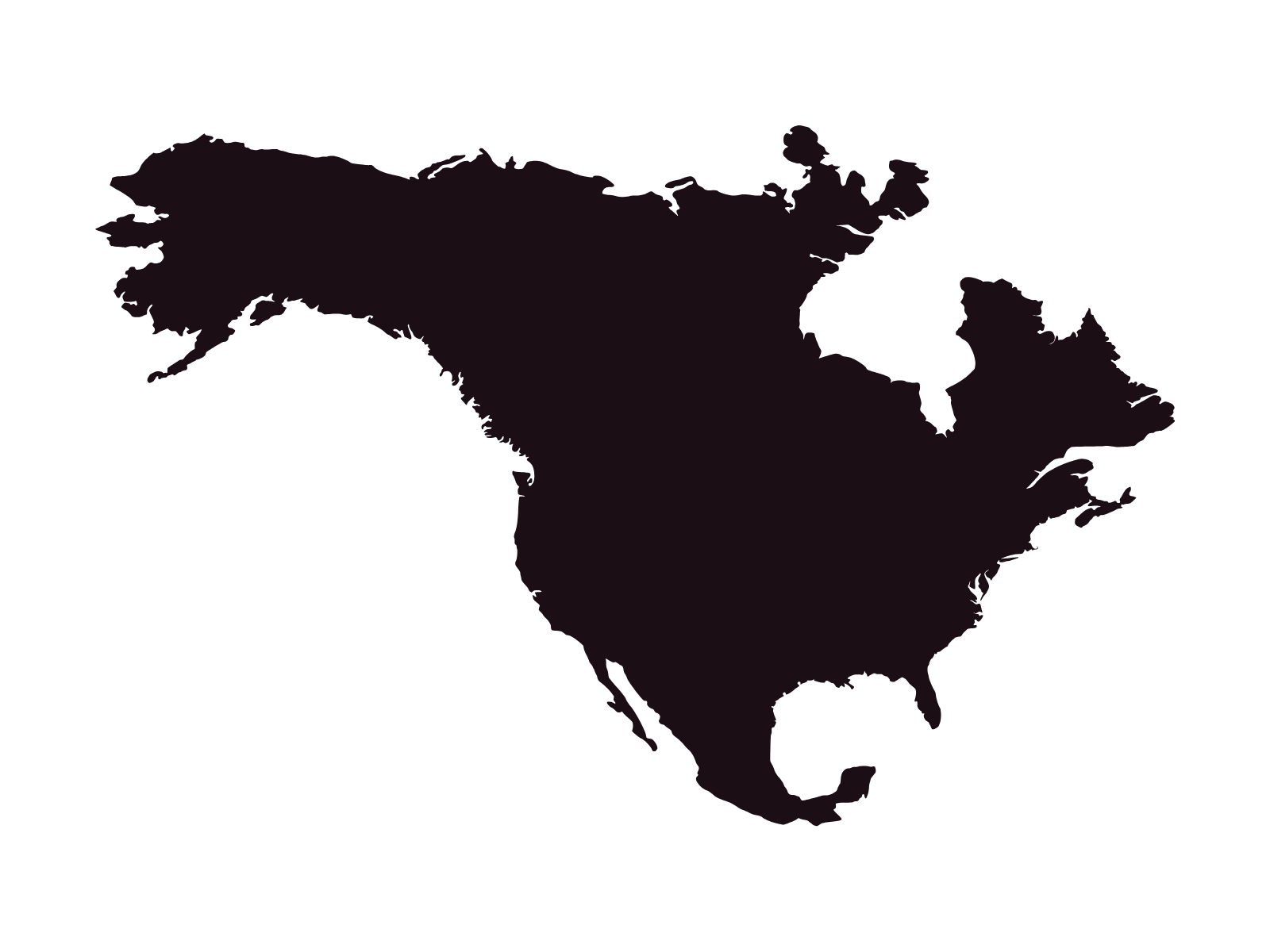
Arid and semi-arid scrublands, deserts, rocky flatlands, and river banks from southern California, Arizona, New Mexico, Texas, and Oklahoma south through northern and central Mexico.

The western diamondback rattlesnake is one of the most recognizable and widely encountered venomous snakes in North America, responsible for more snakebites than any other species on the continent. Found across arid scrublands and deserts from Texas to California and deep into Mexico, it's known for its bold diamond markings and sharply banded black-and-white tail just above the rattle. Despite its fearsome reputation as an aggressive snake, it typically stands its ground rather than attacking without provocation. It remains common and widespread, though local populations face pressure from roadkill, habitat loss, and rattlesnake roundups.
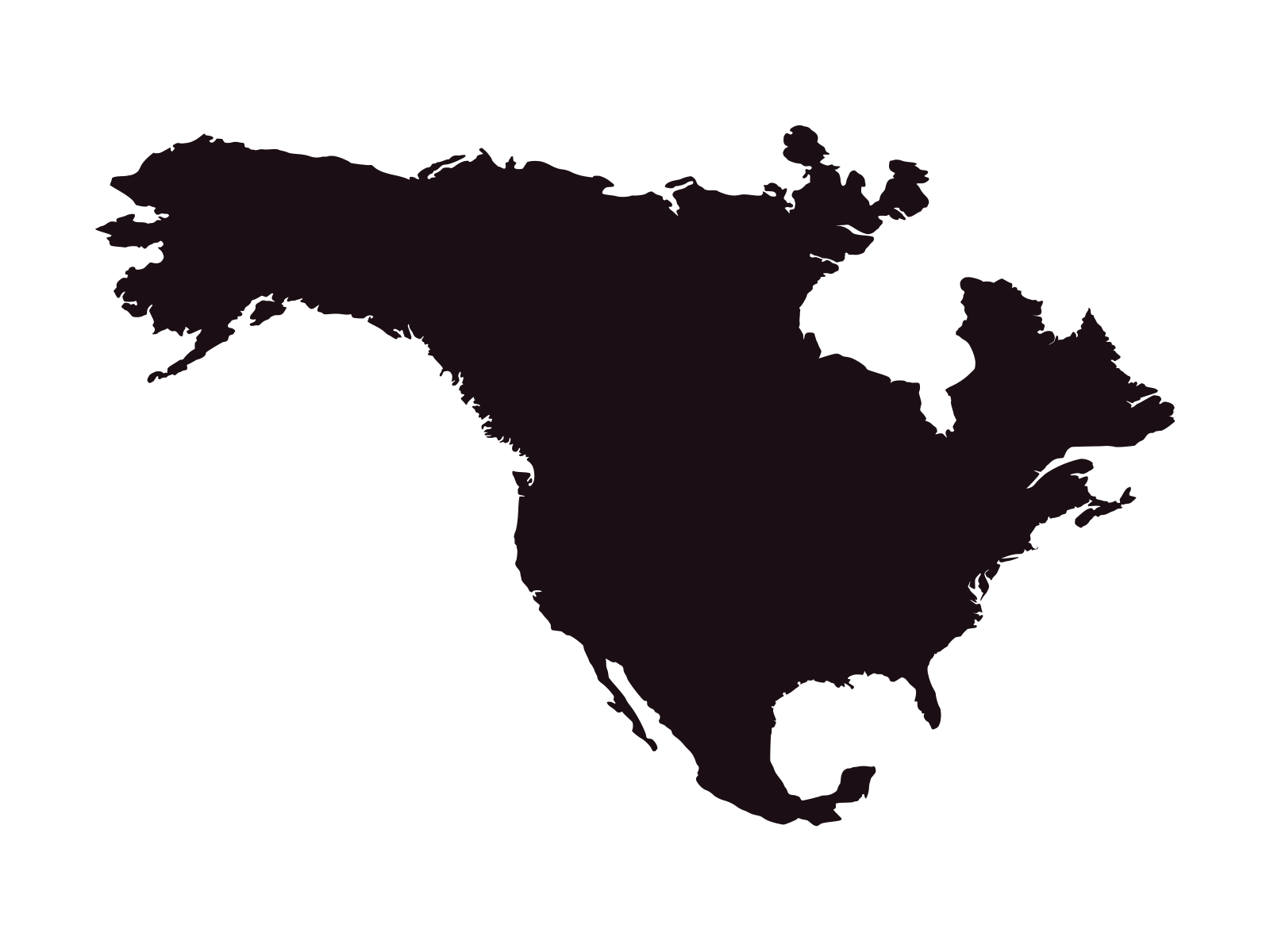
The silhouette of North America map on the white background.

North America

Quick Facts

Length icon
LengthMost are 1.2 to 1.8 m (4 to 6 ft), with some over 2 m (6.6 ft)
Weight icon
WeightCommonly 1 to 4 kg (2.2 to 8.8 lb), with records up to 6.7 kg (14.8 lb)
Lifespan icon
LifespanAbout 20 years in the wild, and over 22 years in captivity
Speed icon
SpeedAn ambush striker; its rattle shakes 40 to 60 times a second
Diet icon
Diet Rabbits, rodents and ground squirrels, plus birds and occasionally lizards
Clutch icon
ClutchLive birth of 10 to 20 young (average 14) after about 167 days (5.5 months)
Population icon
PopulationNo count exists, but the population is presumed large and widespread
Range icon
RangeSouthwestern US from California to Arkansas, and central and northern Mexico

Conservation Status

EXExtinct
EWExtinct in the Wild
CRCritically Endangered
ENEndangered
VUVulnerable
NTNear Threatened
LCLeast Concern
NENot Evaluated

How Western Diamondbacks Survive in the Wild

1 / 3

Social Lives of Western Diamondbacks

1 / 3

Photo Gallery

Flashcards

Quiz Yourself on Western Diamondback

Pick a difficulty level and test what you've learned.

A diamondback rattlesnake lies coiled on gravelly soil with its segmented brown tail rattle held upright. Its head is slightly raised toward the camera, displaying dark diamond-patterned scales and a thin, dark, slender tongue extended.Easy

Western Diamondback

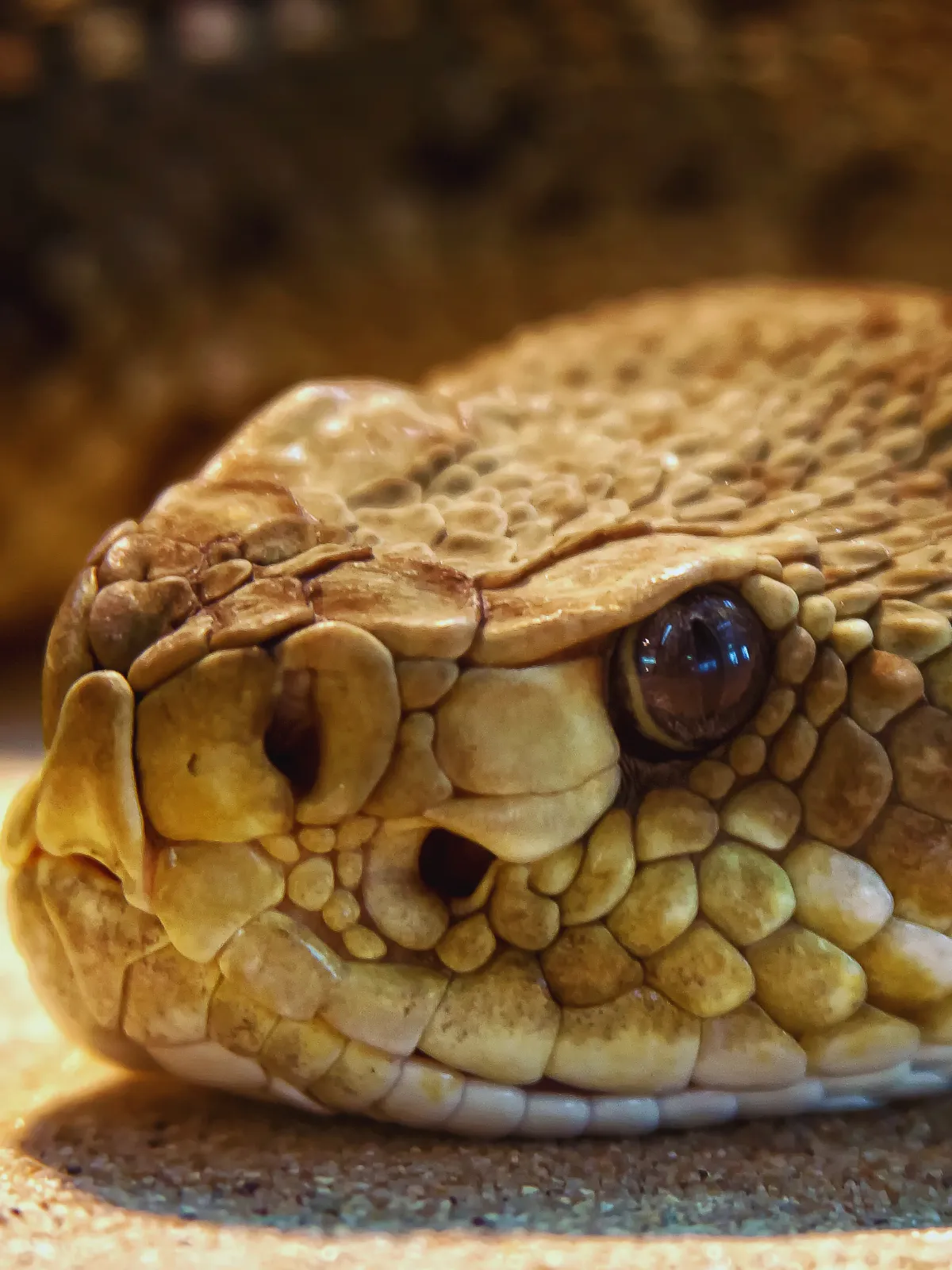
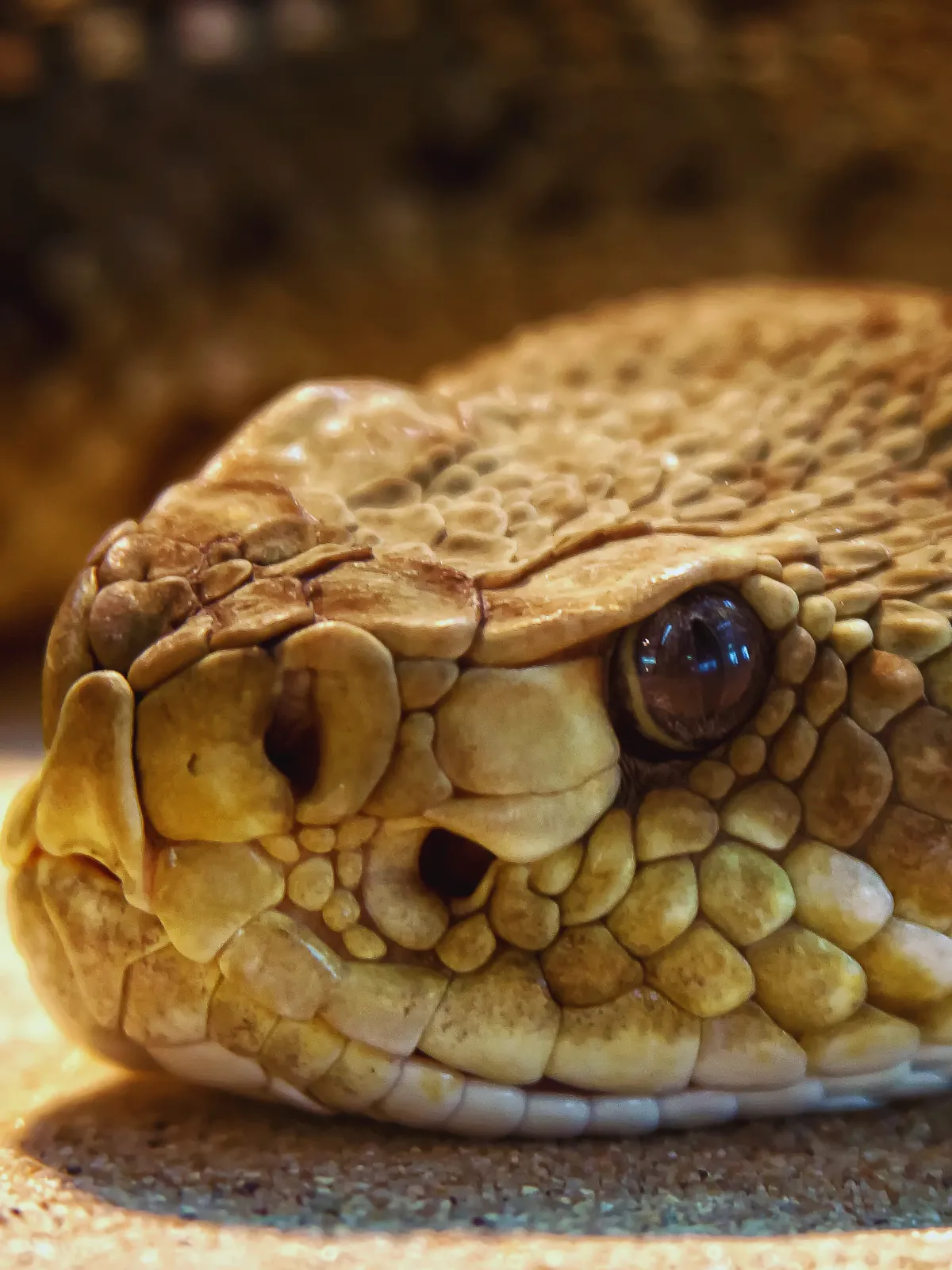
Side-profile close-up photograph of a Western Diamondback Rattlesnake's head. The warm lighting illuminates individual yellow-brown scales, its prominent brow ridge, nostrils, heat pit, and a dark brown eye reflecting light.Medium

Western Diamondback

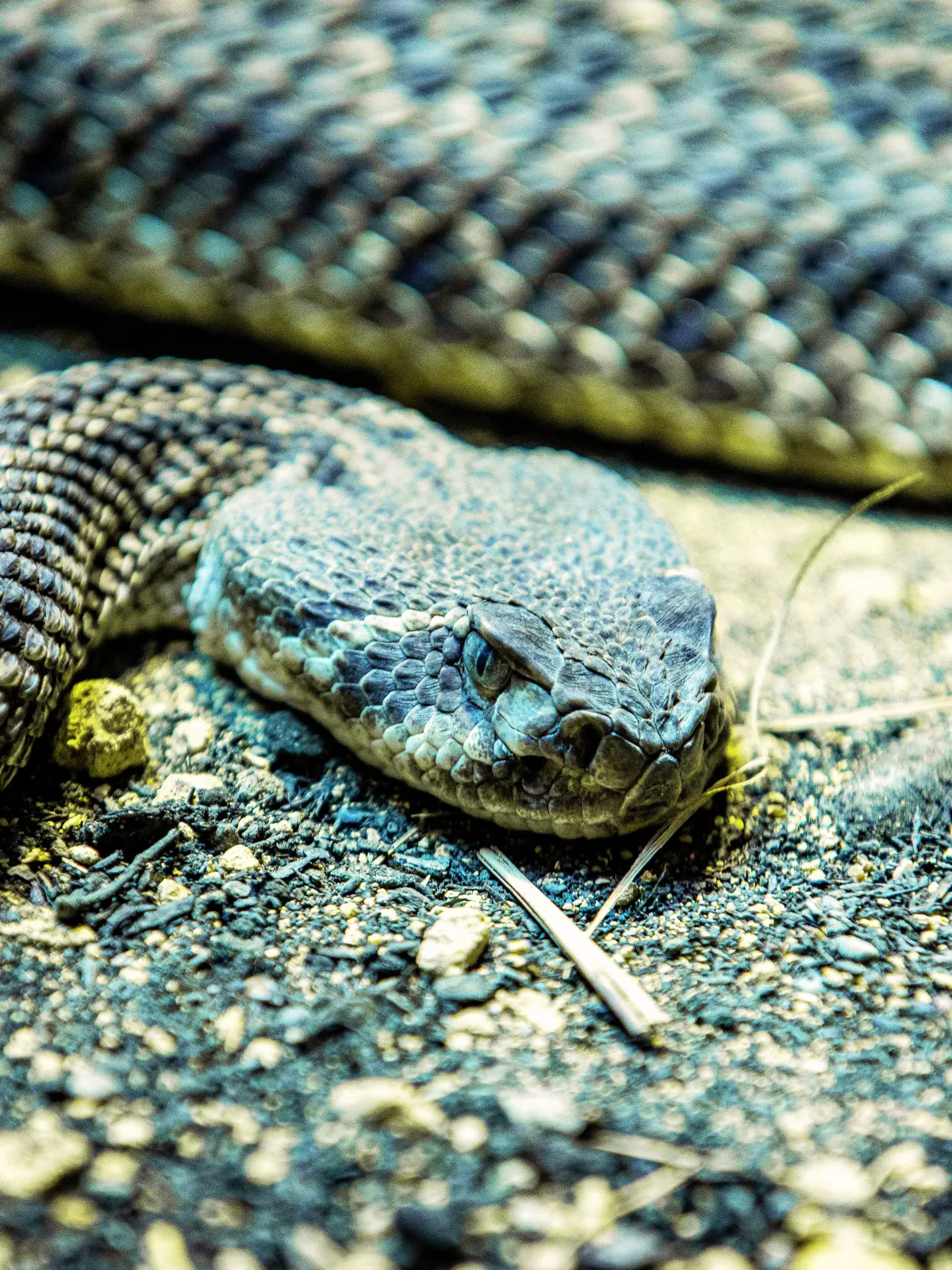
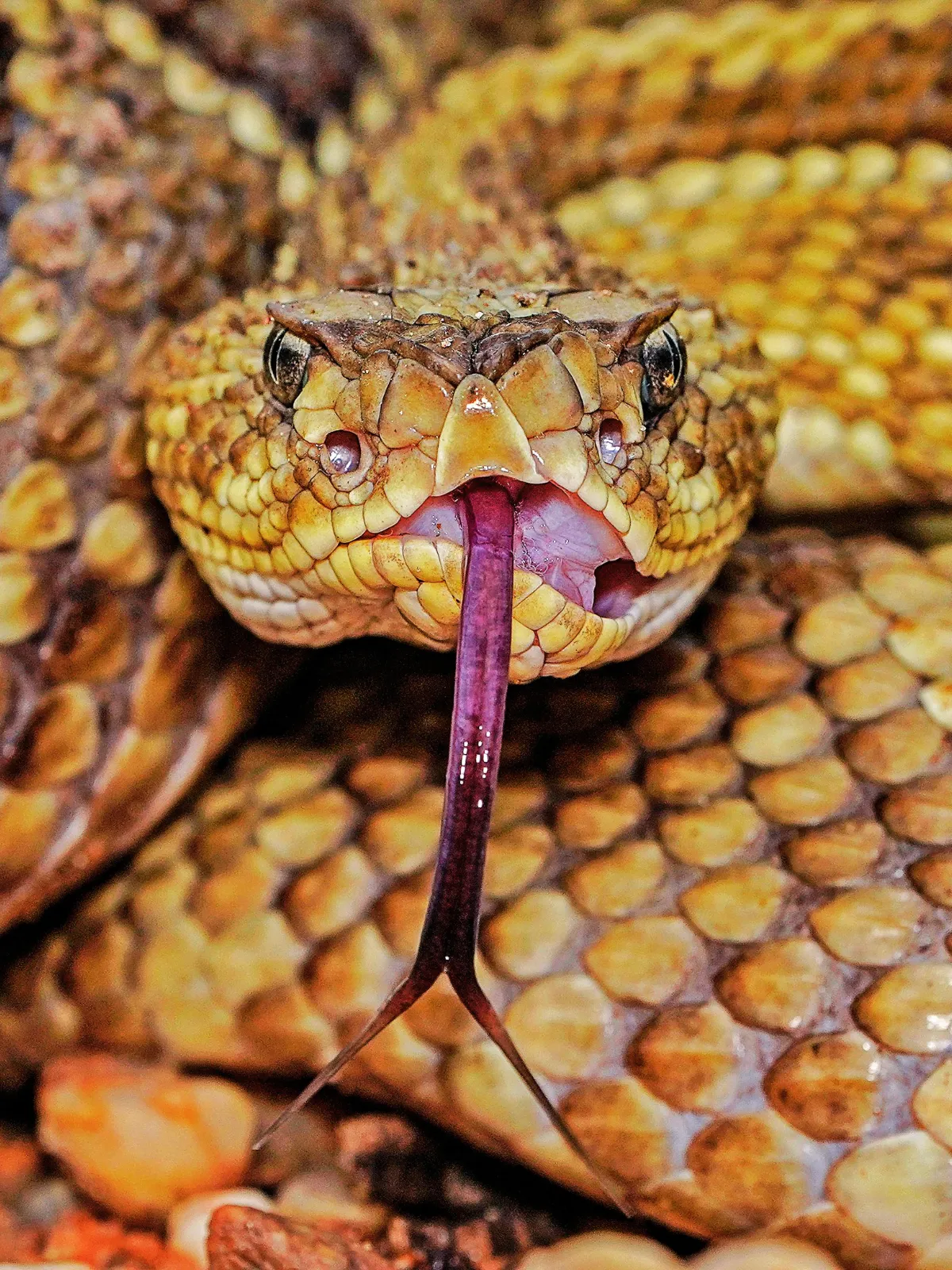
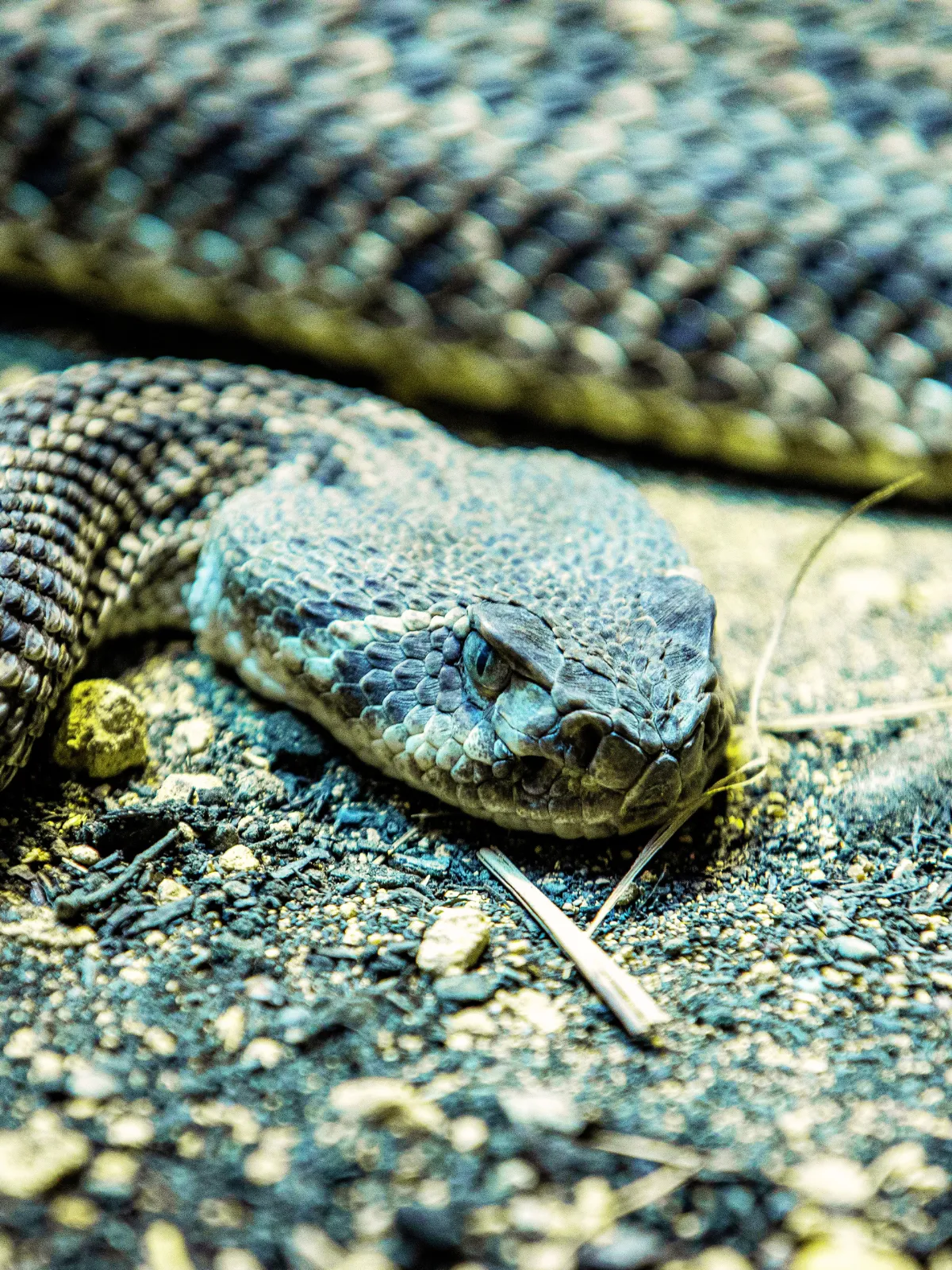
A macro shot focusing on the head of a rattlesnake resting on gravel and dry dirt. The image highlights its sharp supraocular scale, dark vertical slit pupil, heat-sensing facial pit, and cool blue-grey scales along its snout.Hard

Western Diamondback