















Wildari Planet
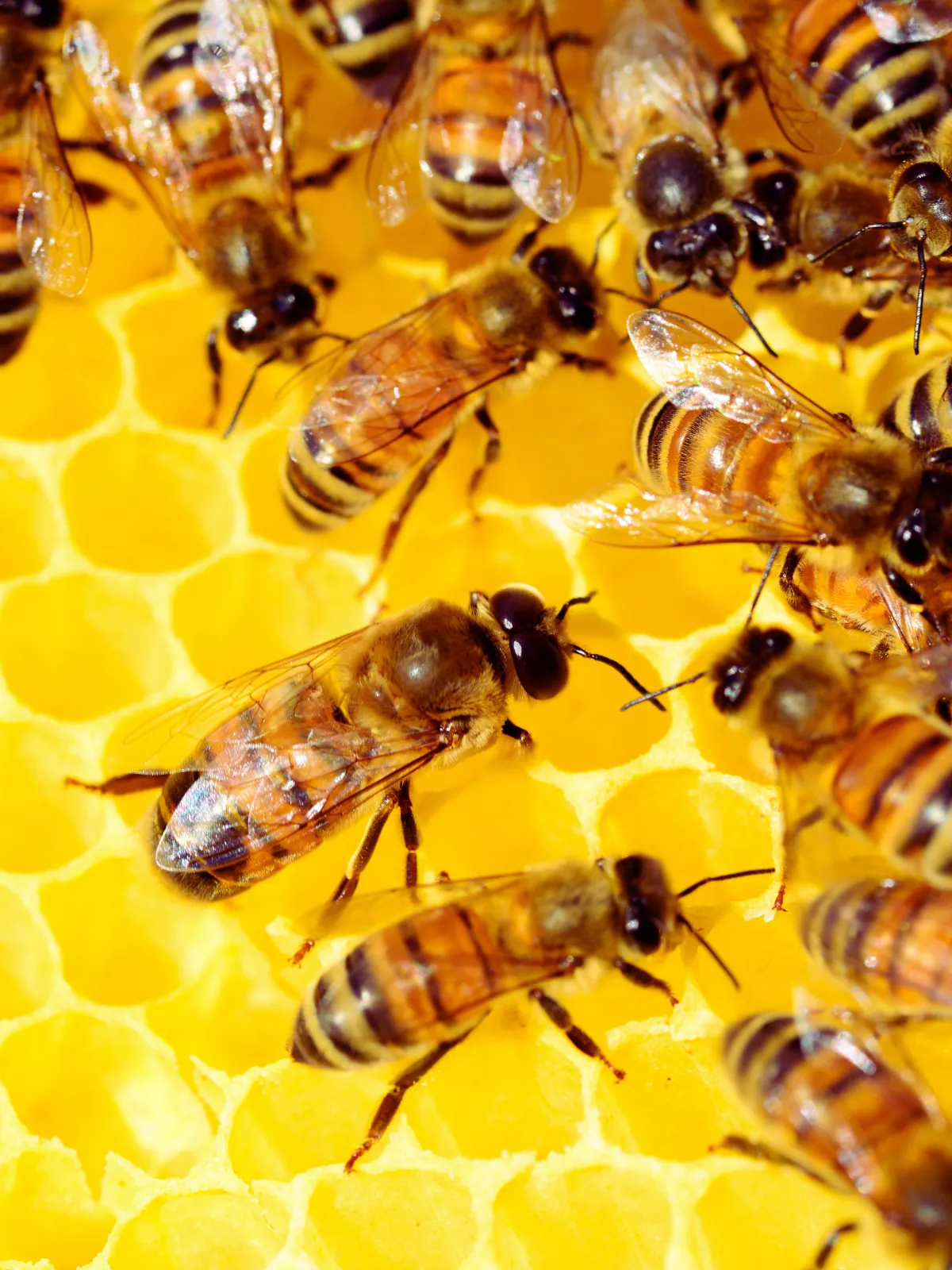
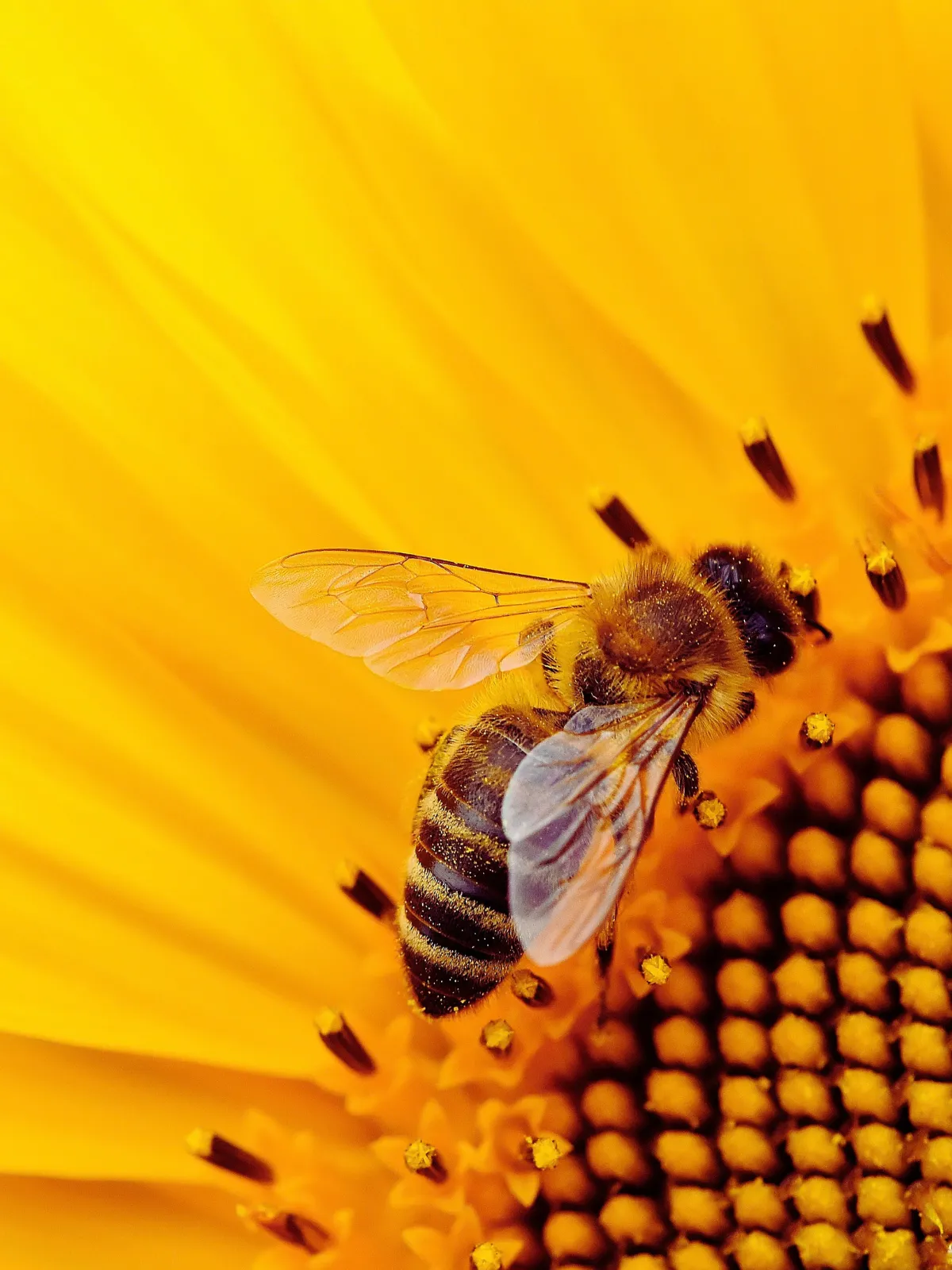
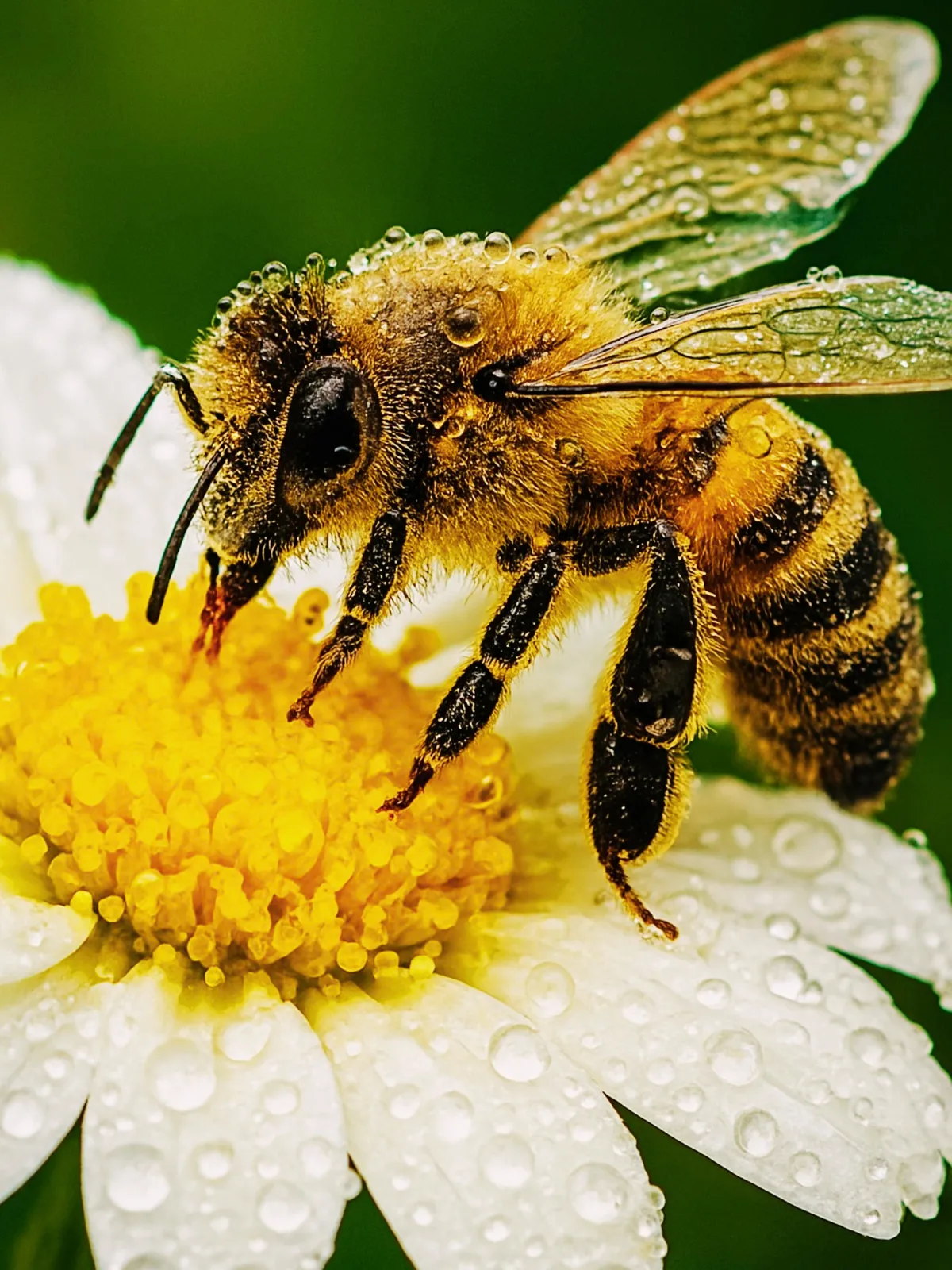
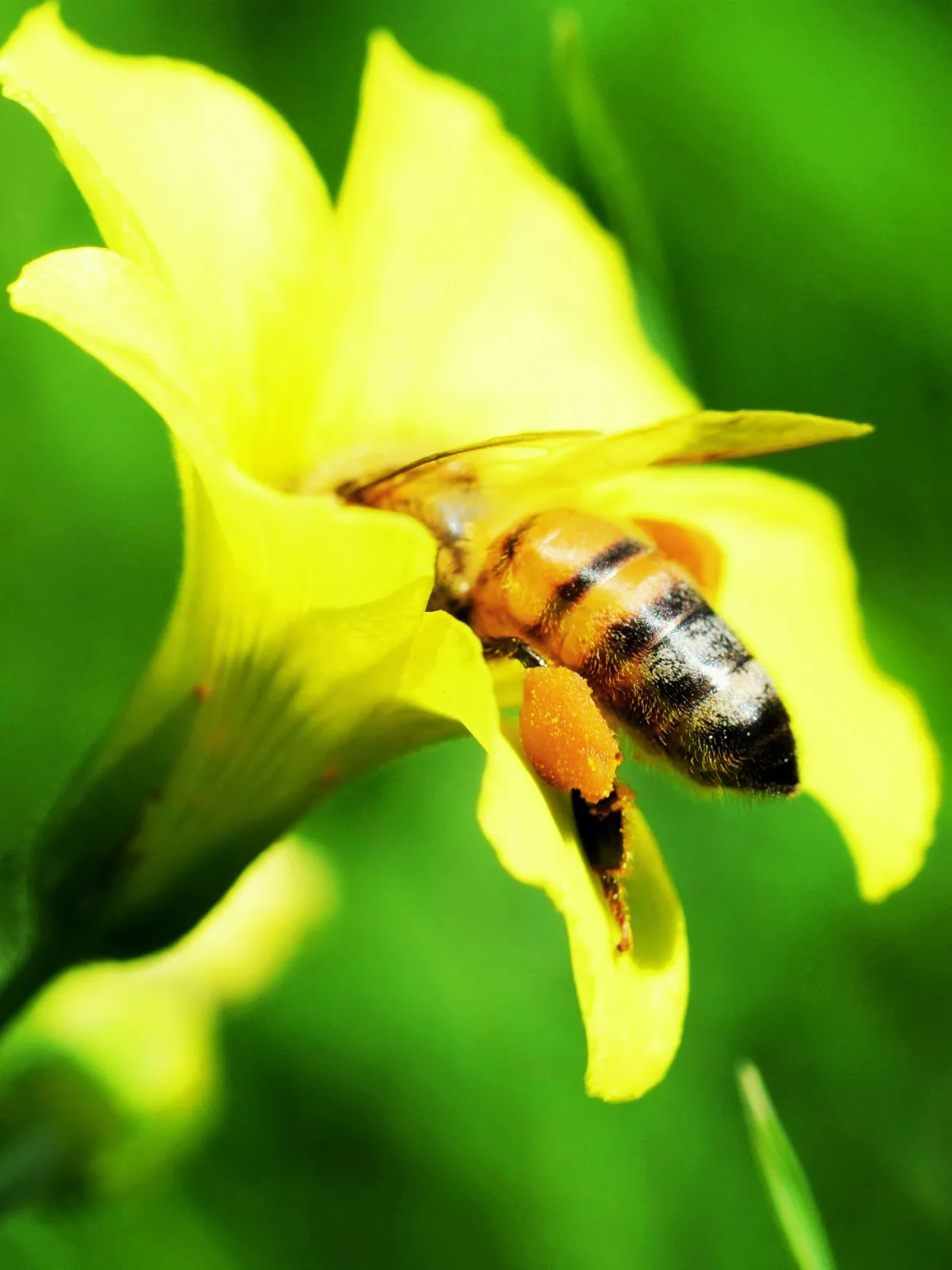
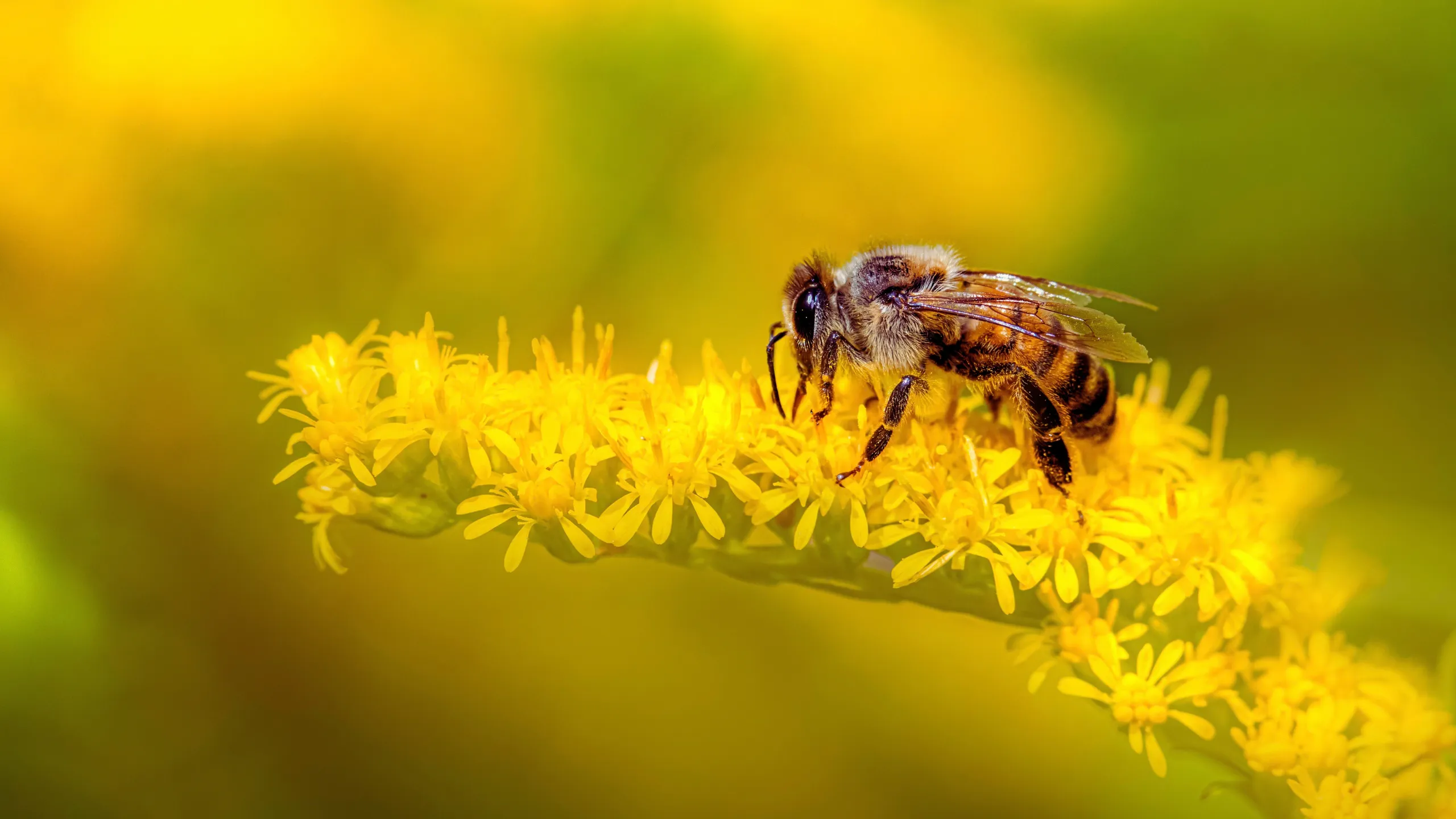
A detailed side profile of a honey bee perched along a curved stem of bright yellow goldenrod flowers. Translucent, delicate wings rest across its striped brown-and-black abdomen while its fuzzy thorax is coated in subtle yellow pollen grains.
AfricaAsiaEuropeInsectsNear Threatened

Western Honey Bee

Where Western Honey Bees Live

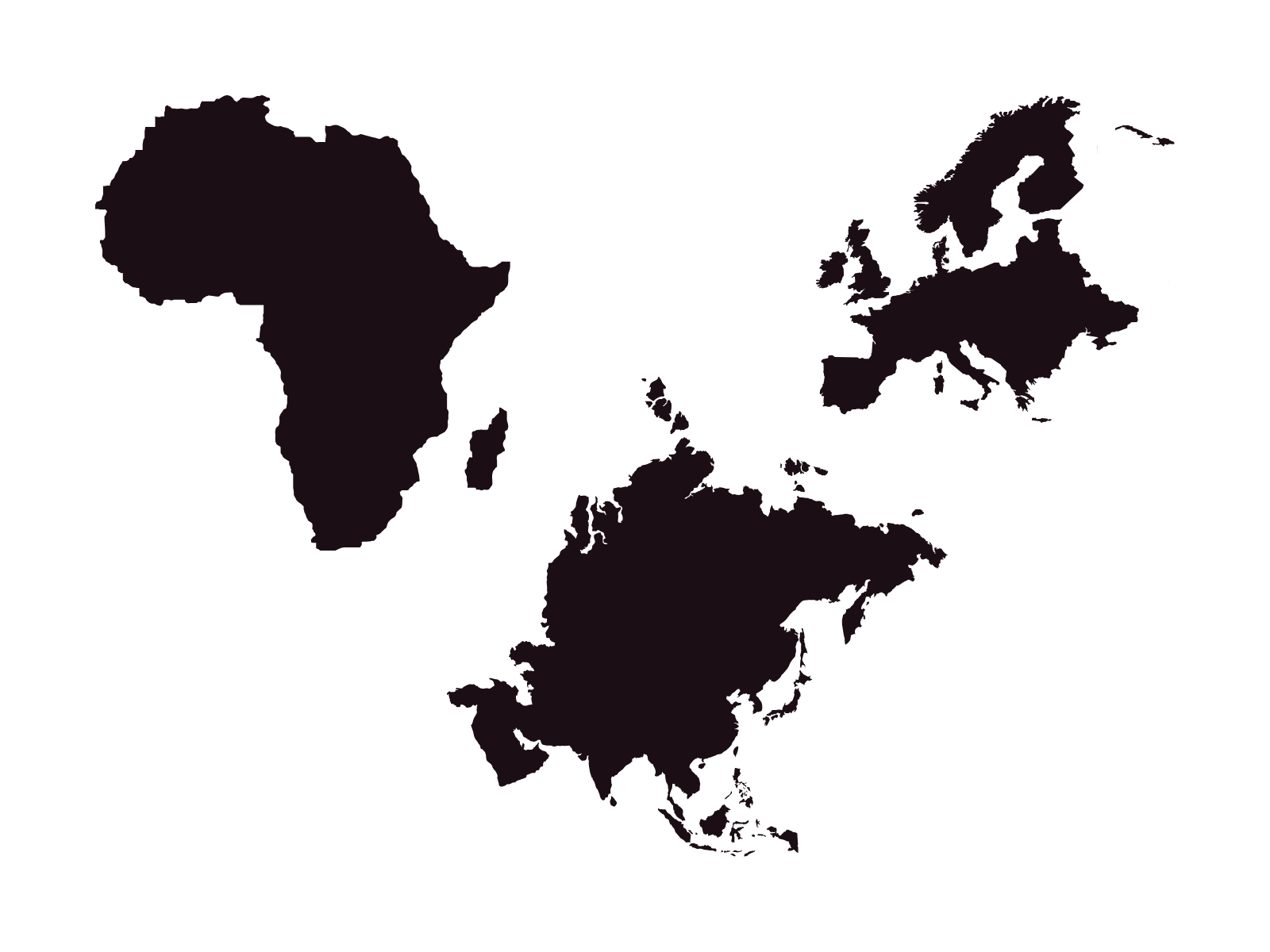
Continent: Africa, Asia, Europe

Gardens, fields, forests, meadows, and agricultural land across nearly every continent except Antarctica, in wild nests or human-managed hives.

The Western honey bee is one of the most economically and ecologically important insects on Earth, prized for its honey production and its irreplaceable role as a pollinator of crops and wild plants alike. Native to Europe, Africa, and parts of Asia, it has been spread by humans to nearly every continent, making it one of the first insects ever domesticated. Living in tightly organized colonies with a single queen, thousands of workers, and seasonal drones, it displays one of the most sophisticated social structures in the animal kingdom. Despite its global importance, the species faces serious modern threats, including habitat loss, pesticides, disease, and the parasitic Varroa mite.
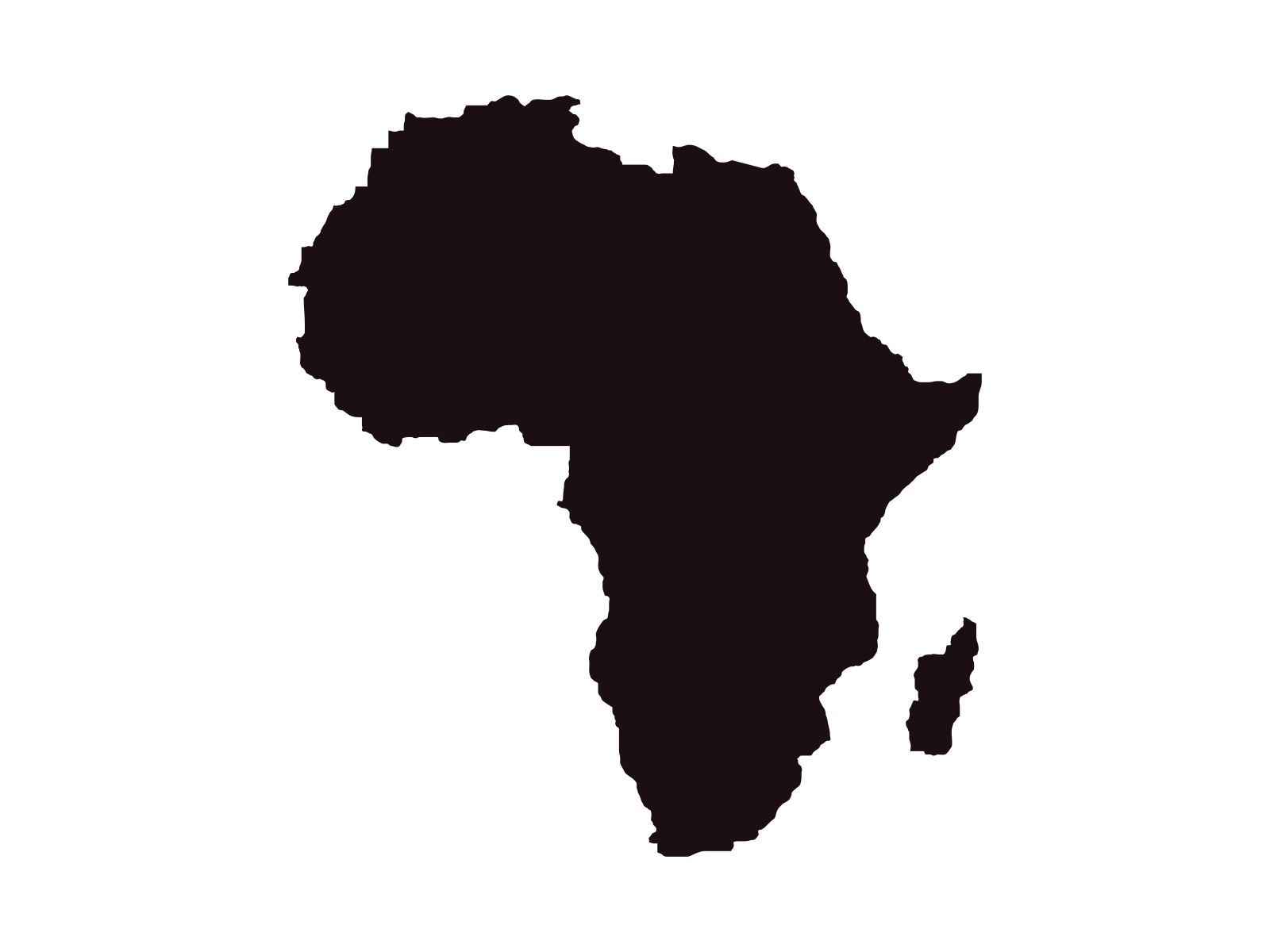
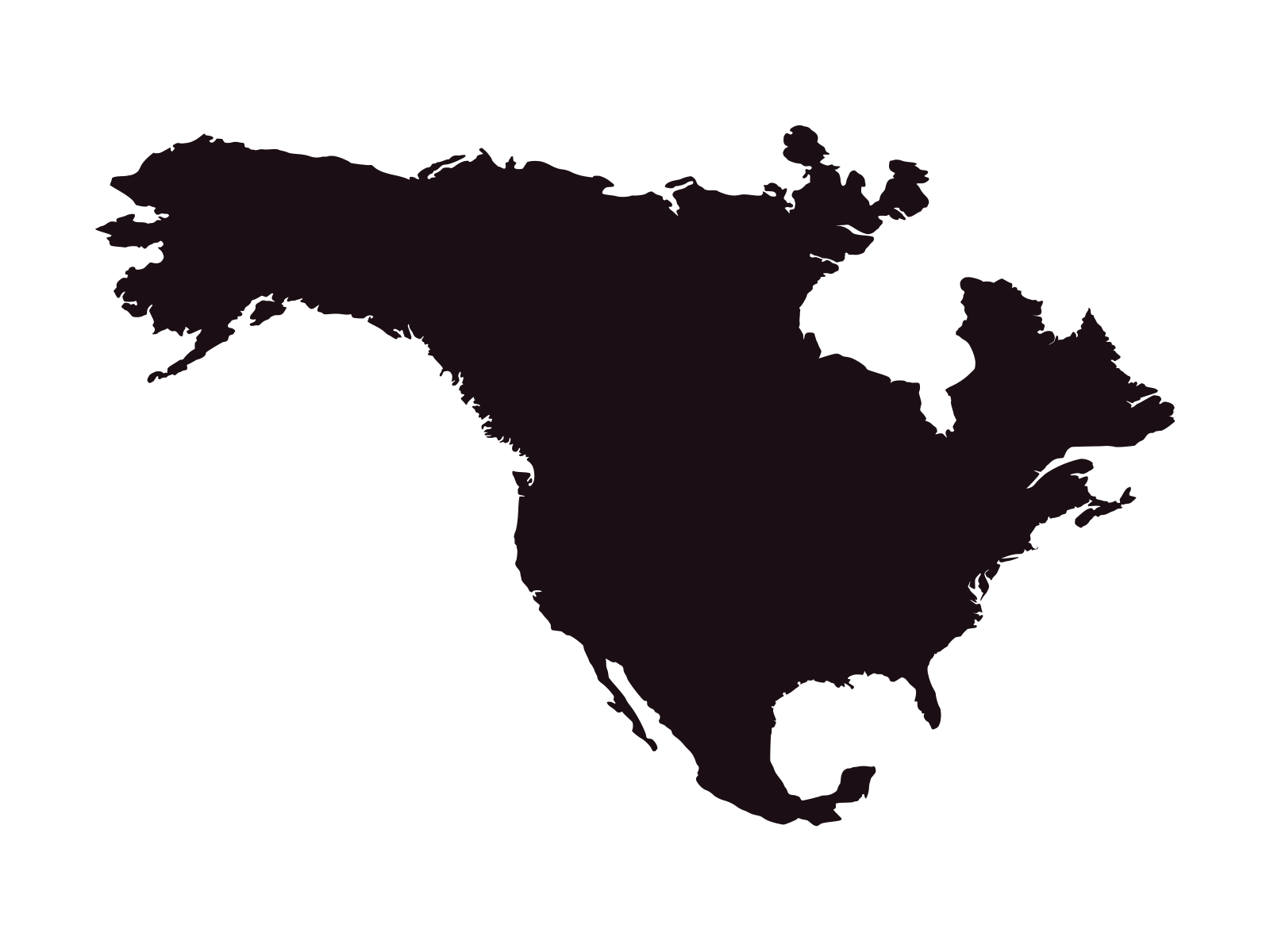
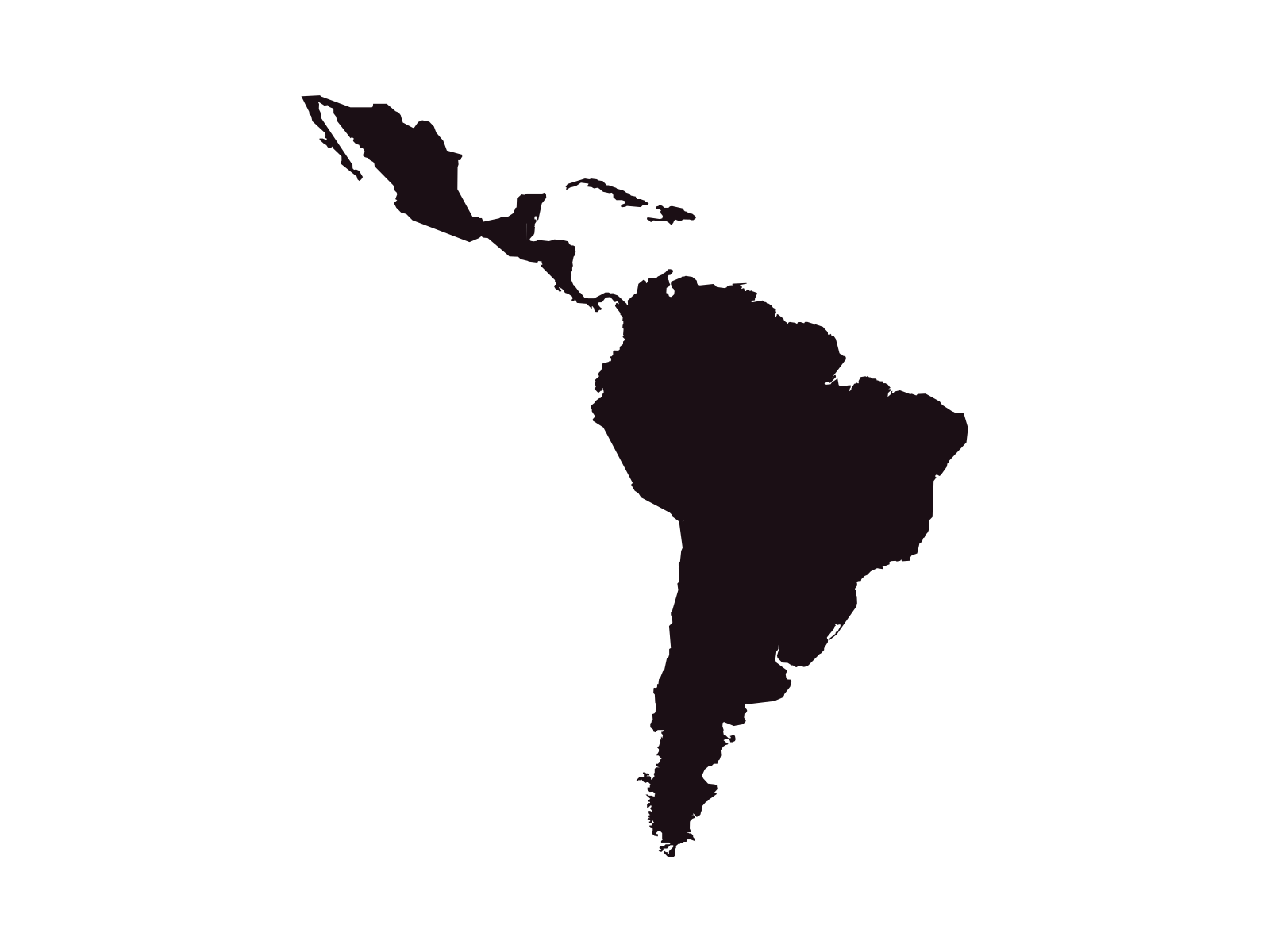
Europe, Asia, and Africa maps silhouettes on white background.

Africa, Asia, Europe

Quick Facts

Length icon
LengthWorkers 10 to 15 mm (0.4 to 0.6 in), queens 18 to 20 mm (0.7 to 0.8 in)
Weight icon
WeightAbout 80 mg (0.003 oz) per worker, carrying up to 90 mg of nectar
Lifespan icon
Lifespan Summer workers 2 to 4 weeks, winter workers months; queens 2 to 5 years
Flight icon
FlightFlies about 12 to 15 mph (19 to 24 km/h) on 8 to 12 foraging trips a day
Diet icon
DietNectar for energy and pollen for protein, stored as honey and bee bread
Egg mass icon
Egg MassQueen lays roughly 1,000 to 2,500 eggs a day at the seasonal peak
Population icon
PopulationAbout 100 million managed colonies, plus an estimated 200 to 300 million wild
Range icon
RangeNative to Europe, western Asia, and Africa; now on every continent except Antarctica

Conservation Status

EXExtinct
EWExtinct in the Wild
CRCritically Endangered
ENEndangered
VUVulnerable
NTNear Threatened
LCLeast Concern
NENot Evaluated

How Western Honey Bees Survive in the Wild

1 / 3

Social Lives of Western Honey Bees

1 / 3

Photo Gallery

Flashcards

Quiz Yourself on Western Honey Bee

Pick a difficulty level and test what you've learned.

A detailed side profile of a honey bee perched along a curved stem of bright yellow goldenrod flowers. Translucent, delicate wings rest across its striped brown-and-black abdomen while its fuzzy thorax is coated in subtle yellow pollen grains.Easy

Western Honey Bee

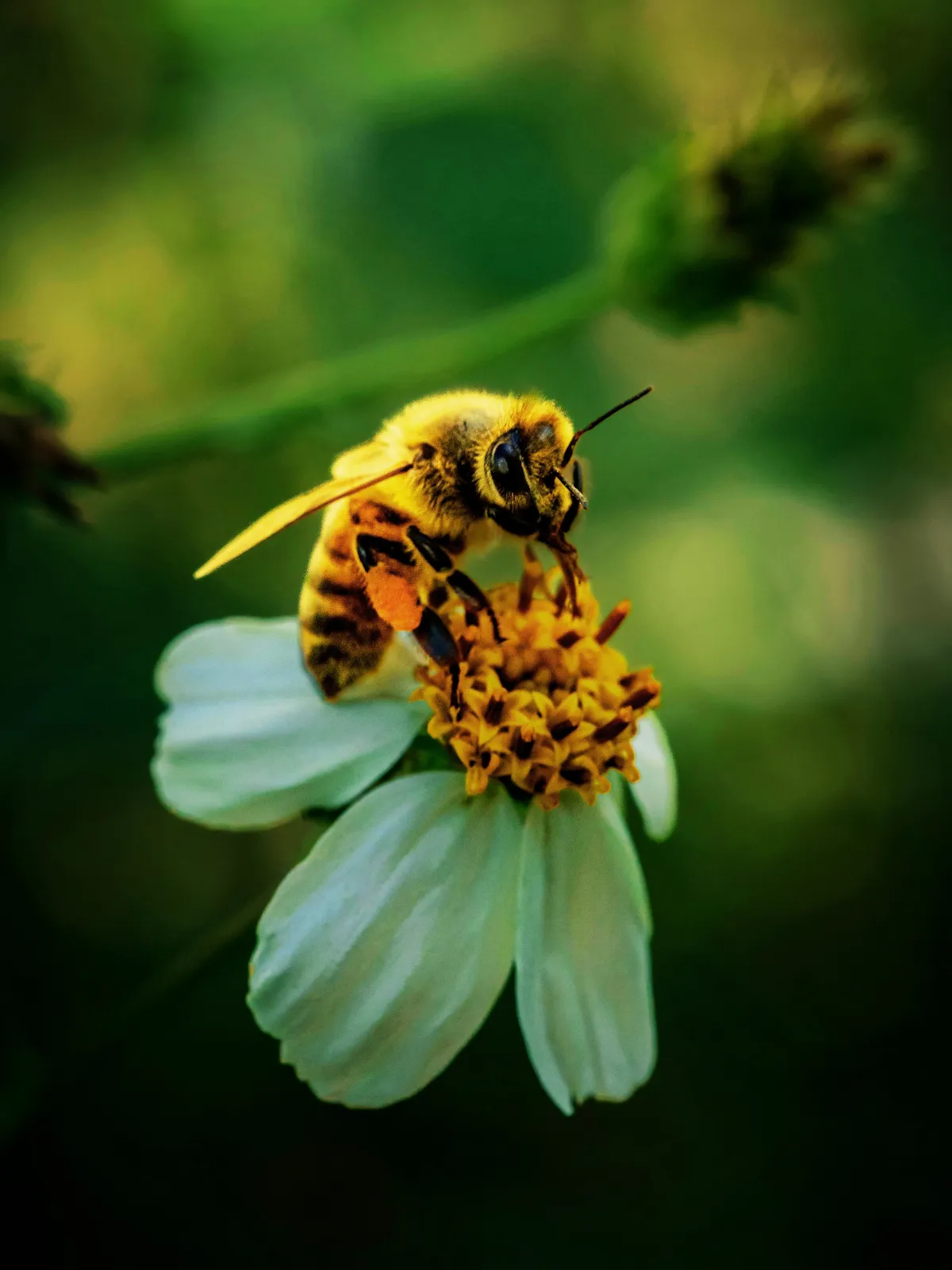
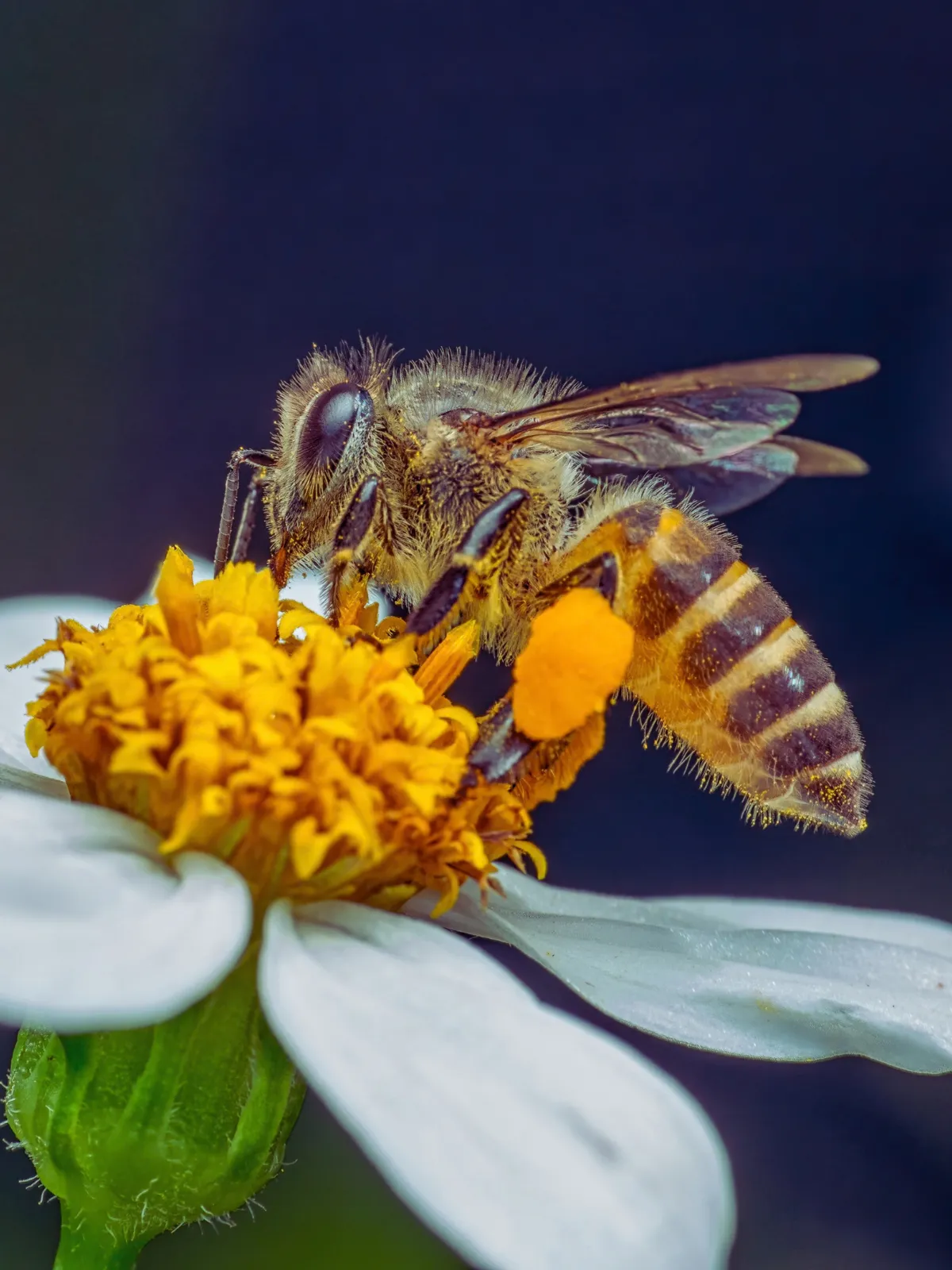
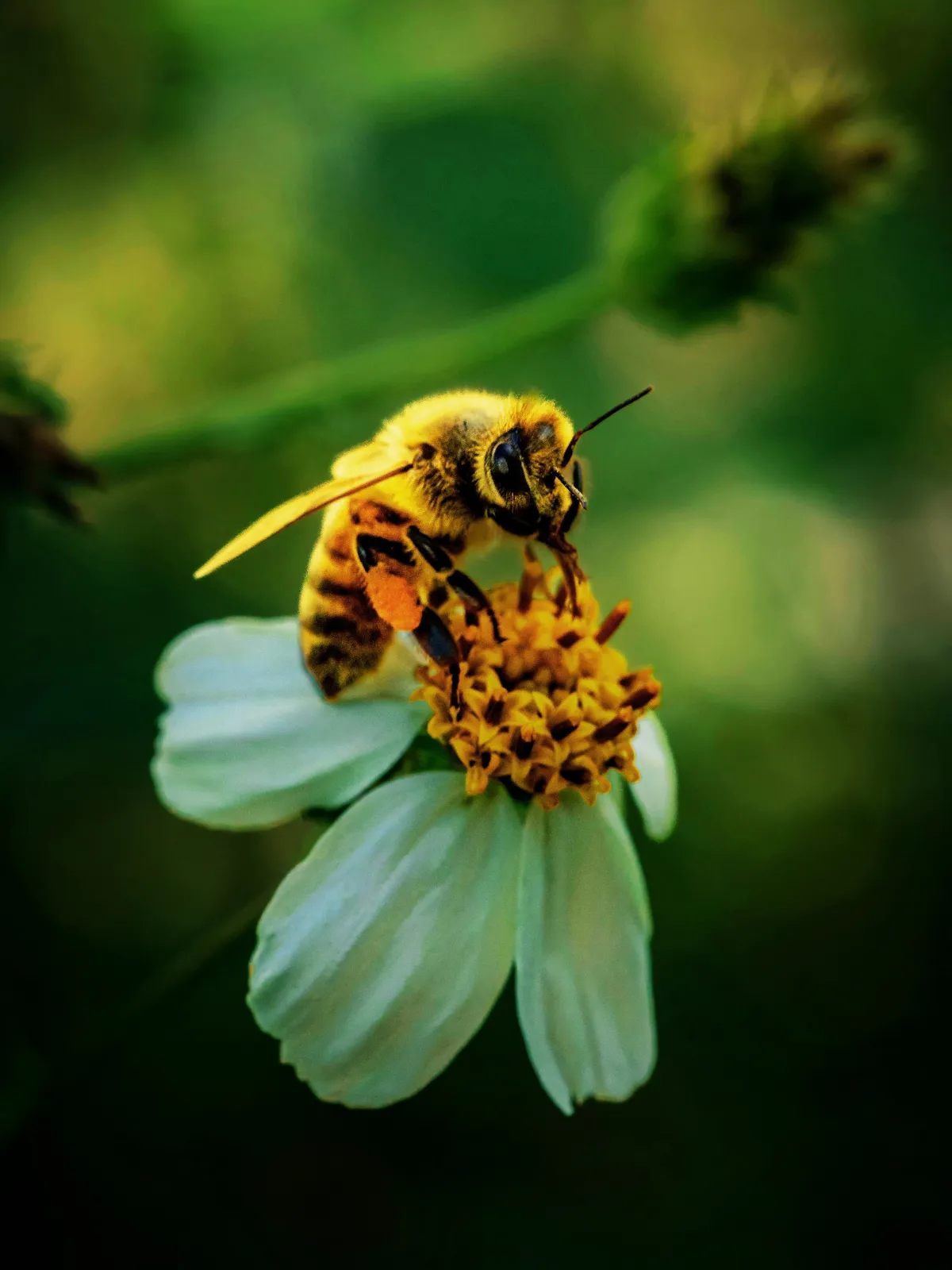
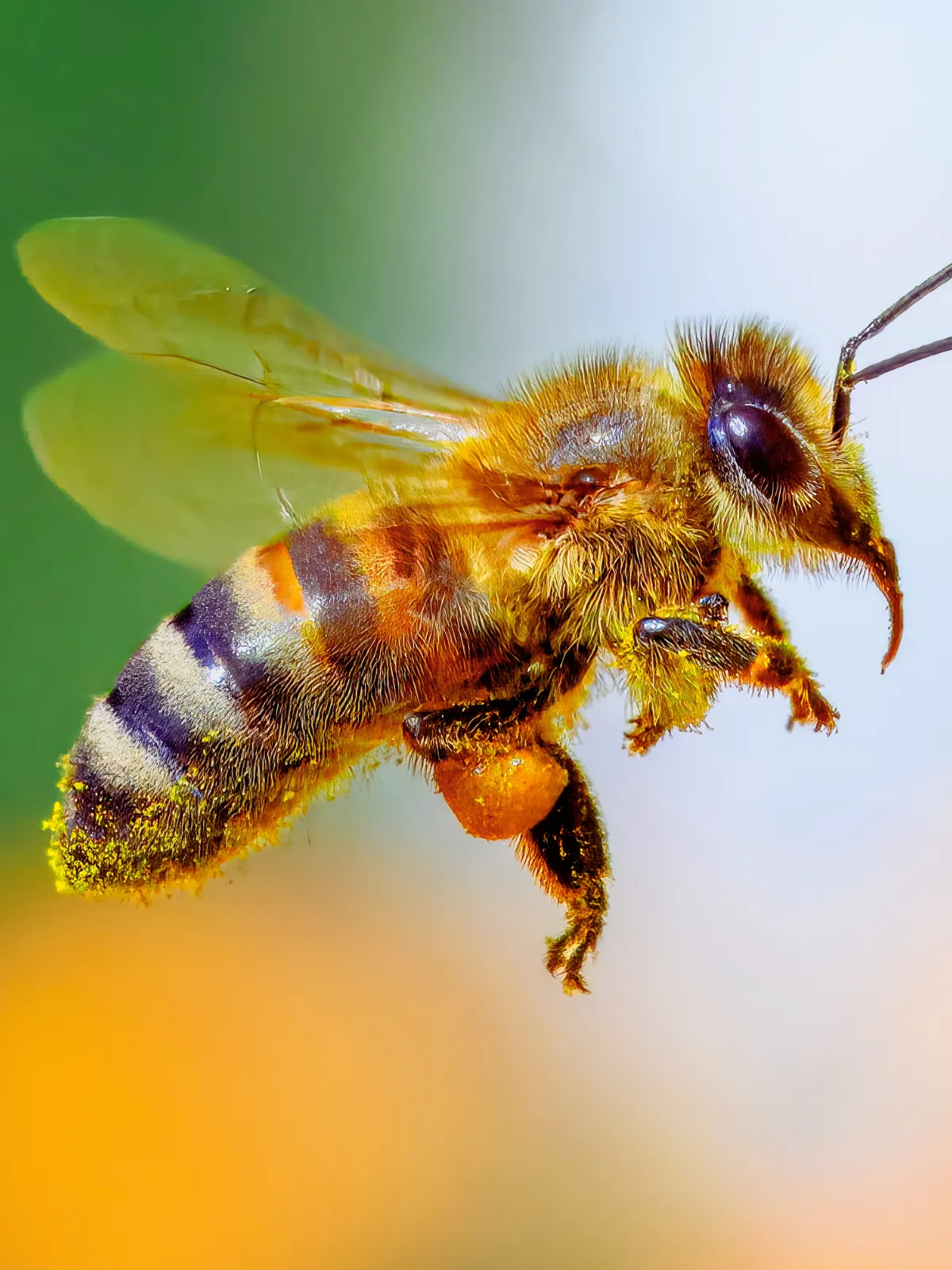
A side-profile photograph of a western honey bee caught mid-flight. Yellow pollen granules coat its body and legs, with an orange pollen ball attached to its leg against a soft green and gold background.Medium

Western Honey Bee

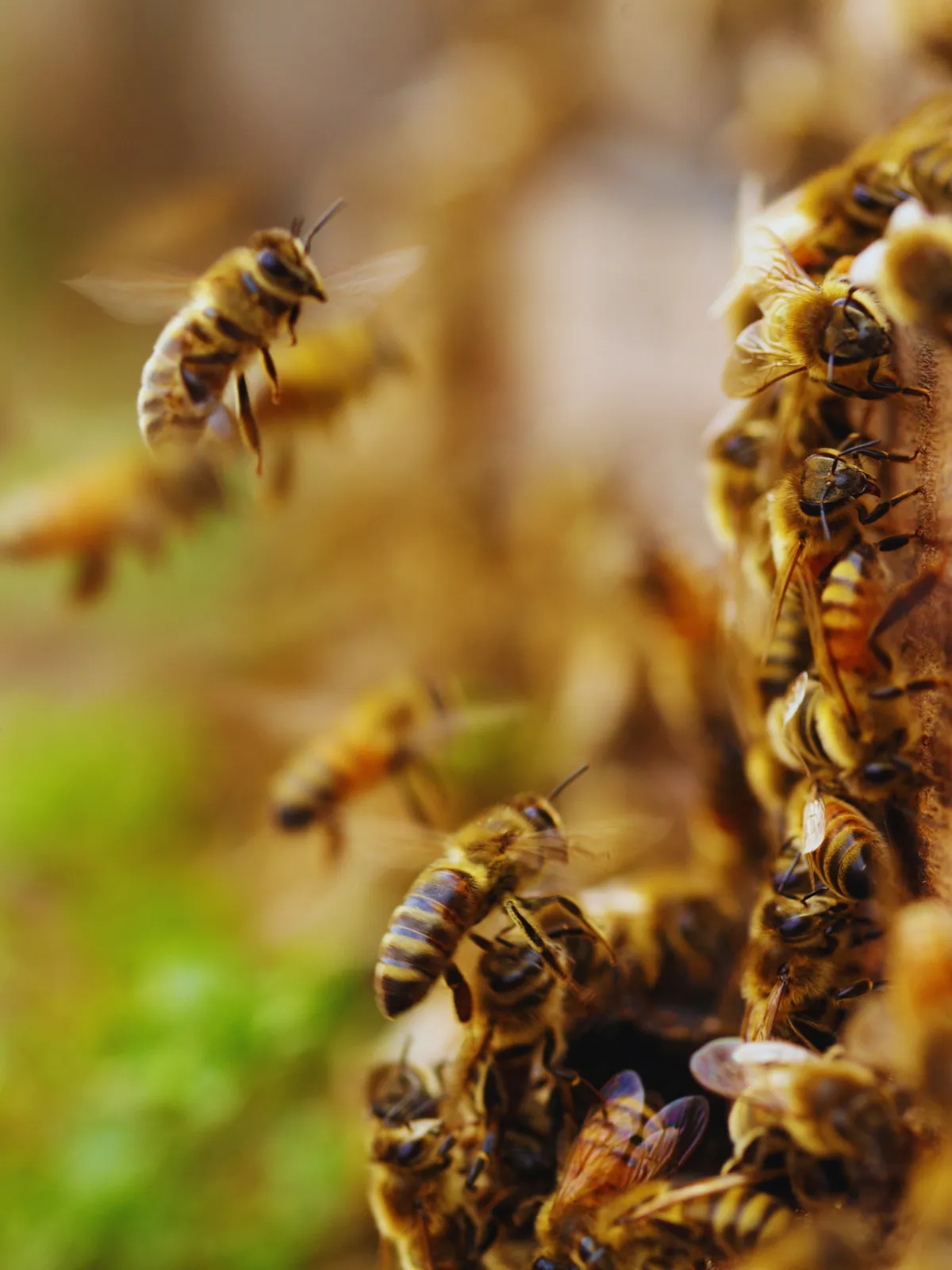
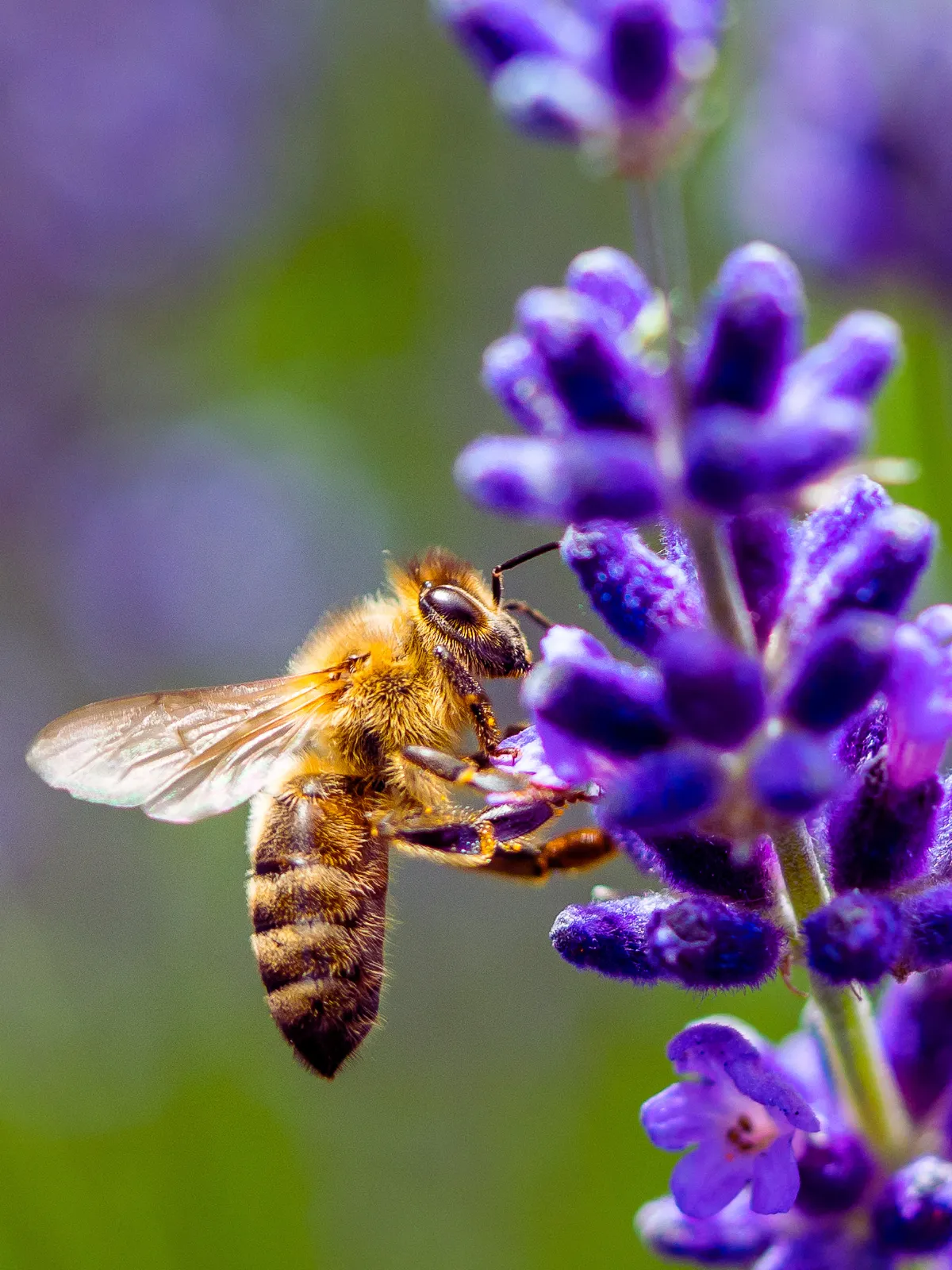
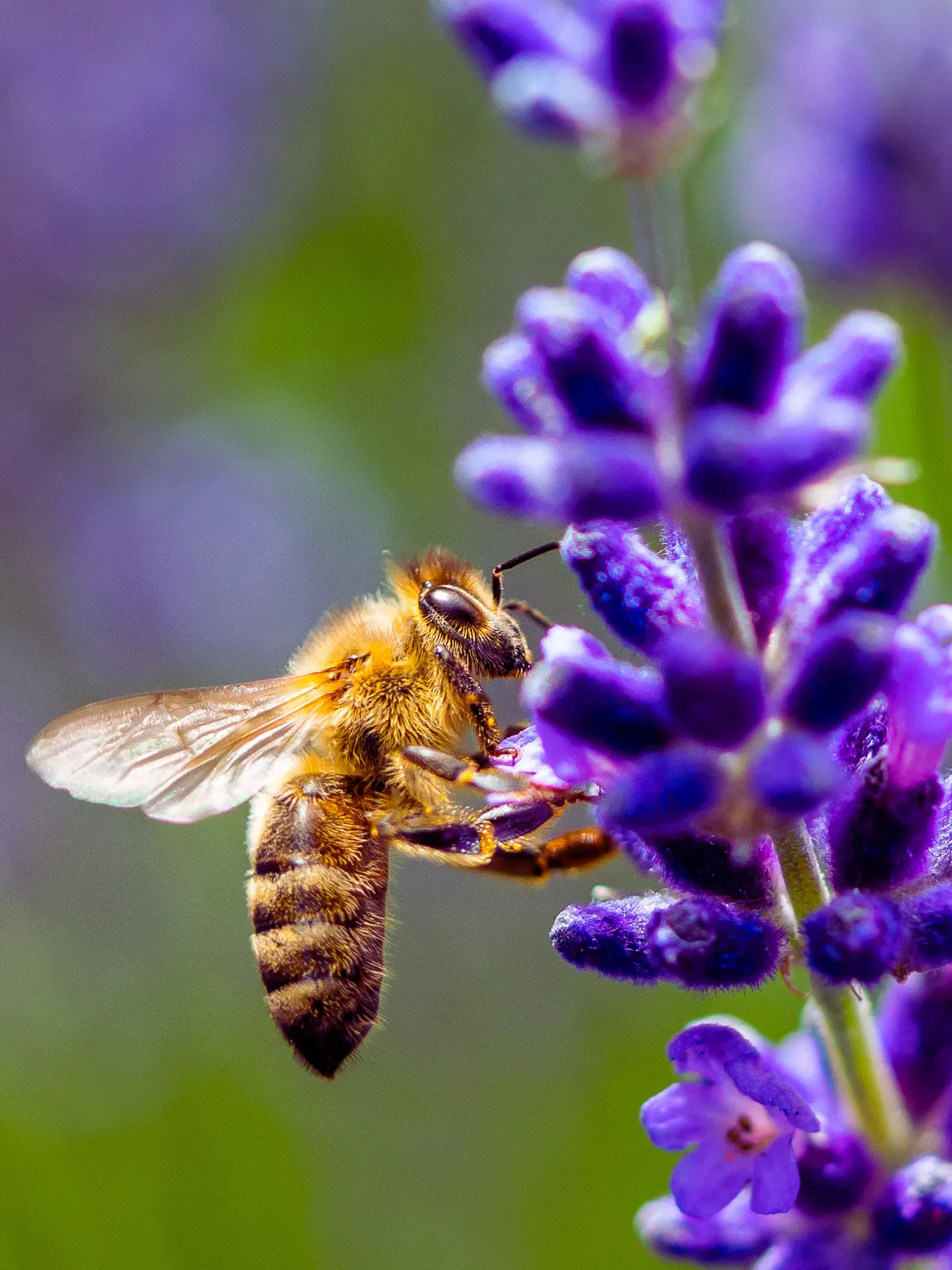
A detailed profile shot of a western honey bee clinging to a vibrant purple lavender flower spike. Sunlight illuminates its translucent wings and golden-furred thorax against a lush green and violet bokeh backdrop.Hard

Western Honey Bee