
















Wildari Planet
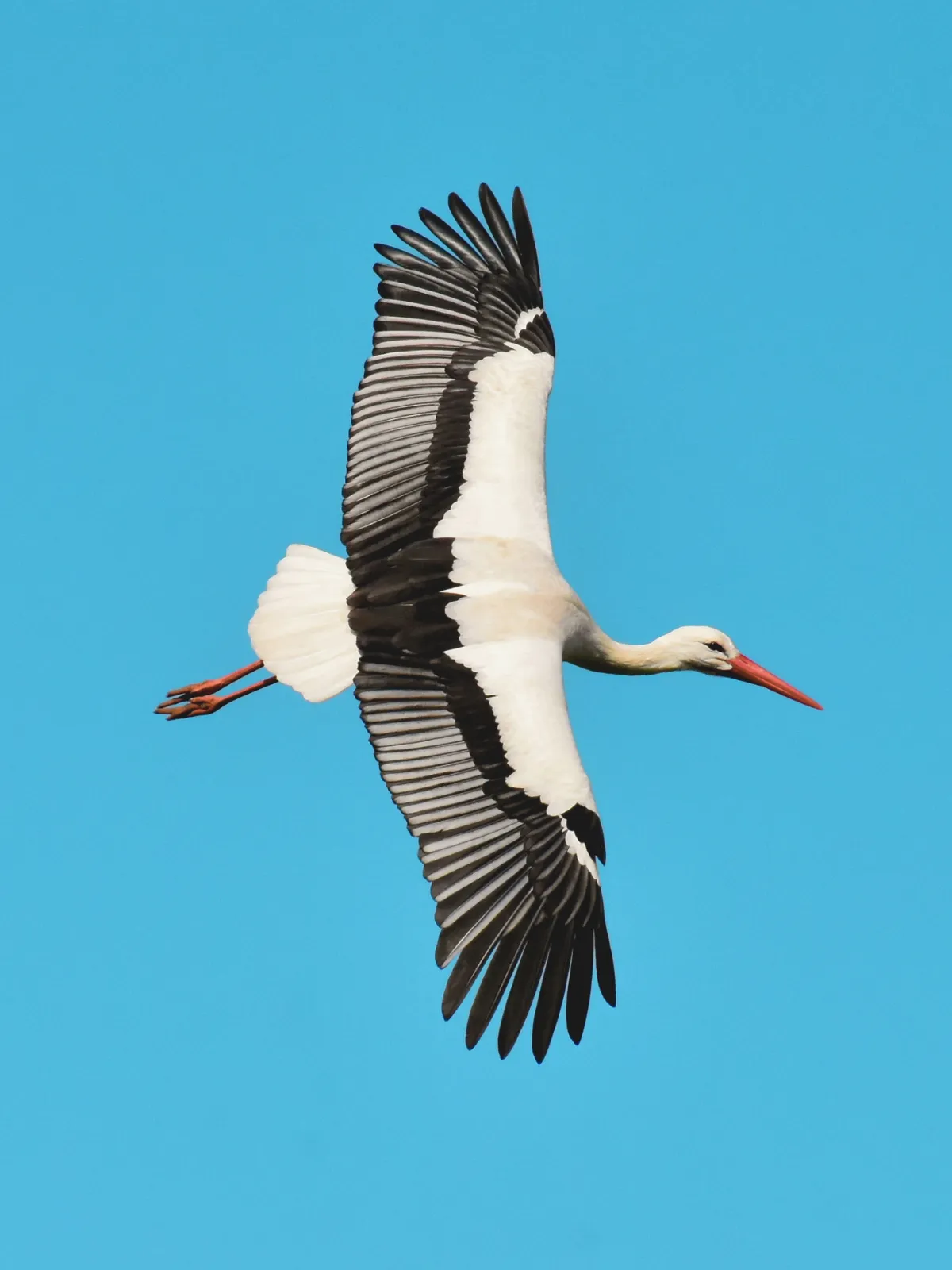
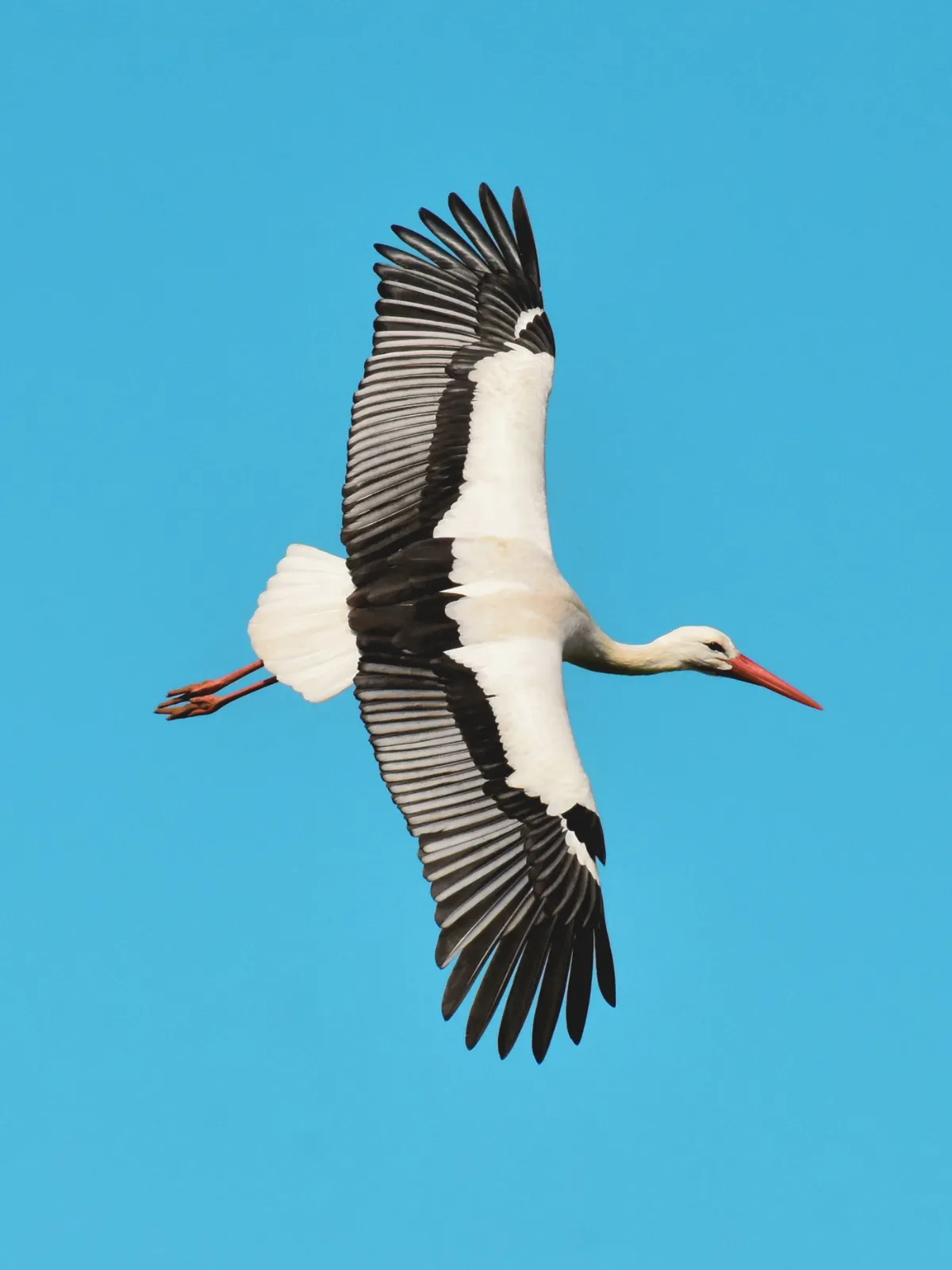
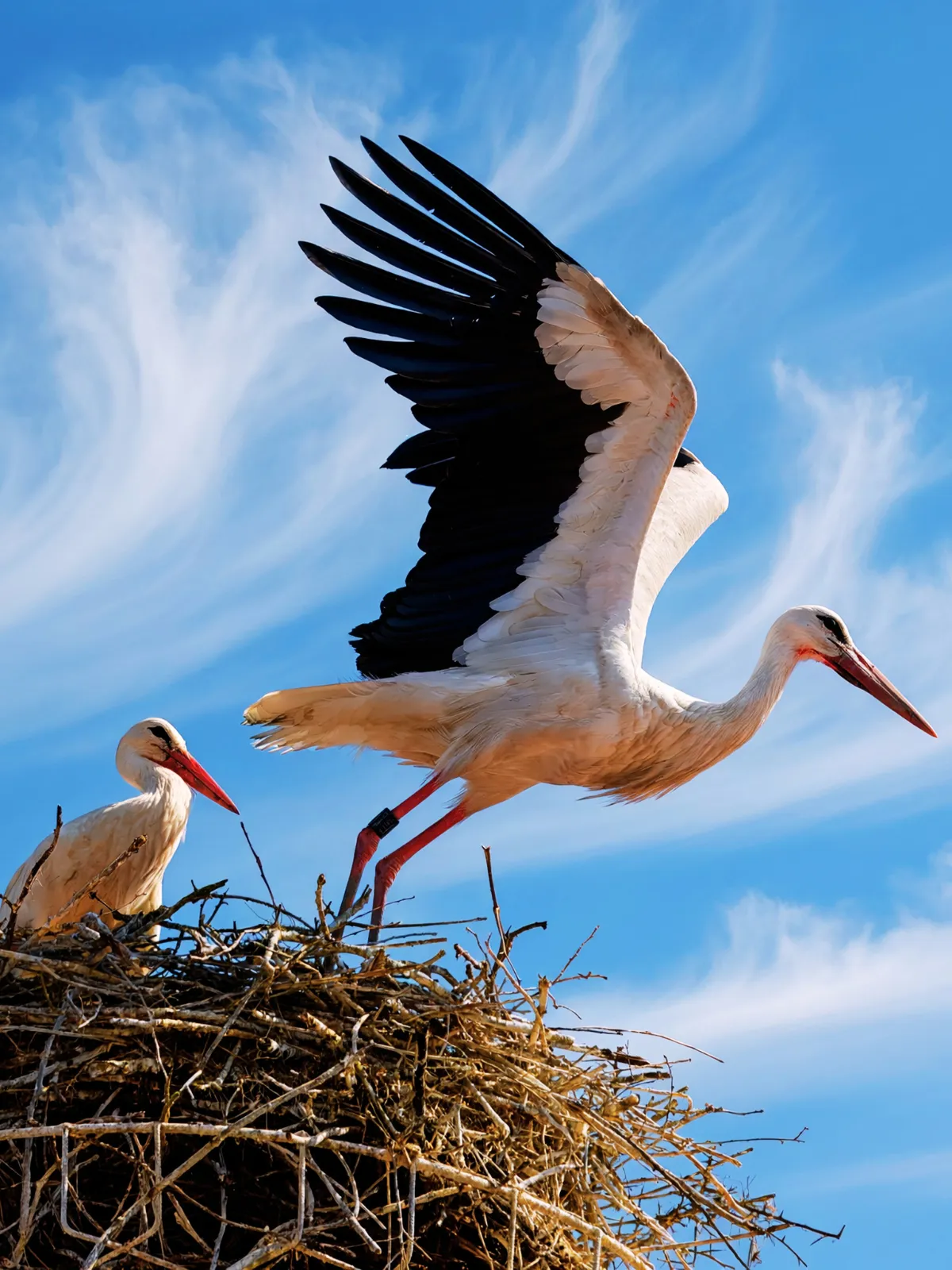
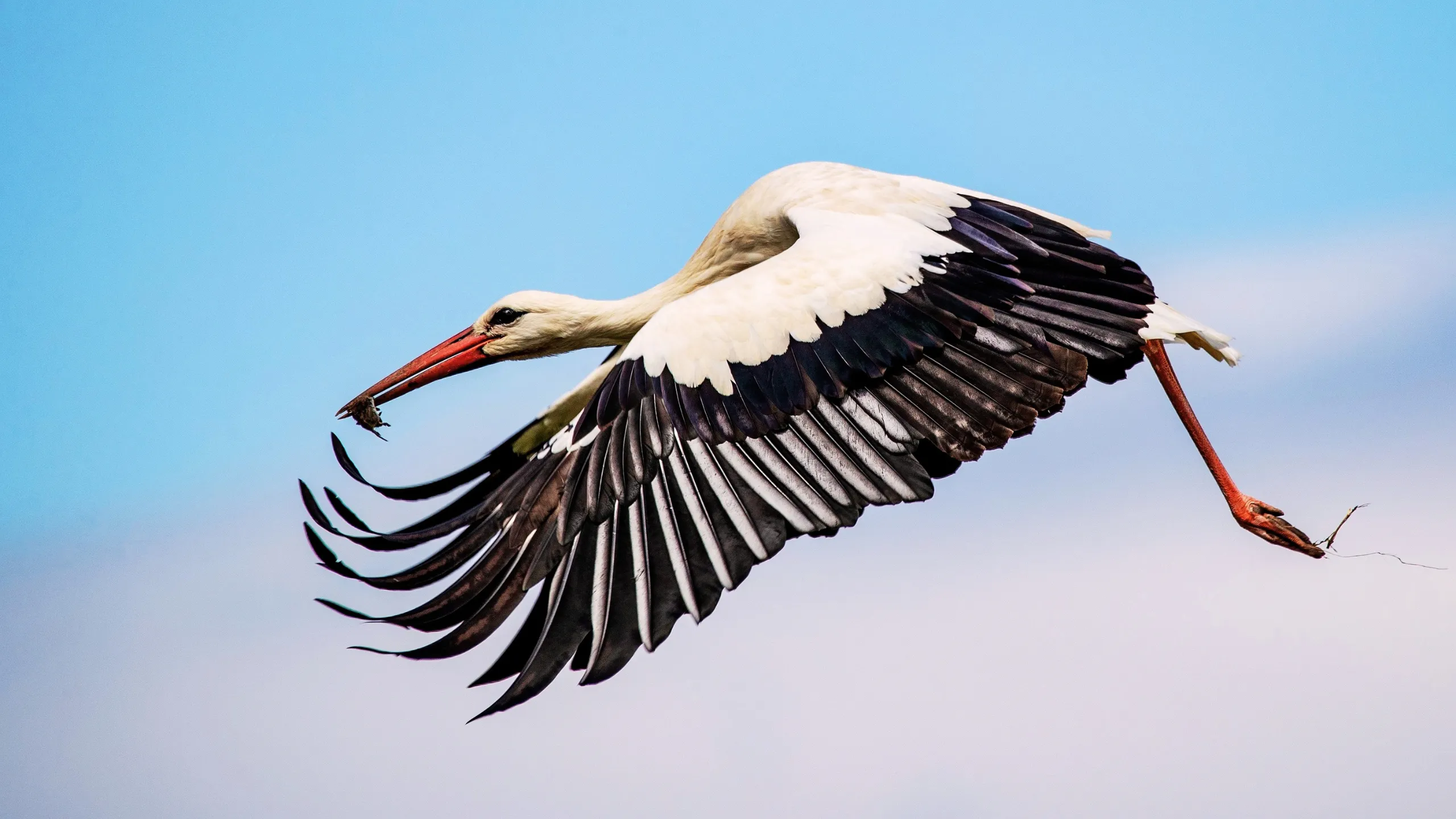
White stork captured in mid-flight against a clear blue sky. Its wide, powerful wings show crisp white upper feathers contrasted with black flight feathers along the trailing edges, and its long red bill holds dry twigs or nesting material.
AfricaAsiaEuropeBirdsLeast Concern

White Stork

Where White Storks Live

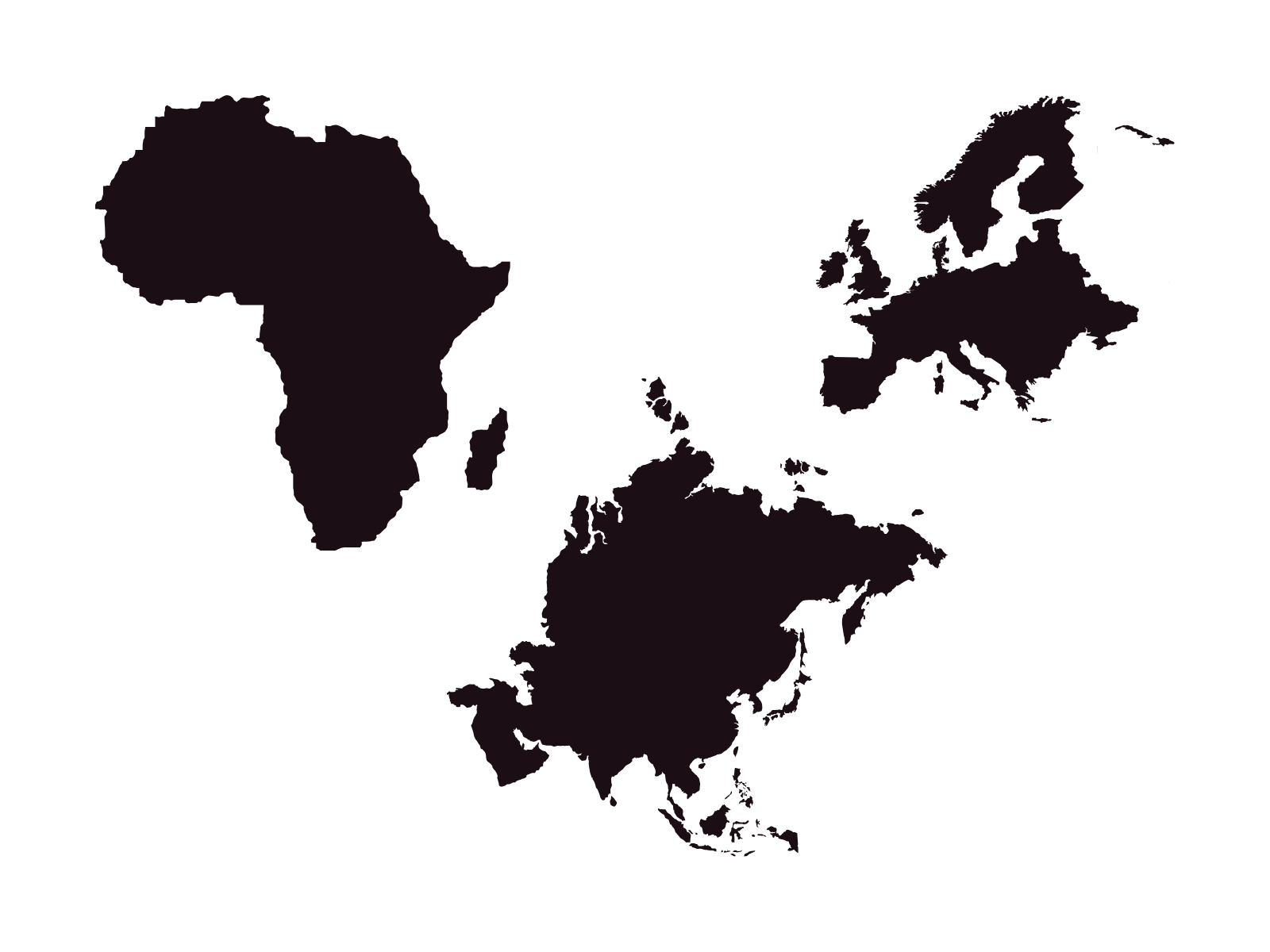
Continent: Africa, Asia, Europe

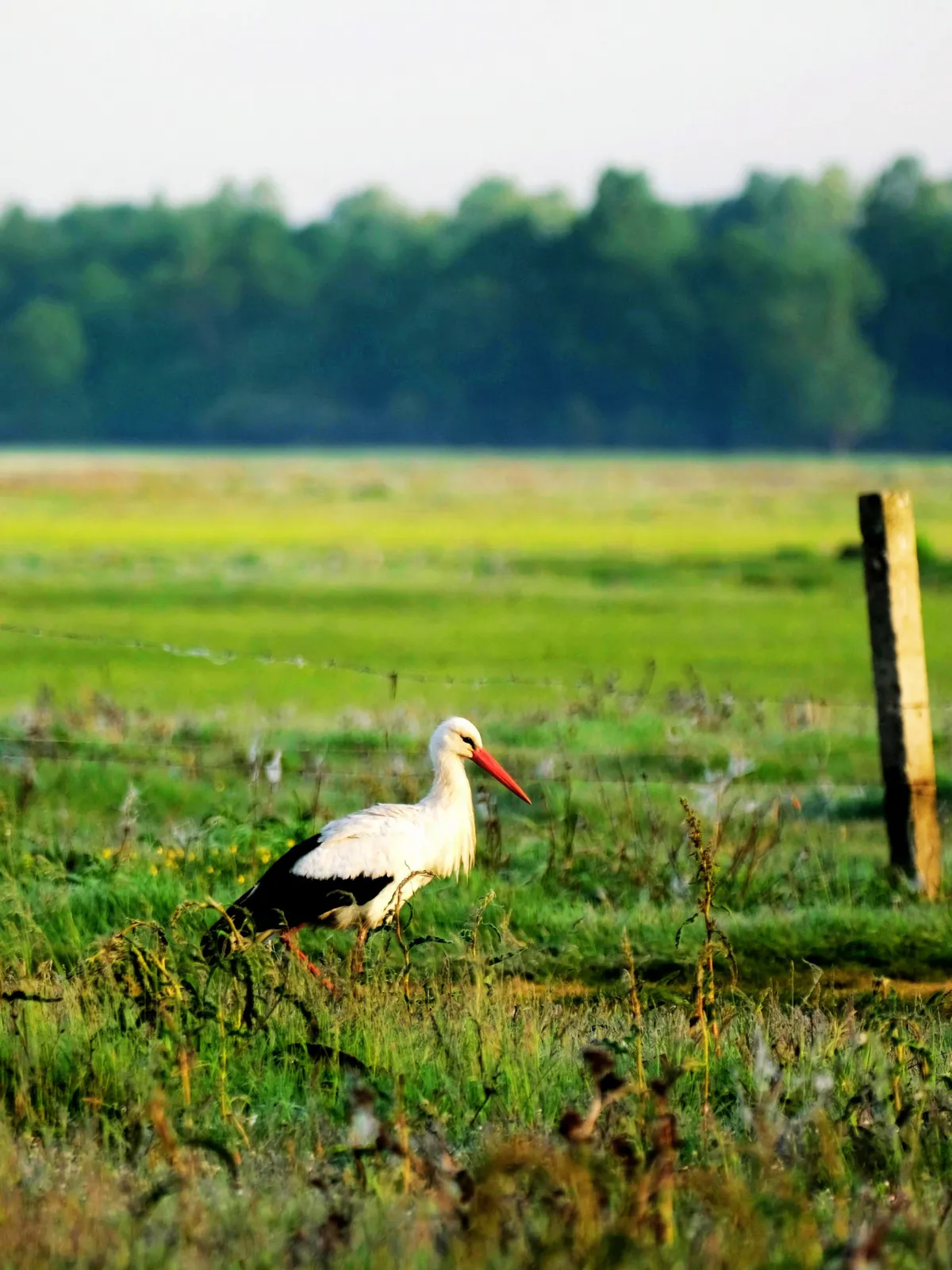
Open wetlands, meadows, pastures, and agricultural fields across Europe, northwest Africa, and western Asia, with about a quarter of the global population breeding in Poland; winters in sub-Saharan Africa and parts of the Indian subcontinent.

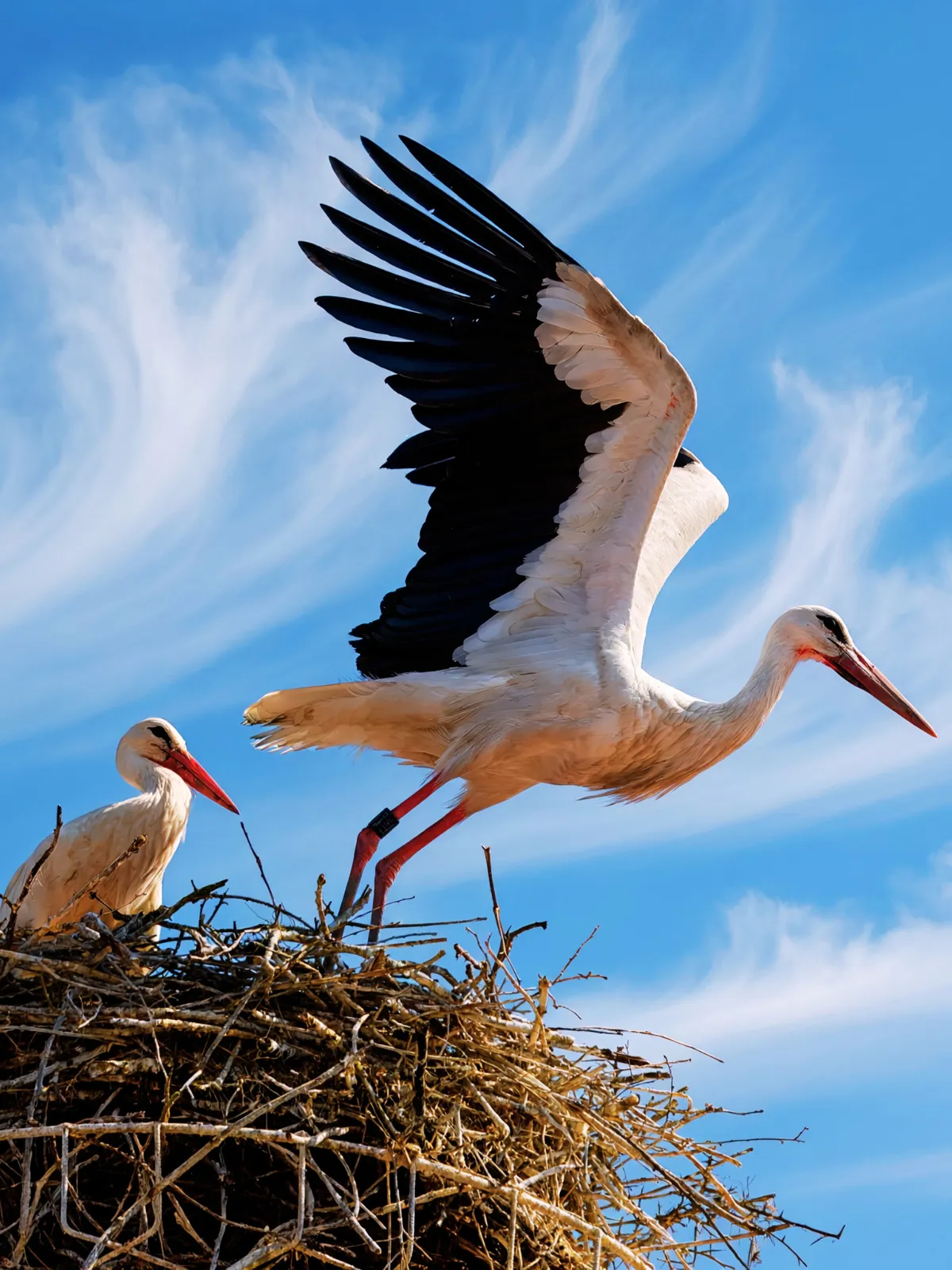
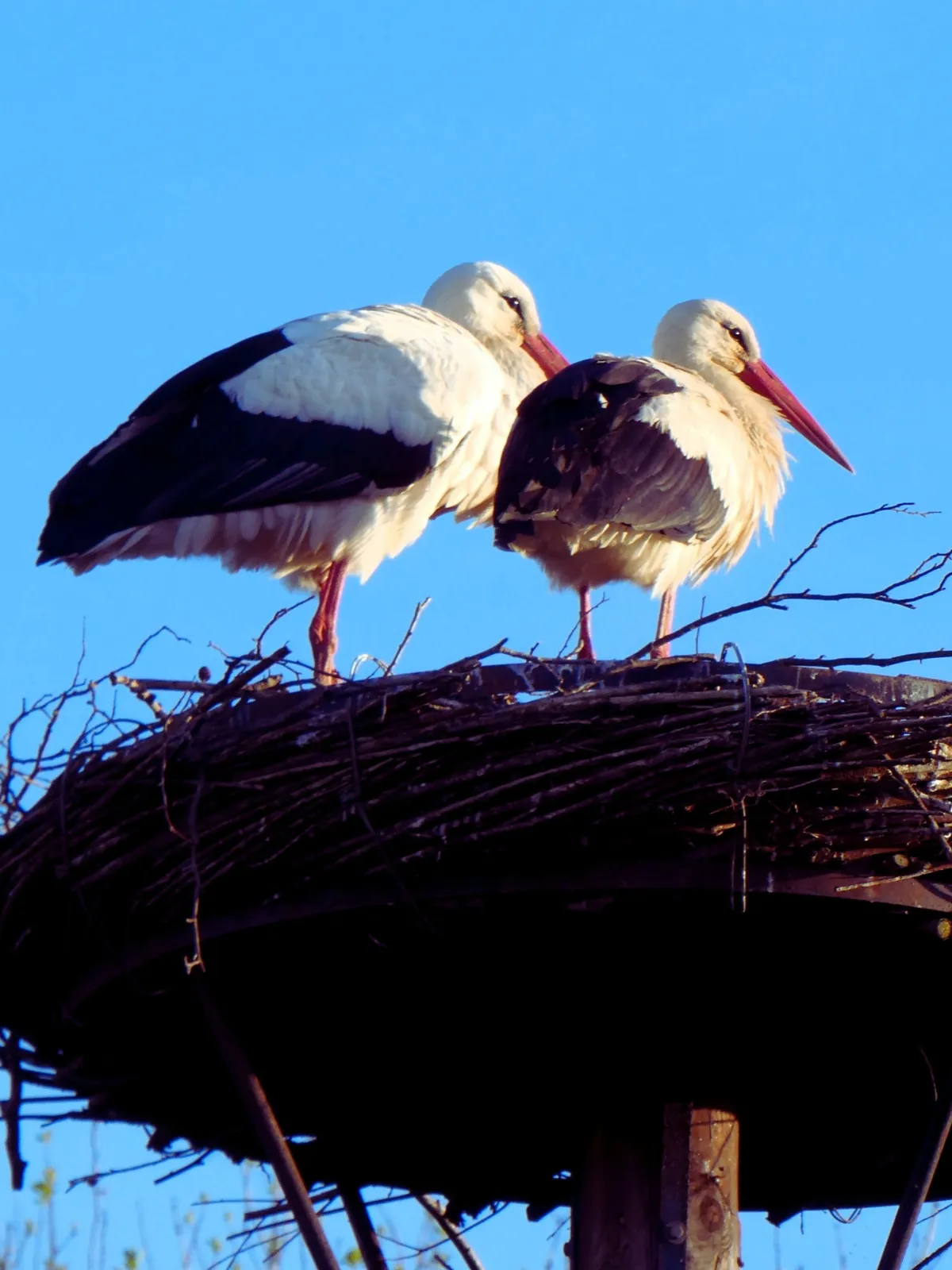
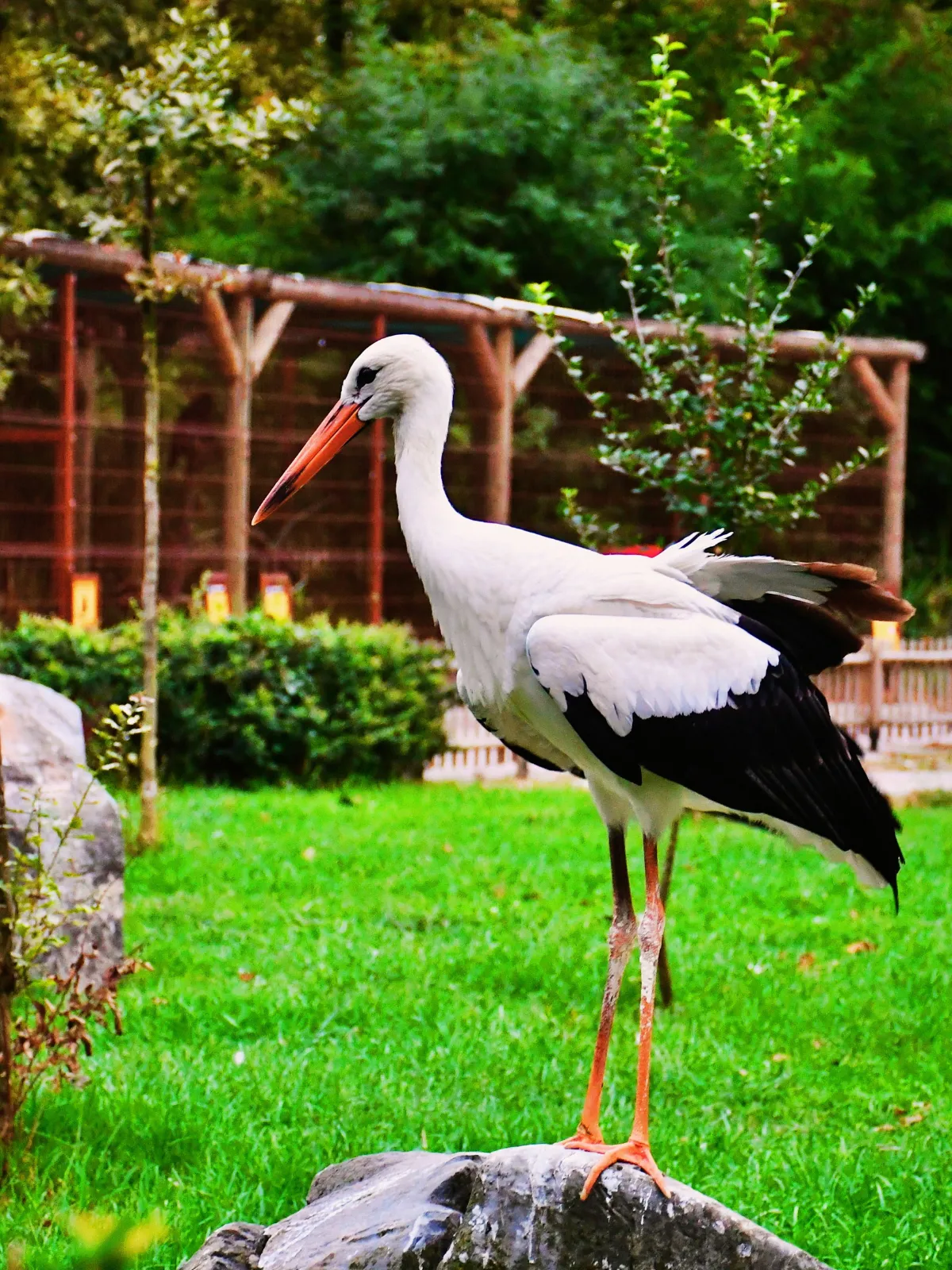
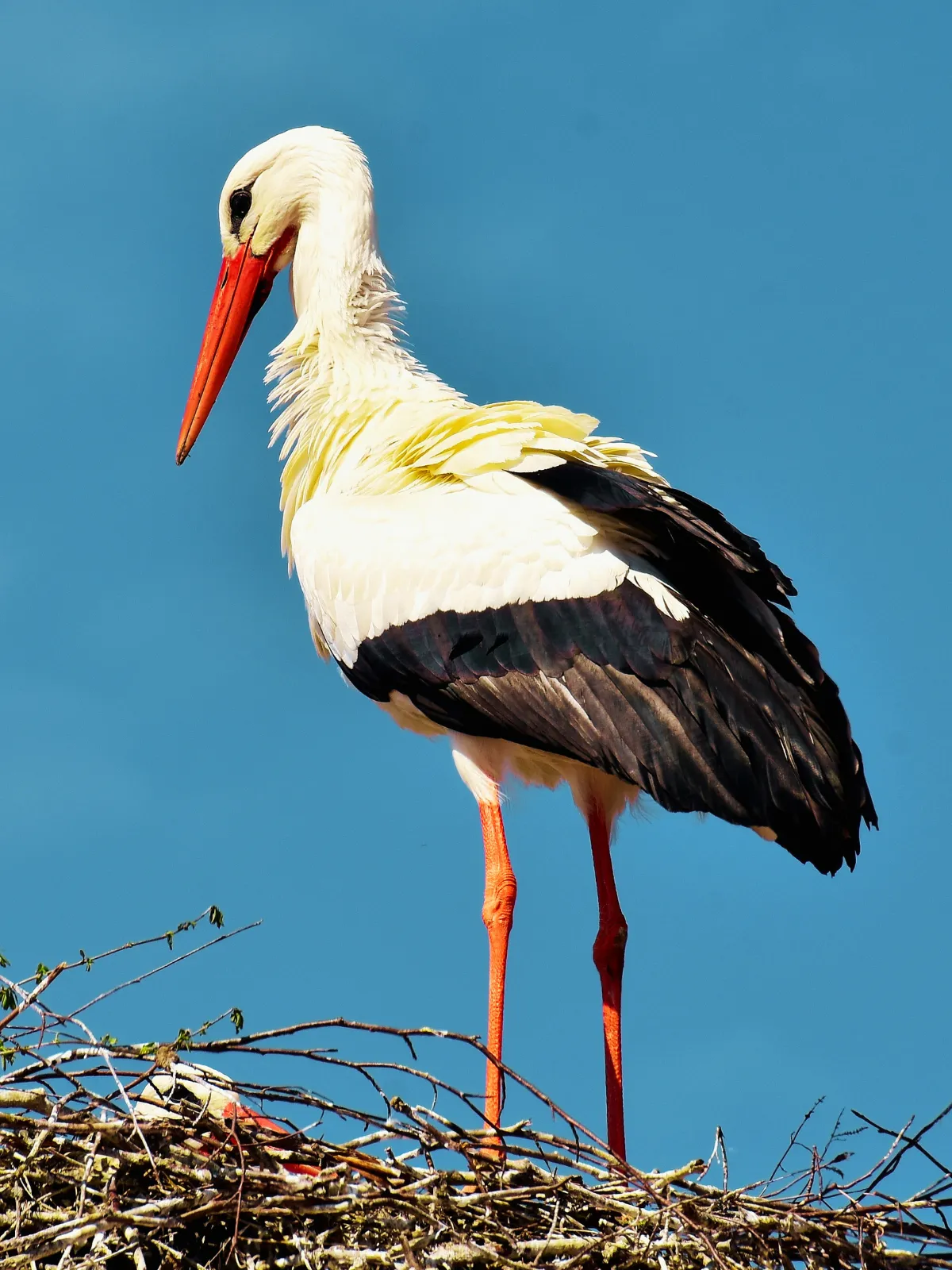
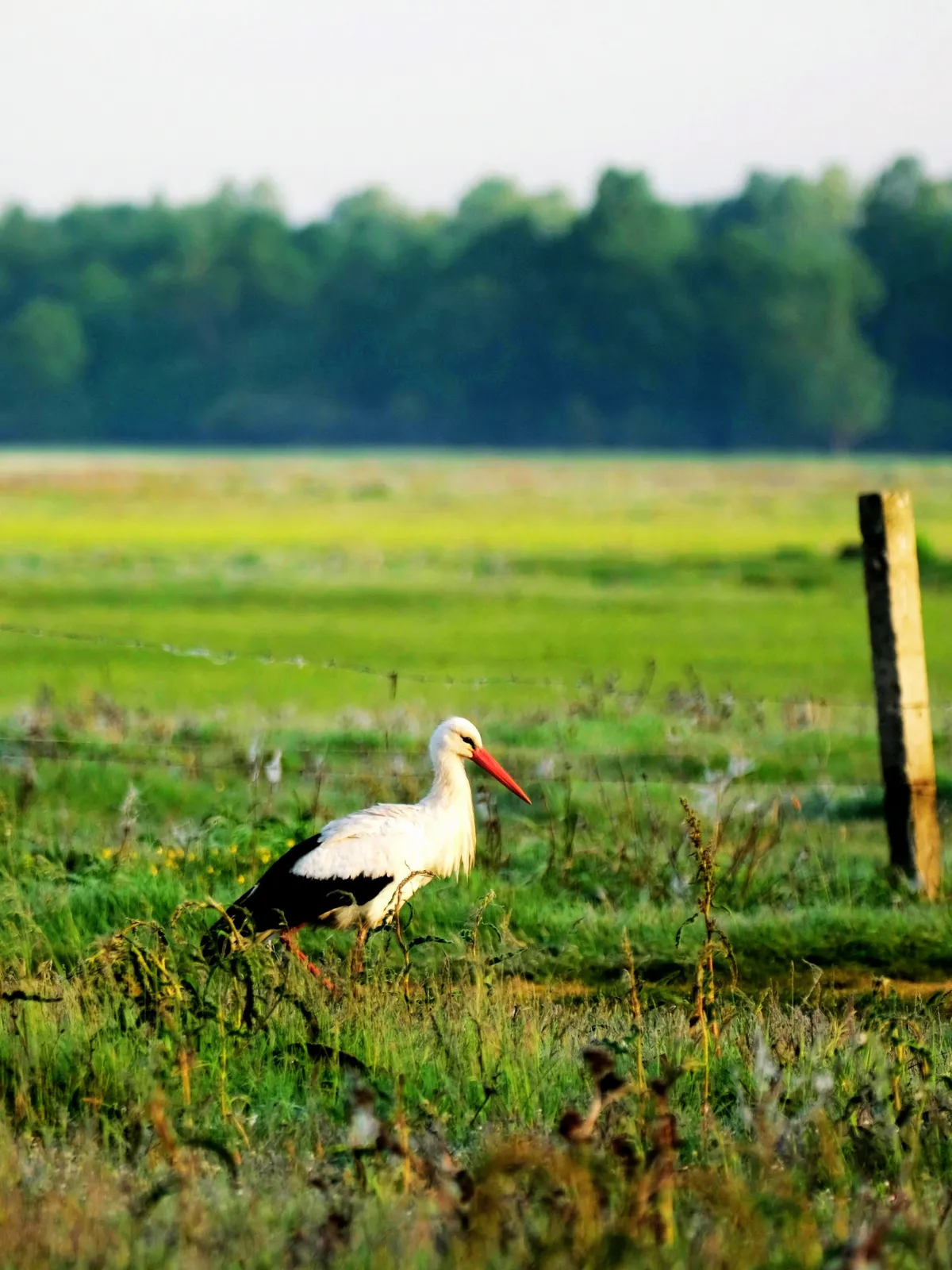
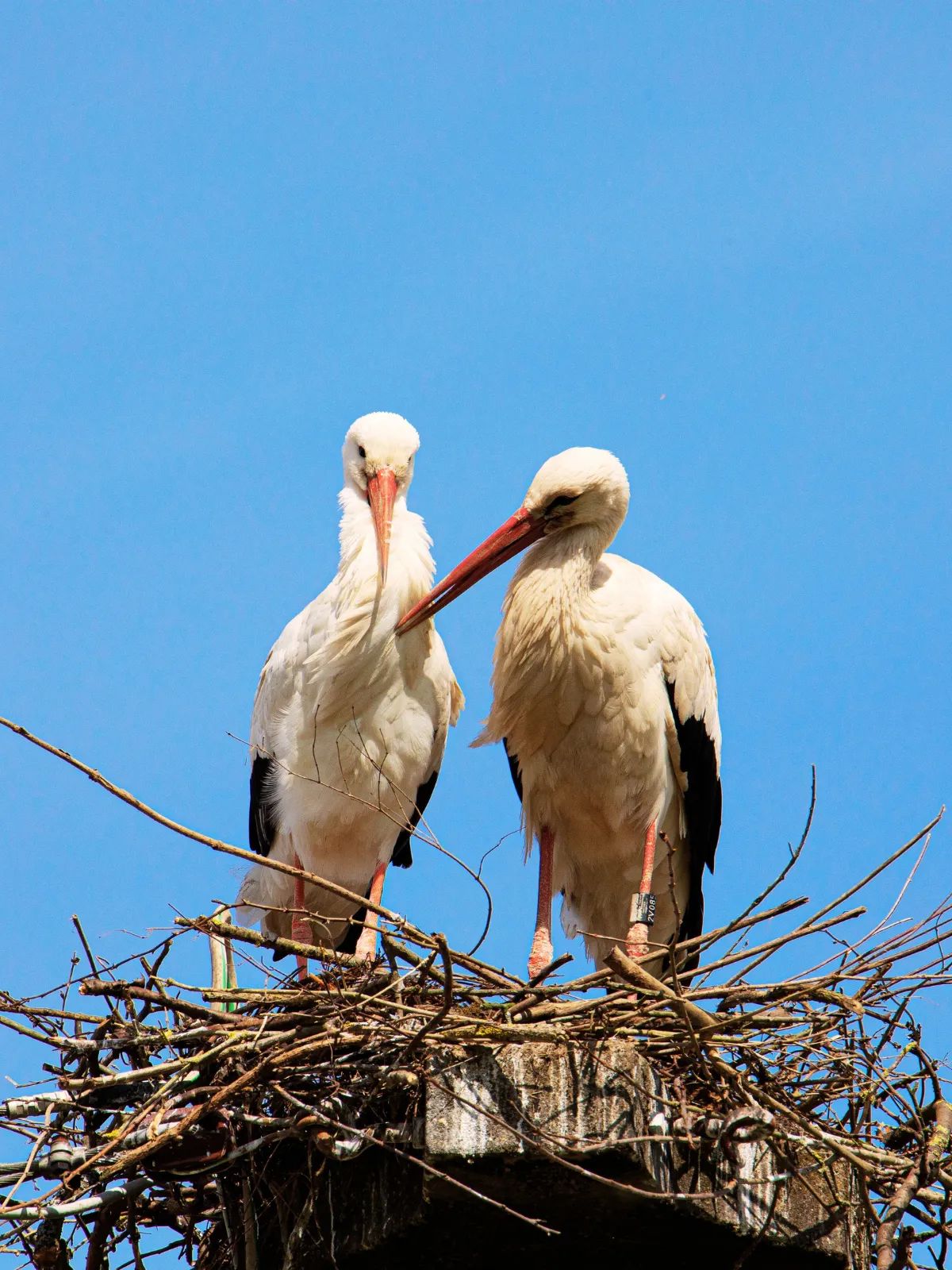
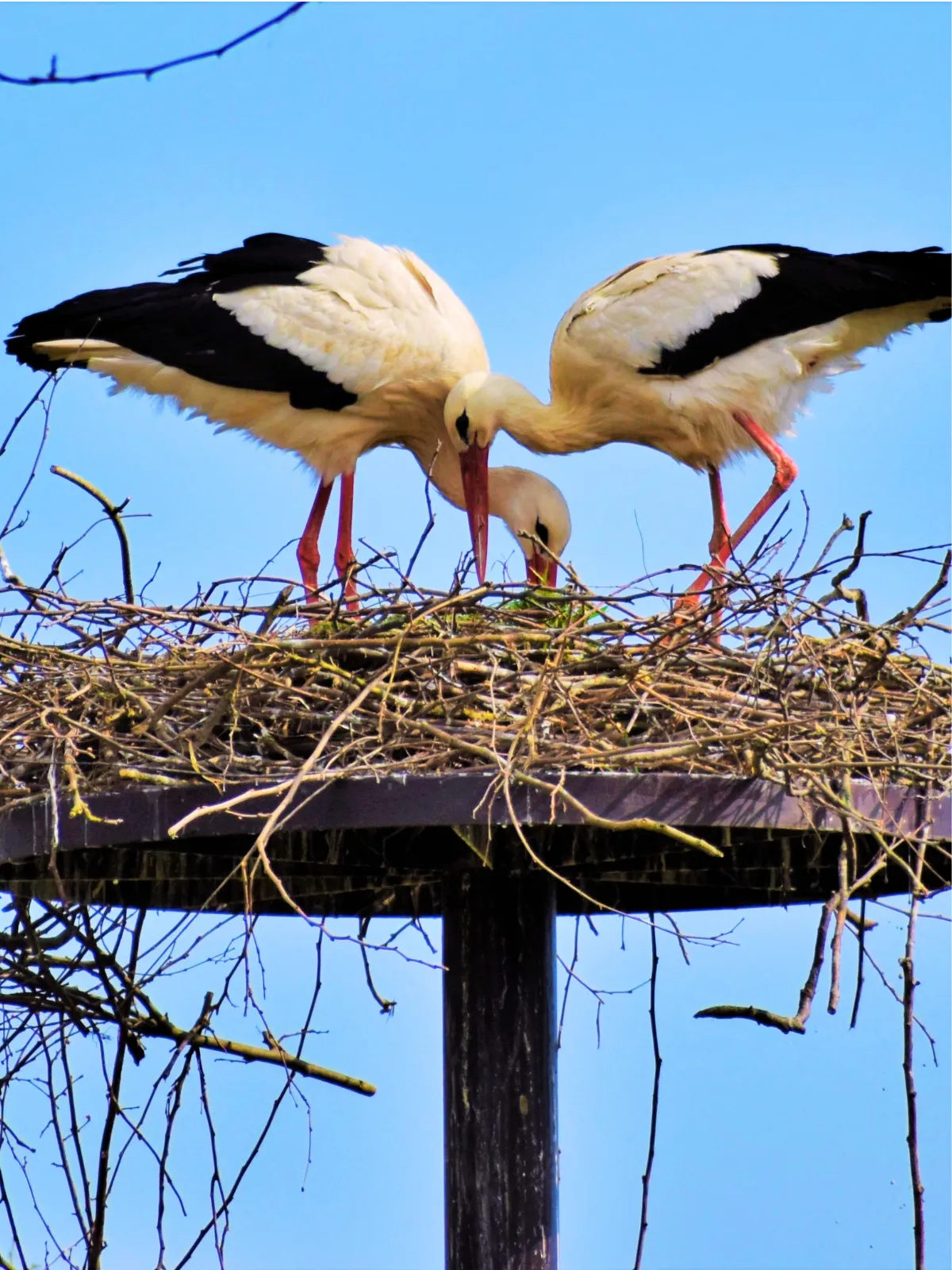
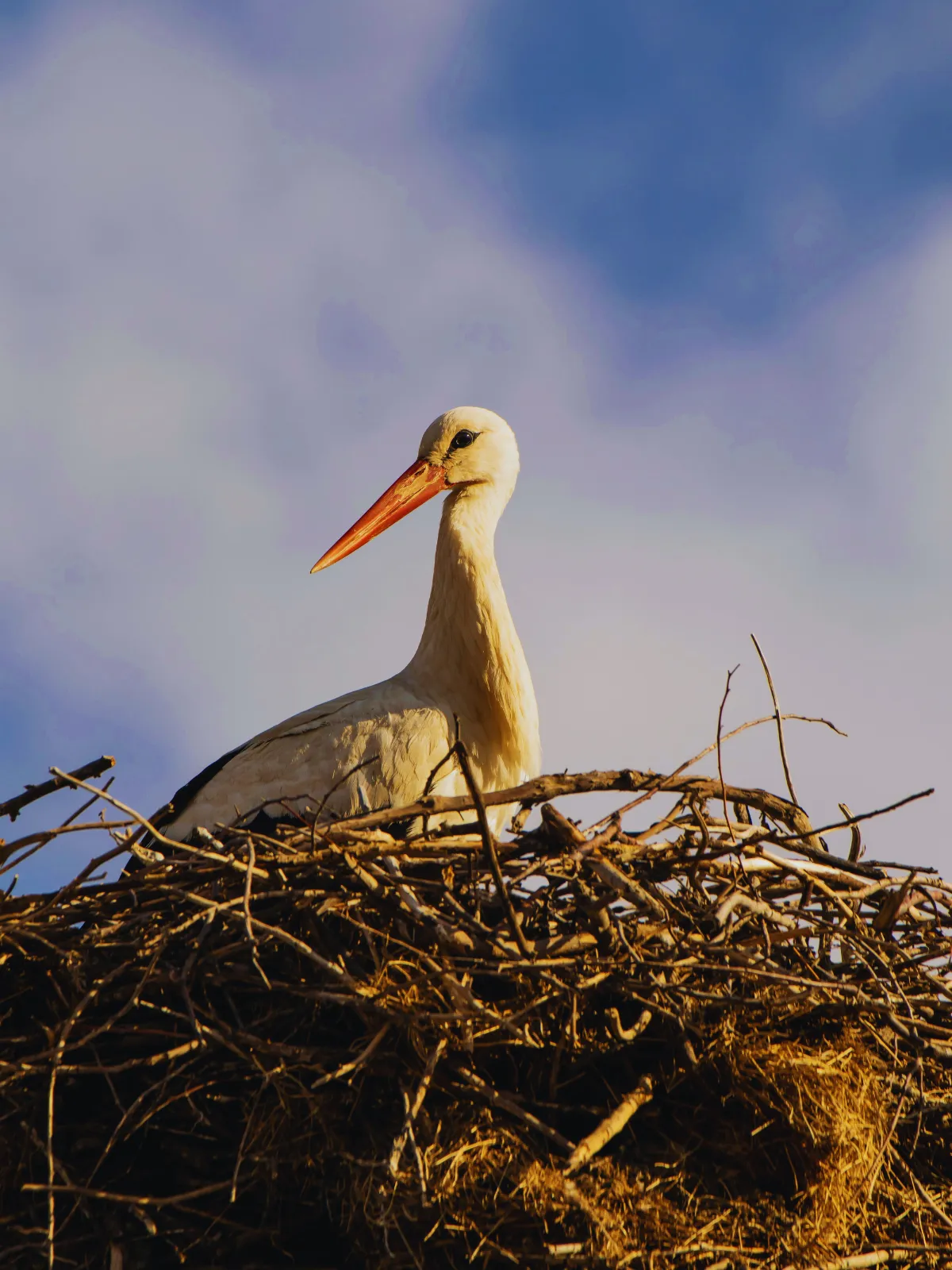
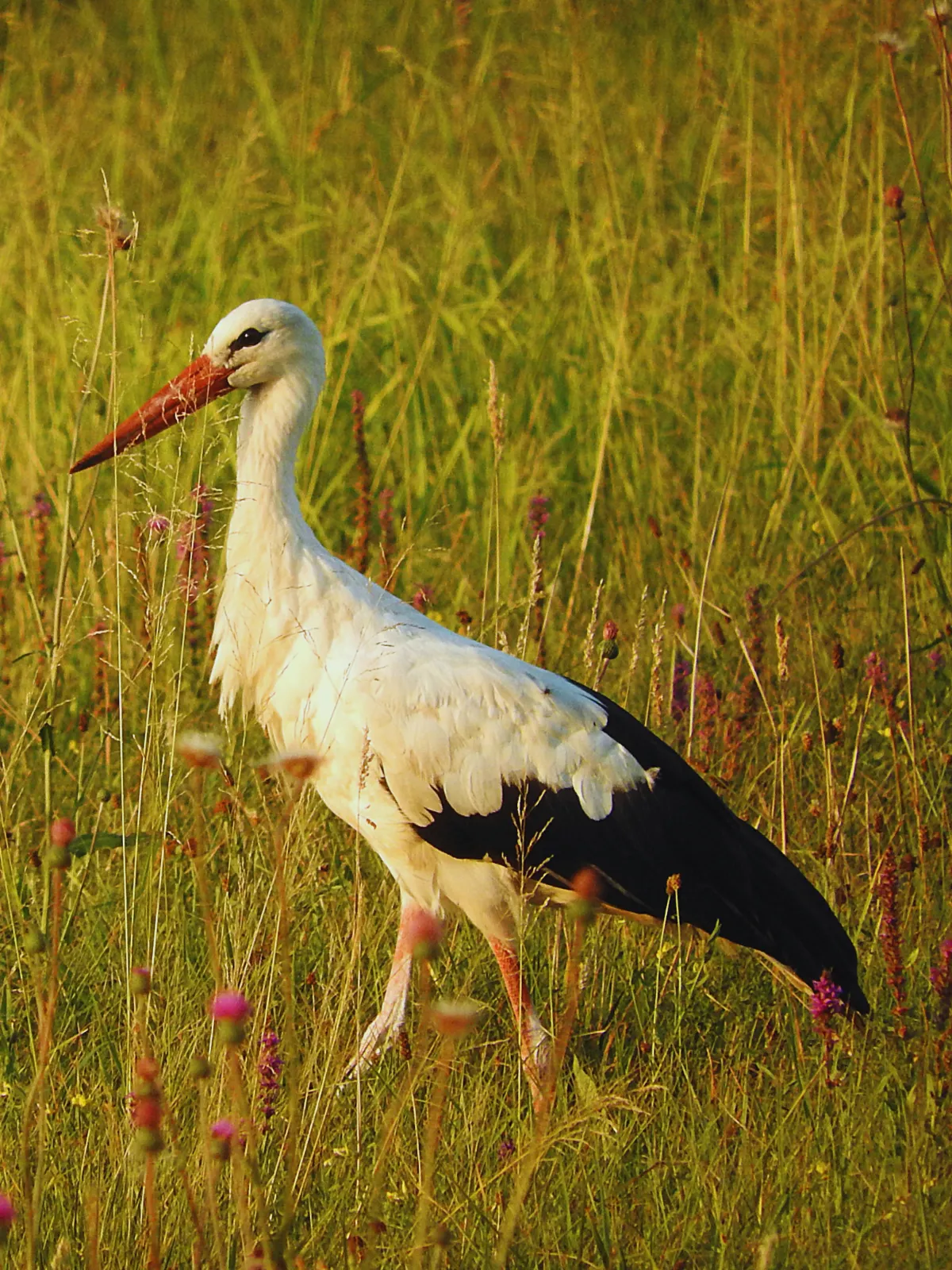
The white stork is one of Europe's most beloved and culturally iconic birds, long tied to folklore as the mythical deliverer of newborn babies. Easily recognized by its white plumage, black wing feathers, and long red bill and legs, it's a tireless long-distance migrant, traveling thousands of kilometers each year between European breeding grounds and African wintering areas. It has adapted remarkably well to life alongside people, often nesting directly on rooftops, chimneys, and utility poles. Its springtime return has historically been celebrated across European villages as a symbol of good fortune and renewal.

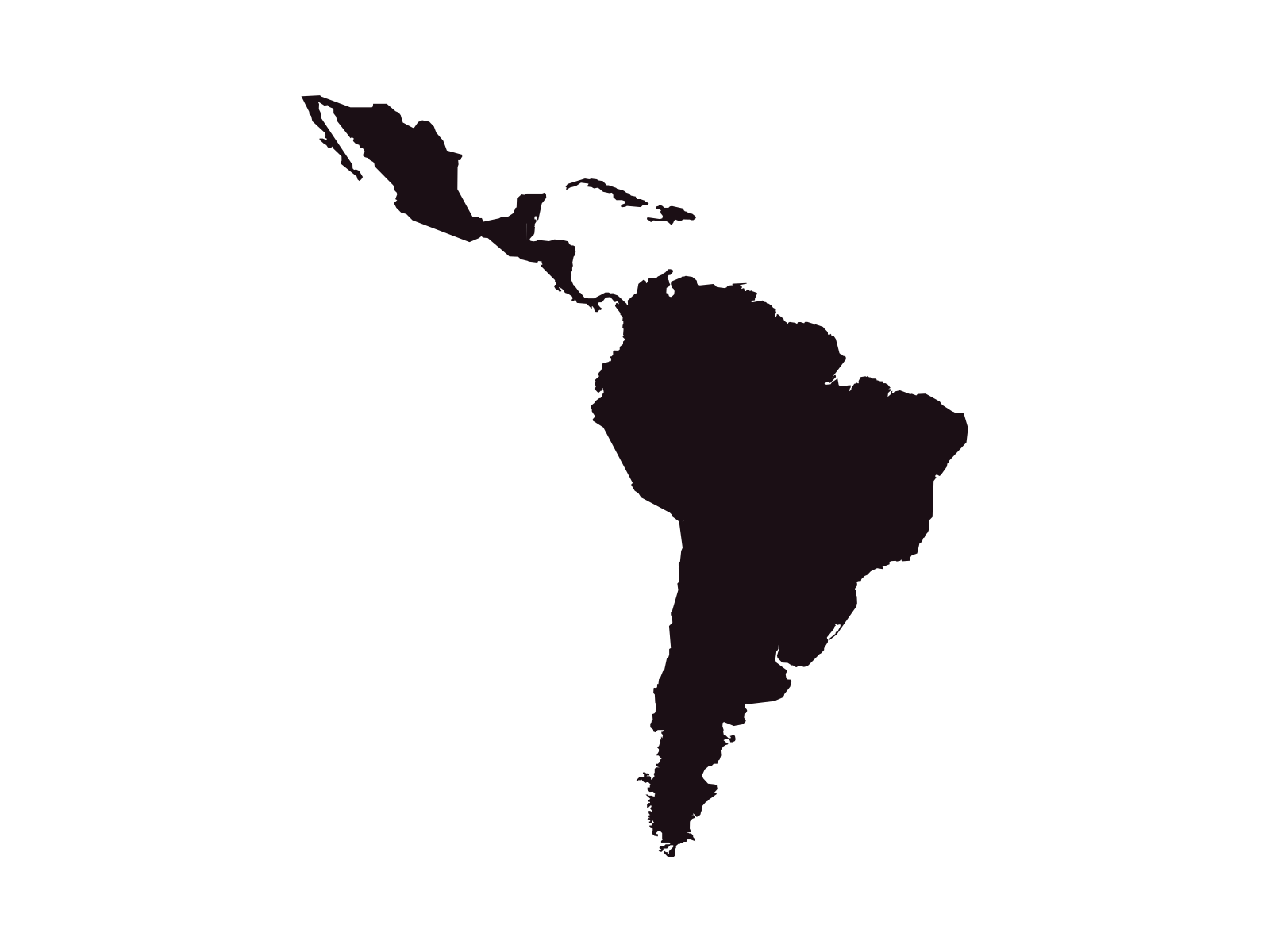
Europe, Asia, and Africa maps silhouettes on white background.

Africa, Asia, Europe

Quick Facts

Wingspan icon
Wingspan155 to 215 cm (61 to 85 in) from wingtip to wingtip
Weight icon
WeightWeighs 2.3 to 4.5 kg (5.1 to 9.9 lb); body length 100 to 115 cm (39 to 45 in)
Lifespan icon
LifespanOften 20 to 25 years in the wild; the oldest ringed bird lived 39 years
Migration icon
MigrationOver 6,000 km (3,700 mi) each way; about 273 km (170 mi) a day on thermals
Diet icon
DietInsects, earthworms, frogs, reptiles, and small mammals; sometimes fish or eggs
Clutch icon
ClutchUsually 4 eggs (1 to 7), incubated 33 to 34 days by both parents
Population icon
PopulationAbout 700,000 individuals worldwide; numbers have recently rebounded
Range icon
RangeBreeds in Europe, northwest Africa, western Asia; winters in Africa and India

Conservation Status

EXExtinct
EWExtinct in the Wild
CRCritically Endangered
ENEndangered
VUVulnerable
NTNear Threatened
LCLeast Concern
NENot Evaluated

How White Storks Survive in the Wild

1 / 3

Social Lives of White Storks

1 / 3

Photo Gallery

Flashcards

Quiz Yourself on White Stork

Pick a difficulty level and test what you've learned.

White stork captured in mid-flight against a clear blue sky. Its wide, powerful wings show crisp white upper feathers contrasted with black flight feathers along the trailing edges, and its long red bill holds dry twigs or nesting material.Easy

White Stork

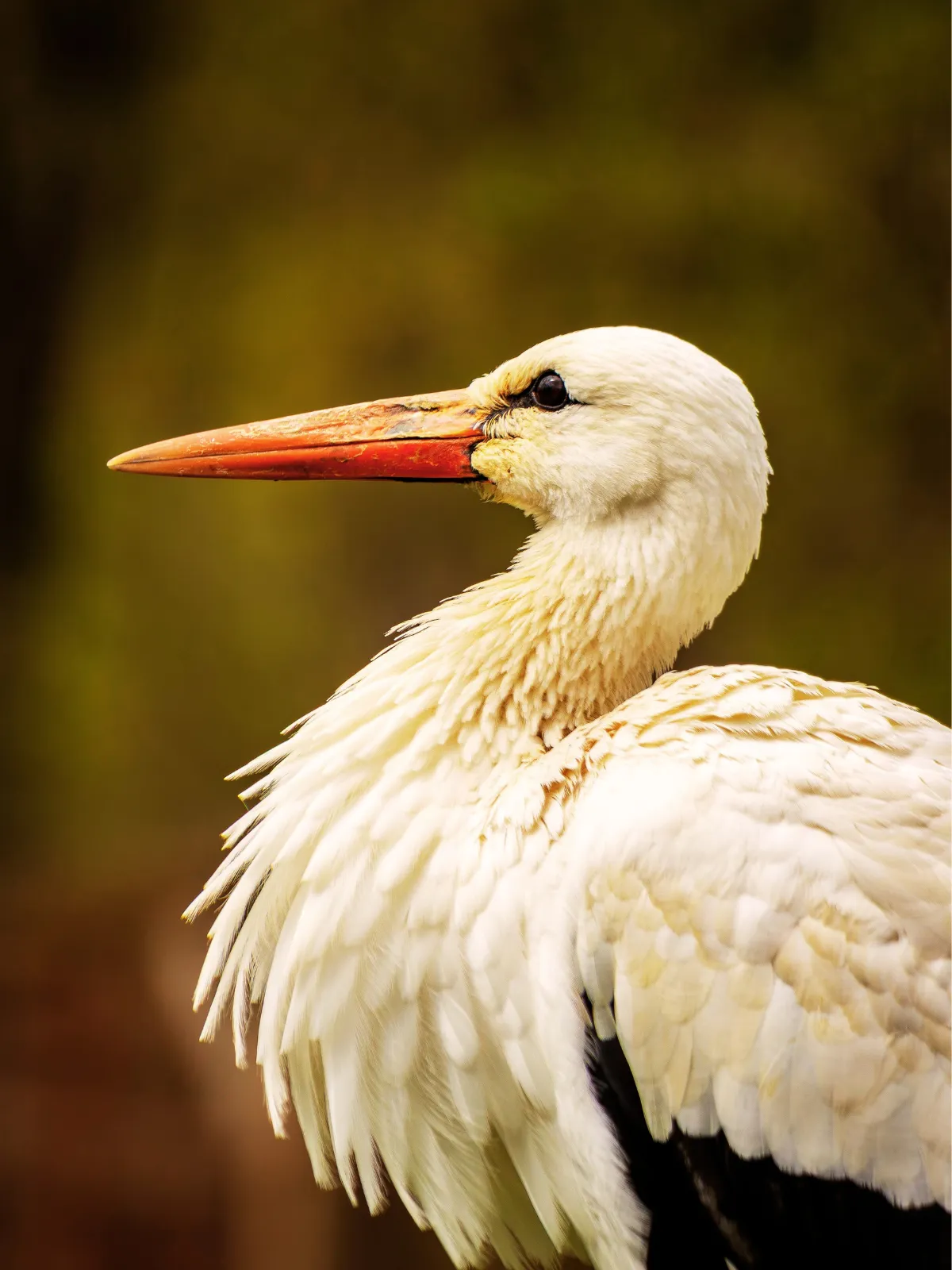
A close-up portrait highlighting the head, neck, and upper body of a white stork facing left. Its white neck feathers are fully flared and textured, leading to a long, straight orange-red bill set against a soft, golden-green backdrop.Medium

White Stork

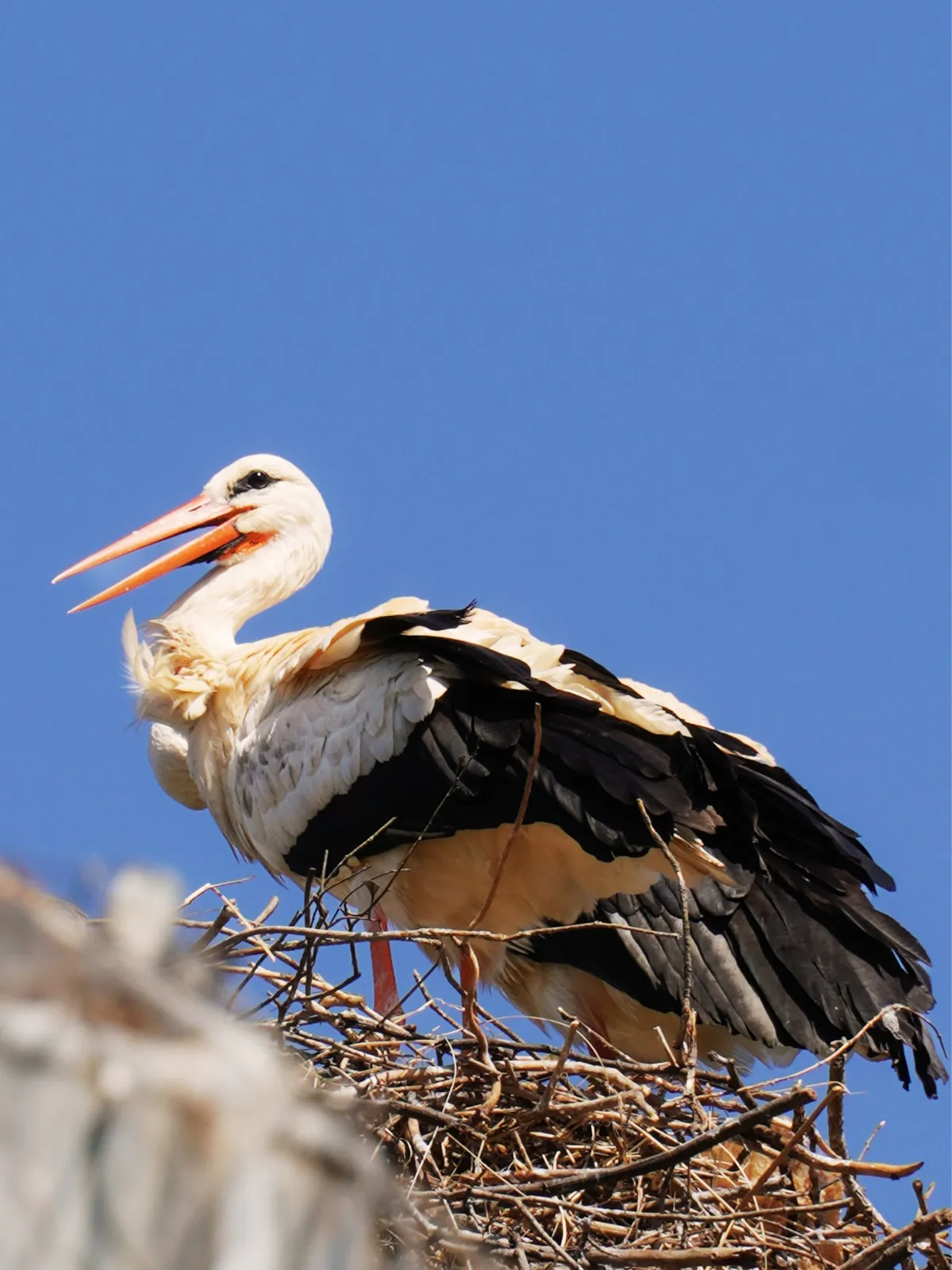
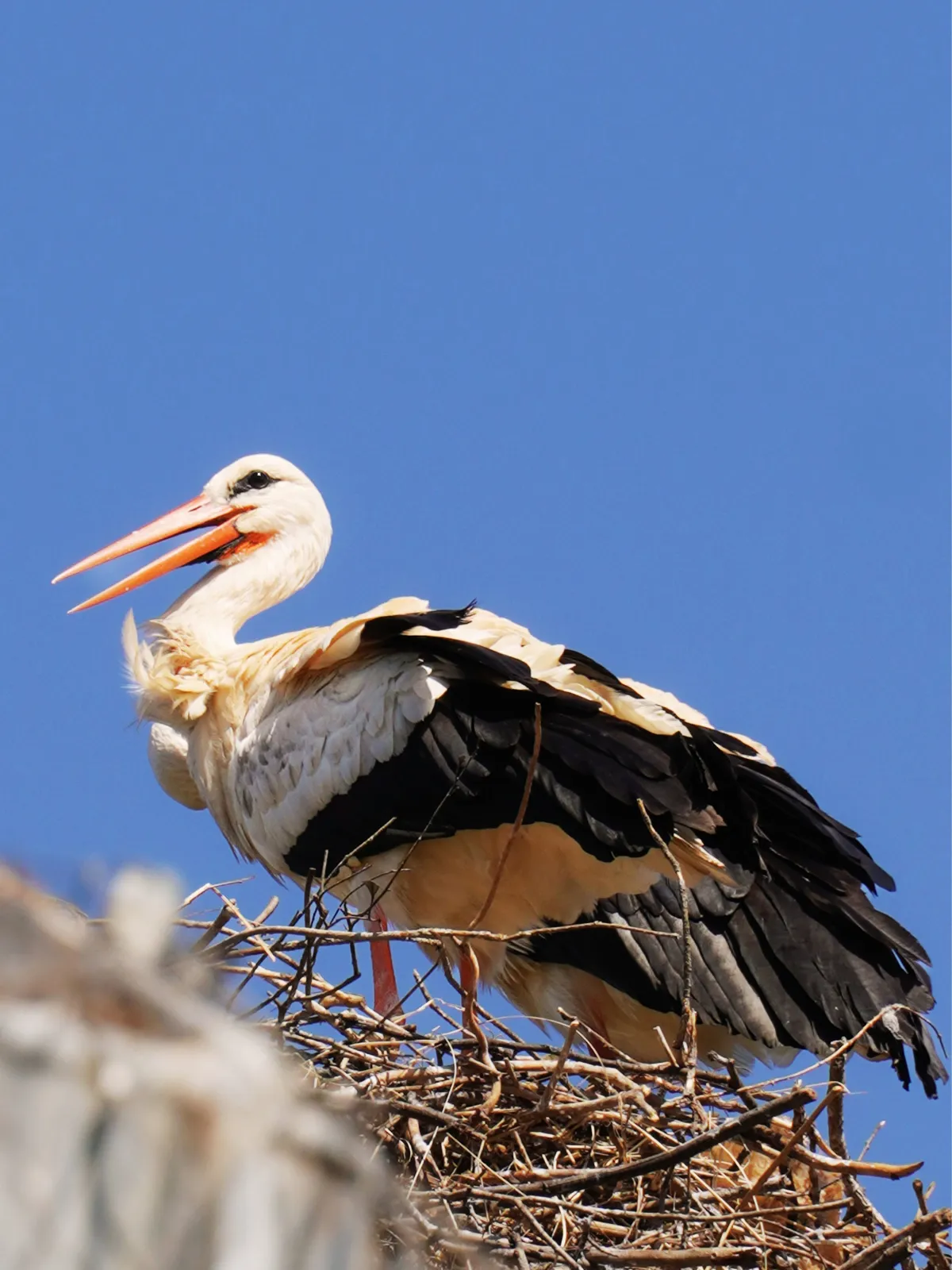
A low-angle shot of a white stork standing in a stick nest with its long, sharp red beak opened wide, displaying its dark pink mouth interior. Its wings are slightly lifted, framed against a clear blue sky.Hard

White Stork